The tailored skirt suit is back at the luxury houses, but it is not the same object it was in 2019
The tailored skirt suit is back at the luxury houses, but it is not the same object it was in 2019. The jacket is shorter. The skirt sits at the knee or just below, cut with enough ease that it moves when the wearer does. The shoulder is defined but not built out. This is structure without rigidity, and three Roman houses are working through the problem in different ways.
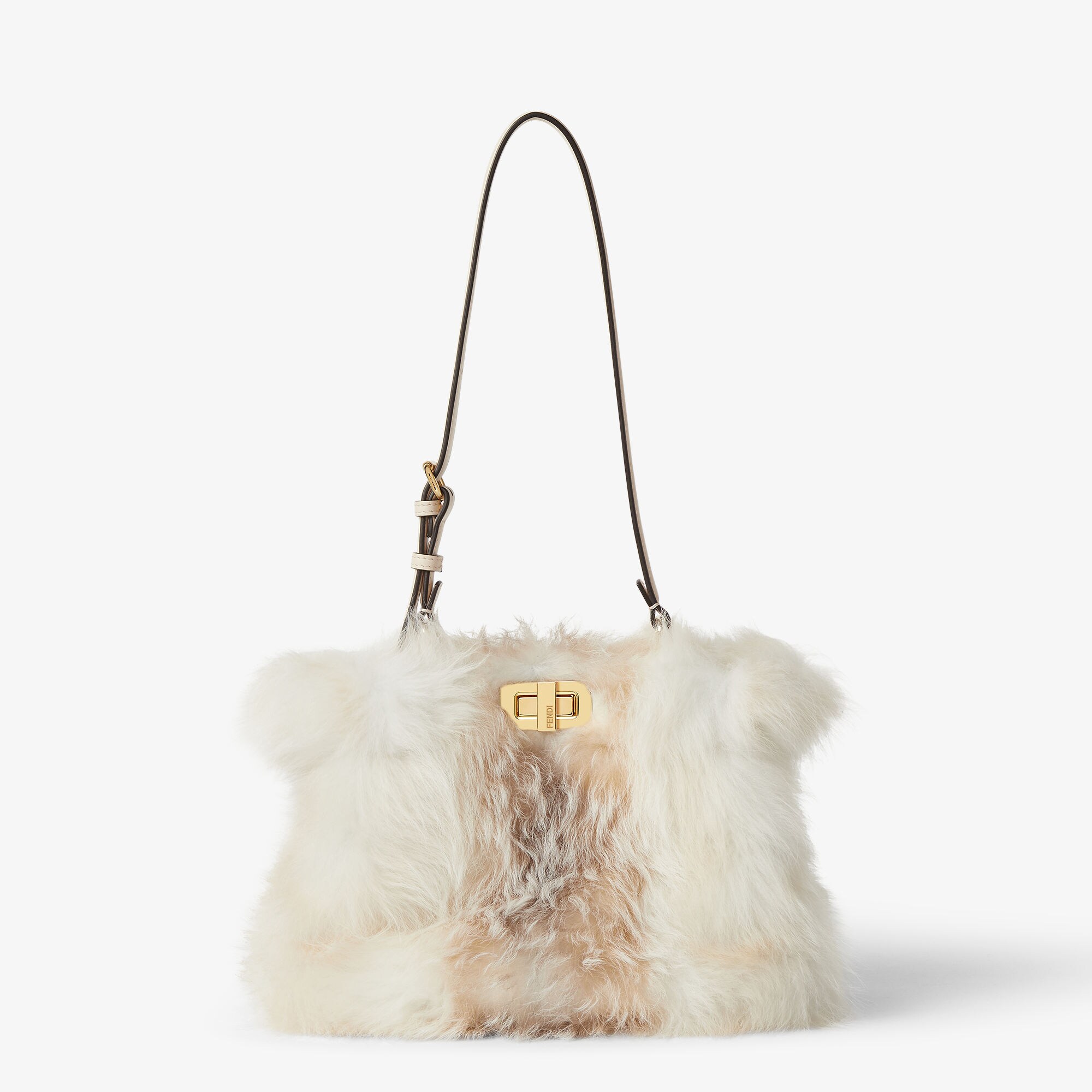
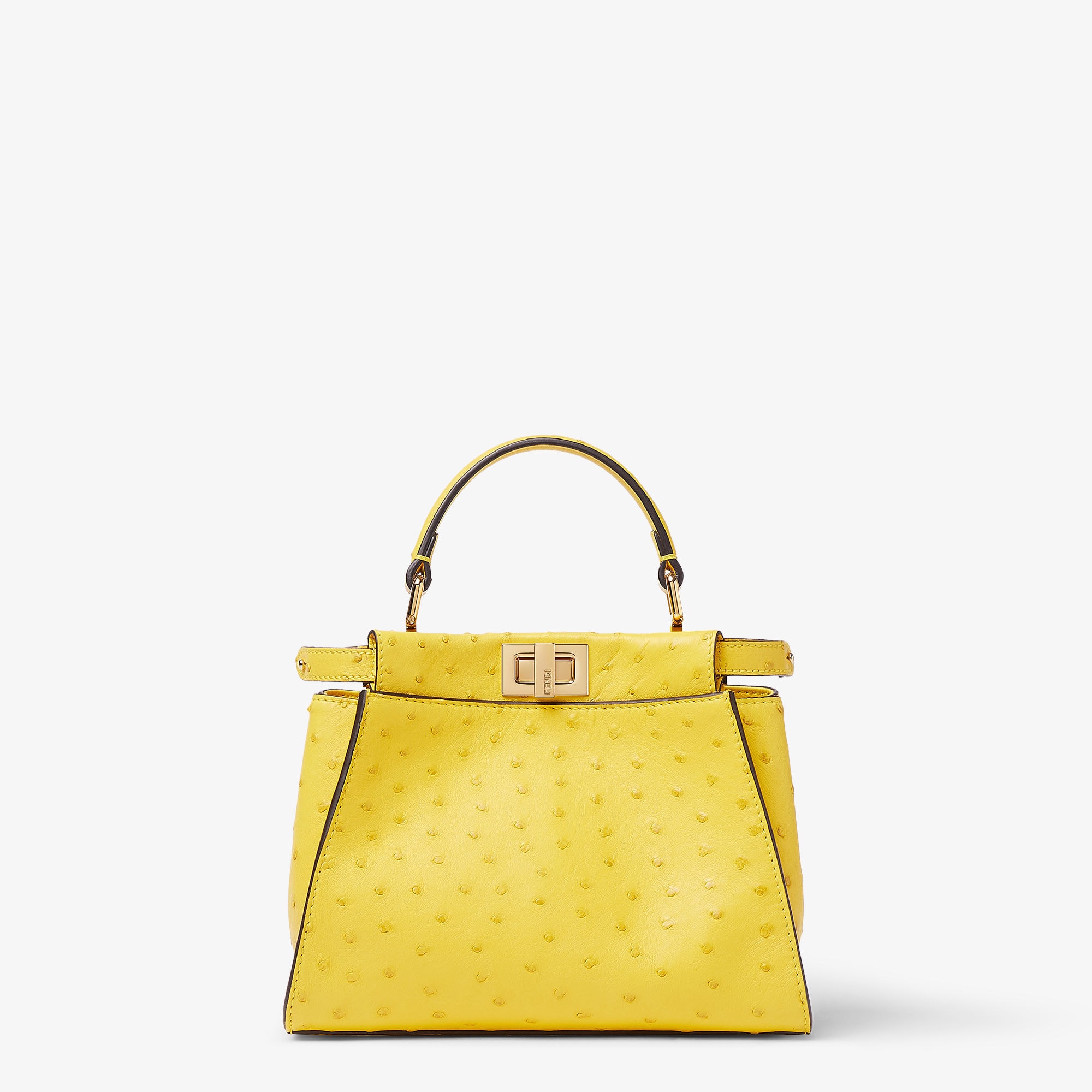
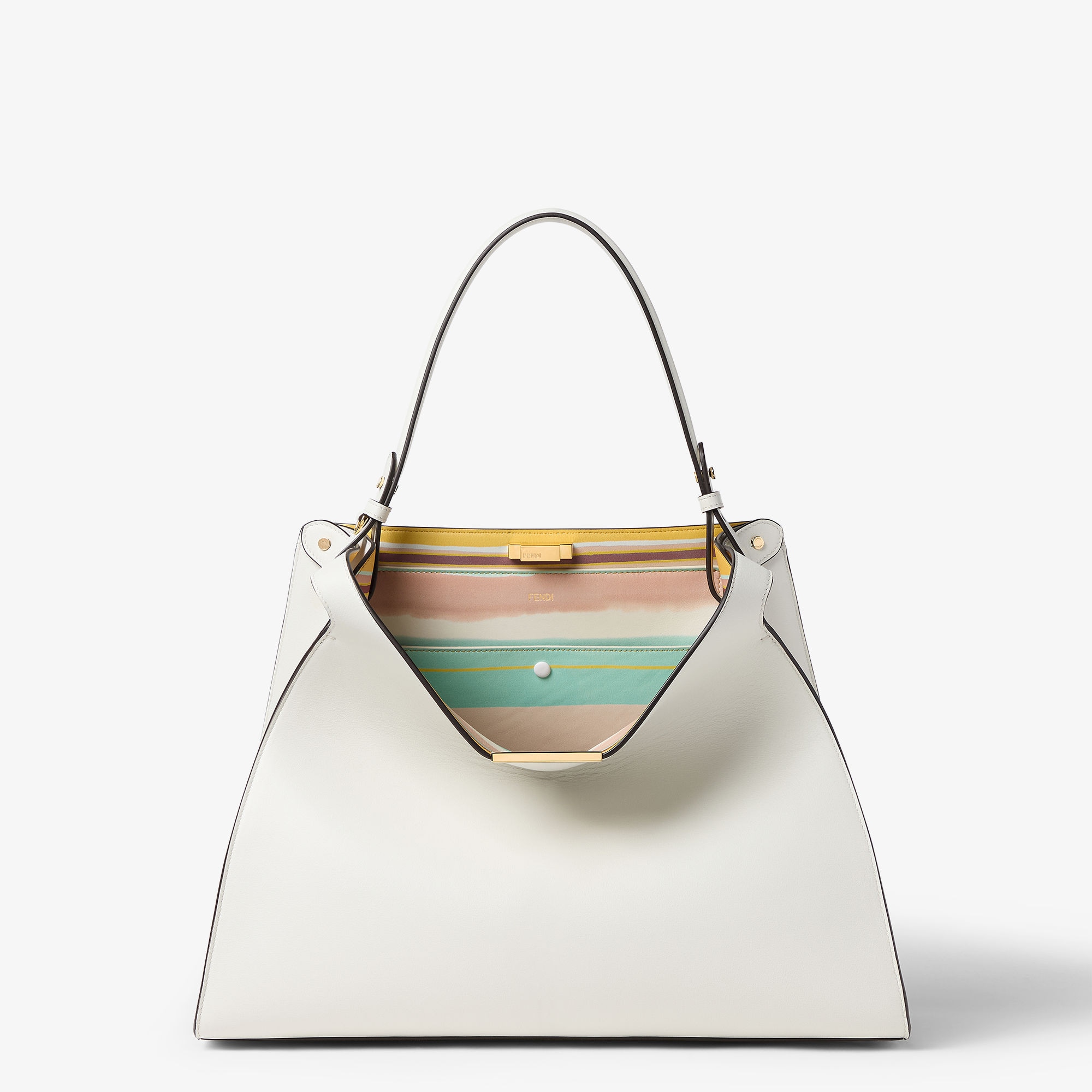
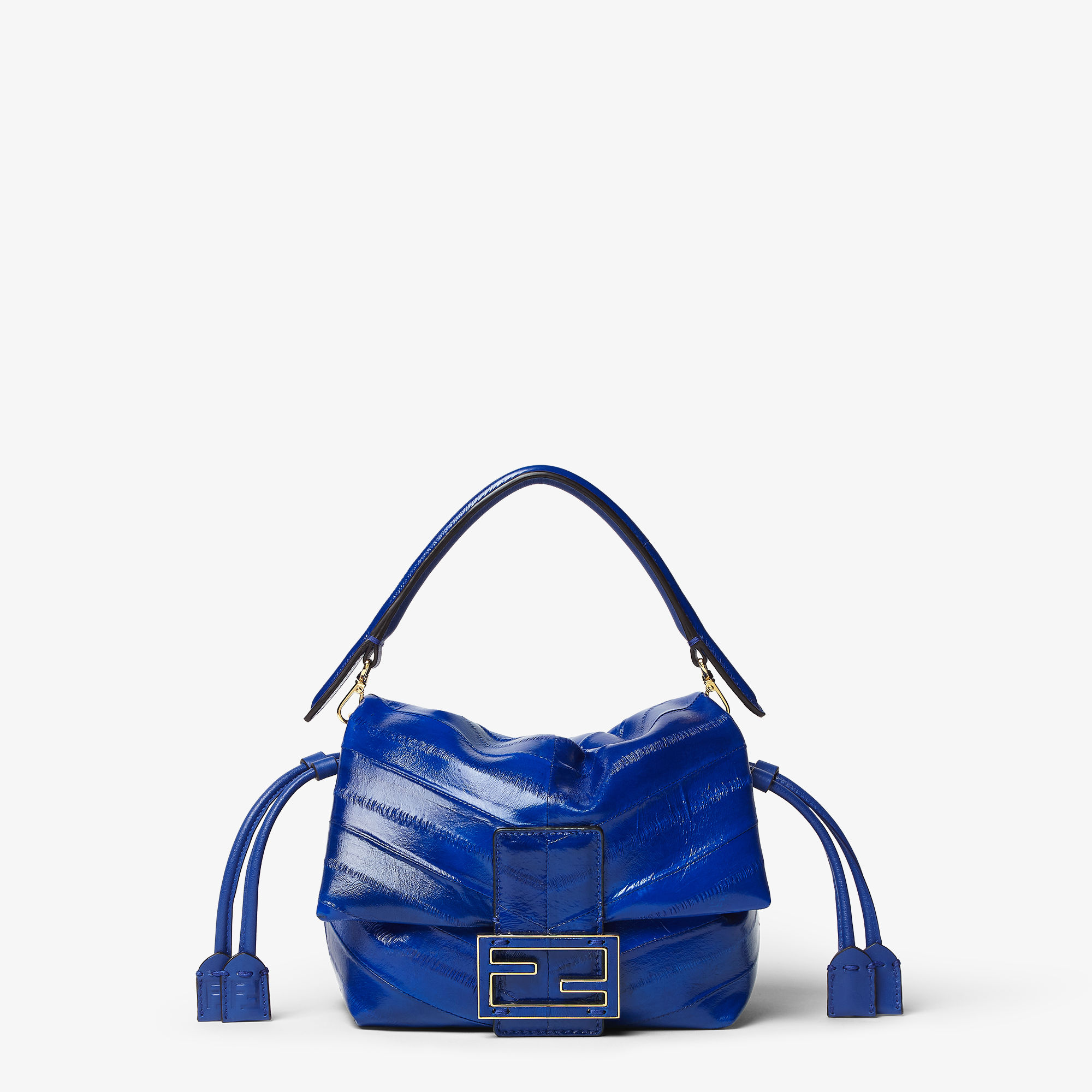
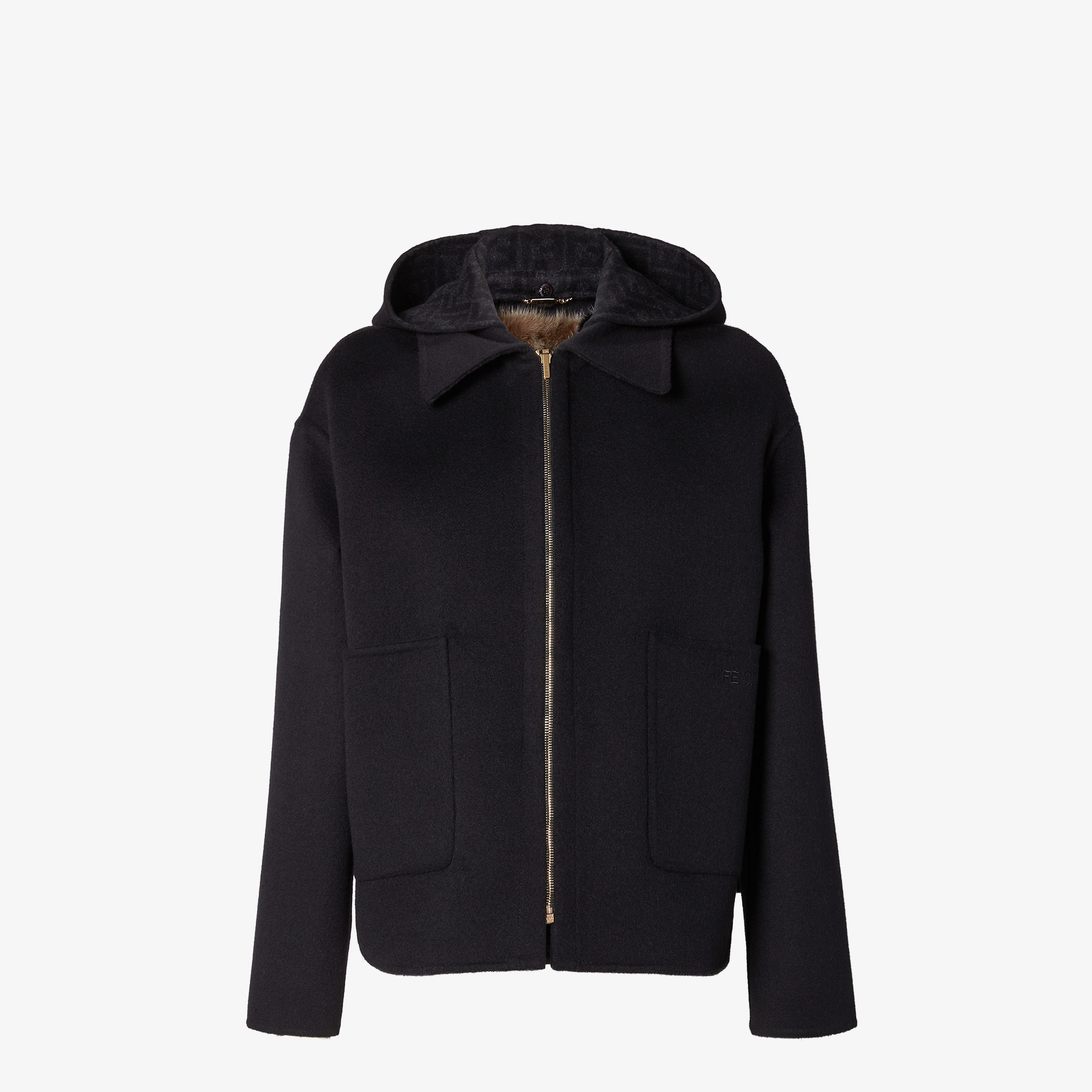
Fendi showed twenty-three iterations of the suit in its autumn-winter 2024 collection. The house is working in double-face wool and bonded technical fabrics that hold a clean line without interfacing. Silvia Venturini Fendi has stripped the construction back to what is essential: a shoulder seam that sits where the body's architecture says it should, a sleeve that tapers without pinching, a skirt that closes with a single hook rather than a waistband. The palette is dark—charcoal, ink, a brown so deep it reads as black under most light. The only interruption is the Fendi stripe, rendered as a inset band or a contrast topstitch, never as an appliqué.
The house is not interested in nostalgia. The silhouette references the 1997 Venturini collection, but the fabric technology is from this decade. The double-face wool has no lining because it does not need one. Both sides are finished. The seam allowances are bound in grosgrain and left visible on certain pieces, a deliberate choice that turns the inside into a second surface. This is not about hiding the work. It is about making the work part of the garment's language.
Valentino, three kilometres west, is taking a different position. Alessandro Michele's first collection for the house included suiting, but the jacket is longer and the skirt is pleated. The silhouette is softer, more 1970s than 1990s. Michele is working in wool crepe and silk faille, fabrics that drape rather than hold. The shoulder is natural. The waist is marked with a self-belt, not a seam. Where Fendi is showing discipline, Valentino is showing abundance—more fabric, more length, more movement.
Michele has also brought back the blouse. Not the shirt, the blouse. Silk georgette with a pussy-bow or a ruffle at the neck, worn under the suit jacket and allowed to bloom at the collar. Fendi is pairing its suits with fine-gauge knits in matching tones, eliminating contrast. Valentino is building contrast into every look. The effect is warmer, more textured, but also more decorative. The question is whether decoration is what the market wants right now.
Loro Piana is working in a third register. The house does not show on a runway. It releases collections through lookbooks and private appointments, and its autumn-winter 2024 offering includes a suit in Storm System wool, a fabric treated to repel water without a membrane. The jacket is unlined. The skirt has an elasticated back waist, a utility detail that would be unthinkable at Fendi. Loro Piana is not interested in the codes of tailoring as performance. The suit is a tool, and it should work in rain.
The three houses share a material intelligence, but they diverge on what the suit is for. Fendi is dressing a woman who understands that a clean line is a form of power. Valentino is dressing a woman who wants to be seen as well as respected. Loro Piana is dressing a woman who has stopped performing altogether and wants a garment that will keep up with her without complaint.
The broader market is watching. Max Mara has added a shorter jacket to its catalogue. The Row showed a narrow trouser suit in stretch wool. Khaite is working in similar proportions, though the fabric is heavier and the palette is lighter. The silhouette is not niche. It is being tested at multiple price points, which means it has moved past the experimental phase.
What this means for the next twelve months is a return to the idea that tailoring can be daily wear, not occasion wear, and that a suit is not a uniform but a frame—one that leaves room for the wearer to be specific about how she wants to be read.