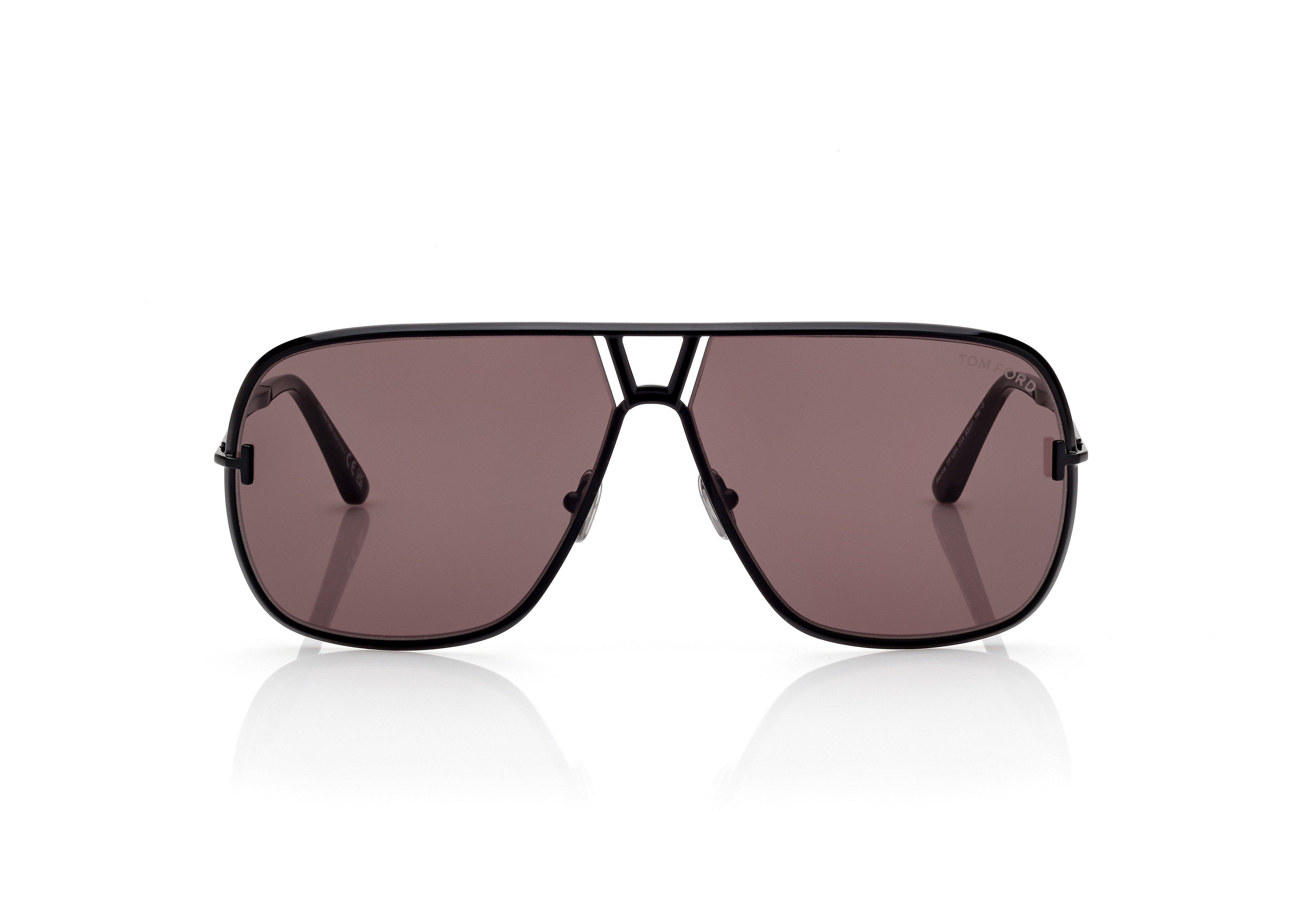
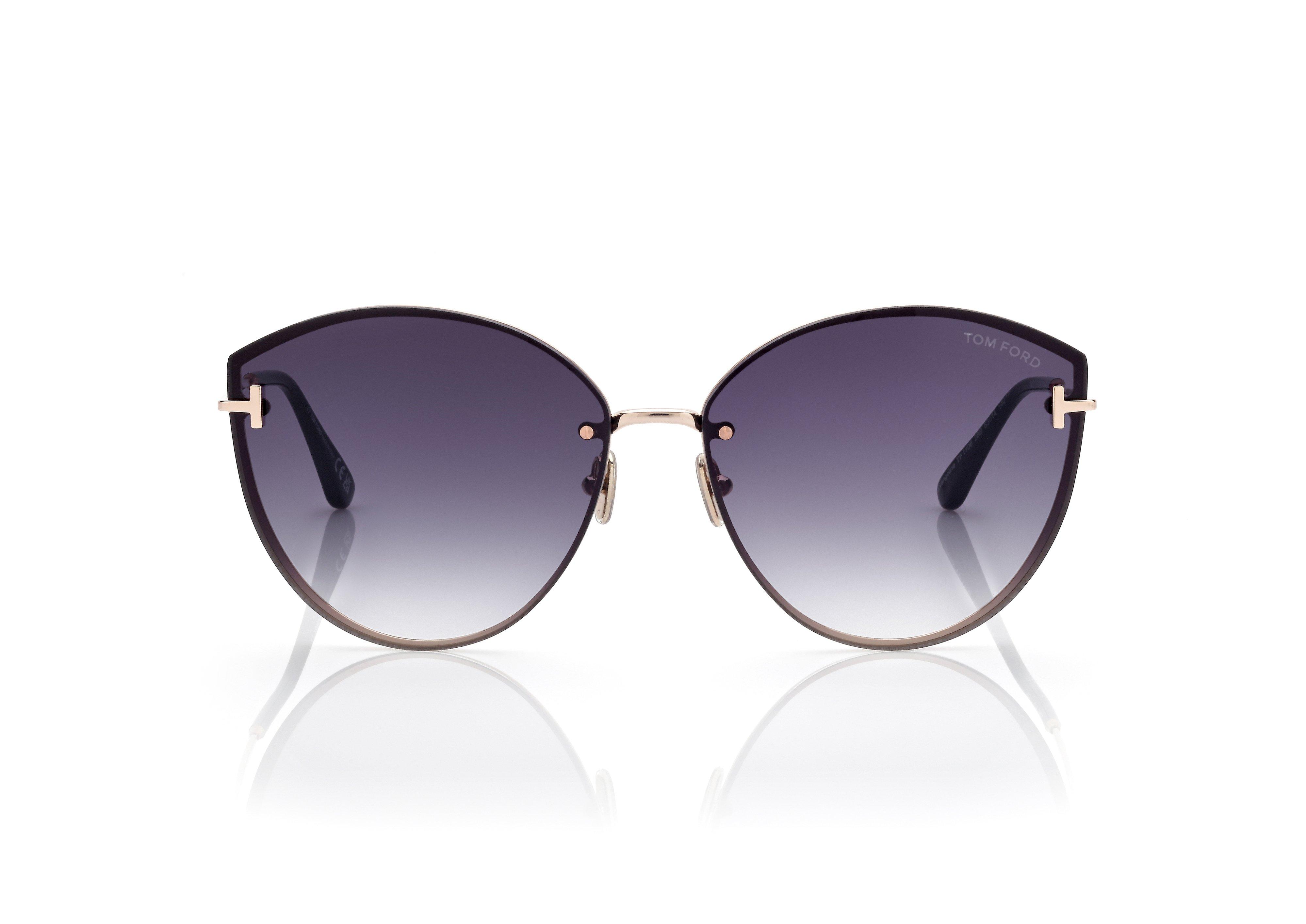
The Tom Ford silhouette right now
Tom Ford is cutting shoulders higher and narrower this season — a deliberate pivot away from the dropped, languid line that defined the house for the past four years. The jacket sits at the natural shoulder point now, sometimes half an inch above it, with a steeper sleeve pitch that reads almost military when you see it from the side. It's structured without being stiff, and it changes the way a torso moves through a room.
The shift showed up cleanly in the autumn/winter 2024 collection. Jackets came out in double-faced wool and cashmere, shoulders built up with a thin layer of wadding that gave shape without bulk. The lapels stayed wide — Tom Ford rarely narrows a lapel — but the shoulder itself pulled in, creating a longer visual line from collarbone to cuff. You could see the seam working harder. On a few pieces, the sleeve head sat proud by maybe three millimetres, just enough to register as intention rather than accident.
By spring/summer 2025, the house leaned further into it. Blazers in lightweight mohair and linen blends carried the same high shoulder, but the fabric was left unlined through the body, so the structure lived entirely in the top block. It's a specific kind of difficulty — holding a clean shoulder in cloth that wants to collapse — and it only works if the cutting is exact. Tom Ford's atelier has always been good at this. They know how to make a jacket that photographs like armour but wears like shirting.
The trousers followed. Mid-rise now, sitting just below the navel, replacing the low-slung cuts that had been in rotation since 2020. The leg stayed slim through the thigh and broke once at the ankle. Worn with the new jackets, the proportions tilt upward: more shoulder, higher waist, a longer sweep from hip to hem. It's a silhouette that asks you to stand differently. Hands in pockets reads as louche; hands at your sides reads as ready.
Three things are driving this. First, the tailoring customer has aged into wanting structure again. The oversized boyfriend blazer had its moment, but after four years it started to look like borrowed clothes rather than chosen ones. Second, eveningwear is pulling day silhouettes with it. Tom Ford's tuxedos have always carried a high, clean shoulder — now the daywear is catching up, so the house codes read consistently across categories. Third, and probably most honestly, the market has space for it. Kering's numbers need Tom Ford to own a lane, and right now that lane is grown-up, body-conscious tailoring that doesn't apologise for being designed.
You see it working in the outerwear too. The leather trench from the most recent collection has a shoulder that could support a winter coat twice its weight. The cloth is supple — lambskin, probably aniline-dyed — but the construction inside is firm enough to hold the drape exactly where the pattern wants it. When you lift your arm, the sleeve moves with you instead of pulling the whole body of the coat. That's not an accident. That's an extra hour of fittings and a sleeve head cut in three pieces instead of two.
Other houses are playing in this territory but coming at it differently. The Row's shoulder is lower and rounder, more about ease than architecture. Loro Piana is keeping things soft and unstructured, even when the tailoring is technically precise. Tom Ford is the only one building upward, sharpening the line, making the shoulder do visual work. It's closer to what Hedi Simons was doing at Celine five years ago than to anything happening in Milan right now.
The risk is that it dates fast. A strong shoulder is a timestamp. In three years, this could look as specific to 2025 as a wide-leg trouser looks to 2019. But Tom Ford has never dressed for three years out. The house dresses for right now, and right now the customer wants to look like they're going somewhere that requires a jacket.
What it means for the next twelve months: if you're buying Tom Ford tailoring, you're buying a silhouette that pulls your posture up and asks your wardrobe to meet it there.