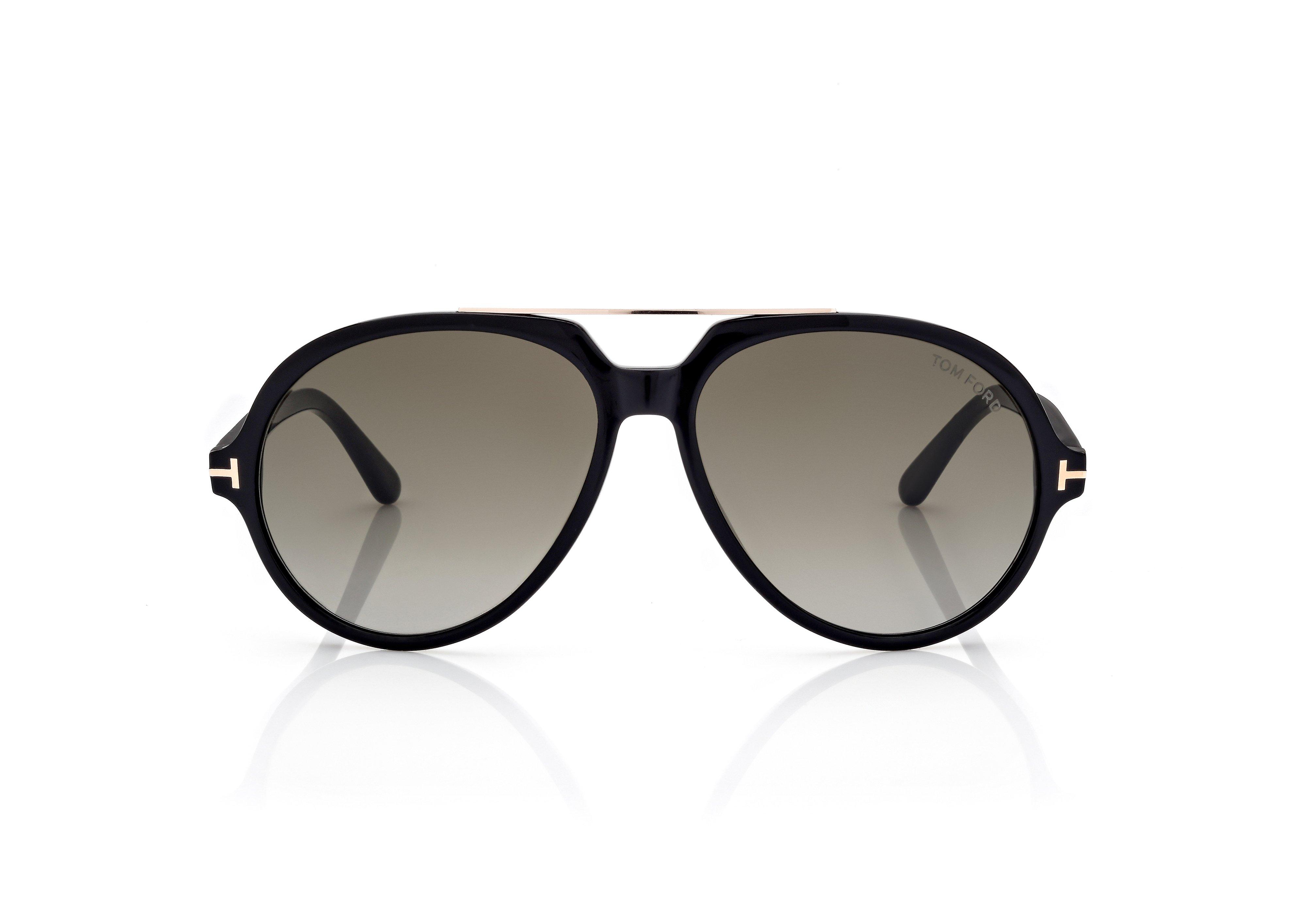
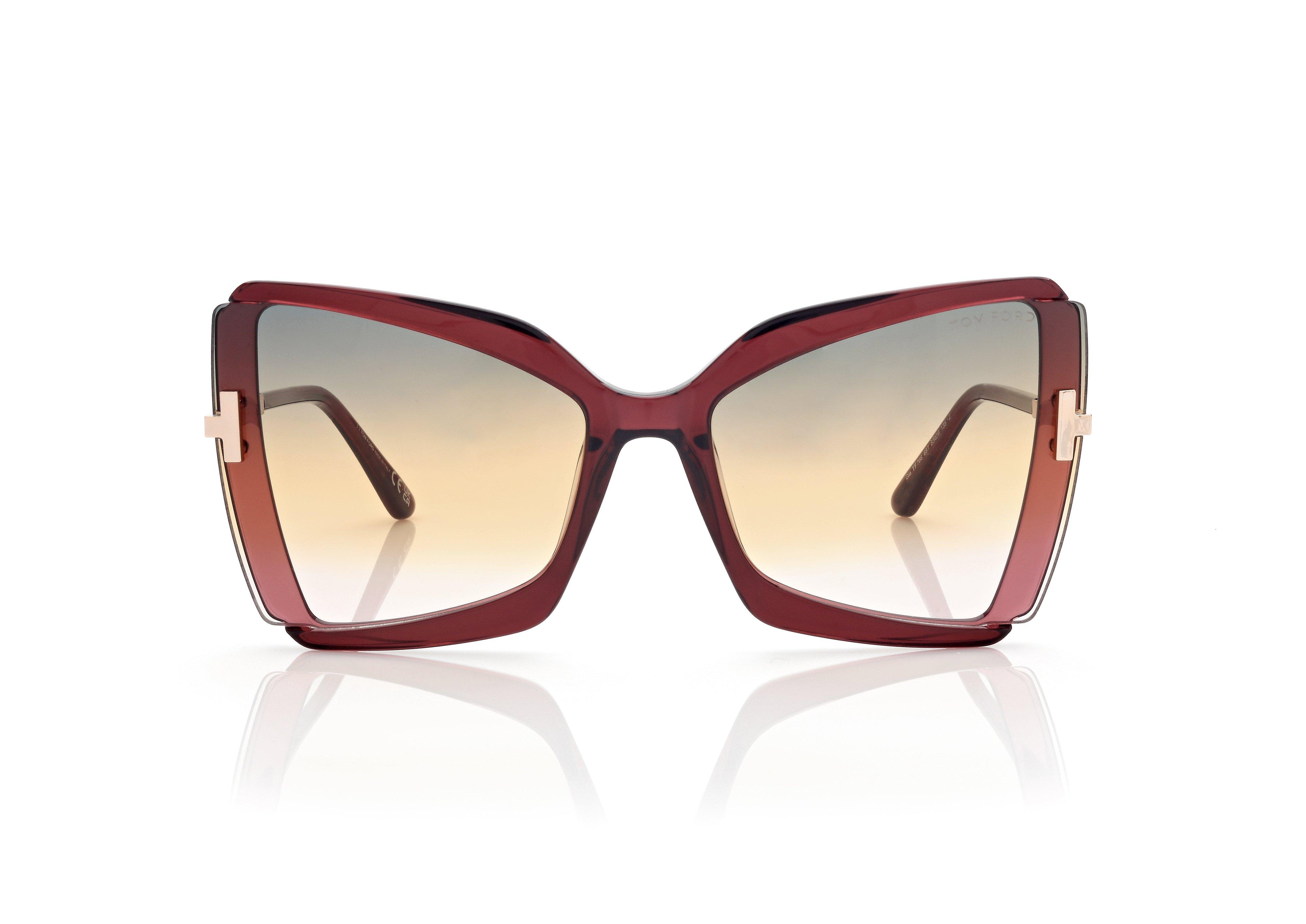
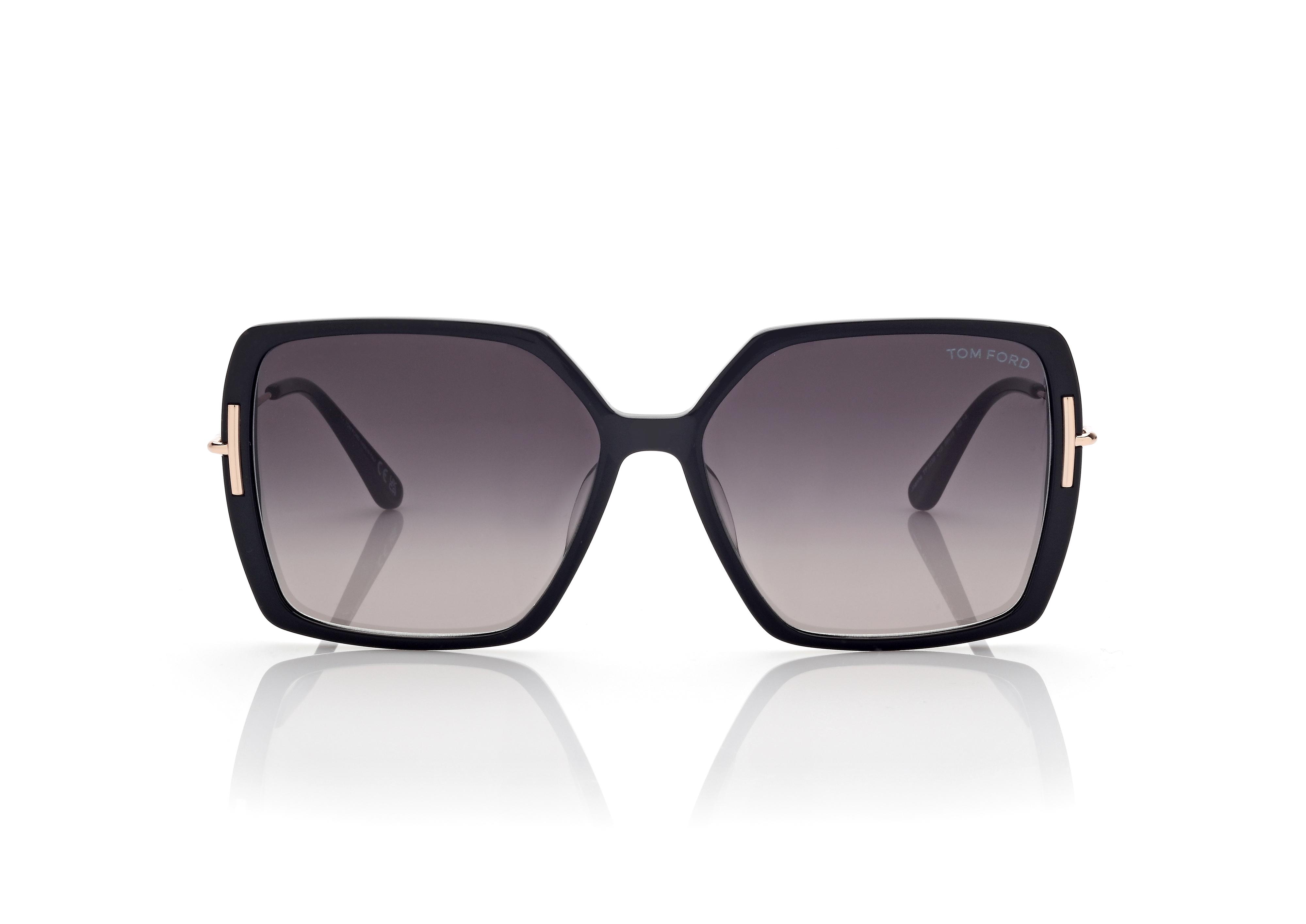
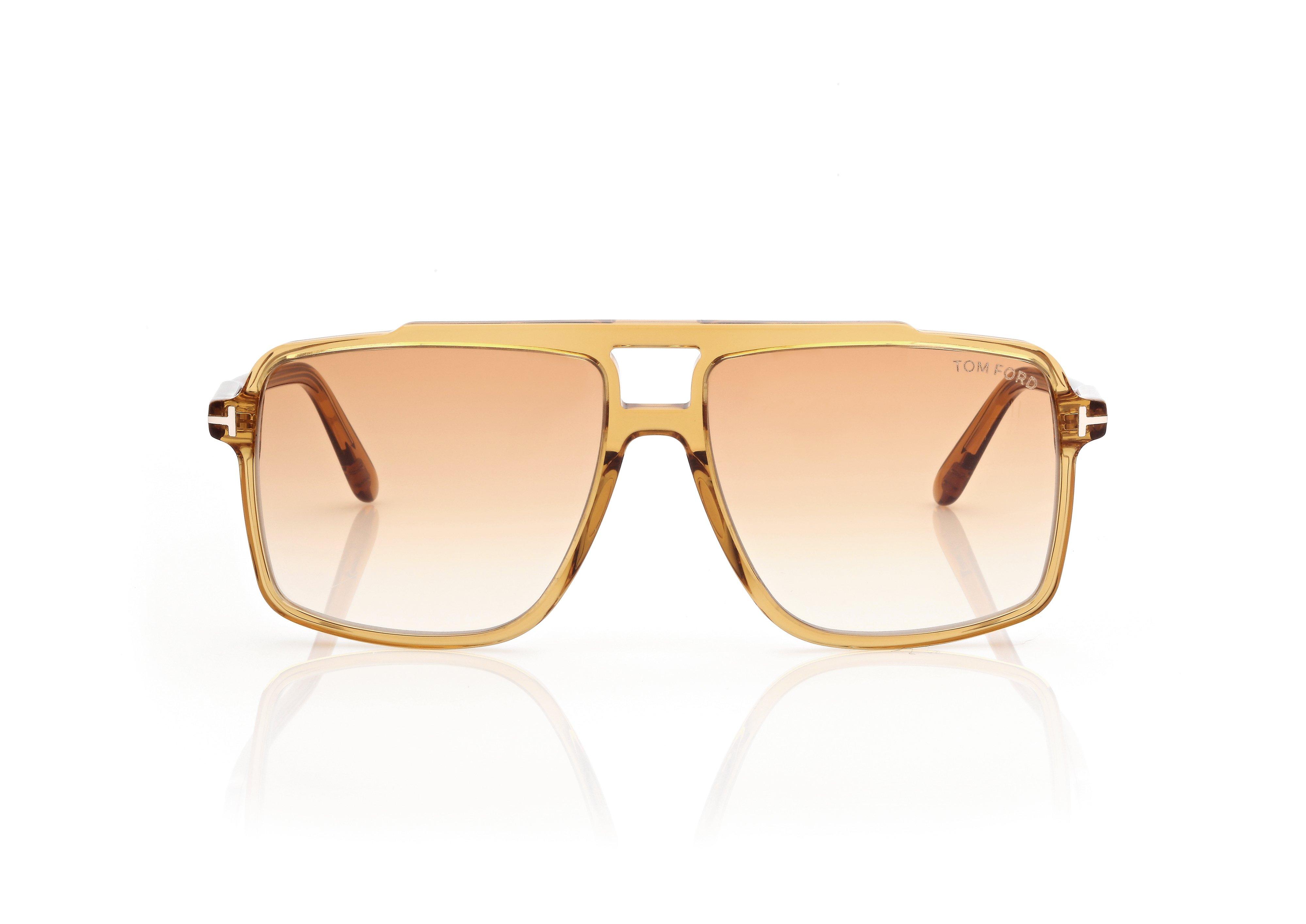
The waist is rising again
The waist is rising again. Not to the navel—this is not 2011—but to the natural point where a trouser should sit if a jacket is to close without strain. Tom Ford showed this in February, a mid-rise flat-front trouser cut slim through the thigh with a pressed crease that ended at a leather loafer. The silhouette is clean, almost austere, and it asks the wearer to stand differently. Slouch is no longer an option.
This marks a shift. For three seasons the dominant shape has been low-slung and wide, a trouser that pools at the ankle and sits below the hip bone. Comfortable, yes. But comfort in tailoring often signals the end of a cycle. Tom Ford's spring collection proposed something else: structure without excess, a return to the fitted torso and the narrow leg. The jackets are single-breasted, two-button, with a high gorge and a suppressed waist. The trousers taper. The shirt collar is spread but not exaggerated. It is a silhouette that reads as discipline.
Brioni and Zegna, Tom Ford's nearest neighbours in the luxury tailoring landscape, are working adjacent territory but arriving at different conclusions. Brioni's spring offering leaned into softness—unstructured shoulders, pleated trousers with a fuller cut, jackets in washed linen that suggest ease rather than rigour. The palette was sand and navy, the stance relaxed. A man in Brioni this season does not look like he is going to court or to close a deal. He looks like he has already closed it and is now on a terrace in Capri.
Zegna, by contrast, has been refining its own version of the new formality. The spring collection included high-waisted trousers, but they were cut wider through the leg, paired with double-breasted blazers in heavyweight wool and silk blends. The effect is volume tempered by precision—a controlled fullness. Where Tom Ford tightens, Zegna expands within a frame. Both are formal, but one is about containment and the other about generosity of cloth.
The distinction matters. Tom Ford's tailoring is not forgiving. The trousers sit where they sit, and if your posture is poor, the line will betray you. The jacket requires a torso that can carry a nipped waist. This is not clothing for the desk-bound or the permanently casual. It is clothing for someone who has decided that the shape of the body in cloth is worth the effort of maintenance.
This is also a question of reference. Tom Ford has always looked backwards with intention—to the 1960s, to the clean lines of American sportswear as filtered through European ateliers. The spring collection did not deviate. The models wore their hair short and combed back. The shoes were narrow. The accessories were minimal: a thin belt, a watch, nothing more. It is a look that assumes the wearer does not need ornament to signal status. The cut does that work.
Brioni, meanwhile, continues to position itself as the house of the Roman gentleman, a figure who values discretion and tactility over sharpness. The cloths are softer, the construction less rigid. Zegna has been moving towards performance tailoring—wool blended with technical fibres, breathable linings, a jacket that can survive a transatlantic flight and still look deliberate. Both are valid positions. Neither is as uncompromising as Tom Ford.
What does this mean in practical terms? If you buy into Tom Ford's spring proposition, you are committing to a silhouette that will not accommodate weight fluctuation or habitual slouching. You will need to have your trousers hemmed to the correct break, which is minimal. You will need shoes that do not add visual weight at the foot. You will need to accept that this is not the wardrobe of someone who works from home in sweatpants four days a week.
But if the past three years have been defined by ease and width, by the trackpant creeping into the tailored wardrobe and the blazer growing ever more relaxed, then Tom Ford's spring collection is the counterargument. It says that formality is not nostalgia. It says that a clean line still communicates something that a relaxed line cannot.
The question for the next twelve months is whether enough men are ready to stand up straight again.