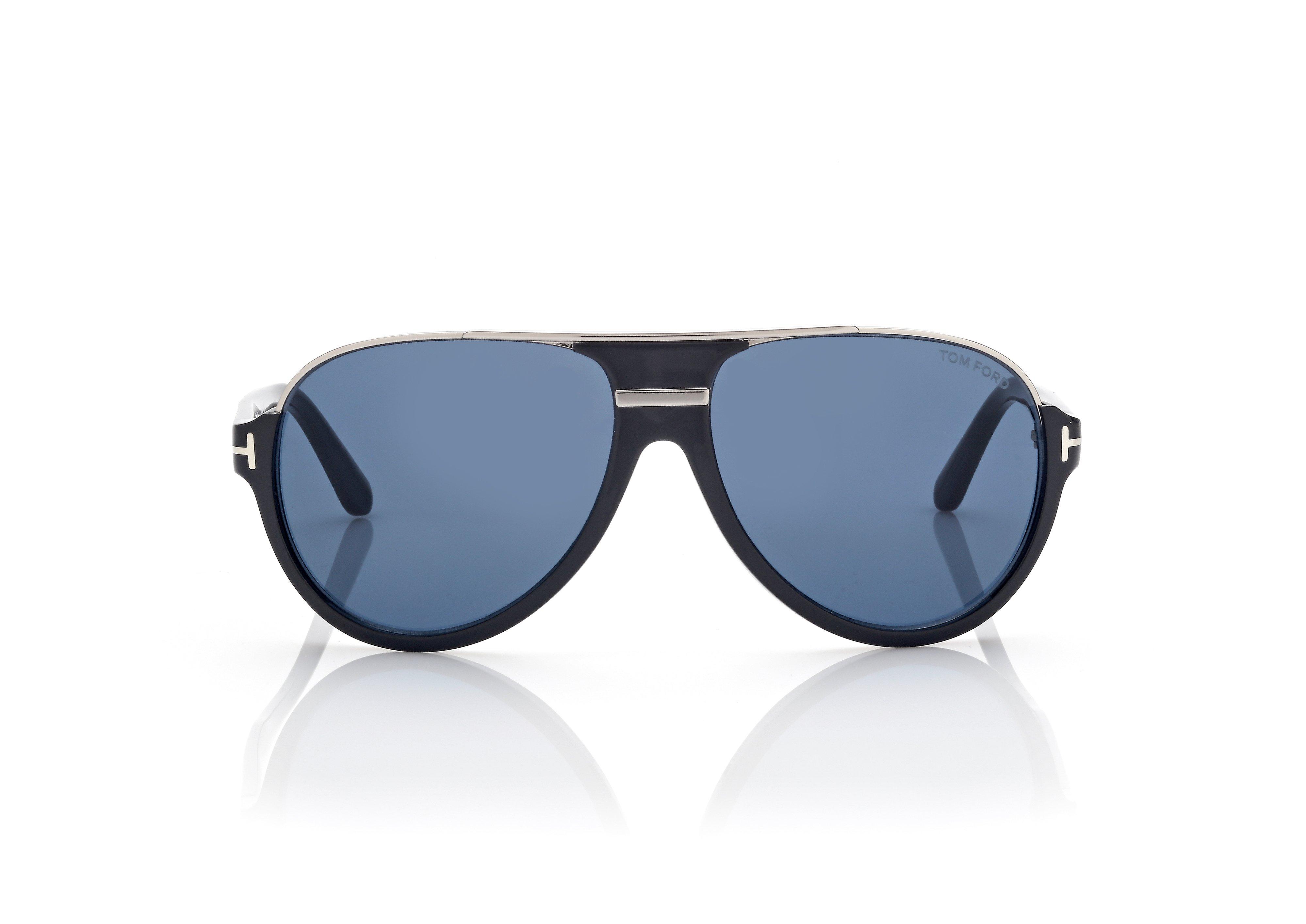
Tom Ford is cutting shoulders narrower and higher than it has in four years
Tom Ford is cutting shoulders narrower and higher than it has in four years. The silhouette that defined the house under its founder—wide, dropped, built on a pad the size of a cigarette box—has been replaced by a sleeve head that sits closer to the natural line. The jackets still have structure, but the structure now reads as internal, not architectural.
Spring 2024 showed it first. The double-breasted blazers came with a shoulder that ended where the deltoid does, not three centimetres past it. The effect was immediate: the torso lengthened, the waist sharpened, and the whole garment looked like it belonged to someone who moves through a room rather than commands it. By autumn, the shift had settled. Tom Ford's tailoring now assumes you're dressing for a dinner, not a boardroom. The distinction matters.
This isn't a retreat into softness. The jackets are still canvassed, still shaped with horsehair and linen interfacing. But the volume has migrated inward. Where the Ford-era pieces projected width, the current cut projects line. A single-button blazer from the autumn collection, shown in charcoal wool with a peak lapel, measured 44 centimetres across the shoulder on a size 48. Three seasons ago, the same size would have run 47. Three centimetres is the difference between a jacket that fills a frame and one that follows it.
The change didn't happen in isolation. Gucci's autumn men's show featured blazers with a similarly restrained shoulder, though Gucci's were softer through the chest and worn open. Prada's spring tailoring leaned into a compact, high-set sleeve that made the models look taller and narrower than the casting actually was. Even Zegna, which has spent the last five years dismantling the suit entirely, brought back a blazer with a defined shoulder—just not the one we had before. The industry is rebuilding the jacket, and it's rebuilding it smaller.
Tom Ford's version matters because the house has more at stake. The founder built his reputation on a silhouette that was legible from across a room: wide shoulders, narrow hips, trousers cut close through the thigh. It was a uniform, and it worked because it was consistent. The new direction risks alienating the customer who bought into that original proposition. But it also opens the house to a younger buyer who never wanted to look like they were dressing for a film premiere in 2004.
The trousers have followed. The pleated styles from spring sat higher on the waist—still below the navel, but no longer grazing the hip bone. The leg tapered from knee to ankle, but the taper was controlled, not aggressive. Worn with the new jackets, the effect was balanced in a way Tom Ford hasn't been in years. The silhouette no longer announces itself. It just is.
What's disappeared is the pad. The foam-and-felt structure that used to give Tom Ford jackets their signature shape has been replaced by a lighter canvas and a sleeve that's set with less pitch. The shoulder still has presence, but the presence is quieter. You see the fabric before you see the construction. That's a material shift for a house that used to lead with architecture.
It's also a shift that reflects where tailoring is now. The customer who wants a jacket that broadcasts authority can still find it—Brioni and Kiton are still cutting in that register—but the Tom Ford client has moved on. The new shoulder works because it fits into a wardrobe that includes knitwear, outerwear, and trousers that aren't part of a suit. The old shoulder required the whole costume. This one doesn't.
The question is whether the house can hold both. Tom Ford still produces the wider-shouldered styles—they're in the permanent collection, and they still sell—but the energy has shifted to the new cut. The lookbooks prioritise it, the editorial placements feature it, and the retailers are ordering it in depth. The wider shoulder is becoming the archive piece, which is a strange position for a house that's only twenty years old.
To dress in this for the next twelve months is to accept that the jacket has stopped performing and started accompanying.