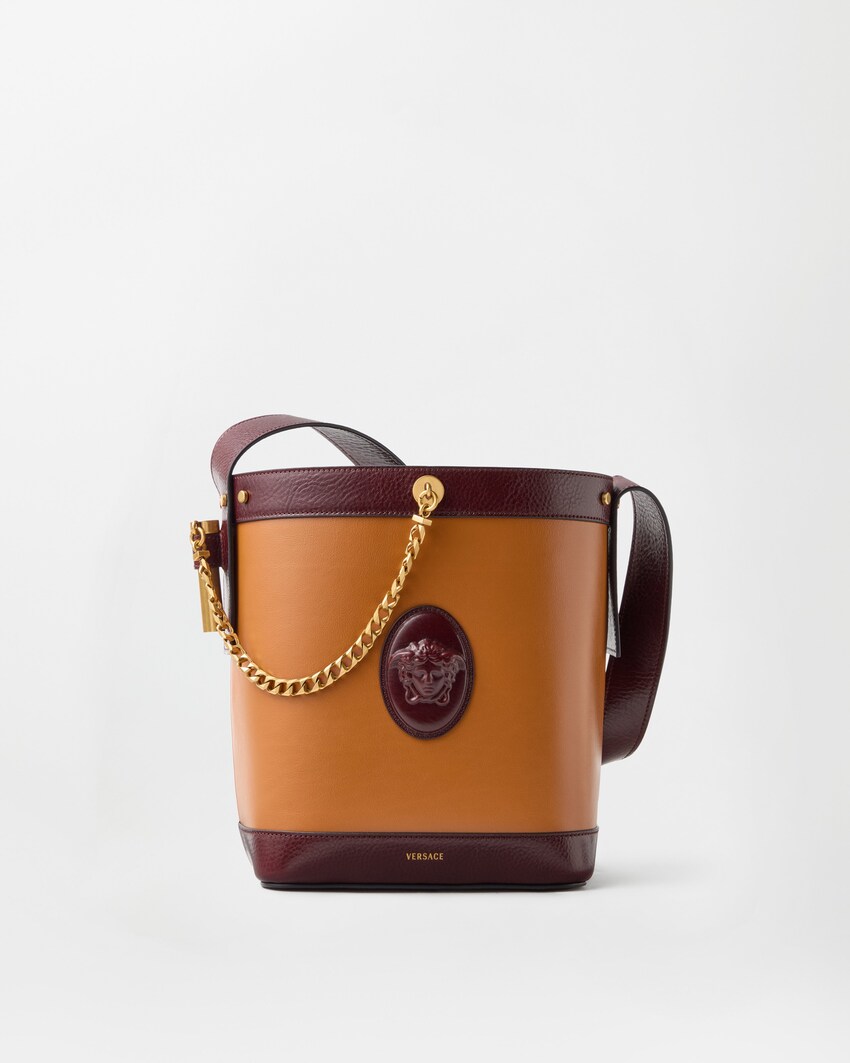
Versace's archive comes back
Versace is re-releasing pieces from 1994 to 2003, most of them from the late Gianni's tenure and the early Donatella years. Not reproductions—actual archive codes, cut from the original patterns, in some cases with the same Italian mills that wove the silk faille twenty-eight years ago. The house calls it Vault, and the first drop went live in November with thirty-six pieces priced between €890 and €4,200. Half sold out in eleven days.
This isn't nostalgia. It's infrastructure. Versace has realised it owns something most houses don't: a catalogue of pieces people already want, designed when the atelier still numbered each muslin and kept the toiles. Reissuing archive isn't about heritage—it's about having an answer when sample-sale resellers are moving your 1997 bias-cut slip for twice what it retailed at the time.
What's Actually Being Reissued
The first Vault release skews heavily toward the kind of pieces that photograph clearly: the Spring 1995 safety-pin dress (not Liz Hurley's exact one, but the same construction), a 1991 Marilyn-print bodycon in matte jersey, the metal-mesh halter from Spring 2000. These are pieces that have visual equity. You don't need to explain them in a caption.
But there are quieter inclusions. A 1999 tailored blazer in black wool with a Medusa-embossed button. A 2002 leather pencil skirt, no hardware, just a back vent and a waistband wide enough to sit flat. These pieces suggest Versace is thinking past the initial headline. The safety-pin dress will move units in the first quarter. The blazer is what someone buys in month seven when the conversation shifts.
The house has also reissued the Medusa Aevitas platform—originally from Spring 2022, but now treated as archive because it became unavailable within six months and started reselling at a 40 per cent markup. Versace is learning the same lesson Prada learned with the nylon backpack: if the secondary market is pricing you out of your own customer base, reissue becomes a defensive move.
Why Now, and Who Else
Versace isn't alone. Margiela has been selectively reissuing Tabi boots in colourways that never went to production—archived samples that existed only in the atelier. Fendi brought back the Baguette in 2019 and hasn't stopped since; the bag now accounts for roughly a fifth of the house's leather-goods revenue, though Fendi won't confirm that on record. Gucci reissued the Jackie in 2020 with seven size options and a wider strap, then followed with the Horsebit 1955 a season later. All of these moves happened in the same thirty-month window.
The timing isn't accidental. These houses looked at their seasonal sell-through rates during the pandemic and saw something clarifying: people were buying old codes at higher conversion than new ones. Not because the new work was weak—because the old work had already been vetted. A customer buying a 1997 Baguette or a 1955 Horsebit isn't taking a risk on whether the bag works. She's seen it work for twenty years.
There's also a production advantage. Reissuing archive means you're not developing from zero. The pattern exists. The hardware supplier is often still in business. You're not paying a design team to iterate through six rounds of prototypes. You're paying an archivist to pull a file and a product team to re-source the materials. The cost structure is different, and the margin is better.
What It Means for the Next Twelve Months
If you buy into Vault, or into any of the archive reissues currently in market, you're not buying retroactively. You're buying into the only part of the fashion calendar that isn't moving at collection pace. These pieces won't be replaced in six months by a new shape with a new name. They'll still be here, or they'll be gone because Versace pulled them, not because the season turned over.
That steadiness is the point. The customer who wants the safety-pin dress doesn't want the 2025 interpretation of it—she wants the 1995 version, the one that already has a reference image in her head. Versace is finally selling her that, instead of trying to convince her the new one is close enough.
For the next twelve months, dressing in archive reissues means you're wearing the only pieces in your wardrobe that aren't subject to the collection cycle. Everything else you buy this year will be old by next spring. The Vault pieces were already old in 1995. They're not aging anymore. They've aged.