Alexander McQueen operates at a specific altitude
Alexander McQueen operates at a specific altitude. The house doesn't ask you to buy into a lifestyle or a founder's mythology—it asks you to accept a certain darkness as wearable. That sounds like marketing copy until you handle the product. The leather is heavier than you expect. The hardware sits flush but catches light at angles that feel engineered. The silhouettes reference historical tailoring and then refuse to resolve cleanly. This isn't accessible luxury. It's luxury that makes you work a little.
Starting with McQueen means understanding what the house does unusually well: structured leather goods with a gothic undertow, shoes that reframe proportion, and ready-to-wear that assumes you're comfortable standing out. The question isn't whether a piece will last—most of it is overbuilt to the point of stubbornness—but whether you're prepared to wear something that doesn't apologise for itself. If you're coming from softer houses, the aesthetic won't meet you halfway. If you've been circling McQueen for a season or two, the entry points below assume you're ready to commit.
What follows isn't ranked by importance. It's grouped by budget, then refined by what actually moves through the market without losing value or looking like a mistake two years later.
Under €600: The Skull Card Holder
The skull card holder is where most people start, and it's not a bad place. The embossed or enamelled skull motif sits centred on grained calf, sized to hold four cards and folded bills without bulking a jacket pocket. It's been in rotation since 2017 with minor hardware updates, which means it reads as house signature rather than seasonal novelty.
Two things make this work as an entry piece. First, the leather quality is consistent with McQueen's higher-tier goods—same tanneries, same hand. Second, the skull here is restrained enough to function in contexts where a full Skull Clutch would overpower. You can use this at a corporate dinner without it becoming the only thing people remember about you.
The risk is that it feels like a stepping stone, which it is. If you're certain McQueen's aesthetic suits you, skip this and put the €400 toward something with more surface area.
€800–€1,200: Oversized Sneakers
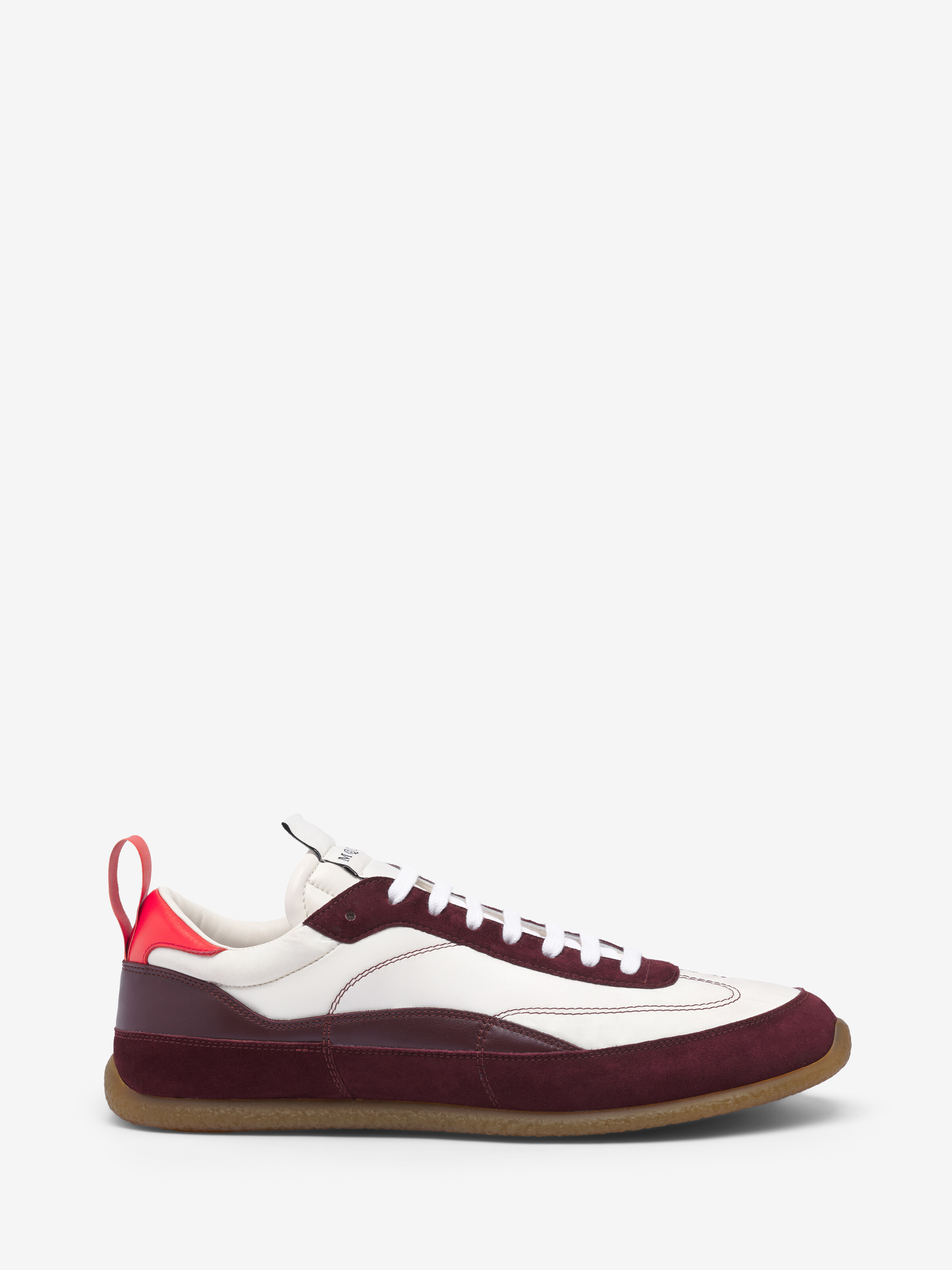
The Oversized sneaker—lowercase 'o' in marketing, uppercase in every resale listing—has become the house's most recognised silhouette outside the runway. Launched in 2015, it's a chunky low-top with an exaggerated padded heel counter and the house name debossed along the side. Proportions are deliberately clumsy. On foot, they reframe tailored trousers and make denim feel considered.
What separates these from other statement sneakers is the build. The leather is thick enough that creasing takes months to set in. The rubber sole is Margom, which means it won't compress into mush after a season of pavement. And the last is wider than most Italian makers cut, so if you've been sizing up in Common Projects, you'll likely take your true size here.
Colourways rotate, but the white-with-black-heel-tab version holds value better than seasonal treatments. The all-black pair works if your wardrobe skews dark, but it loses the visual tension that makes the silhouette interesting. Expect these to last four years of regular rotation before the sole needs a resole, which any competent cobbler can handle.
€1,500–€2,000: The Jewelled Satchel
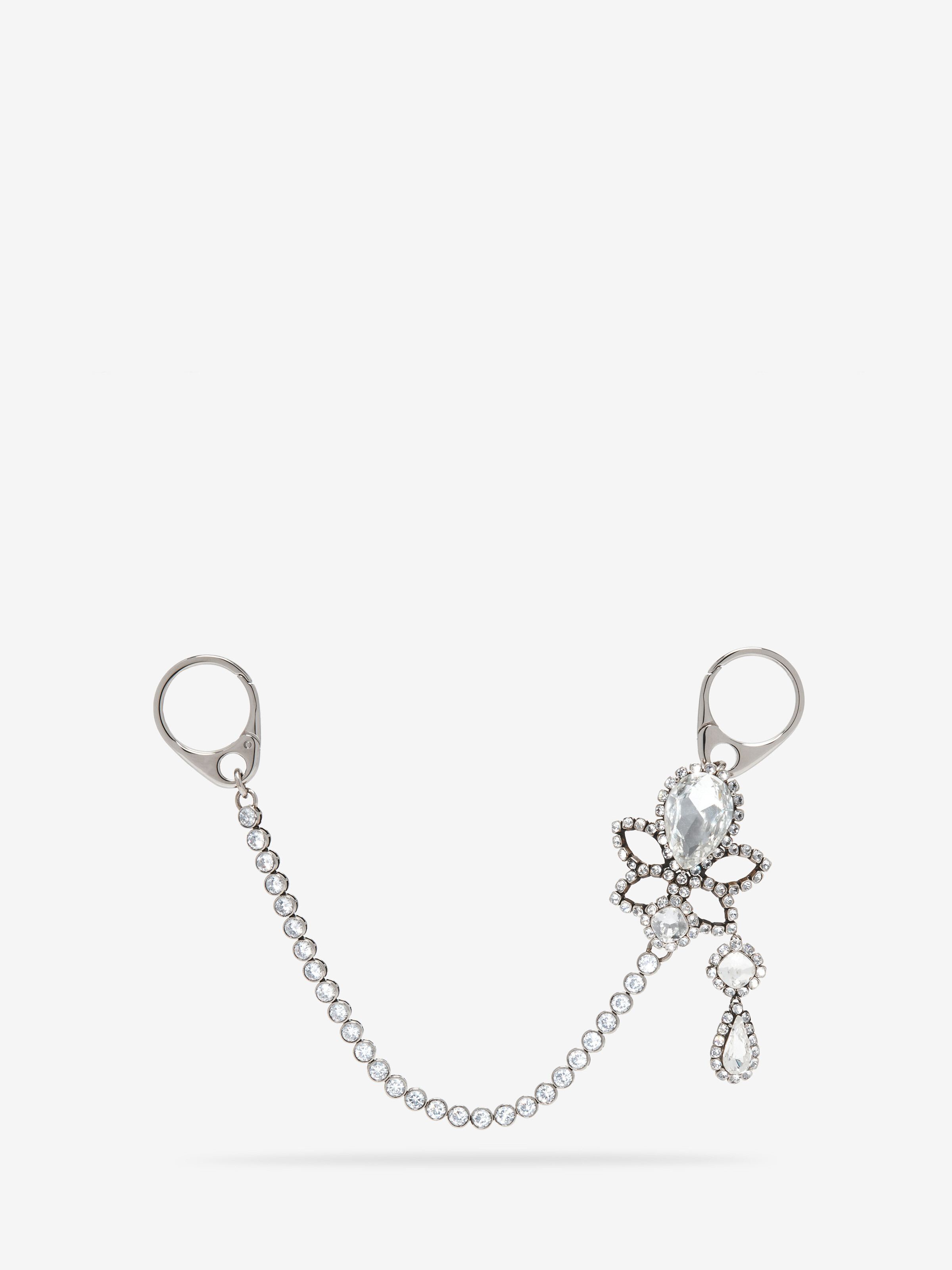
The Jewelled Satchel is McQueen's answer to a structured top-handle, and it's the first bag in the line that feels like a full statement. The frame is rigid calf, the hardware is antiqued brass, and the signature element is a knuckleduster-style handle adorned with Swarovski crystals in skull or floral formations. It's theatrical without tipping into costume.
Capacity is deceptive. The interior is partitioned but not overly segmented, so it holds a day's worth of essentials—phone, cardholder, keys, a paperback—without rattling. The short handle forces you to carry it in-hand or crooked in the elbow, which is a deliberate choice. This isn't a bag that disappears into your routine. It's a bag that reframes the outfit around it.
Two considerations before buying. First, the crystals require maintenance. You'll need to check the settings every six months and have any loose stones reset before they drop. Second, this bag photographs intensely, which means it's recognisable. If you prefer accessories that operate quietly, the Jewelled Satchel won't give you that.
The resale market is stable but not robust. You'll recover 60–70% of retail if you sell within two years, assuming the hardware hasn't tarnished and the crystals are intact.
€2,200–€3,000: The Curve Bag
Introduced in 2020, the Curve bag is McQueen's most architectural piece in current rotation. The body is a single piece of moulded calf that arcs into a crescent, with a chain strap that's substantial enough to feel like jewellery. It's available in clutch and shoulder iterations; the shoulder version is more versatile, the clutch more committed.
This is where McQueen's leather selection becomes visible. The calf is drum-dyed and buffed to a matte finish that doesn't show fingerprints but will patina unevenly if you wear it in wet conditions. The structure is maintained by internal boning, which means the bag holds its shape empty or full. That's useful in practice and crucial in resale—collapsed bags lose half their value.
The Curve works because it's strange enough to register as McQueen but wearable enough to rotate regularly. It pairs with suiting, with denim, with bias-cut slip dresses. The chain strap can be shortened or removed entirely, which gives you three carry options from one piece.
Retail has held steady since launch, and the secondary market hasn't flooded yet. If you're buying this as a long-term hold, condition matters more than colour. Black and burgundy move fastest, but the seasonal shades—forest, slate, oxblood—will appreciate if kept pristine.
€3,500 and Up: Tailored Outerwear
If you're allocating four figures to McQueen, the tailoring is where the house's heritage sharpens into something you can't find elsewhere. The single-breasted wool coats with nipped waists and exaggerated shoulders, the leather biker jackets with anatomical seaming, the double-breasted blazers cut long enough to function as light coats—these pieces assume you understand what Sarah Burton has been building since taking over in 2010.
The construction is Savile Row-adjacent but not bound by its rules. Canvassed fronts, pick-stitched lapels, functional sleeve buttonholes—then a waist suppression that would make a traditional tailor uncomfortable. The result is outerwear that photographs like armour and wears like a second skin once the canvas breaks in.
Expect a six-month break-in period for structured wool pieces. The shoulders will settle, the waist will mould to your frame, and the lapels will develop a roll that's yours. Leather pieces take longer—sometimes a full year—but the payoff is a jacket that looks like it was made for you even though it came off a rack.
Resale on tailoring is unpredictable. Sizing is specific, and McQueen's cuts don't translate across body types. If you're buying to keep, this is the category where that makes sense.
A Note on Care
McQueen's leather goods require more attention than most accessible luxury. The hardware tarnishes if not wiped down after wear. The structured bags need to be stored upright with dust bags, never stacked. The shoes benefit from cedar trees and a rotation system—don't wear the same pair two days running.
For major pieces, establish a relationship with a leather specialist who understands rigid constructions. McQueen's after-sale service is competent but slow, and most repairs can be handled locally if you're working with someone who knows how the pieces are built. Condition the leather twice a year with a neutral cream. Avoid water entirely. Store in a climate-controlled space if possible.
Treated correctly, most McQueen pieces will outlast your interest in them. The question is whether you'll still want to wear something this uncompromising five years on. If the answer is yes, start now.