Alexander McQueen sits in an odd position in the market
Alexander McQueen sits in an odd position in the market. It's a house that spent two decades making clothes that scared people, then spent the next decade making sneakers that everyone wore to brunch. Both are true. Both matter. If you're considering your first piece from the house, you're inheriting that tension — and that's not a bad thing. McQueen's strength has always been its refusal to soften entirely, even when the product mix suggests otherwise.
What 'good' looks like here isn't about chasing the skull motif or the archive references. It's about finding the pieces where the house's technical rigour shows up in construction you can feel. McQueen does tailoring that sits closer to the body than most British houses allow. It does leather that's often stiffer, darker, heavier than the Italian approach. The jewellery leans gothic without tipping into costume. You're looking for pieces that hold their shape and their attitude in equal measure — things that don't apologise for taking up space in a wardrobe.
The budget bands below reflect what the house actually charges, not what we wish it did. McQueen doesn't do accessible. It does entry-level, mid-tier, and the kind of outerwear that requires a conversation with your accountant. Start where the construction justifies the cost, not where the logo does the talking.
Under €600: Jewellery and Small Leather
The Skull card holder is the obvious move, and for once the obvious move is the correct one. Calf leather, clean lines, the house's signature clasp doing actual structural work rather than decorative posturing. It's flat enough to slip into a jacket pocket, holds six cards without stretching, and the hardware doesn't tarnish after a season of handling. You'll find it in black, occasionally in burgundy or navy during pre-collections. Around €350, depending on where you're buying.
If jewellery makes more sense, the thin Skull bangle is a better entry than the chunky cuff most people reach for first. The narrow version in brass or silver-tone sits at the wrist bone without sliding, works under a shirtsleeve, doesn't announce itself from across a room. McQueen's jewellery can veer theatrical; this one doesn't. Roughly €450, and it's one of the few pieces in the house's accessories range that hasn't crept up in price every six months.
Avoid the logo-stamped zip wallet. It's the same leather as the card holder, but the structure doesn't justify the extra €150, and the logo treatment feels like it was designed for a different customer.
€600–€1,200: Scarves and Belts
The silk-modal scarves are where McQueen's print archive becomes wearable without requiring a stylist. The house runs seasonal prints — some pulled from Sarah Burton's collections, some from Lee Alexander McQueen's own work — on a 100 × 100 cm square. The fabric weight is heavier than Hermès, lighter than a wool stole. It holds a knot, doesn't slip off a coat collar, and the modal content means it doesn't wrinkle into permanent creases after one wearing. Expect to pay €550 to €650.
The house's leather belts deserve attention if your waist size is stable. McQueen's approach to belts is more structured than most: thicker calf, edge-painted rather than raw-cut, hardware that's riveted rather than screwed. The classic double-wrap style works best at a 75 cm or 80 cm length, depending on whether you're wearing it on trousers or over a coat. Around €600. The wider versions with oversized buckles are harder to place — they're statement pieces that require a very specific wardrobe to support them.
Skip the printed canvas tote bags. They're priced like leather but don't hold up like it. The canvas softens too quickly, the straps stretch, and the house's logo treatment on canvas always feels like it's trying harder than the leather goods do.
€1,200–€2,500: Sneakers and Handbags
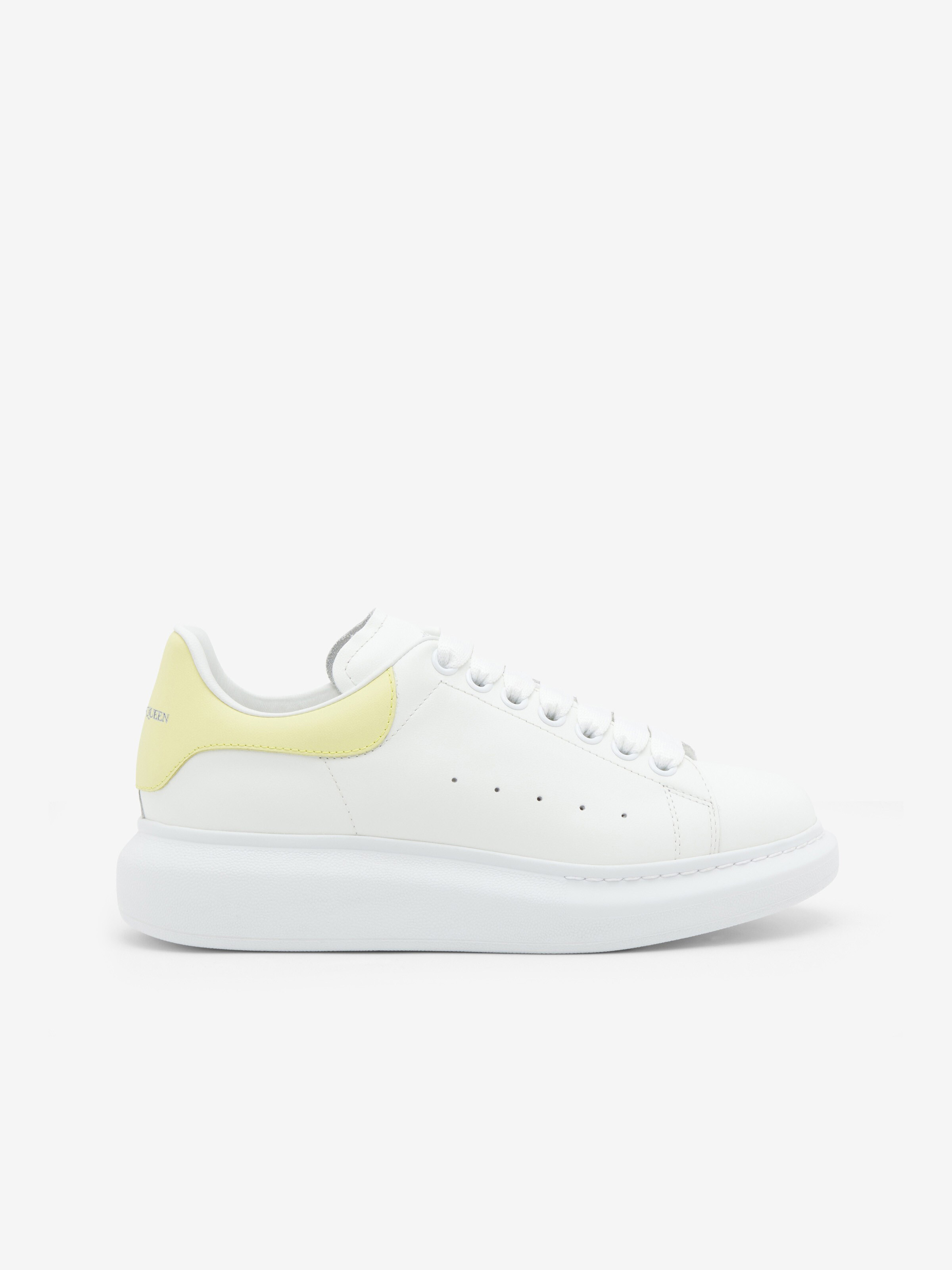
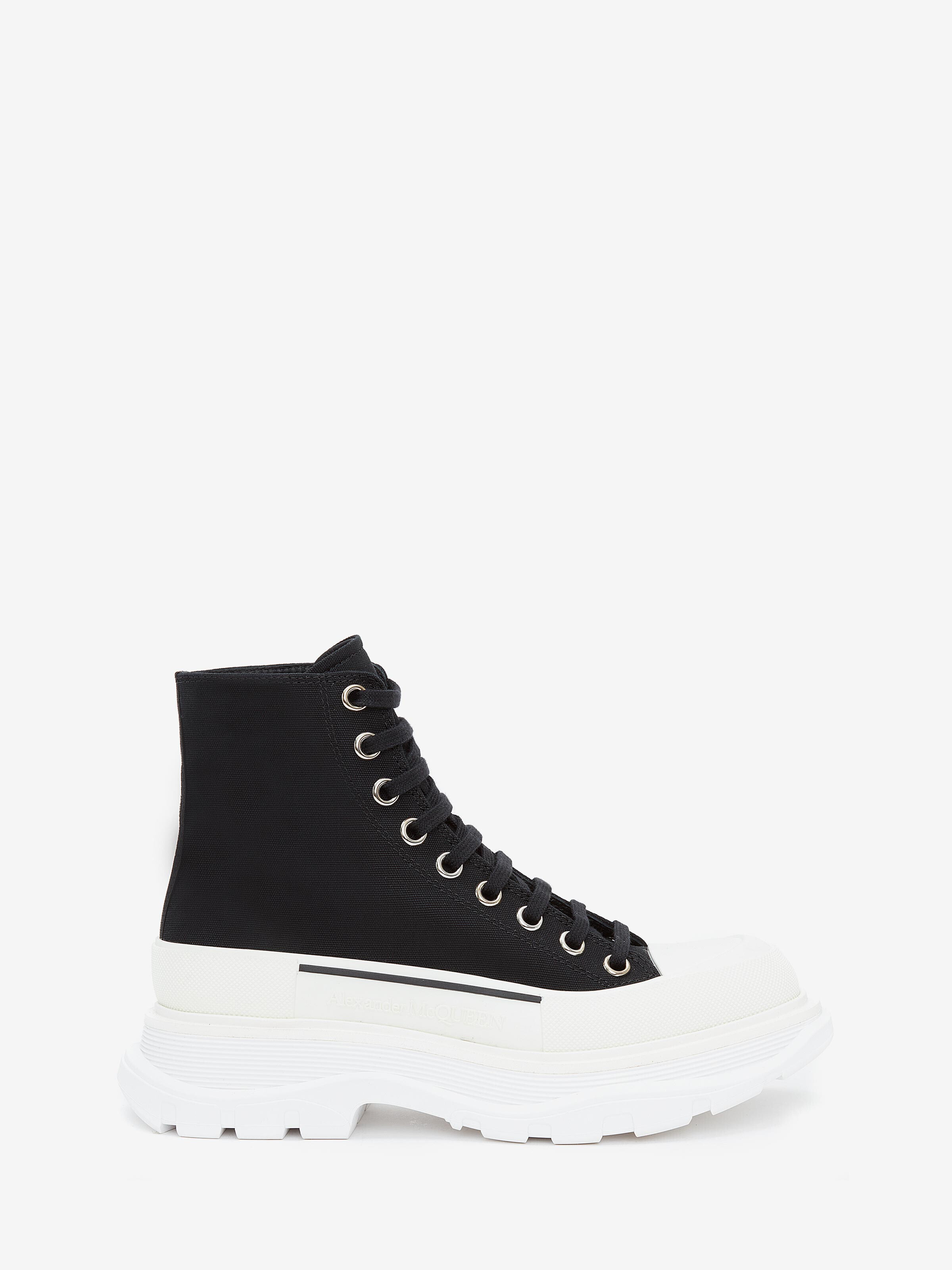
The Oversized sneaker is no longer new, but it remains the most technically sound sneaker the house makes. Exaggerated sole, clean calf upper, heel tab in contrasting leather. It's been copied enough that the original now reads almost restrained. The construction is solid — cemented sole, stitched heel counter, leather lining that doesn't collapse after a season. Around €590, occasionally on markdown if you're a common size.
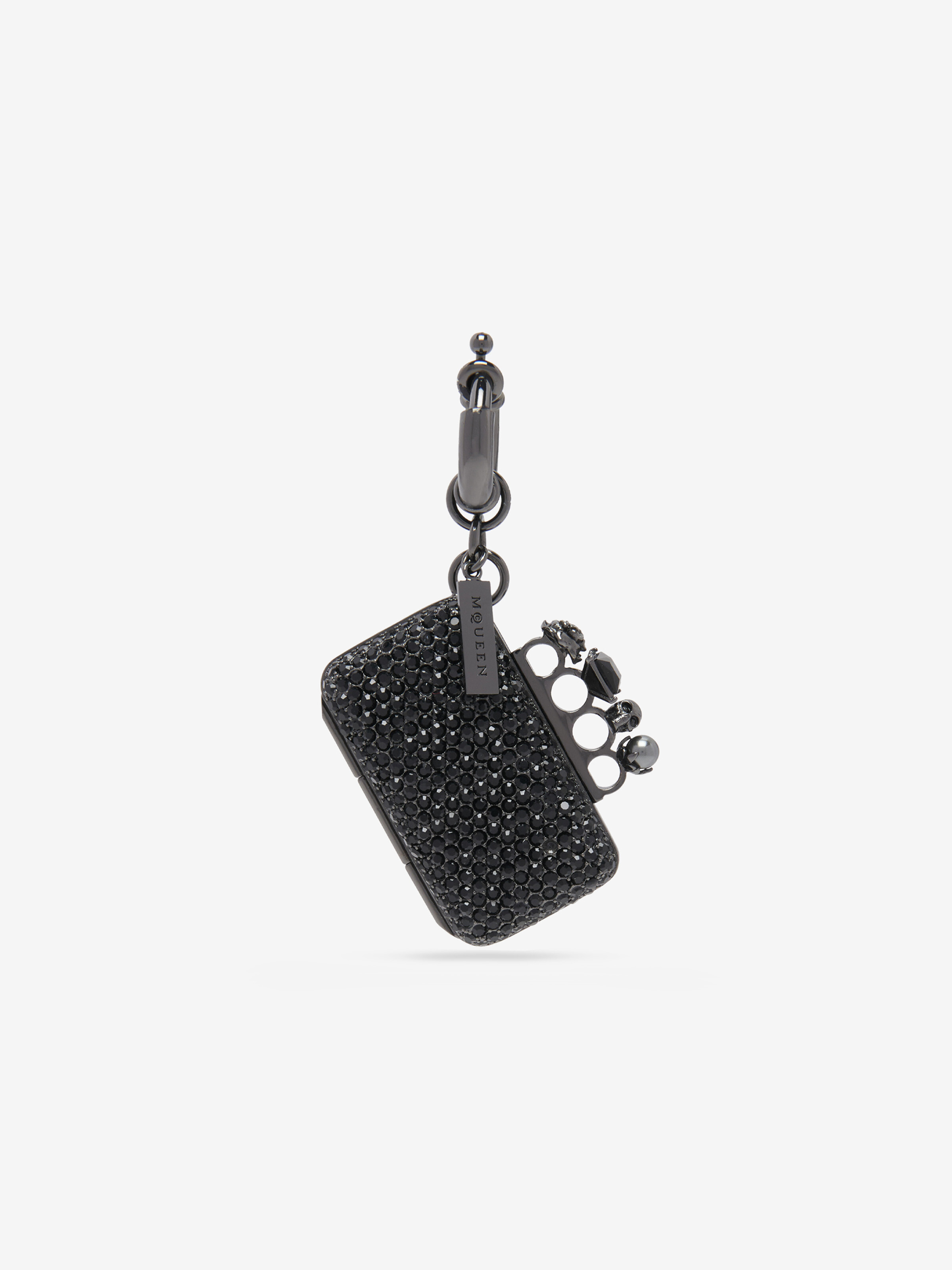
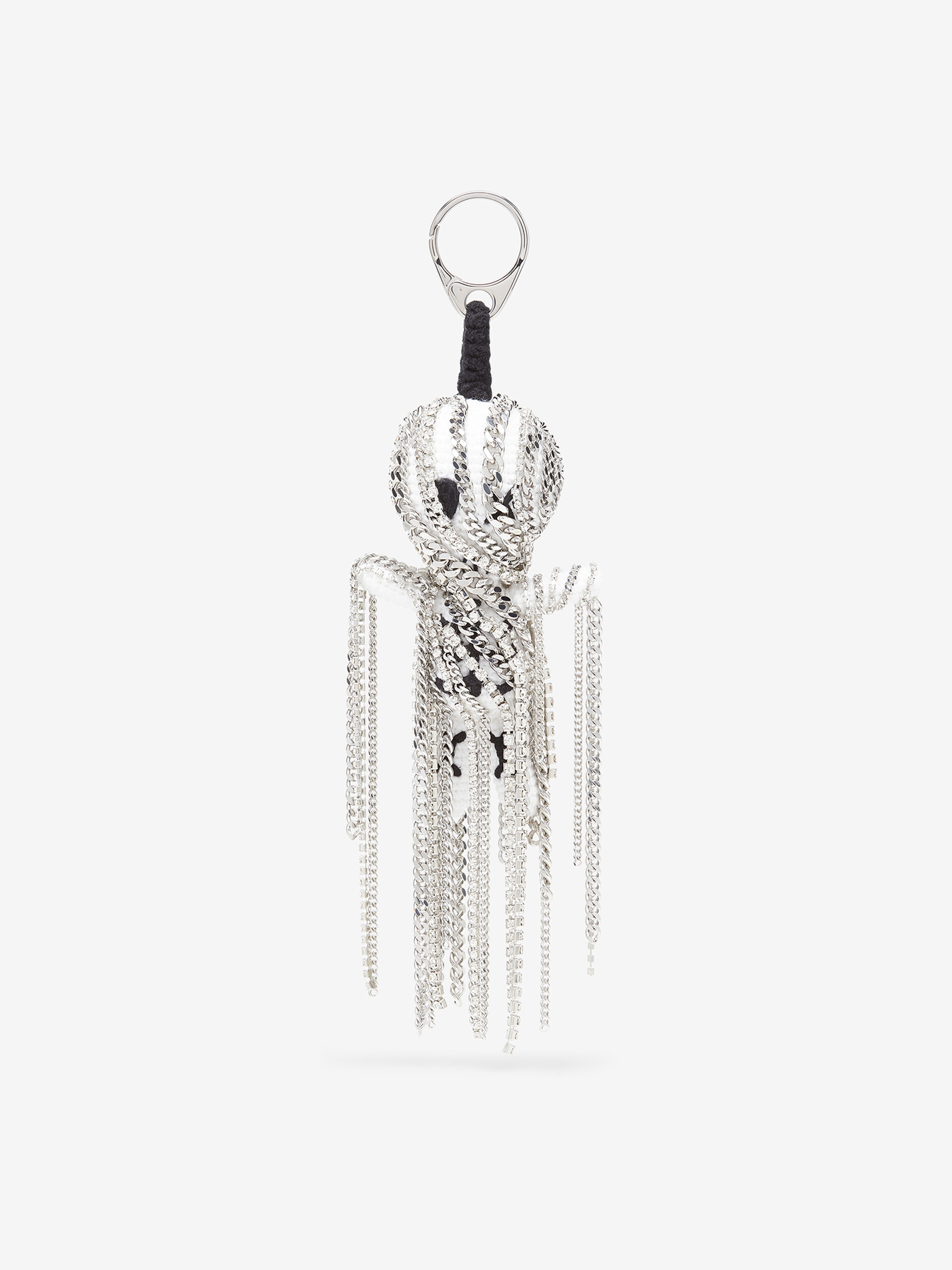
If you're avoiding sneakers, the Jewelled Satchel is McQueen's most successful handbag in the past five years. Structured calf body, top handle, detachable shoulder strap, signature knuckle clasp doing the work of a twist-lock without the brass bulk. The small size holds what you'd actually carry — phone, cardholder, keys, lipstick — without the dead space that makes larger bags sag. The leather is Nappa-finished but backed with enough rigidity that the bag doesn't crumple when you set it down. Starts at €1,890 for the small, €2,390 for the midi.
The Curve bag is worth considering if you don't need structure. Soft hobo shape, single shoulder strap, minimal hardware. It's one of the few McQueen bags that softens with wear rather than just showing it.
Over €2,500: Tailoring and Outerwear
This is where the house earns its position. McQueen's tailoring is cut closer and more aggressively than most British houses allow, with a nipped waist and a shoulder that's built up but not padded. The single-breasted blazers in wool-silk blends are the safest entry — they work over trousers or denim, and the internal construction (full canvas, pick-stitched lapels, functional sleeve buttons) is visible if you know where to look. Expect €2,200 to €2,800 depending on fabric.
The leather biker jackets are a different conversation. McQueen's leather team uses heavier hides than most contemporary houses — often 1.2 to 1.4 mm thick — and the cut assumes you're not layering much underneath. The fit is slim, the zips are heavy, and the jackets don't soften quickly. If you're buying one, plan on a full season of break-in before it moves the way you want it to. Prices start at €3,800 and climb quickly depending on finish and hardware.
The trench coats are underrated. McQueen's version is shorter than Burberry's, cut closer through the body, and uses a cotton-blend gabardine that's treated to resist water without the plastic hand most contemporary trenches have. The belt is wider, the collar sits higher, and the whole thing reads more structured than the classic English cut. Around €2,900, and one of the few pieces in the house's outerwear range that doesn't require a specific body type to work.
On Longevity
McQueen's leather goods hold up if you're realistic about what leather does. The Nappa finishes will scratch — that's the material, not a defect. The hardware will dull unless you're polishing it, which no one does. The house offers repair services through boutiques, though turnaround can stretch to eight weeks depending on what needs fixing.
For tailoring and outerwear, find a tailor who understands the house's cut before you need alterations. McQueen's proportions are specific, and a standard tailor will often try to "correct" them into something more conventional. The pieces are built to last a decade if the fit is right from the start. If it's not, no amount of alteration will make it feel like yours.