Fendi doesn't have a reputation for sensible shoes
Fendi doesn't have a reputation for sensible shoes. The house built its name on double-F hardware, fur-trimmed loafers, and the kind of slingbacks that look engineered for a five-minute walk from car to restaurant. But buried in the seasonal collections—past the logo-heavy runners and the crystal-buckled mules—are a handful of styles that actually hold up. Not in spite of their craft, but because of it.
What makes a shoe last isn't mystery. It's construction. It's材料. A Goodyear welt outlives a glued sole. Full-grain leather breaks in instead of breaking down. A stacked heel can be re-topped; an injection-moulded wedge cannot. Fendi knows this, even when the house would rather you notice the monogram first. The question isn't whether the atelier can build for longevity—it's which models they've chosen to.
I've worn three pairs hard over the past eighteen months. A loafer bought in Rome in 2023, still rotating twice a week. A knee boot purchased the autumn before that, now on its second sole. A slingback I was certain would be ornamental, which turned out to be the most structurally sound of the three. What follows isn't aspiration. It's mileage.
The Loafer That Doesn't Collapse
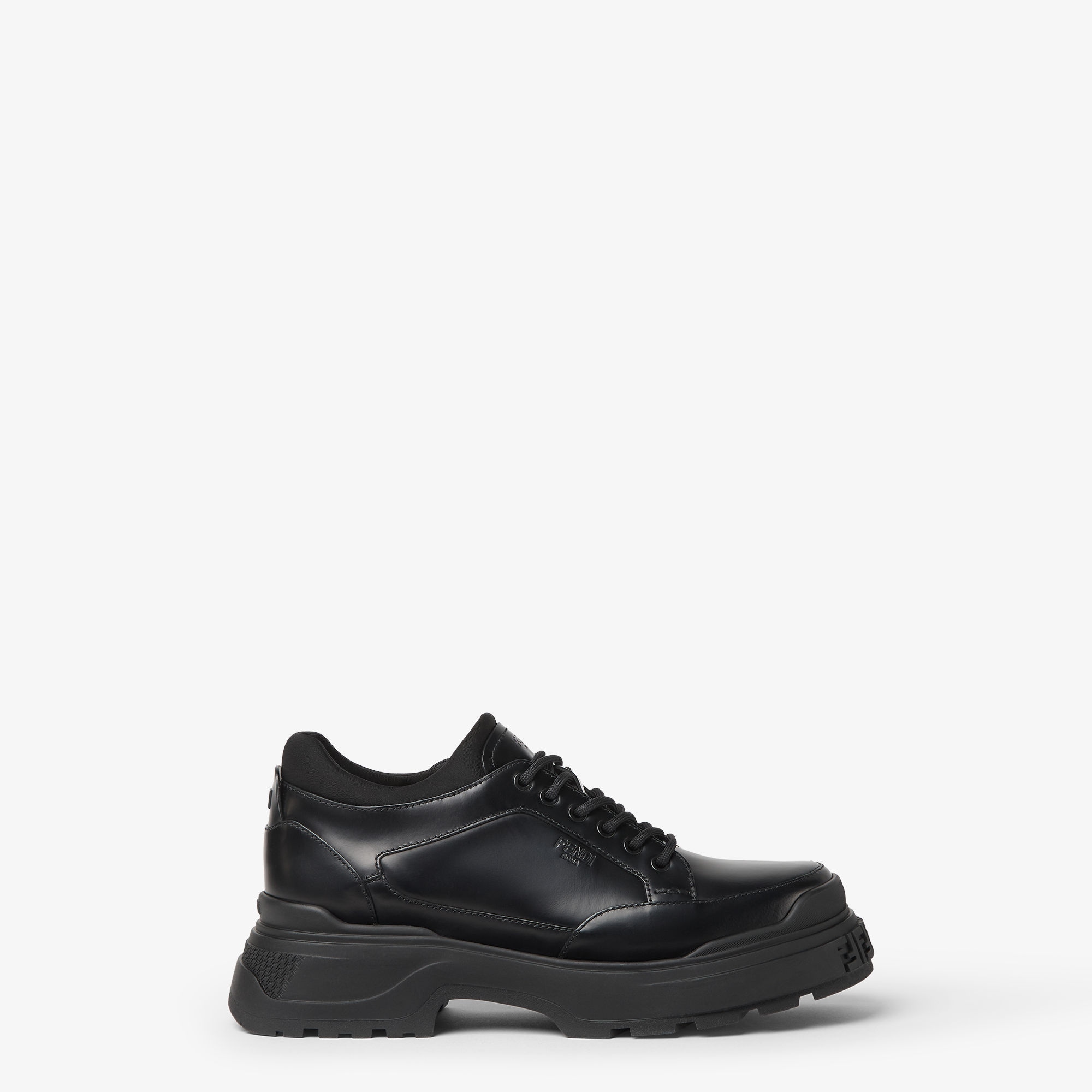
The style is technically called the Fendi Flow, though almost no one uses that name. It's a slip-on loafer with a rounded apron toe, a low stacked heel, and—depending on the season—either tonal hardware or none at all. I bought mine in black calfskin with a brushed gold bar across the vamp. The leather was stiff enough out of the box that I wore them around the apartment for three days before taking them outside.
That stiffness is the point. Fendi uses a vegetable-tanned leather here that doesn't yield fast. The insole is cork-bedded, the sole is leather with a rubber forepart, and the heel is layered and nailed, not glued. This is the construction you'd expect from a northern Italian workshop that's been making shoes since before the Fendis sold the business. It's not innovative. It's correct.
After a year and a half, the uppers have creased at the flex point but haven't lost their shape. The heel has been re-topped once, which cost sixty dollars at a cobbler in Cobble Hill and took four days. The insole has moulded to my arch in a way that makes other loafers feel generic. I've worn them on wet pavement, on subway grates, into meetings where I needed to look like I wasn't trying. They still read as clean.
The caveat: they don't work if your instep is high or your foot runs wide. The last is narrow through the midfoot, and there's no give in the topline. Try them on in person if you can, and size up if you're between.
The Boot You Can Resole
Fendi's knee boots tend to skew decorative—cutouts, contrast stitching, that padded FF motif they keep putting on everything. But the house also makes a plain pull-on style in smooth or grained leather, usually released without much fanfare in the pre-fall lineup. Mine are from autumn 2022: black grained calfskin, almond toe, stacked heel just under three inches, no visible branding except a small embossed logo at the back of the shaft.
The construction is Blake-stitched, which means the sole is sewn directly to the insole without a welt. It's a lighter, sleeker build than Goodyear, and it's resoleable—though not as many cobblers will do it, and it costs more. I had mine resoled this past spring after the original leather sole wore through at the ball. The work was done at B. Nelson in Manhattan, took two weeks, and ran 240 dollars. Not cheap. But the upper was still tight, the shaft hadn't slouched, and the heel stack hadn't started to separate. Replacing them would've cost four times that.
What I didn't expect: how much the grained leather would resist scuffing. I'm not precious with boots. These have been worn through slush, kicked against subway seats, shoved into overhead bins. The grain hides almost everything. A wipe with a damp cloth every few weeks is enough.
The shaft hits about an inch below my knee and stays there. No slouch, no sag. Fendi cuts the leather on the bias and lines the boot with a grosgrain ribbon that sits flush against the leg. It's a small detail that makes a functional difference—the boot doesn't shift or slide as you walk.
The Slingback That Surprised
I bought these on a whim last spring, which is not usually how I spend money on shoes. They were on sale, end-of-season, and I assumed they'd be ornamental. A pointed-toe slingback in nude patent leather with a two-and-a-half-inch heel and a thin ankle strap. The kind of shoe that photographs well and lives in the back of the wardrobe.
Except the heel isn't set back—it's pitched slightly forward, which shifts your weight onto the midfoot instead of the ball. The strap is adjustable with a small metal buckle, and it actually holds. The insole is padded leather, not the foam you get in most slingbacks at this price point. And the patent, which I expected to crack within a season, is coated over supple calfskin that bends without creasing.
I've worn them to a courthouse in Brooklyn, to a wedding in Westchester, to a dinner where I walked eleven blocks in the rain and didn't limp. The heel tips are replaceable. The strap hasn't stretched. The patent still looks taut.
They won't last a decade—the construction is lighter than the loafer or the boot, and patent always has a shorter lifespan than smooth leather. But they've held up better than any slingback I've owned, and I've stopped thinking of them as occasional.
On Keeping Them
None of this matters if you don't maintain the shoe. Fendi's leathers are good, but they're not indestructible, and the house doesn't make it easy to service what you buy. There's no in-house repair program. You're on your own with a cobbler.
What works: a horsehair brush for smooth leather, a damp cloth for patent, a protective spray applied before the first wear. Store them with shoe trees if the upper is structured, without if it's soft. Don't wear the same pair two days in a row—leather needs time to dry out and settle. Replace heel tips and toe plates before they wear through to the sole. A twenty-dollar fix now saves a two-hundred-dollar resole later.
And buy for construction, not for the season. Fendi will sell you plenty of shoes that won't make it past spring. The ones that last are the ones built like they're supposed to.