Fendi knows leather
Fendi knows leather. That is not a surprise—Roman saddlery workshops rarely produce houses that don't. What sets the maison apart is the willingness to treat a bag not as a vessel but as a statement of craft, sometimes whimsy, occasionally both. The Baguette arrived in 1997 and turned an evening bag into a daylight proposition. The Peekaboo followed a decade later with a structure so deliberate it reads as architecture. These aren't accidents. They're the result of a house that understands material, knows when to push proportion, and—crucially—when to stop.
Good bags justify their weight. They close without fuss, age without falling apart, and work across more than one season. Fendi's roster delivers on all three, though some do it more quietly than others. What follows are five pieces that demonstrate the house's range, from the obvious to the overlooked. Each earns its place through a combination of function, material integrity, and a design approach that doesn't mistake decoration for craft. If you're looking for a bag that works rather than simply photographs well, start here.
Baguette
The Baguette is the reason Fendi bags became a category unto themselves. Silvia Venturini Fendi designed it to sit under the arm, not hang from the shoulder, which immediately separated it from every other evening bag in circulation at the time. The proportions—compact, slightly rounded, just wide enough for a wallet and keys—made it day-appropriate without losing the formality that keeps it relevant after dark.
The original 1997 version used nappa leather with a simple FF clasp. Since then, the maison has run it in everything from shearling to embroidered canvas to sequins, which means the secondary market is flooded with versions that photograph better than they wear. Stick to leather or suede. The former ages predictably, the latter develops a patina that improves the silhouette rather than fighting it.
The strap is short by design. If you prefer a crossbody, the maison offers an adjustable version, though it dilutes the original intent. The Baguette works because it forces a specific posture. You carry it consciously, which is half the point.
Current iterations sit around €2.900 for smooth calfskin, closer to €3.500 for exotic treatments. The resale market offers earlier versions for less, though condition varies wildly. Check the clasp mechanism—if it's loose, walk away.
Peekaboo
The Peekaboo is Fendi's answer to the structured handbag, and it remains the most intelligently designed piece in the house's lineup. It launched in 2009 with a frame that holds its shape without internal reinforcement, two compartments separated by a rigid divider, and a twist-lock closure that doesn't require two hands to operate. Those details matter. A bag that collapses when you set it down is a bag you stop using.
The name comes from the way the interior lining is visible when the bag is open—usually in a contrasting colour or texture. It's a small flourish, but it demonstrates the house's understanding that craft lives in the parts you don't photograph. The leather is typically a smooth calfskin that takes scratches without announcing them. Fendi also offers it in grainy treatments and seasonal textiles, though the former is more forgiving over time.
Size options range from the Mini (too small for daily use unless you travel light) to the Regular, which handles a laptop, notebook, and the usual pocket debris without looking overstuffed. The X-Lite version, introduced more recently, uses softer leather and a less rigid frame. It's lighter, yes, but it sacrifices the architectural quality that makes the Peekaboo distinct.
Expect to spend €4.200 for the Regular in calfskin, more if you opt for exotic skins or custom monogramming. It's not a casual purchase, but it's one of the few bags in this price range that doesn't feel like it's performing luxury. It simply is.
Fendigraphy
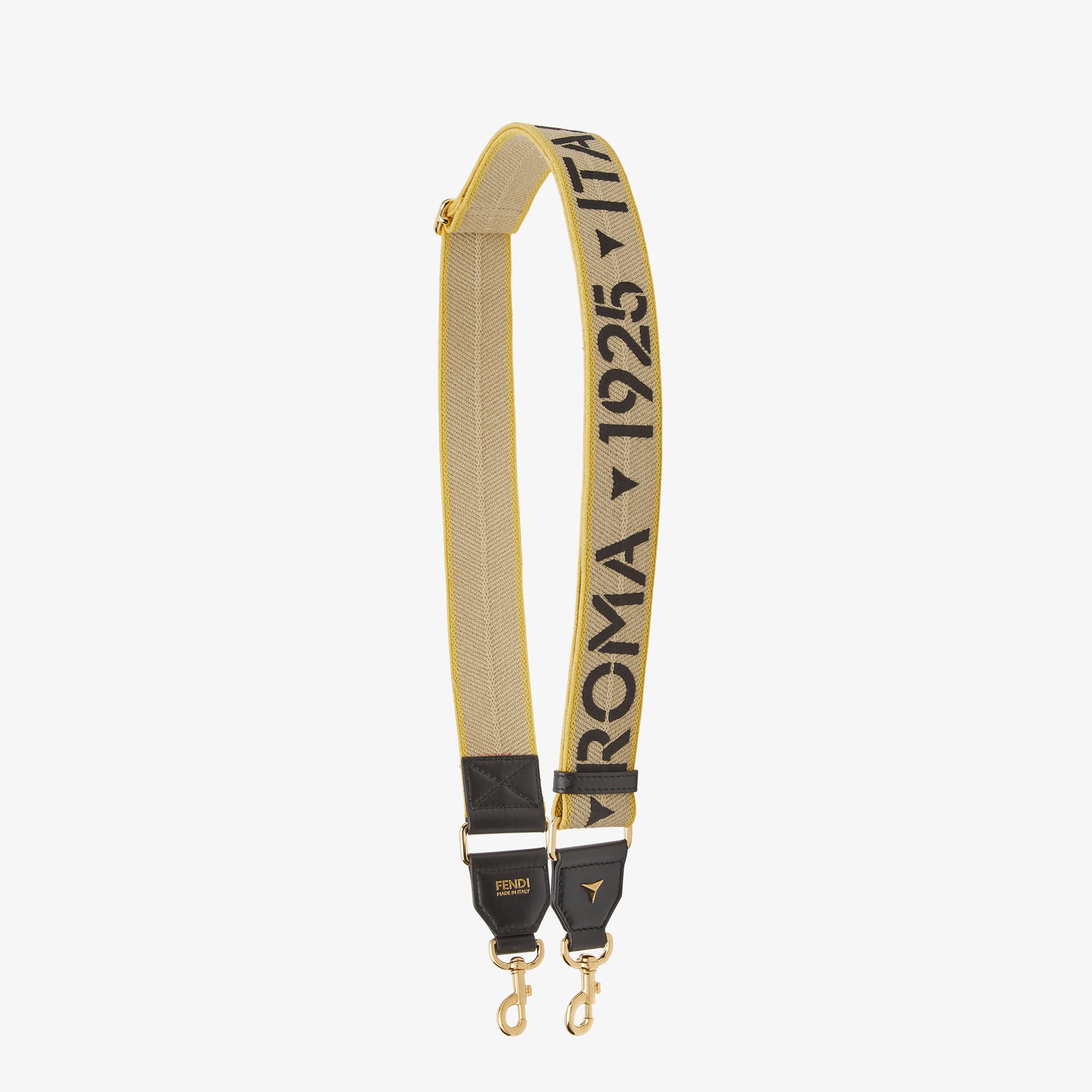
The Fendigraphy is Fendi's entry into the crossbody-camera-bag space, though it avoids the twee proportions that plague most of the category. It's wider than it is tall, which gives it a utilitarian quality that works better with tailoring than with dresses. The strap is canvas, adjustable, and wide enough to sit comfortably across the chest without digging in.
The body is typically canvas with leather trim, though Fendi has produced all-leather versions that double the weight and triple the formality. The canvas iteration is more honest—it's a day bag, designed to move with you rather than sit politely on a restaurant banquette. The front features the Fendi logo in a size that borders on assertive but stops short of obnoxious, which is a harder balance than it sounds.
Inside, you'll find a single compartment with a zip pocket. No elaborate organisation, no padded sleeves. It's a bag that assumes you know what you're carrying and don't need seven sub-pockets to keep track of it. The zip closure is sturdy, the hardware is brass-toned and matte, and the whole thing weighs less than half a kilo.
Pricing starts around €1.400 for the canvas version, closer to €2.100 for all-leather. It's one of the more accessible entry points into Fendi's range, and it doesn't feel like a compromise.
First
The First is Fendi's least shouty bag, which makes it the most useful. It's a shoulder bag with a single flap, a magnetic closure, and a chain strap that can be worn long or doubled. The silhouette is borrowed from classic mail carriers, though the proportions are refined enough that it doesn't read as workwear.
Fendi introduced it in 2015 as a quieter alternative to the Baguette, and it's remained in production with minimal changes since. The leather is usually a medium-weight calfskin, smooth but not glossy, with a slight give that allows the bag to mould to what's inside without losing its shape entirely. The flap is clean—no external pockets, no unnecessary hardware, just a tonal FF logo embossed near the closure.
The interior is more generous than the exterior suggests. It swallows a small notebook, a phone, a cardholder, and a pair of sunglasses without bulging. The chain strap is comfortable enough for extended wear, though it will leave a crease in anything finer than a oxford shirt.
This is the bag you reach for when you don't want to think about what you're carrying. It works with denim, it works with wool trousers, it works with a navy blazer at a client meeting. Pricing hovers around €2.200, which positions it between the Fendigraphy and the Peekaboo in both cost and formality.
Mon Trésor
The Mon Trésor is a drawstring bucket bag, which immediately makes it the least structured option on this list. It's also the most divisive. Bucket bags either work for your daily routine or they don't—there's no middle ground. If you're comfortable with a bag that requires two hands to close and won't stand upright on a table, the Mon Trésor is worth considering.
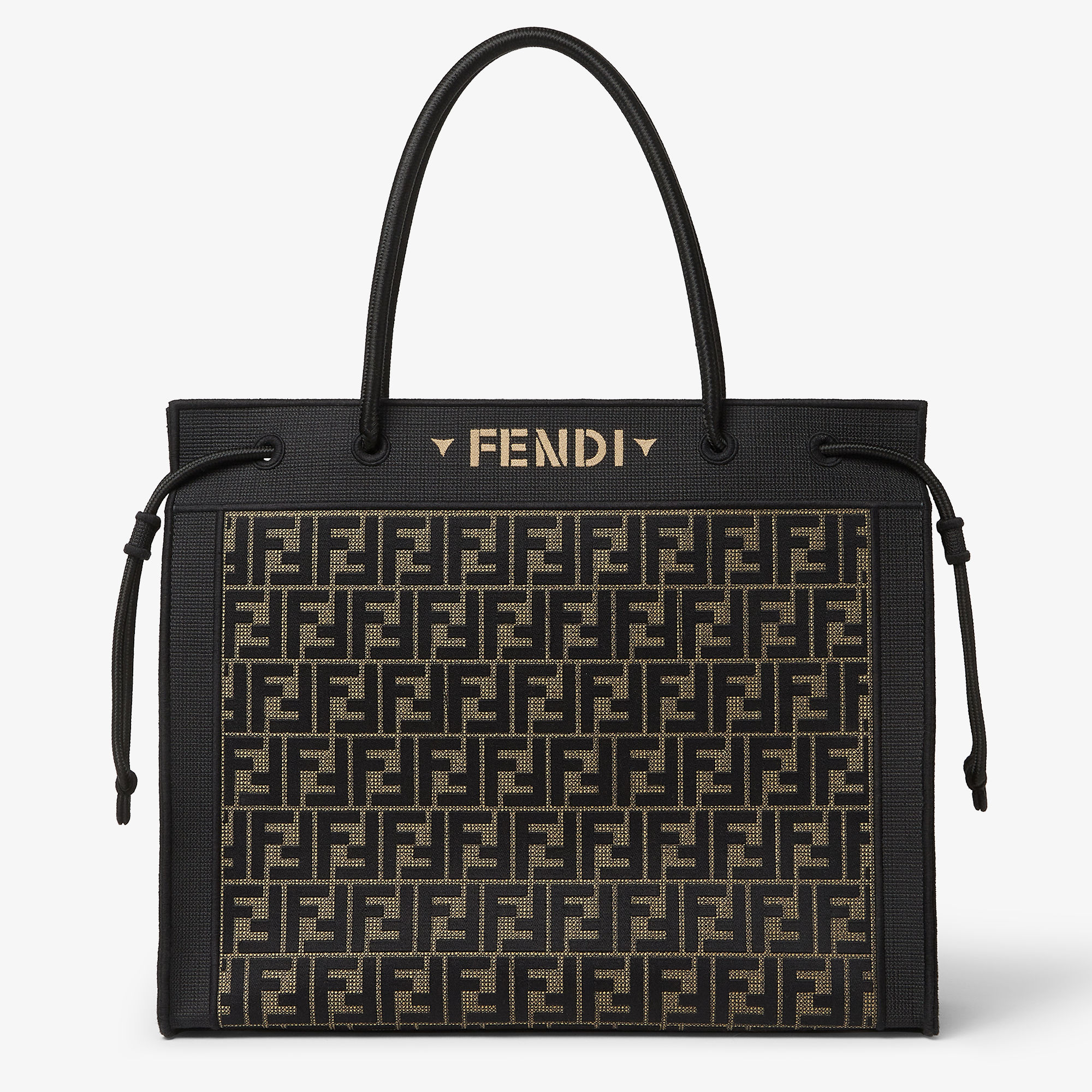
Fendi launched it in 2016, and it's been a consistent seller despite—or perhaps because of—its impracticality. The body is soft calfskin with a gathered top, a drawstring closure, and a detachable shoulder strap. The interior is unlined, which keeps the weight down but means anything sharp or metal will leave marks over time. The exterior features a small FF logo, usually embossed rather than applied, which keeps the branding subtle.
The appeal is in the ease. You throw things in, pull the strings, and go. There's no zipping, no clasp to fumble with, no rigid frame to navigate. It's a bag that suits a specific kind of person—someone who doesn't carry much and doesn't need military-grade organisation to get through the day.
Sizes range from Mini to Medium, with the latter being the only one that holds more than a phone and a lipstick. Pricing starts at €1.600 for the Mini, around €2.000 for the Medium. It's not for everyone, but if you've ever found yourself annoyed by a structured bag's refusal to compress, this is the alternative.
Care
Fendi bags are leather goods first, fashion objects second. That means they respond to the same care routine as any quality leather: keep them dry, store them stuffed, and condition them twice a year with a neutral cream. The hardware—usually brass or palladium-plated—will tarnish if exposed to salt or sweat, so wipe it down after wear.
The house offers refurbishment services through its boutiques, though turnaround times stretch into months and costs aren't trivial. For minor scuffs, a specialist cobbler will do the job faster and cheaper. Avoid chain repair shops—they rarely stock the right weight of thread or the correct dye lots.
A well-maintained Fendi bag will last fifteen years of regular use, longer if you rotate it with other pieces. The resale value holds, particularly for the Peekaboo and Baguette, which have enough name recognition to move quickly on consignment platforms. Treat it as a tool, not a trophy, and it'll outlast most of what you bought it to carry.