Fendi works in leather the way a Neapolitan tailors gabardine: with enough confidence to leave the construction visible
Fendi works in leather the way a Neapolitan tailors gabardine: with enough confidence to leave the construction visible. The house has been making bags since 1925, and the distance between then and now shows most clearly in what hasn't changed. Double-F logo aside, a Fendi bag announces itself through proportion, not branding. The shoulder strap sits where it should. The clasp closes without drama. The leather—often Roman calfskin, sometimes French—arrives at your door already broken in.
What follows is not a hierarchy. These five bags represent different answers to the same question: what do you actually carry, and how often do you want to think about it? The Peekaboo works if you move between meetings and need a shape that holds a laptop without looking like it does. The Baguette works if you don't. The line between practical and decorative is thinner than most brands admit, and Fendi has spent three decades making that tension profitable.
A note on nomenclature: Fendi names bags the way the British name streets. The Baguette is a Baguette because it tucks under your arm like bread. The Peekaboo opens to reveal two compartments, a structural wink. If the name sounds literal, it probably is.
Baguette
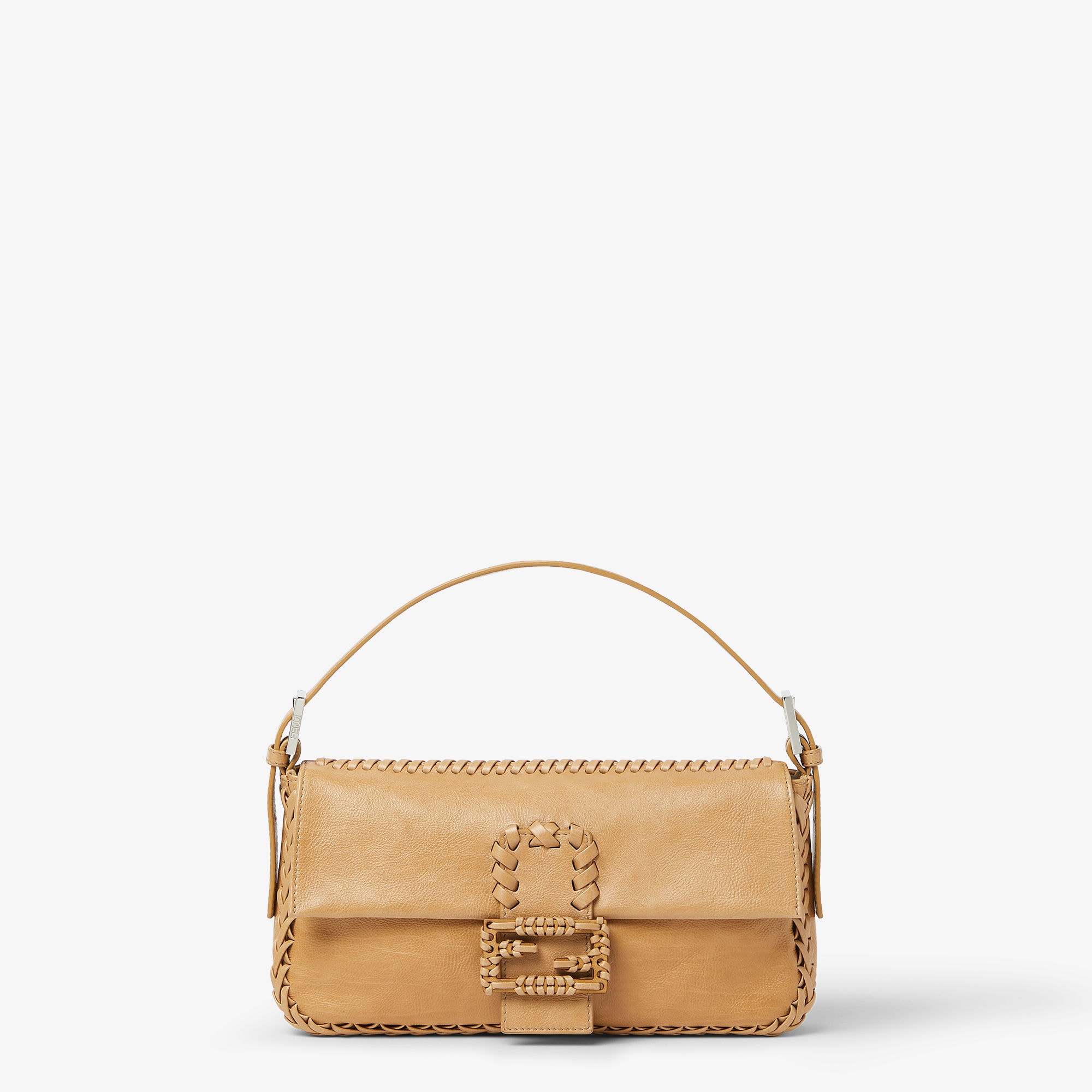
The Baguette turned twenty-seven this year, which makes it older than most of the people carrying it. Silvia Venturini Fendi designed it in 1997 as a small, rectangular shoulder bag with a short strap and a front flap. It sold moderately well until Sex and the City put one on Sarah Jessica Parker's shoulder in 1999, at which point it became the sort of bag people either own or have opinions about.
The shape is unforgiving. It holds a phone, a cardholder, keys, and not much else. The strap is short enough that it forces the bag under your arm rather than across your body, which is the point. You carry it the way a Parisian carries a ficelle home from the bakery, which is where the name comes from and also where the comparison should probably end.
Fendi has issued the Baguette in over a thousand variations: sequins, embroidery, shearling, python, jacquard, denim. The smartest version remains the plainest—smooth calfskin in black, tobacco, or navy, with the FF clasp in brushed metal. The clasp is the tell. Fendi updated it in 2019 to sit flatter against the flap, and the new version photographs better but closes less decisively. If you find a pre-2019 model in good condition, buy it.
The Baguette works best as a second bag. It is not practical in the way a tote is practical, but it is honest about what it does. You bring it to dinner. You bring it to an opening. You do not bring it to the office unless your office is the sort of place where a small leather bag under your arm reads as intentional rather than underprepared.
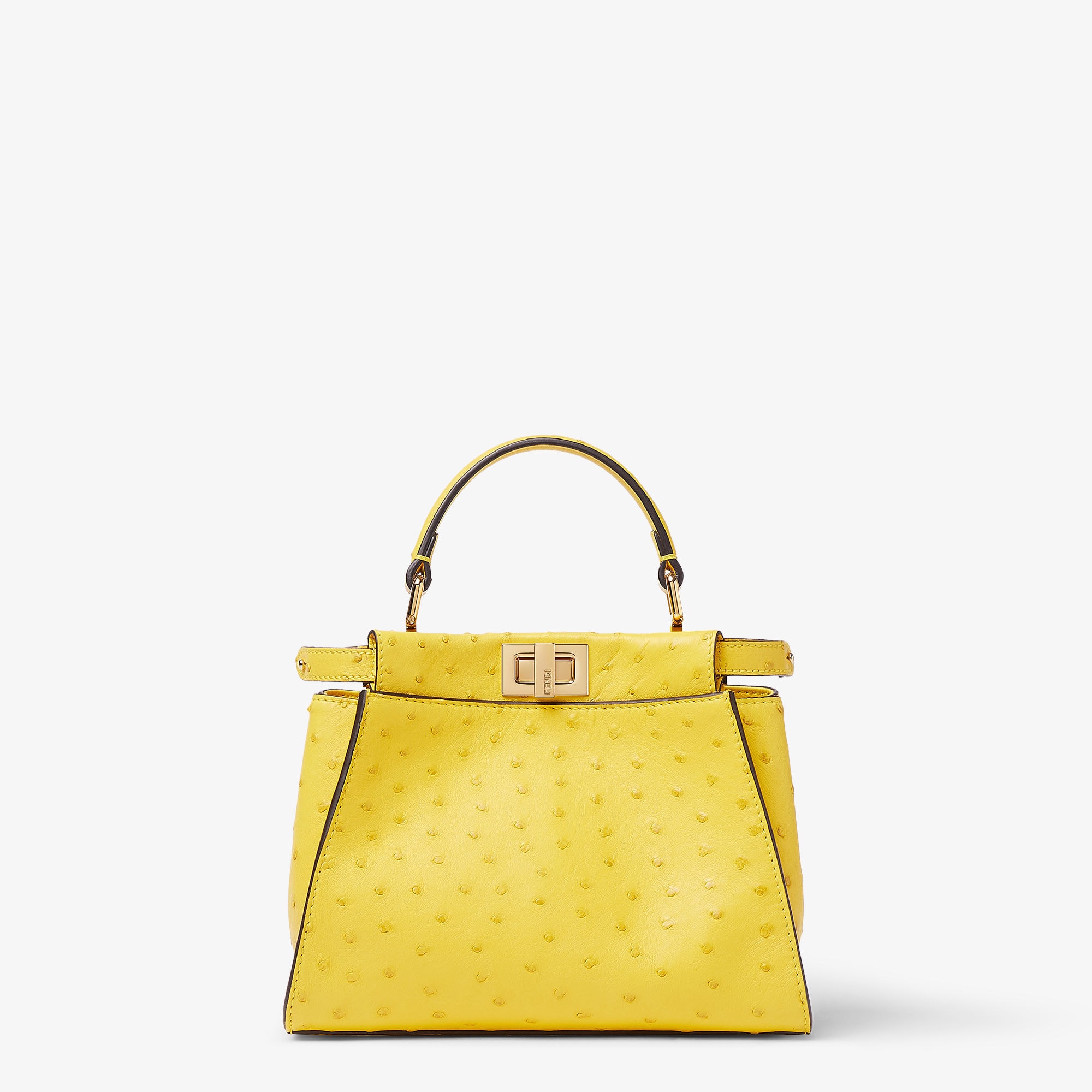
Peekaboo
The Peekaboo is the bag Fendi designed for people who think the Baguette is charming but insufficient. It launched in 2009, which makes it younger than the iPhone but older than Instagram, a narrow window in which a structured handbag could still become iconic without a social media campaign behind it.
The construction is straightforward: two compartments separated by a rigid divider, a frame closure at the top, and a detachable shoulder strap that most owners remove and never reattach. The bag opens wide enough to fit a 13-inch laptop, a hardcover book, or a change of shoes, depending on whether you believe handbags should be practical or merely large.
Fendi offers the Peekaboo in three sizes—Mini, Medium, and Large—and the Medium is the only one that makes sense. The Mini is too small to justify the structure. The Large tips forward when you set it down. The Medium holds what you need and closes without bulging, which is the standard by which all frame bags should be judged.
The leather matters here more than it does on the Baguette. Fendi's Roman calfskin is softer than most French equivalents, and it burnishes rather than cracks with age. The interior is usually suede or Alcantara, which feels luxurious until you spill something, at which point it becomes a problem that costs €400 to fix.
The Peekaboo works as a daily bag if your daily involves sitting at a desk, taking meetings, and carrying objects that need protection. It does not work if you commute by bike or spend your afternoons in and out of taxis. The frame is elegant but unforgiving. Overstuff it and the closure gaps. Understuff it and it sags. There is a narrow band of correct use, and staying within it requires more attention than most people want to give a bag.
Baguette 1997
Fendi reissued the original 1997 Baguette in 2022, and the differences are small enough that you have to hold both versions to notice them. The reissue uses the same pattern, the same hardware, and the same construction method—hand-stitched in the Florence atelier, not the mass-production facility outside Rome. The leather is slightly thicker, the strap slightly longer, and the price significantly higher.
The 1997 reissue is not a better bag than the standard Baguette. It is a more expensive version of the same idea, which is a different thing. Fendi limits production to a few hundred units per season, and the waiting list is long enough that most buyers never see one in person before ordering. This is strategic scarcity, and it works because the bag is good enough to justify the inconvenience.
What you get for the premium: hand-finished edges, a numbered plaque inside the flap, and the knowledge that fewer than a thousand other people own the same object. Whether that matters depends on how you feel about bags as collectibles versus bags as tools. The 1997 reissue skews collectible.
Fendigraphy
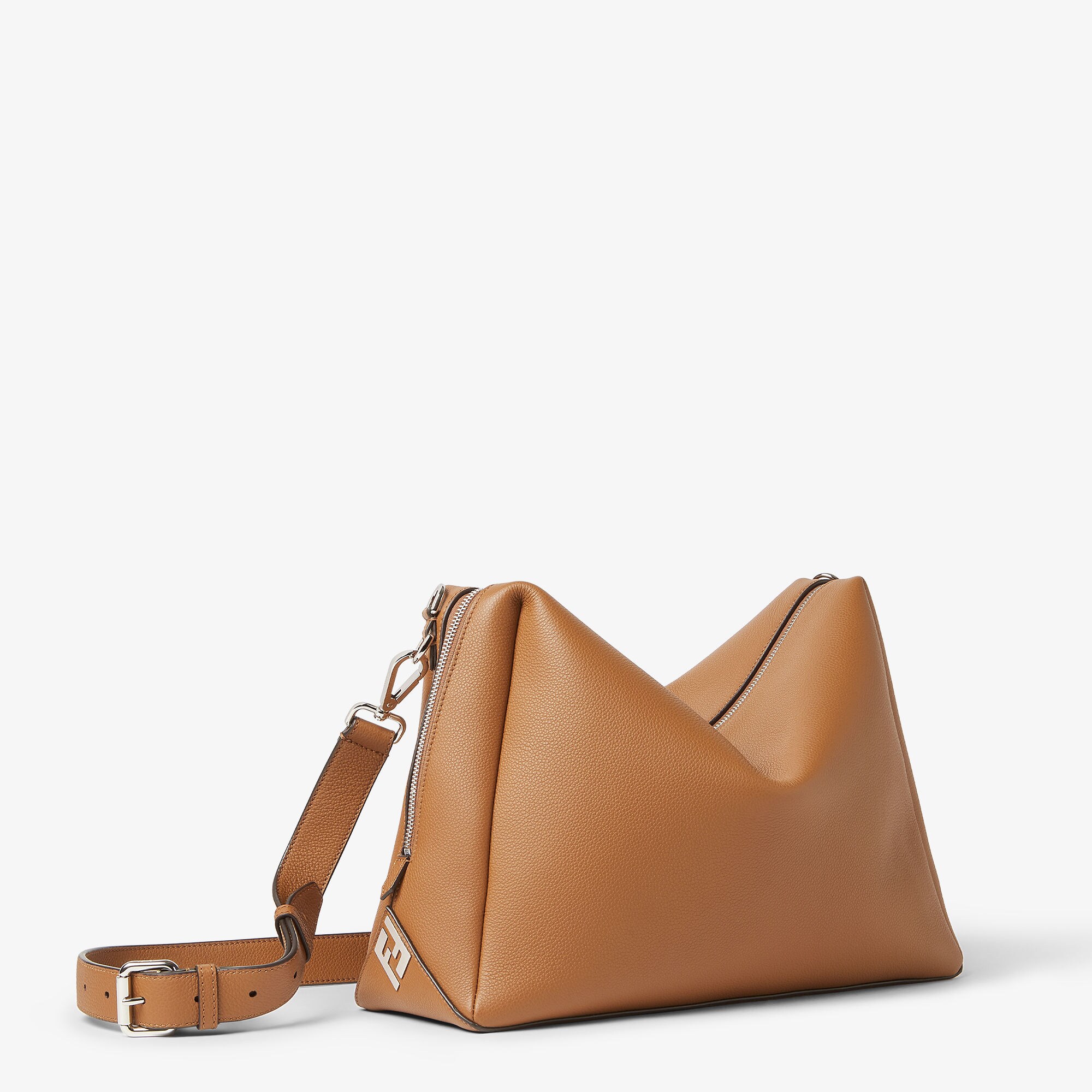
The Fendigraphy arrived in 2024, which makes it the youngest bag in this guide and also the hardest to assess. It is a structured shoulder bag with a top handle, a crossbody strap, and a front pocket that Fendi describes as "functional" in the way that fashion brands describe things they hope you will not actually use.
The shape is deliberately unstable. It sits somewhere between a doctor's bag and a camera case, borrowing the rigid frame of the Peekaboo and the compact proportions of the Baguette without committing to either. The result is a bag that photographs well and carries awkwardly, which is not necessarily a flaw if you value the former over the latter.
Fendi designed the Fendigraphy for the same customer who bought the Baguette in 1999: someone who wants a recognisable bag that does not require a logo to be recognisable. The FF clasp is there, but it is smaller than on previous models, and the silhouette does most of the work.
The interior is more practical than the Peekaboo—no divider, no frame-induced constraints—but less forgiving than a soft tote. You can fit a tablet, a wallet, and a makeup pouch, but not gracefully. The bag wants to be half-full, which is a narrow target when you are deciding what to bring.
Mon Tresor
The Mon Tresor is a bucket bag, which means it is fundamentally a drawstring pouch with a structured base and a shoulder strap. Fendi introduced it in 2016, and it has spent the past eight years occupying the space between practical and decorative without settling on one or the other.
The construction is simple: a circular base, a soft leather body, and a drawstring closure threaded through metal grommets. The bag holds more than it looks like it should, which is the virtue of any bucket shape, but it also collapses when empty, which is the liability.
Fendi offers the Mon Tresor in two sizes—Small and Medium—and both are slightly too small for daily use unless your daily involves very little. The Small fits a phone, a cardholder, and keys. The Medium adds room for sunglasses and a small wallet. Neither fits a water bottle, which is the test most bucket bags fail.
The Mon Tresor works best as an evening bag, though Fendi does not market it that way. The drawstring closure is faster than a clasp and quieter than a zip, and the bucket shape sits flat against your hip when the strap is adjusted correctly. It is the sort of bag you bring when you know you will not need much and want to signal that you know you will not need much.
Care
Fendi's calfskin is durable until it isn't. The leather resists scuffs and water for the first year, then begins to darken and soften in ways that either improve the bag or ruin it, depending on your tolerance for patina. The hardware—usually palladium or gold-plated brass—holds up better than the leather, which is the opposite of how it should work.
Store Fendi bags upright, stuffed with tissue, away from direct light. Clean them every six months with a soft cloth and saddle soap, or don't clean them at all. The worst thing you can do is over-maintain them. Fendi's leather is meant to age, and trying to stop that process usually accelerates it.
If the bag needs repair, send it to Fendi. Independent cobblers can replace a strap or fix a clasp, but they cannot source the original hardware, and mismatched metal is worse than no metal at all. A professional repair costs between €200 and €500, depending on the damage. If the quote is higher than that, consider whether you like the bag enough to keep it.