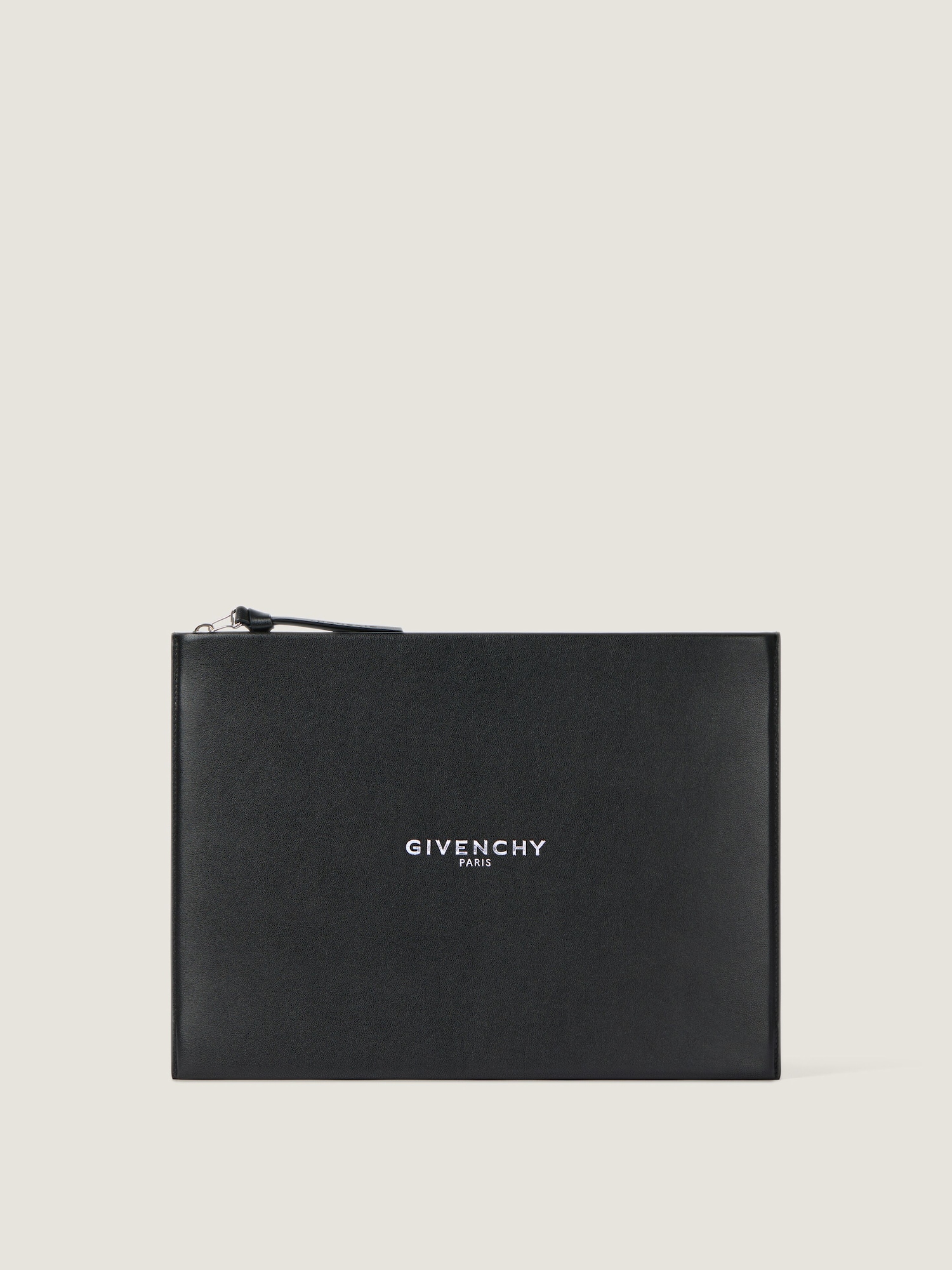
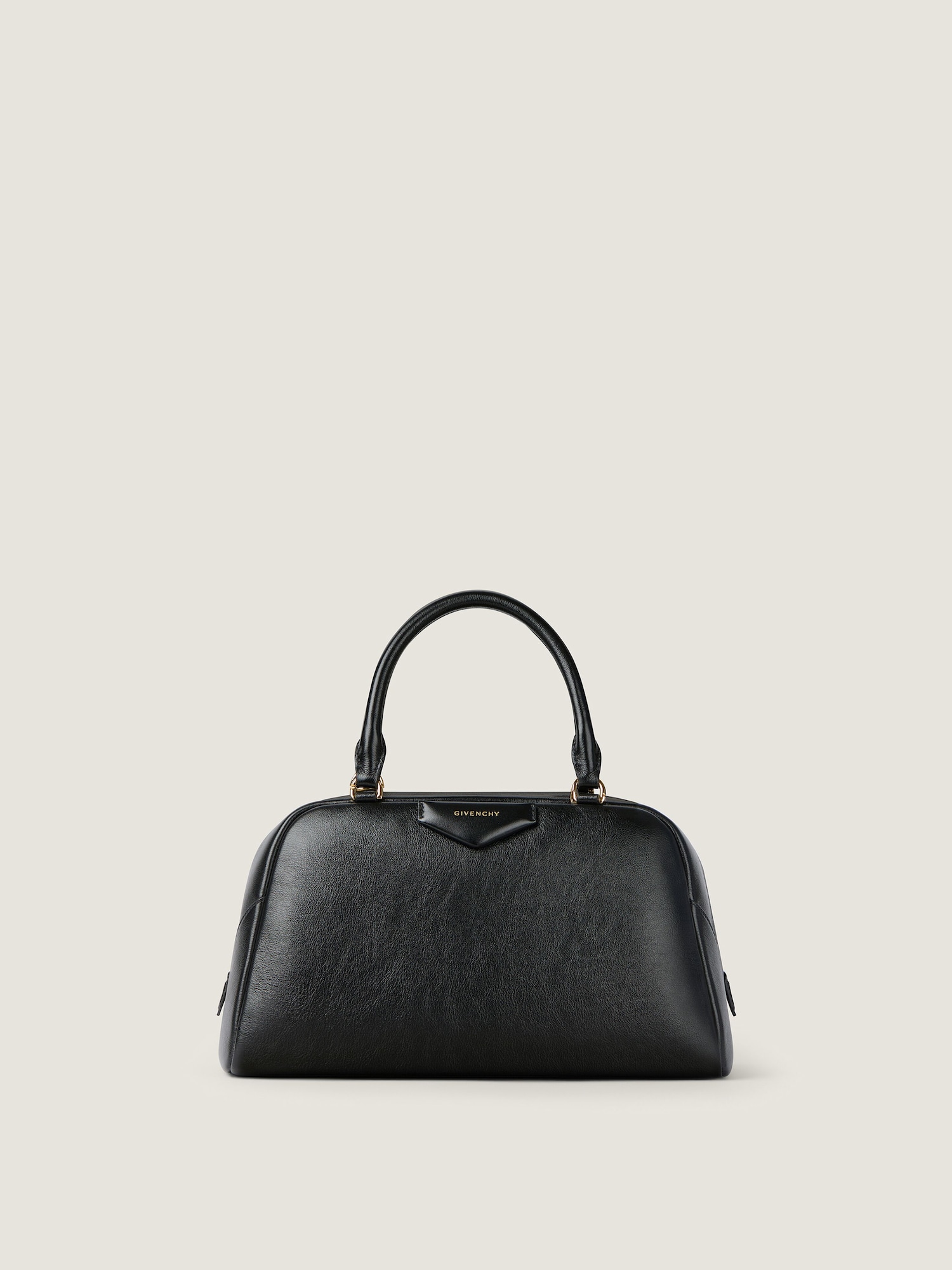
Givenchy occupies a peculiar position in the contemporary luxury landscape
Givenchy occupies a peculiar position in the contemporary luxury landscape. Founded in 1952 by Hubert de Givenchy—who dressed Audrey Hepburn and understood the architecture of a sleeve—the house spent decades synonymous with restrained Parisian elegance. Then came Riccardo Tisci in 2005, who introduced gothic romanticism and streetwear codes without abandoning the atelier. Matthew M. Williams arrived in 2020 with hardware from his Alyx days and a utilitarian edge that polarised critics but moved product. The through-line, if there is one, runs through construction. Givenchy tailoring still carries proper shoulder work. The bags use good leather, even when festooned with padlocks. The shoes—particularly the dress styles—are made in Italy by suppliers who know how to set a last.
For a first purchase, the question is less about chasing the latest campaign and more about identifying which layer of the house speaks to how you actually dress. A Logo-print hoodie and a wool tuxedo jacket both carry the name, but they demand different contexts and different care. What follows are entry points across three budget bands, each representing a defensible way into the catalogue. None will solve your wardrobe. All will clarify whether Givenchy is worth the next step.
Under €500: the signature without the ceremony
The Givenchy 4G logo—a geometric interlock introduced under Tisci and refined under Williams—appears on everything from card holders to slides. At this tier, you want the mark to sit on something you'll use daily, not something you'll baby.
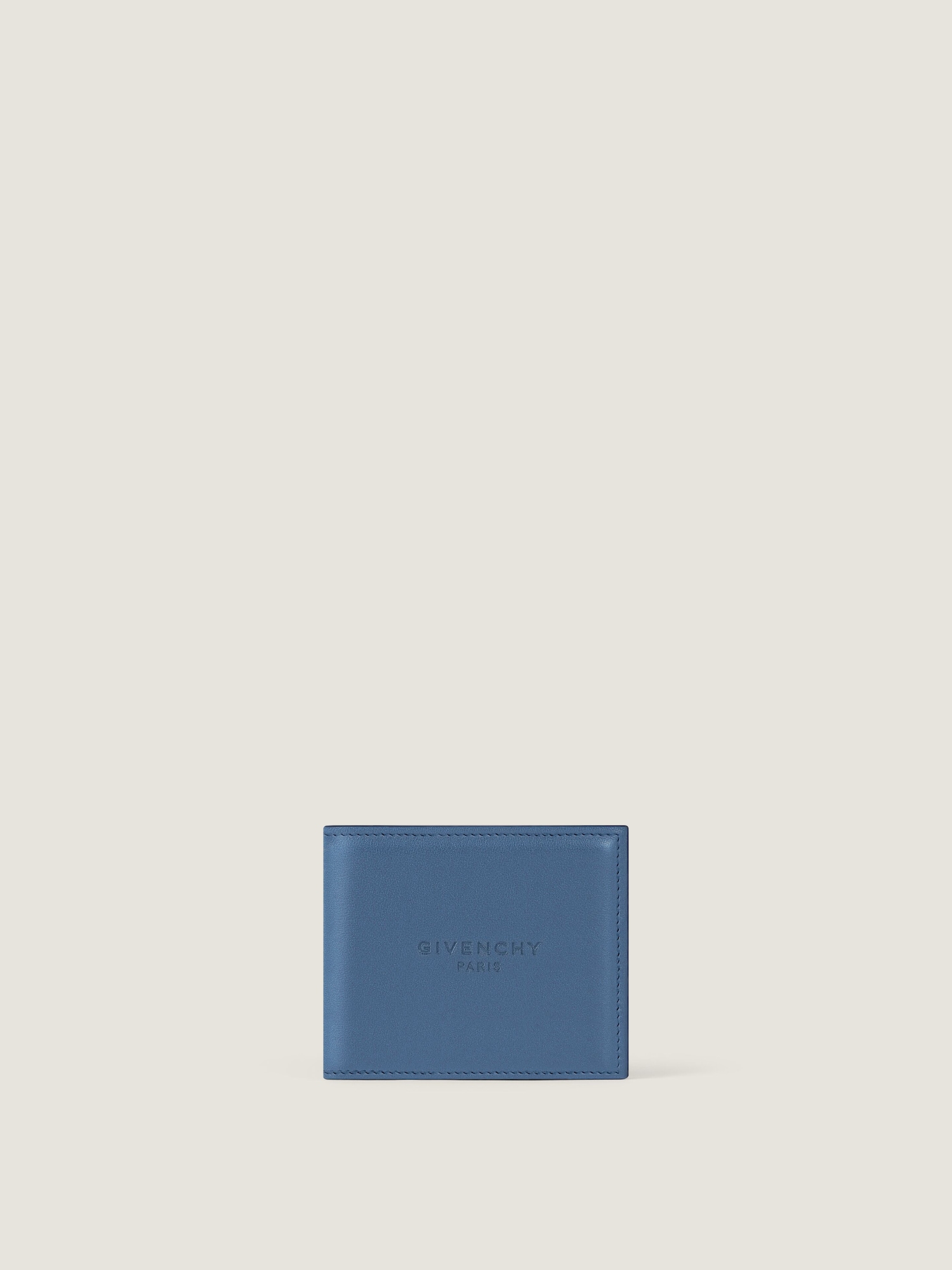
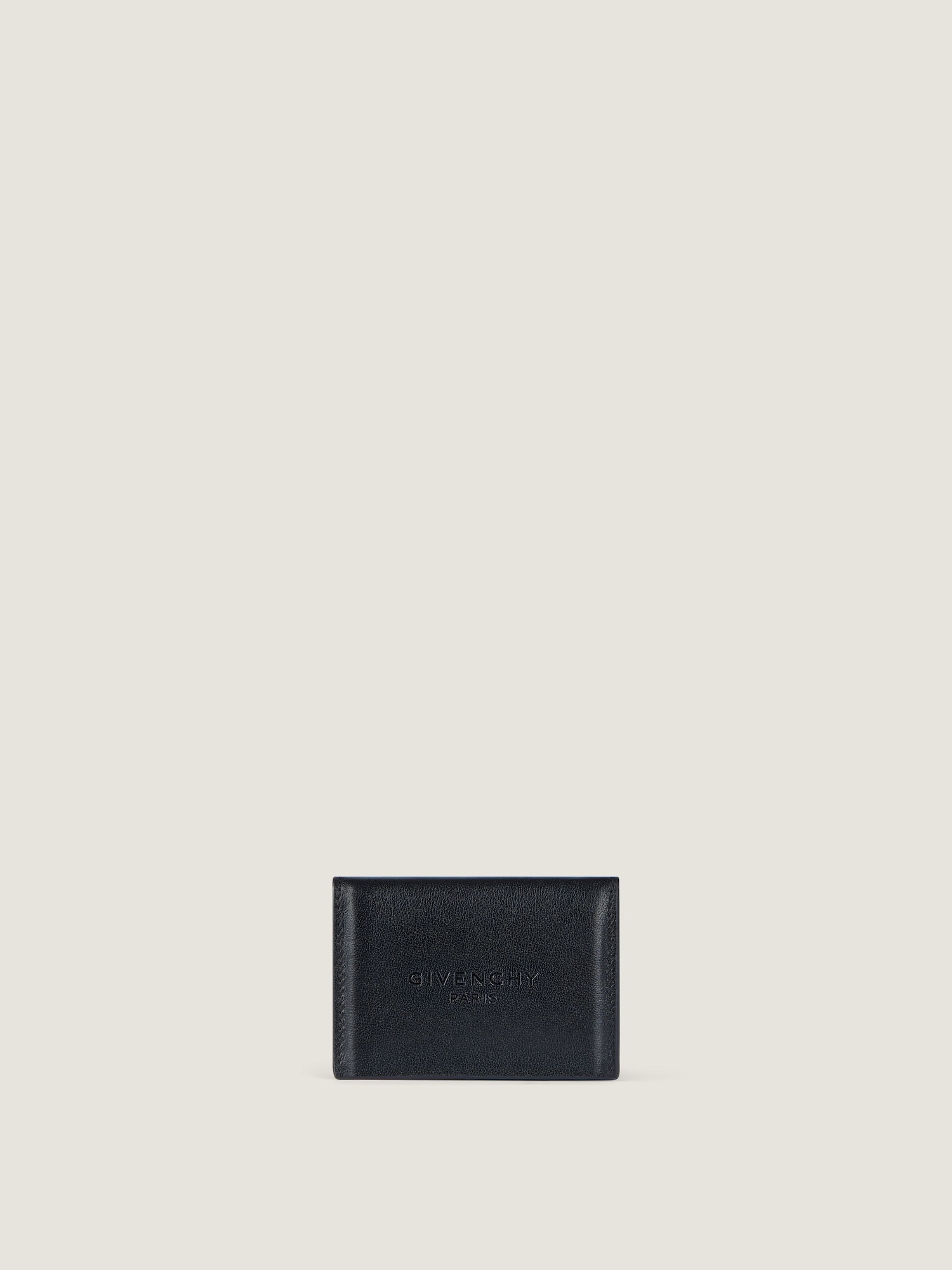
The 4G-embossed cardholder in grained calfskin does exactly that. It holds six cards, slips into a jacket pocket without distorting the line, and costs around €320. The leather is robust enough to survive a trouser pocket, which matters more than most care to admit. Givenchy's small leather goods come from the same Italian tanneries supplying the main bag line, so the hand is consistent. This is not an hors d'œuvre before the "real" purchase—it's a functional object that happens to carry decent provenance.
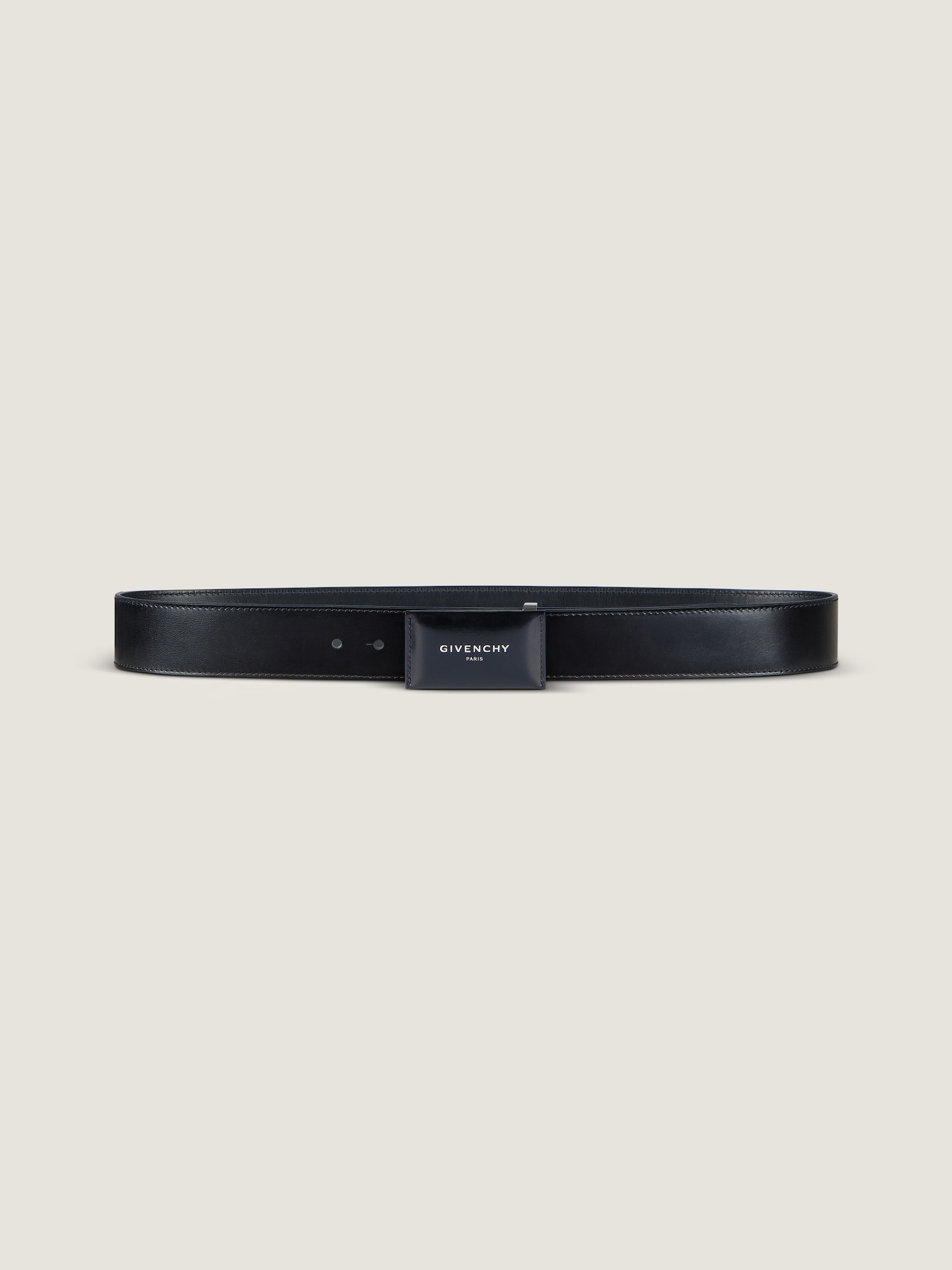
The Logo-webbing belt, priced near €390, works if you wear denim or fatigues regularly. The canvas strap is nylon-reinforced, the buckle is steel rather than plated zamak, and the sizing runs true. It reads louder than a plain leather belt, which is the point. Wear it or don't, but don't buy it hoping it will "go with everything." It won't, and that's fine.
Avoid the Logo sliders unless you're genuinely wearing them to a pool or gym. Rubber doesn't age gracefully, and €290 is steep for something that will crack in a suitcase.
€500–€1,500: bags and shoes with room to move
This is where Givenchy's accessories line separates from logo-driven diffusion. The Antigona, introduced in 2010, remains the house's most coherent bag. The small version in smooth calfskin sits around €1,890, which edges past this bracket, but the Antigona Soft—a slouchier iteration in grained leather—starts closer to €1,490. The silhouette is trapezoidal, the handles are reinforced, and the bag closes with a zip rather than a flap, which makes it practical for travel. It's been in continuous production for over a decade, which suggests the design has legs beyond a single creative director's tenure.
The 4G crossbody bag in box leather, priced near €990, offers a cleaner option. The chain strap is removable, the interior is suede-lined, and the proportions work for evening or daytime depending on what you pair it with. Box leather shows scratches, so this isn't a throw-it-in-the-boot bag, but it also takes polish well if you're inclined to maintain it.
On footwear, the TK-360 sneaker—a chunky runner with exaggerated soles and neoprene panels—costs around €595 and represents Williams' design language clearly. It's comfortable, it's loud, and it works with cropped trousers or technical shorts. The construction is solid: Italian-made, with stitched rather than glued soles. Whether you want that aesthetic is a separate question.
For a dressier option, Givenchy's Derby in brushed calfskin runs about €750. The last is sleek without being narrow, the welt is Goodyear-stitched, and the leather is substantial enough to take a few resolings. It's not a statement piece, which is precisely why it belongs in this category. You'll wear it more than you expect.
€1,500 and up: tailoring and outerwear worth the ticket
Givenchy's tailoring doesn't receive the attention it deserves, possibly because the house's marketing skews toward bags and sneakers. The single-breasted wool blazer in a mid-weight worsted—around €1,850—features a structured shoulder, a moderate gorge, and a two-button stance that works across body types. The lining is viscose, not Bemberg, which is a cost-saving measure, but the canvas is proper and the collar sits cleanly. This is a jacket you can wear to a wedding or a dinner without feeling overdressed or underprepared.
The wool trench coat, priced near €2,400, takes Givenchy's tailoring codes and applies them to outerwear. The cut is slim through the body, the belt is functional rather than decorative, and the cloth is a tightly woven gabardine that sheds light rain. It's not a Burberry trench—it doesn't pretend to be—but it's a serious coat that will last a decade if you keep it out of the washing machine.
At the top of the accessible range, the nylon parka with shearling lining costs around €3,200. It's warm, it's waterproof, and the hardware is chunky enough to operate with gloves on. Williams' utilitarian instincts show here: the pockets are deep, the hood adjusts properly, and the proportions are generous without being sloppy. It's expensive for nylon, but the construction justifies the ask.
Longevity and care
Givenchy's leather goods respond well to standard maintenance. Smooth calfskin benefits from a neutral cream every few months; grained leather is more forgiving but still appreciates occasional conditioning. The hardware—particularly on bags—should be wiped down after exposure to salt or rain, as tarnish is easier to prevent than reverse.
Tailoring and outerwear should be dry-cleaned sparingly. Wool naturally sheds odours if you air it properly, and over-cleaning weakens the fibres. Store coats on shaped hangers, not wire, and keep them out of direct sunlight.
The pieces that last are the ones you actually use. A cardholder in your pocket every day will patina. A blazer worn twice a year will sit in a garment bag and feel like a mistake. Buy what fits your rhythm, not someone else's idea of investment.