Tom Ford occupies a strange position in the wardrobe hierarchy
Tom Ford occupies a strange position in the wardrobe hierarchy. The brand carries the weight of a name that rewrote Gucci in the nineties, relaunched Saint Laurent in the early aughts, and then built a standalone house in 2005 with no archive to lean on. That means everything you buy is a product of Ford's particular eye—sharp tailoring, unapologetic polish, a kind of controlled opulence that doesn't apologise for looking expensive. The house doesn't chase viral moments or court the resale market. It sells to people who know what they want and can pay for it.
If you're stepping in for the first time, the question isn't whether Tom Ford makes good things—it does—but where your money does the most work. The eyewear is a known entry point, but it's licensed, which means you're paying for design and finish, not in-house manufacture. The lipstick is iconic and genuinely excellent, but it's consumable. Leather goods and ready-to-wear are where the house shows its hand: Italian construction, considered proportions, materials that don't cut corners. A good first piece should feel like Tom Ford in your hands, not just on a logo. It should also be something you'll reach for in five years without wondering why you bought it.
What follows isn't a ranked list. It's a set of entry points at different budgets, each of which does something specific well.
The Eyewear — $400–$600
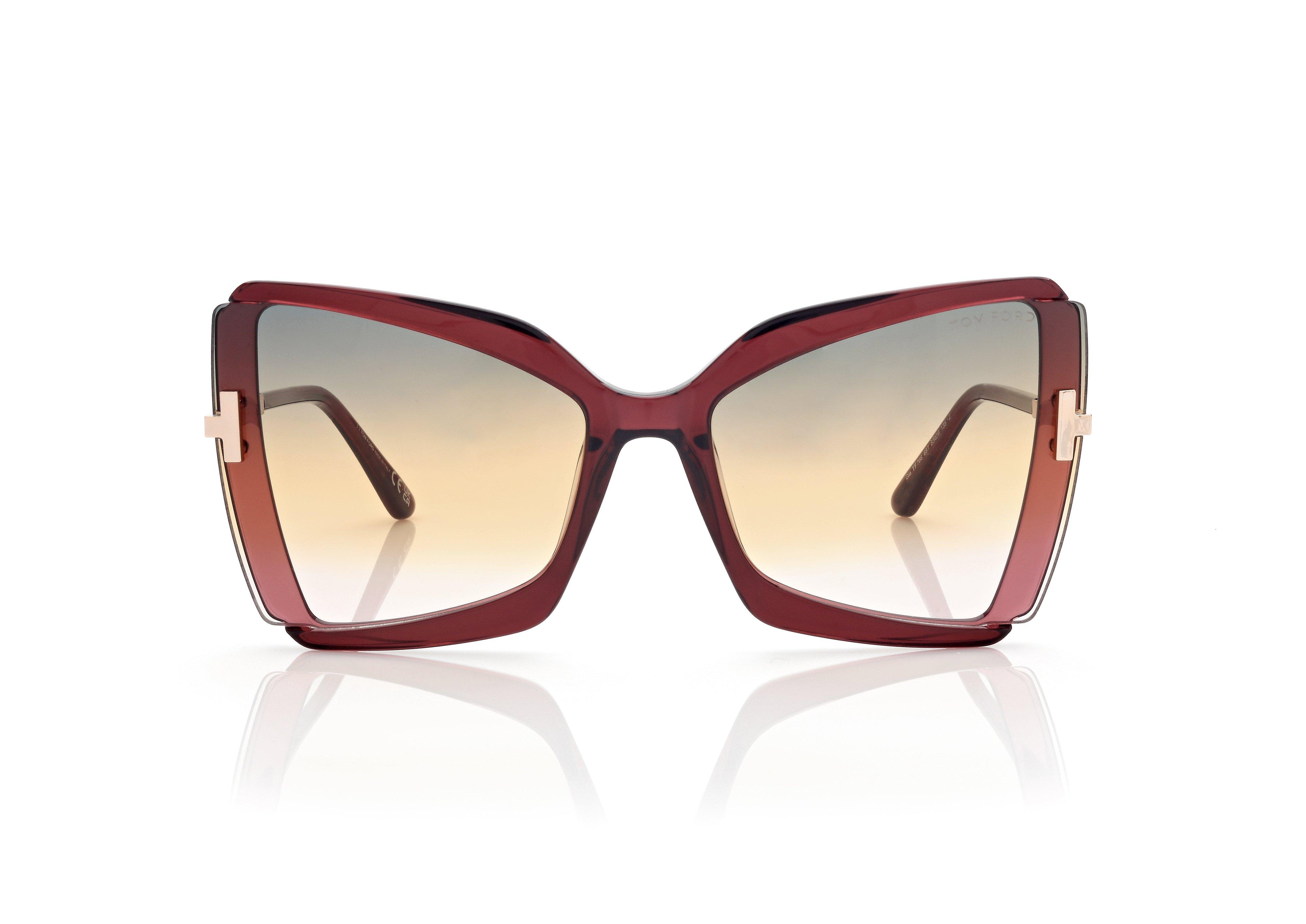
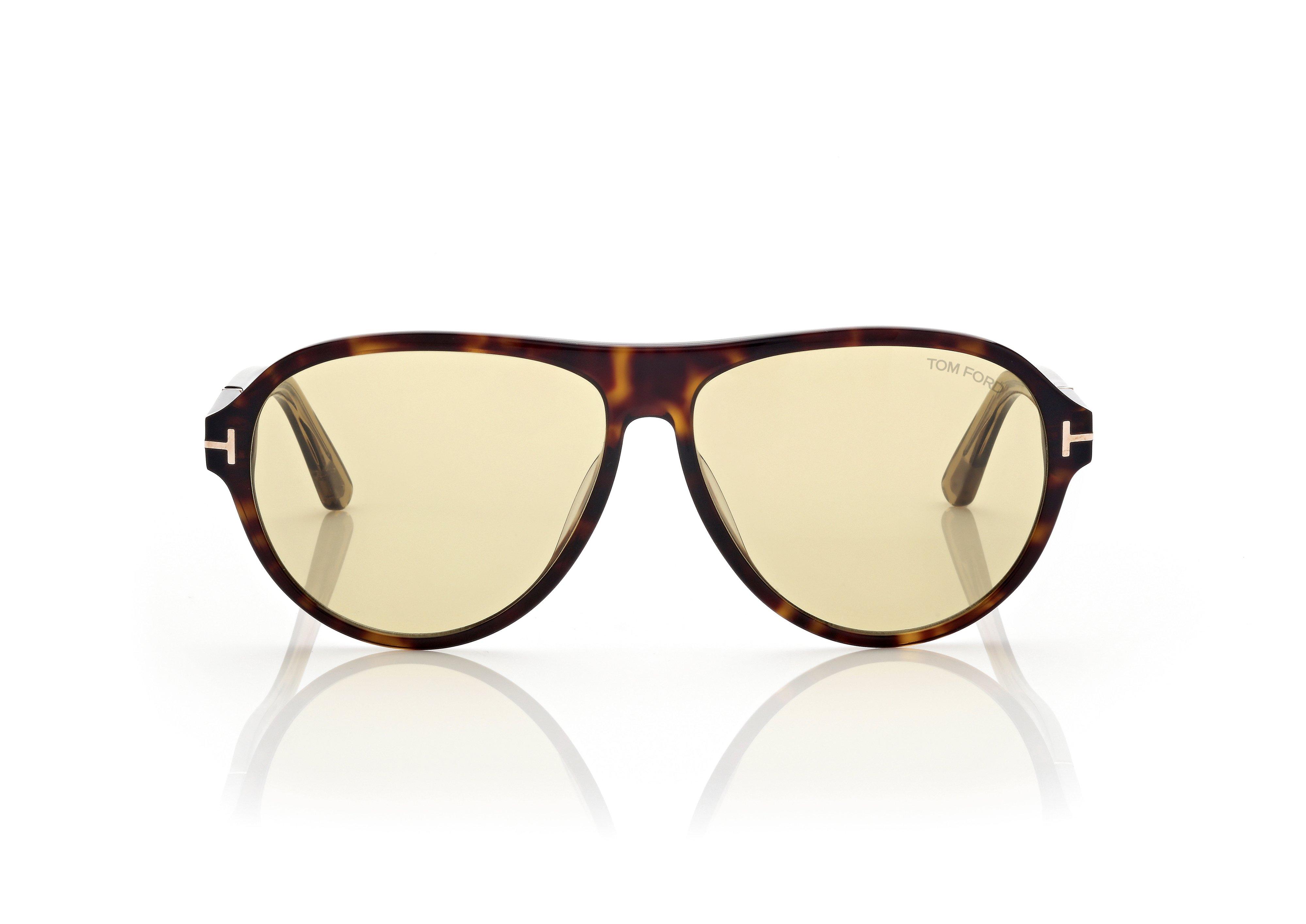
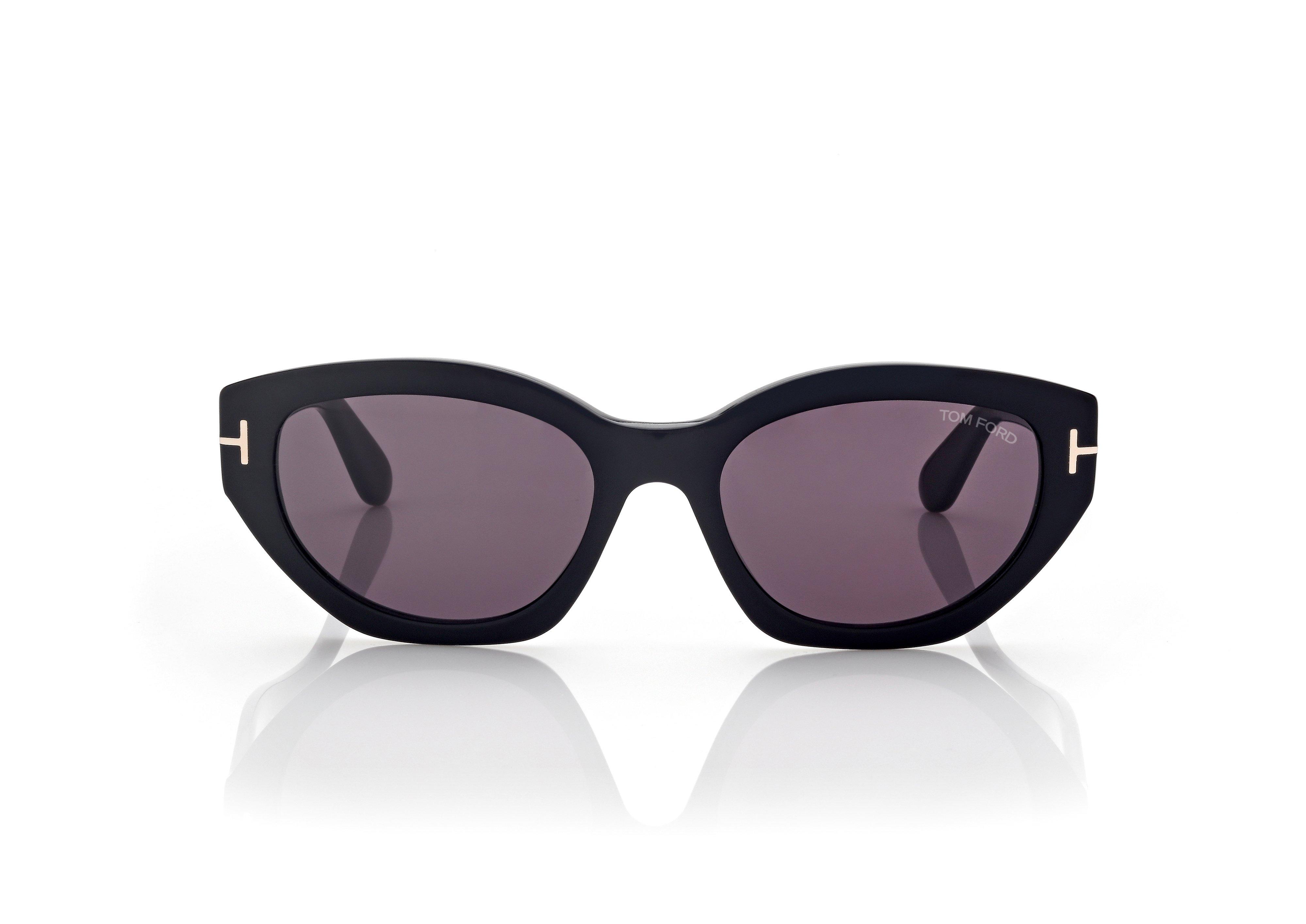
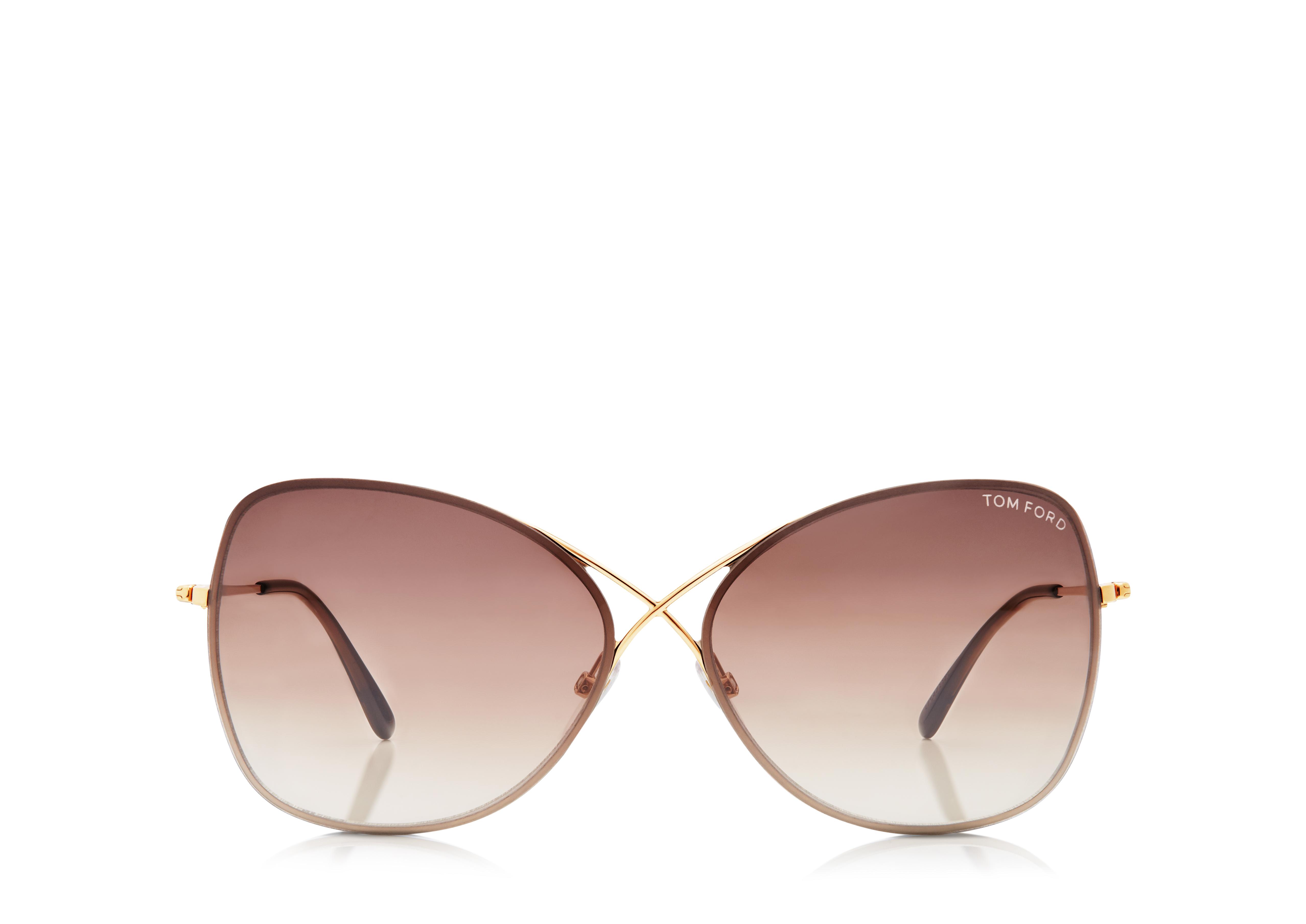
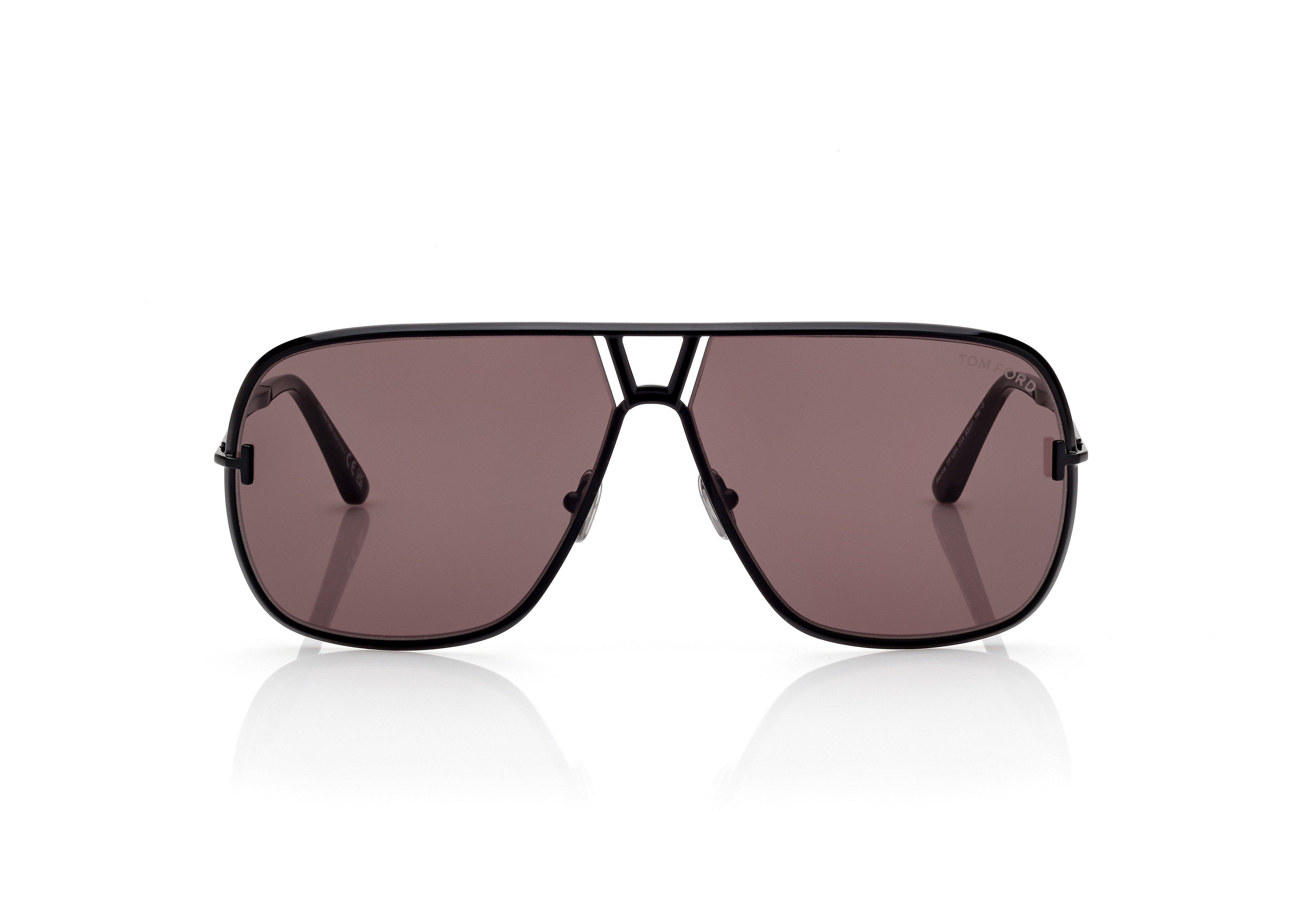
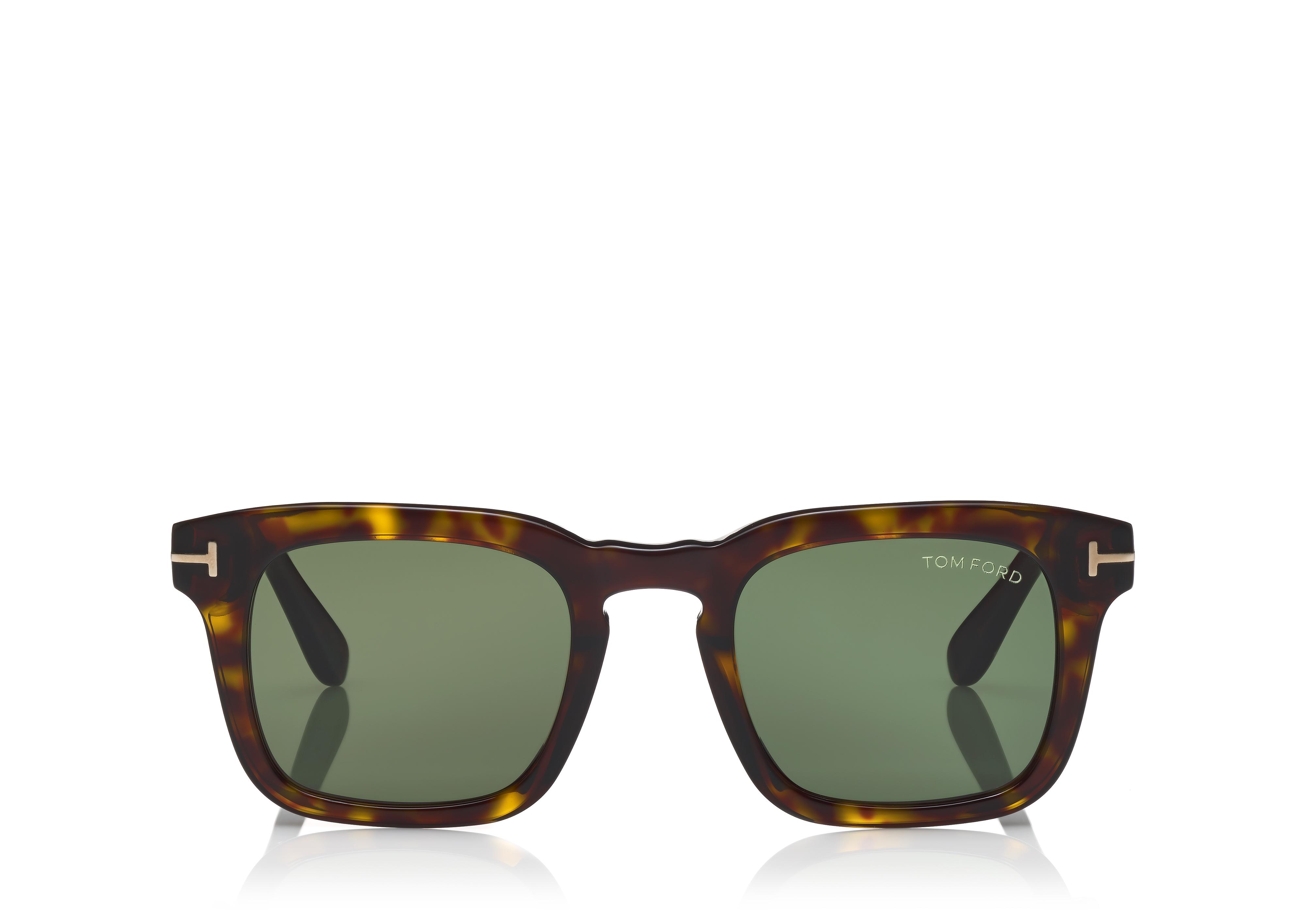
The Whitney or the Jennifer. Both are acetate frames with enough presence to register as Tom Ford without announcing it. The Whitney is slightly oversized, the Jennifer more cat-eye. What you're paying for here is proportion and finish: the temples taper cleanly, the hinges sit flush, and the acetate is thick enough that the frames don't feel flimsy after a year of being tossed into bags. The house logo—a small gold 'T' at the temple—is discreet in a way that reads as confidence rather than restraint.
These are made under licence by Marcolin, which also handles Moncler and Zegna eyewear. That's not a criticism—it's context. You're not buying from the same ateliers that cut the suiting, but Marcolin's production is clean and the quality control is consistent. The frames come with a hard case that actually protects them, which is rarer than it should be at this price.
If you wear prescription lenses, factor in another €150–€250 for decent glass. If you don't, the sunglasses do more work than the opticals. They're the piece people clock first.
The Lipstick — $60
Lip Color in Scarlet Rouge or Bruised Plum, depending on whether you want something that works with a suit or something that works against it. The formula is creamy without sliding, pigmented enough that one pass is sufficient, and housed in a gold-toned case that weighs more than most compacts. It's a small object, but it's engineered like a piece of hardware.
This isn't where you go to understand Tom Ford's tailoring or leather programme, but it's where the house distilled its aesthetic into something you can carry daily. The lipstick has become shorthand for a certain kind of polish—the kind that doesn't require explanation. If you're testing the waters, this is the lowest-risk entry. It's also genuinely good cosmetics, which isn't always true when a fashion house does beauty.
The Leather Card Holder — $250–$350
A flat card case in grained calf or smooth calfskin, usually in black or a deep navy. No coin pocket, no billfold—just six card slots and a centre slip for folded notes. It's the kind of piece that makes you rethink carrying a full wallet.
Tom Ford's leather goods are made in Italy, primarily in Tuscany and Veneto, and the house uses the same tanneries that supply Hermès and Bottega. The grain is tight, the hand is supple without being soft, and the edges are finished cleanly—no rough cuts or uneven dye bleed. After a year, the leather burnishes rather than cracks. That's the tell.
The card holder won't make you rethink your relationship to accessories, but it will last longer than most things at this price point. It's also small enough that it doesn't broadcast. You pull it out to pay, someone clocks the gold foil logo inside, and that's the end of the interaction.
The Silk Tie — $200–$280
A seven-fold tie in printed silk twill or a solid grenadine weave. The seven-fold construction means no interlining—just silk folded over itself seven times, then hand-stitched at the back. It's an old Neapolitan technique that produces a tie with more body and a better knot than anything fused or glued.
Tom Ford's ties are made in Italy, and the house doesn't outsource the printing. That means the placement is deliberate, the colour registration is tight, and the patterns—usually geometric or paisley—don't look like they came from a stock library. The grenadine weave is less common and more versatile. It reads as textured from a distance, holds a knot without bulk, and works across seasons.
This is the piece that makes sense if you wear tailoring regularly. If you don't, skip it. A $250 tie is only worth it if you're actually tying it three times a week.
The Suede Bomber — $3,200–$4,500
A blouson-cut jacket in Italian suede, usually with ribbed cuffs and a zip closure. No patch pockets, no excess hardware—just a clean silhouette and suede that's been aniline-dyed so the grain stays visible. The fit is trim through the body without pulling, and the shoulders are structured just enough to hold shape over knitwear.
This is where Tom Ford's tailoring background shows up outside of a suit. The jacket is cut like outerwear but constructed like a sport coat: the lining is silk-blend, the seams are finished with the same attention as a blazer, and the proportions are specific enough that it doesn't work on everyone. Try it on. If the shoulder seam hits past your natural shoulder line, size down.
Suede requires maintenance—brush it after wear, store it with space around it, and don't let it sit damp. But if you treat it correctly, this jacket improves for five years before it even thinks about decline. It's the kind of piece you buy once and wear until the ribbing finally gives out.
The Whitney Tote — $2,800–$3,200
A structured top-handle tote in smooth or grained calf, usually in black, cognac, or a dark forest green. The shape is boxy, the handles are short enough to carry by hand but long enough to tuck under an arm, and the interior is suede-lined with a single zip pocket. No logo plate on the exterior—just a small embossed stamp inside.
The leather is Italian vacchetta, which means it's vegetable-tanned and will darken with exposure and handling. The corners are reinforced, the stitching is tight, and the bag holds its shape even when empty. It's not a soft, slouchy carryall. It's a bag that looks like it has somewhere to be.
This sits in the same price range as an entry-level Bottega Cabat or a mid-tier Loewe Puzzle, but it's more formal than either. If your daily carry involves a laptop and a change of shoes, this isn't the bag. If it involves documents, a wallet, and a book, it is.
Tom Ford's leather ages the way good leather should: it darkens, it softens slightly, and it develops a patina that's yours. The suede will need brushing. The eyewear will need tightening at the hinges after a year. The ties should be stored rolled or hung, never folded. None of this is complicated, but it's not optional either. You're buying things made from materials that respond to use. Treat them accordingly and they'll look better in three years than they did new.