Bottega Veneta : les artisans qui font le travail
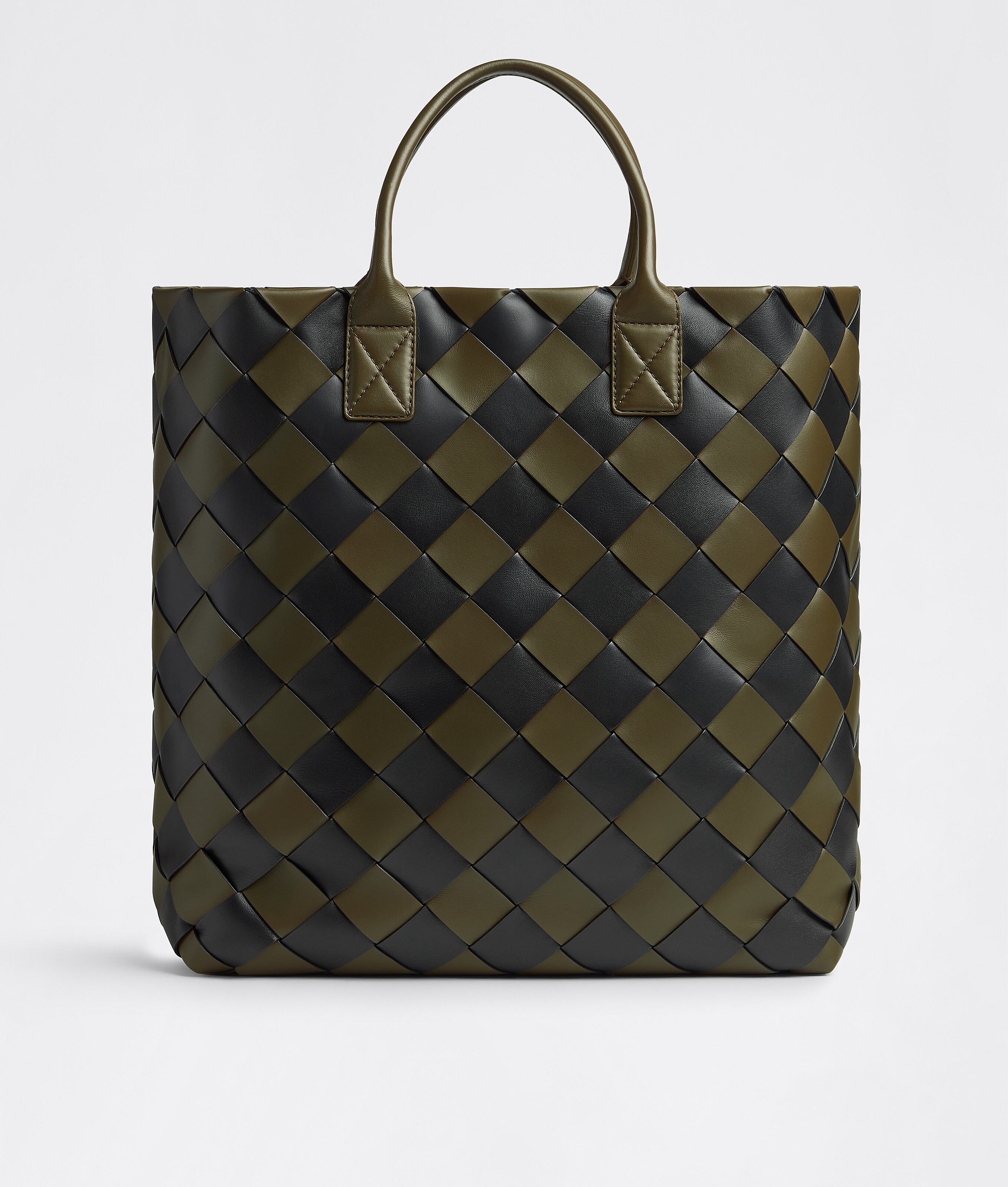
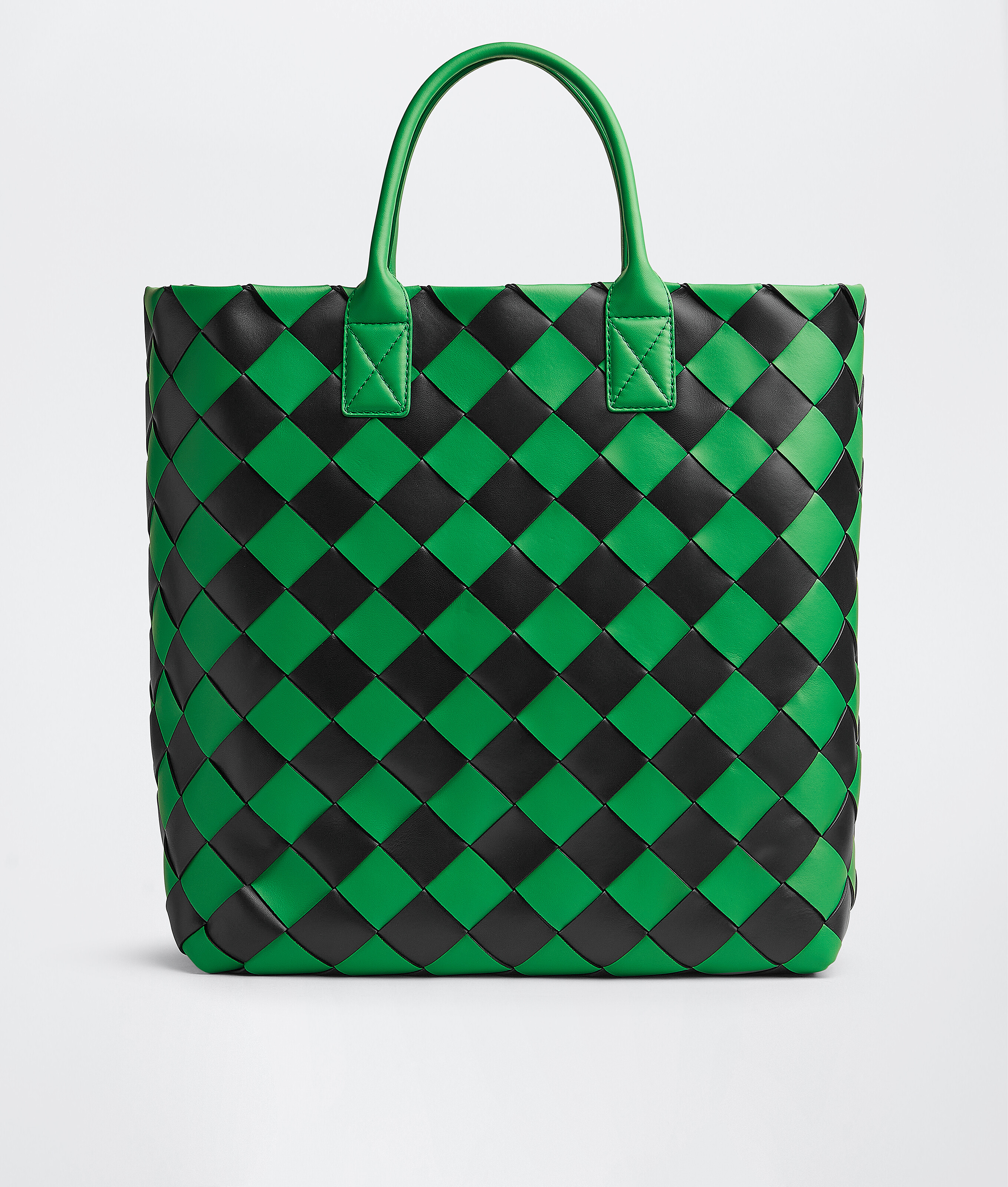
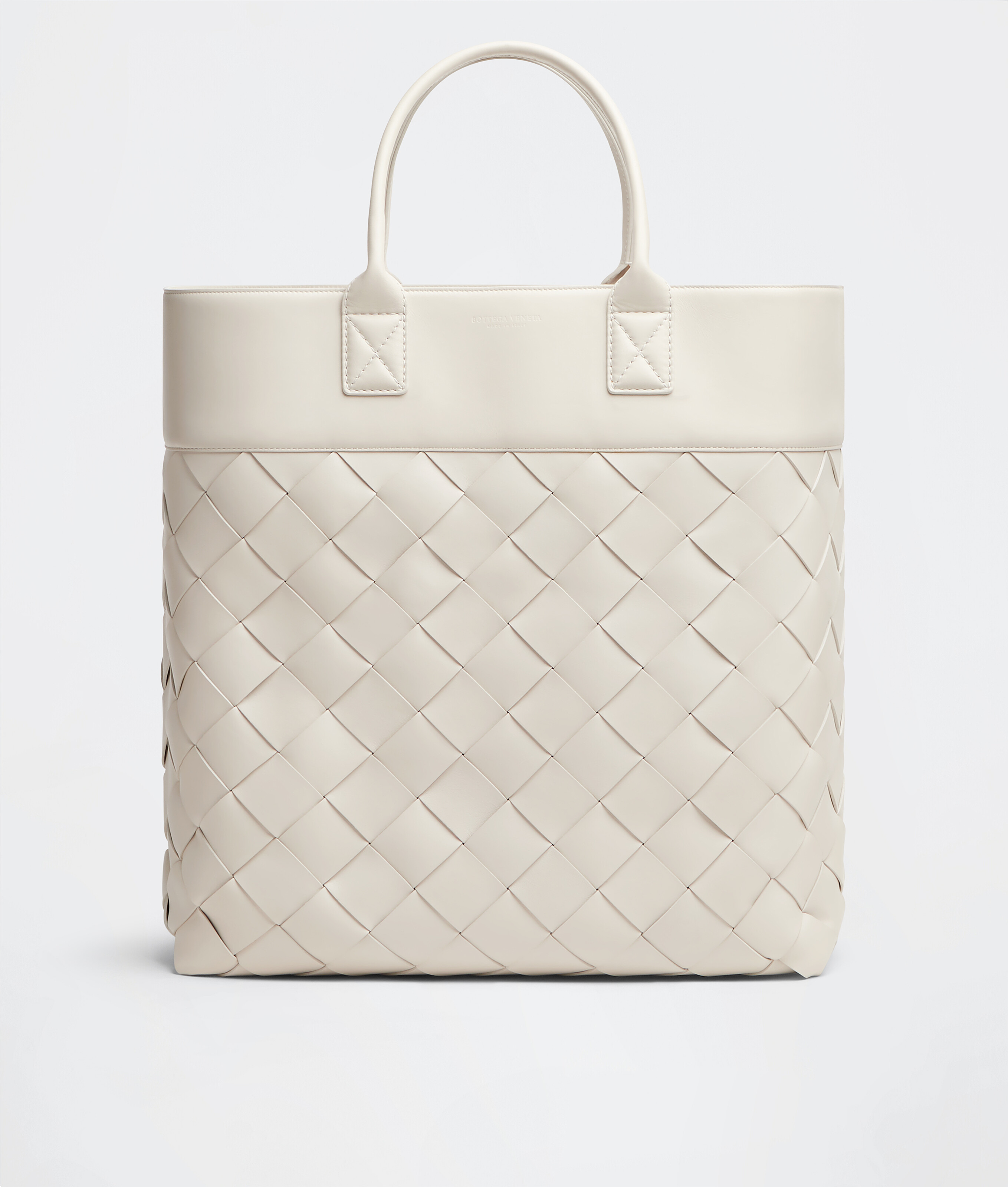
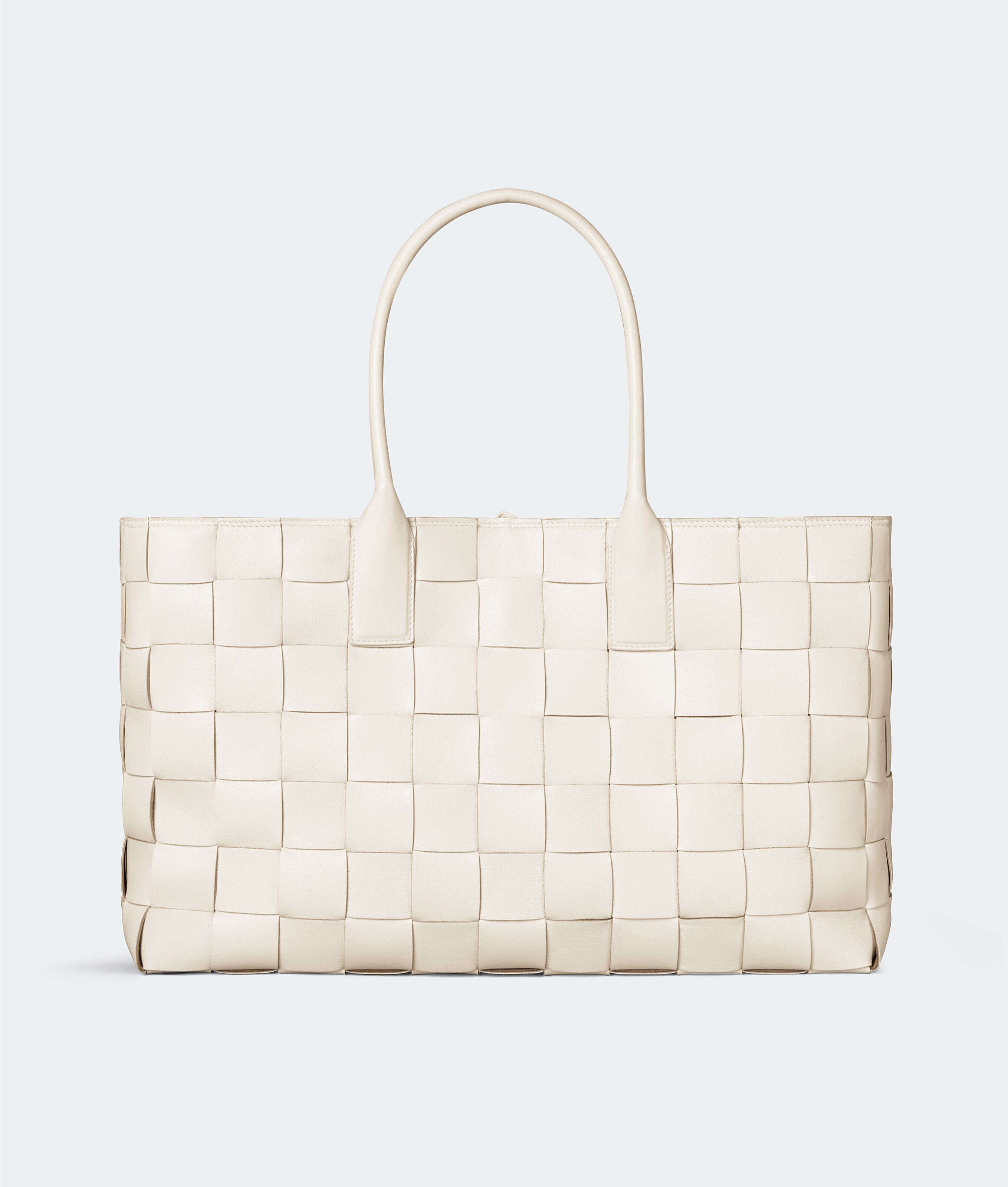
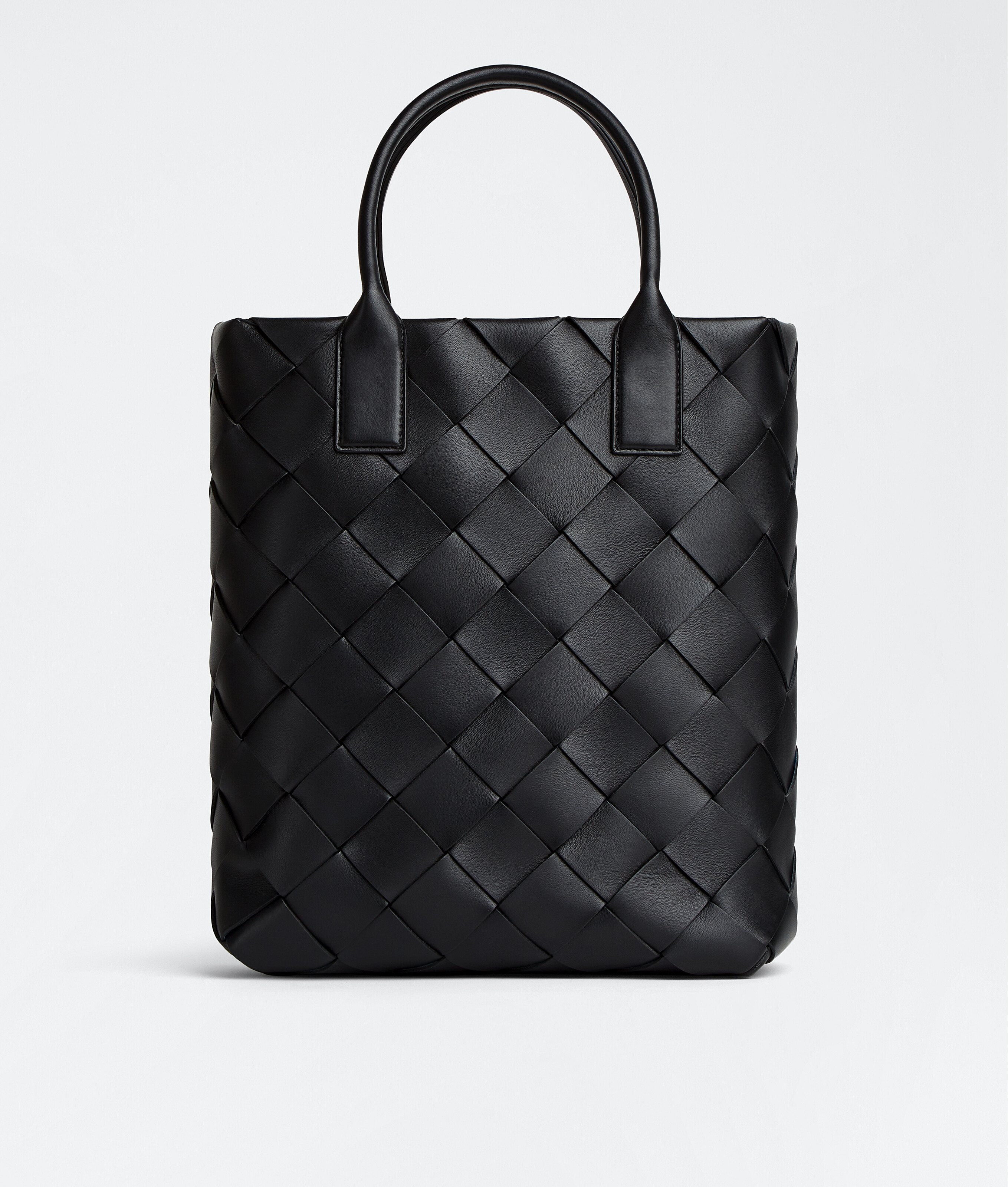
The intrecciato weave — that trellis of leather strips folded at precise right angles — does not exist until someone's hands make it exist. At Bottega Veneta's atelier in Montebello, twenty minutes north of Vicenza, that someone is usually Cristina. She has been weaving leather for thirty-two years. Her fingers move without hesitation, folding each strip under and through in a rhythm that looks effortless and is anything but. She does not use templates. The tension is in her hands.
This is the part the campaigns do not show. Bottega Veneta has built its reputation on craft, on the phrase when your own initials are enough, on an aesthetic that privileges material over logo. But the conversation rarely extends to the people holding the needles. Cristina is not alone. There are twelve master artisans in Montebello who specialise in intrecciato alone. Each one trained for at least five years before touching a piece bound for production. Their names do not appear in press releases. They should.
The training ground
Bottega Veneta's atelier is not romantic. It is a series of well-lit workrooms with cutting tables, industrial sewing machines, and racks of leather sorted by thickness and finish. The air smells faintly of tannin and glue. This is where new hires spend their first six months learning to cut a straight line. Not with a rotary blade — with a knife. The house believes that understanding resistance, the way calf splits differently than lambskin, begins in the hand.
Matteo joined the atelier in 2019. He had studied leatherwork at a vocational school in Padua and assumed he knew enough to begin. He did not. His first assignment was to cut practice strips for a month. When he moved to stitching, he spent another two months on interior pockets that no customer would ever see. The logic, his supervisor explained, is simple: if you cannot make an invisible seam perfect, you will not be trusted with a visible one.
By his third year, Matteo was working on Jodie bags. The Jodie — a soft hobo shape with a single knotted handle — requires the leather to be skived thin enough to knot without cracking, but thick enough to hold structure once filled. The margin is less than half a millimetre. He ruined four before he got it right. He now turns out three a day, each one taking roughly six hours from cut to final stitch.
The signature piece
The Cassette, Bottega's quilted crossbody, is the house's most recognisable bag since Daniel Lee's arrival in 2018. It looks simple. It is not. The quilting is not stitched through padding, as most quilted bags are. Each puffy square is a separate pillow of leather, stuffed and closed by hand, then joined to its neighbours with a topstitch that must land exactly on the seam line. If the stitch is a millimetre off, the grid warps. The bag is rejected.
Giulia has been making Cassettes since the style launched. She estimates she has produced somewhere near two thousand. I ask if it ever becomes automatic. She shakes her head. Every hide is different. Lambskin stretches. You cannot predict how much until you start stuffing. If you overfill, the seam puckers. If you underfill, the square collapses. You learn by touch, and you learn slowly.
She is currently training two new artisans. Both have been at Bottega for over a year. Neither has been allowed to finish a Cassette alone. One of them, Alessia, tells me she practises the topstitch at home on scrap leather. She wants the muscle memory to be there before Giulia lets her work unsupervised. I ask how long that will take. Giulia shrugs. "When I trust her hands."
The invisible work
Not every artisan works on bags. Some specialise in shoes. Others in small leather goods. Then there is the finishing team, six people whose sole job is to inspect every piece before it leaves Montebello. They check stitches with a loupe. They run their fingers along every seam to feel for irregularities the eye might miss. If they find a flaw, the piece goes back. No exceptions.
Luca works in finishing. He used to make bags but developed tendonitis in his wrist and moved to inspection eight years ago. He is the person who decides whether a piece is good enough to carry the Bottega name. I ask what the most common flaw is. He says uneven tension in the intrecciato. The weave looks fine, but one strip is pulled slightly tighter than the others. Over time, with use, that strip will stretch differently. The bag will lose its shape. Most customers would never notice. Luca does.
He rejects roughly one in every thirty pieces. Some flaws can be corrected. Others cannot. A bag with uneven tension goes back to the artisan who made it. Not as punishment, Luca clarifies, but as feedback. You cannot improve if you do not see your mistakes.
What comes next
Bottega Veneta is not immune to the pressures facing the rest of the industry. Production timelines are tightening. The house releases four collections a year, not two. Artisans are being asked to learn new techniques faster, to adapt to creative direction that shifts with each designer's tenure. Matthieu Blazy, who took over from Lee in 2021, favours softer constructions, bags that fold and drape rather than hold rigid shapes. This requires a different approach to skiving, to stitching, to finishing.
Cristina tells me the hardest part is not learning new techniques. It is unlearning old ones. She was trained to make bags that stood upright on a shelf. Now she is making bags that puddle. The instinct to add structure, to reinforce, has to be overridden. It feels wrong, she says, even when the result is exactly what the design calls for.
The atelier is hiring. Bottega needs more hands. But hands take years to train, and the fashion calendar does not wait. The solution, so far, has been to keep the core team small and expect more from them. Matteo now works on three different bag styles. Giulia is training on shoes. Luca's inspection queue has doubled since 2019.
I ask Cristina if she worries the craft will be diluted. She considers this. Then she says no. The house knows what it is. The intrecciato exists because someone decided, decades ago, that it was worth the time to do it properly. That decision holds. Her hands prove it every day.