## Hubert de Givenchy opened his first atelier in February 1952 with four workroom hands and a line of cotton separates
Hubert de Givenchy opened his first atelier in February 1952 with four workroom hands and a line of cotton separates
The collection showed on a Monday. Carmel Snow arrived late, glanced at the first three exits, and stayed for the rest. By Wednesday, the house had orders from Neiman Marcus and Bergdorf Goodman. By the end of the month, every coat in the collection had been copied by American manufacturers. Givenchy was twenty-four.
He had spent the previous seven years working under Jacques Fath, then Robert Piguet, then Lucien Lelong, then Elsa Schiaparelli. The progression was deliberate. Fath taught him construction. Piguet taught him restraint. Lelong taught him how to run a business with dignity. Schiaparelli taught him what not to do. By the time he left her atelier in 1951, he knew exactly what kind of house he wanted to build: one that made clothes women could wear without apology.
The first collection was called Les Séparables. The name was practical. Everything came apart. Sleeves detached from bodices. Skirts unbuttoned from waistbands. A single dress could become a blouse and a skirt, or a tunic and culottes, depending on what the wearer needed that morning. The press called it revolutionary. Givenchy called it common sense. He had grown up watching his mother dress for the day in pieces, not costumes. He saw no reason couture should work differently.
The silhouette was clean. High necklines, narrow shoulders, skirts that fell just below the knee. No padding, no boning, no structure that required an undergarment to make sense. The fabrics were cotton shirting, crisp linen, lightweight wool. This was 1952. Dior's New Look was still the dominant shape in Paris—cinched waists, full skirts, clothes that required a team to get into. Givenchy's separates looked like an argument against all of it.
Audrey Hepburn walked into the atelier in the summer of 1953. She was looking for costumes for Sabrina. Givenchy thought she was Katharine Hepburn and nearly turned her away. She stayed for three hours. He pulled pieces from the previous season's collection and adjusted them in the fitting room. The black cocktail dress with the bateau neckline came from a day look he had shown six months earlier. The white strapless gown came from an evening piece he had made for a private client. None of it was designed for film. All of it worked.
The collaboration lasted forty years. Hepburn wore Givenchy in eight films and in most of her private life. The relationship was often described as a friendship, which it was, but it was also a working partnership built on shared restraint. Hepburn understood that simplicity required more precision than decoration. Givenchy understood that her frame could carry a line better than any mannequin. They did not need to explain this to each other.
By 1957, the house had expanded into a full haute couture operation. The atelier employed sixty people. The collections showed twice a year in a townhouse on avenue George V. The work was still spare—Givenchy preferred a single seam to three—but the house had developed signatures. The Bettina blouse, named after the model who wore it first, became the house's most copied piece. The sack dress, introduced in 1957, predated Balenciaga's version by six months. The house's evening coats, cut wide through the shoulder and narrow through the sleeve, became a template for every couture house that followed.
Givenchy sold the business to LVMH in 1988. He stayed on as creative director until 1995. The terms of the sale were never disclosed, but the structure was clear: LVMH acquired the name, the atelier, the archive, and the client list. Givenchy retained a consulting role and a small percentage of profits. He was sixty-eight. He had run the house for forty-three years. He told Women's Wear Daily he was tired of showing collections twice a year to an audience that no longer understood what couture was for.
The house has had seven creative directors since Givenchy left. John Galliano lasted eight months. Alexander McQueen lasted five years. Julien Macdonald lasted four. Riccardo Tisci lasted twelve. Clare Waight Keller lasted three. Matthew M. Williams lasted three. Sarah Burton arrived in 2024.
Each designer brought a distinct vision. McQueen's collections were gothic and sharp, built around tailoring that pulled against the body. Tisci leaned into darkness—leather, lace, religious iconography, clothes that looked expensive and vaguely dangerous. Waight Keller cleaned the line back up, focusing on proportion and a kind of quiet luxury that felt closer to Givenchy's original ethos. Williams pushed into streetwear, introducing sneakers, hardware, and a younger customer base. Burton, arriving from Alexander McQueen, is expected to bring a softer hand, though it is too early to say what that will look like in practice.
The question facing every new designer is the same: what remains of the house's original identity, and what is worth preserving. Givenchy built his reputation on restraint, on clothes that required no explanation. That approach does not generate headlines. It does not move product in the way LVMH expects product to move. The house now operates in a market where visibility matters more than discretion, where a viral moment is worth more than a perfectly set sleeve.
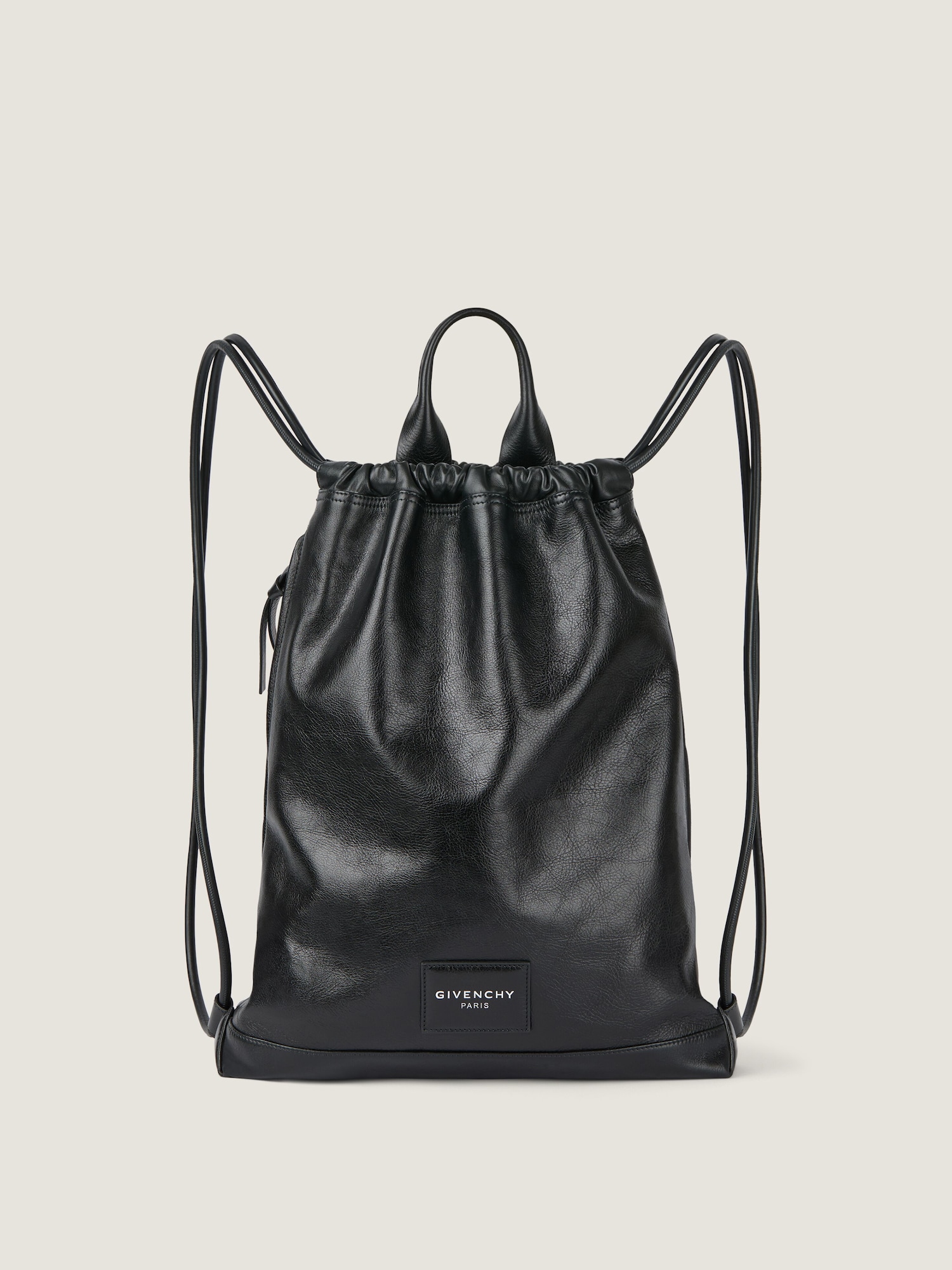
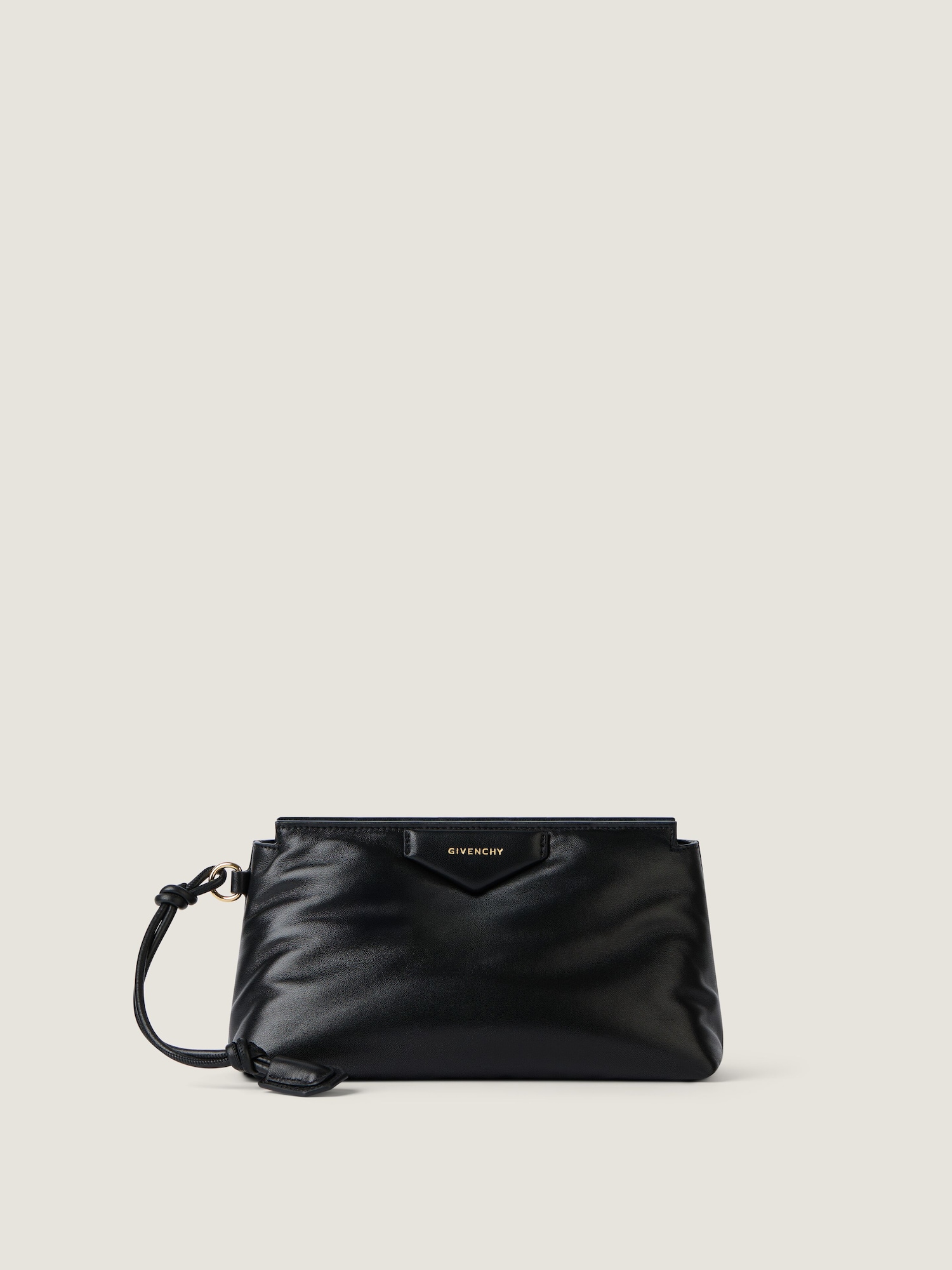
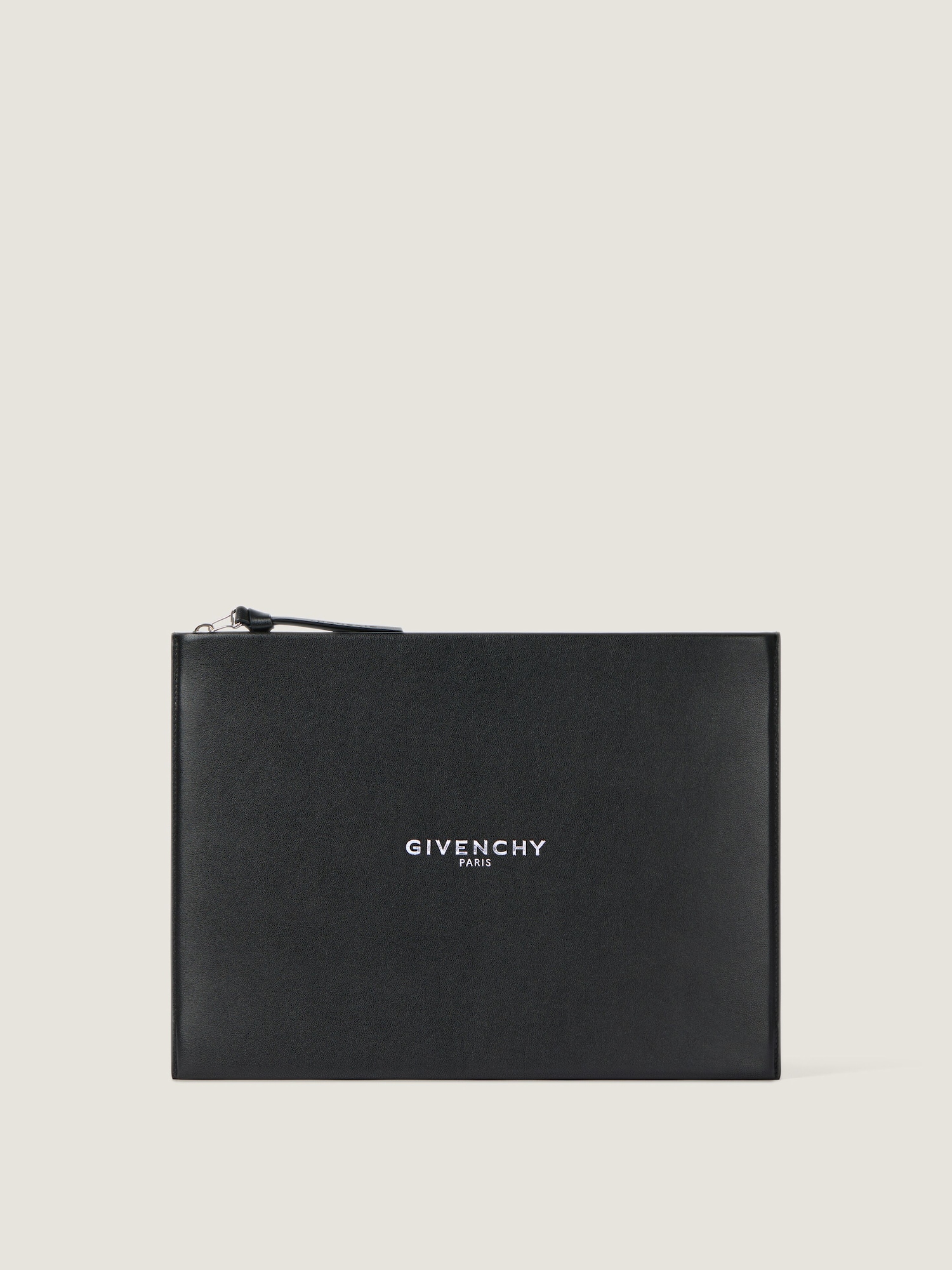
The haute couture atelier still exists. It employs thirty-two people and produces two collections a year for a client list that numbers in the low hundreds. The work is precise. The techniques are the same ones Givenchy used in 1952. But the atelier is no longer the centre of the business. Ready-to-wear accounts for the majority of revenue. Accessories account for more. The house's bestselling product is not a dress or a coat. It is a logo-stamped leather bag that retails for two thousand euros and has no connection to anything Givenchy designed.
Hubert de Givenchy died in 2018 at the age of ninety-one. He had not been involved with the house for twenty-three years. In his final interview, given to Le Figaro in 2017, he was asked whether he still followed the collections. He said he did not. He said he preferred to remember the house as it was when he ran it, when the work was about craft, not commerce. He did not say this bitterly. He said it the way someone describes a marriage that ended amicably but could not be revived.
What remains is a name, an atelier, and a set of techniques that are still taught to every new hire. The house no longer makes separates. It no longer prioritises restraint. But the ateliers still cut a sleeve the way Givenchy taught them to cut a sleeve, and that is not nothing. Whether it is enough is a question the market will answer, not the archive.