Hubert de Givenchy stood six foot six
Hubert de Givenchy stood six foot six. Photographs from the early fifties show him bent over a cutting table in his first atelier on rue Alfred de Vigny, a lean silhouette folded in half to reach the cloth. He opened the house in February 1952 with four workroom hands and a collection of cotton separates that Vogue called "a first collection of dresses and ensembles with youthful elegance and beautiful workmanship." He was twenty-four.
The breakthrough was immediate. Bettina Graziani wore a white cotton blouse with broderie anglaise sleeves for the opening show. Women's Wear Daily ran the image on the front page. Within a season, the house had orders from Bergdorf Goodman and Neiman Marcus. Givenchy had worked under Jacques Fath and at Schiaparelli before going out on his own, but he learned proportion from Balenciaga, whom he met in 1953. The two became close. Balenciaga would send clients to Givenchy when his own atelier was overbooked. Givenchy absorbed the older man's discipline, the way a sleeve should set without a ripple, the way a back seam could describe a spine without touching it.
What the house became known for, though, was not rigour. It was ease. Givenchy cut day dresses with dropped waists and shirt dresses with no waist at all. He showed coats that skimmed rather than shaped. In 1954, he introduced the Bettina blouse again, this time in black organdie with full sleeves gathered at the cuff. It became the house signature for a decade. Audrey Hepburn wore his clothes in Sabrina in 1954, then in nearly every film after. The silhouette people associate with her—the bateau neckline, the narrow black dress, the flat ballet pump—was Givenchy's, not hers.
By 1957, the house employed two hundred people. Givenchy showed couture twice a year and licensed ready-to-wear to manufacturers in the United States. He opened a menswear line in 1969, then Givenchy Gentleman fragrance in 1974. The business model was clean: couture as the creative engine, licensing as the revenue stream. He sold the company to LVMH in 1988 but stayed on as creative director until 1995. His final show was held in July of that year at the Stade de France. He walked out to applause that lasted four minutes.
What remains of that house is harder to measure. The atelier still operates on avenue George V, though the building itself has been renovated twice since Givenchy left. The petites mains who worked under him are retired or gone. The archive exists, but much of it has been sold or donated. A black wool coat from 1968, cut with a single back seam and no visible closures, sold at Christie's in 2017 for $18,000. The estimate had been $4,000. Collectors want the early work, the pieces made before the LVMH acquisition, when Givenchy himself still approved every toile.
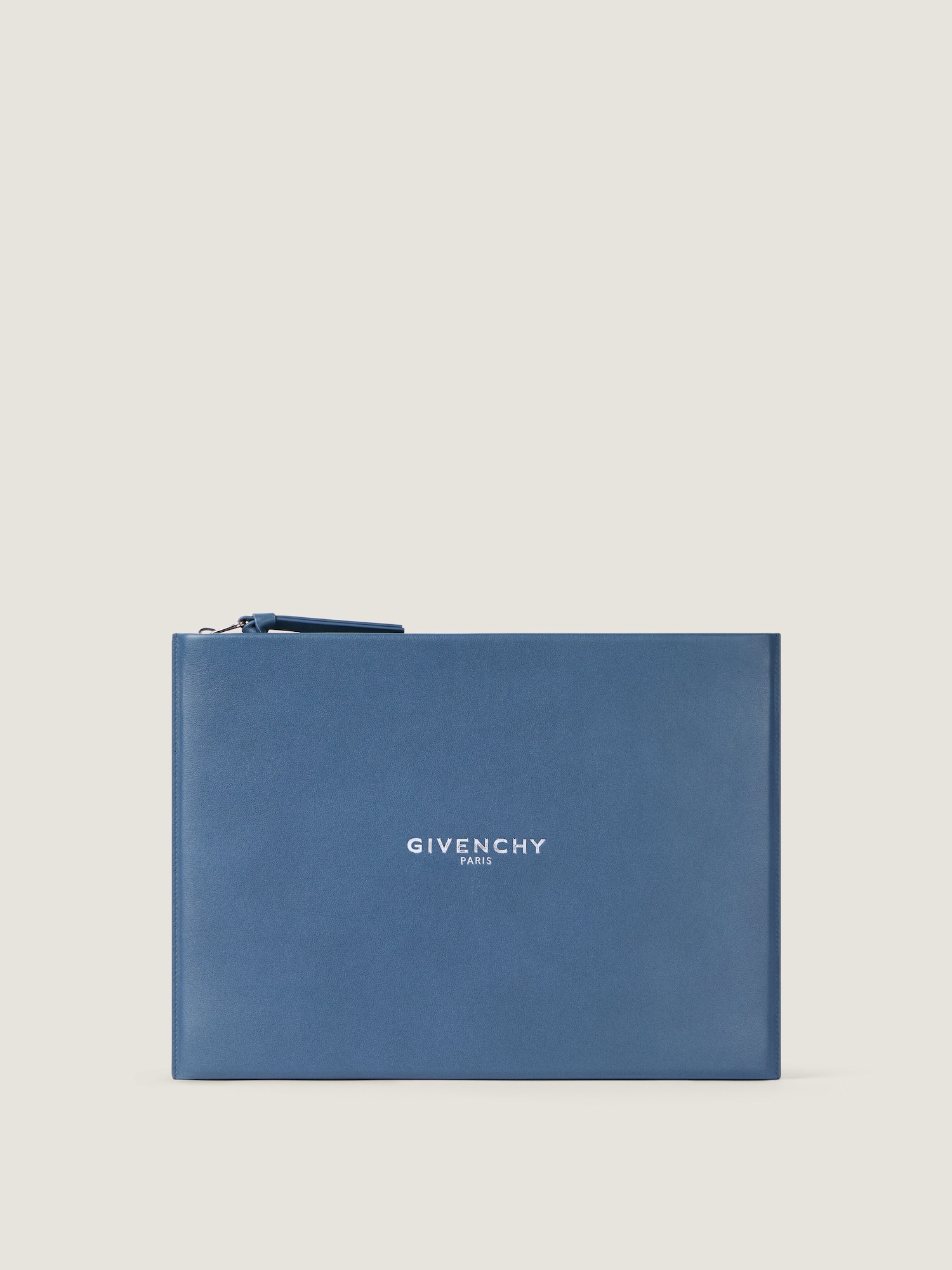
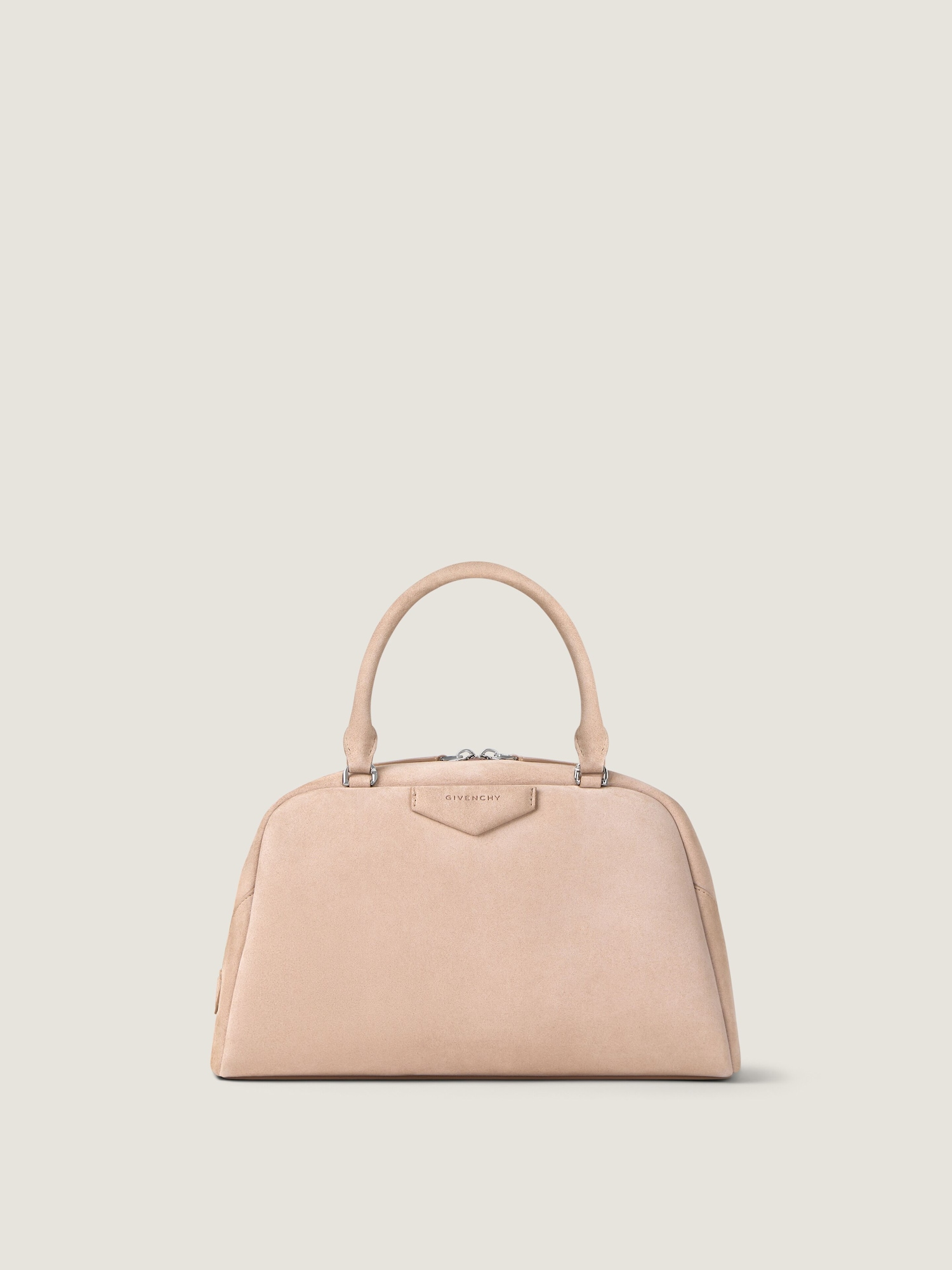
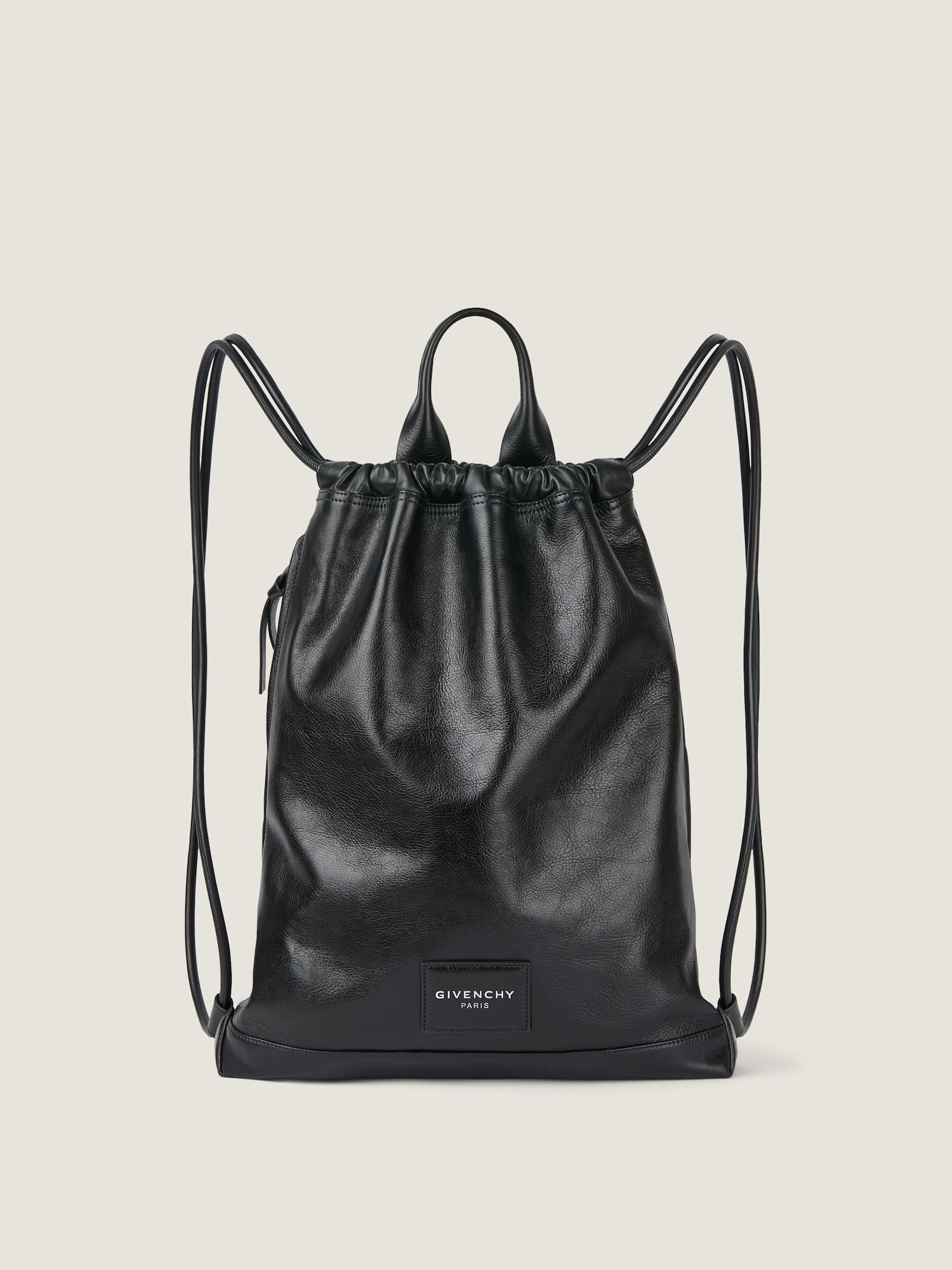
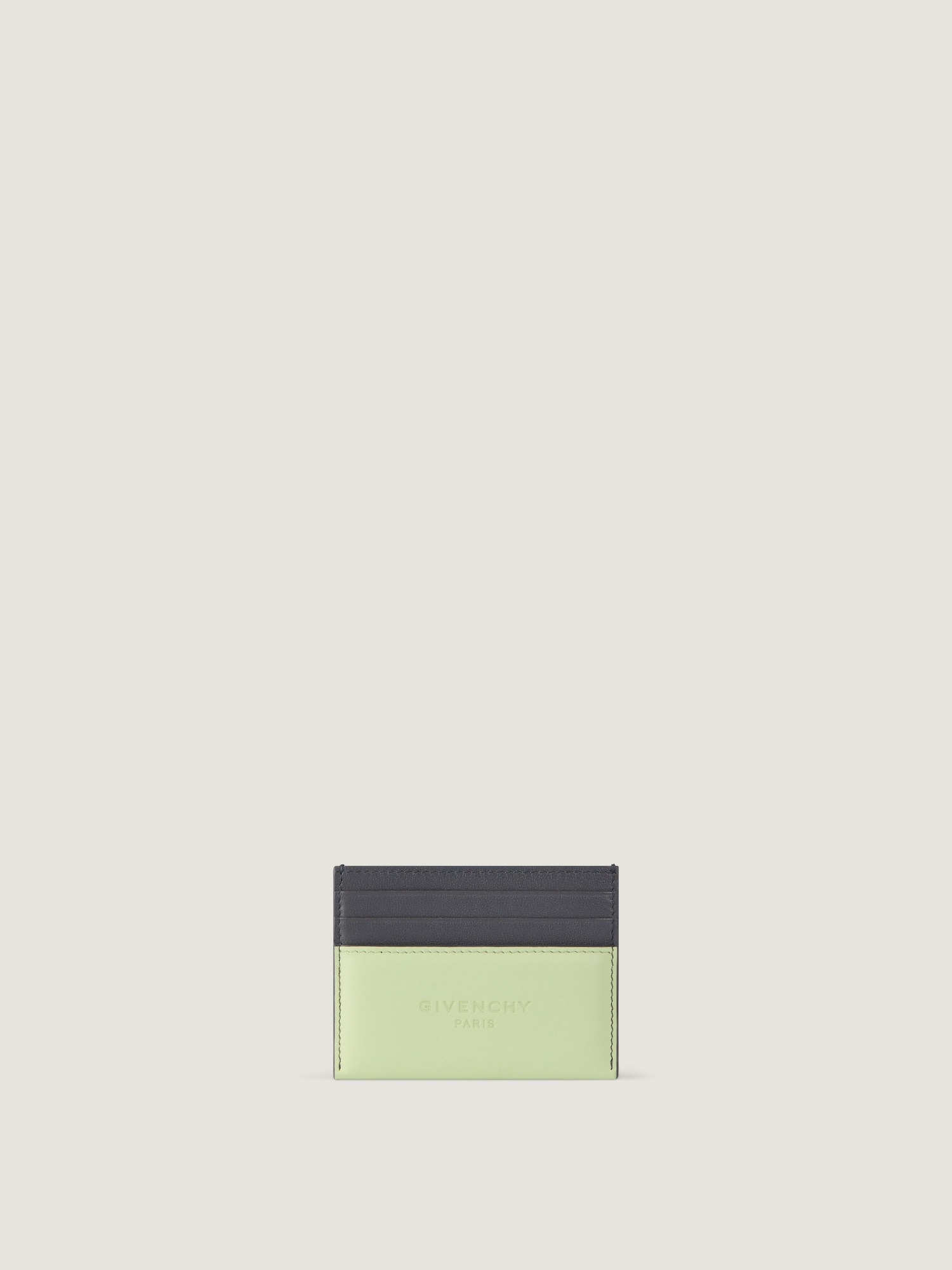
The house today operates under a different logic. Matthew Williams took over as creative director in 2020 after stints at Alyx and collaborations with Nike and Dior. His first collection for Givenchy leaned into hardware—chainlink bags, padlocks, industrial zips—and a streetwear sensibility that had little to do with Hubert de Givenchy's vocabulary. The clothes sold. Williams understood product. He knew how to move units through Dover Street Market and Ssense. But the tension between what the house was and what it is now sits unresolved.
There is a version of this story in which continuity matters. In which a house founded on restraint and proportion should continue in that vein, or at least acknowledge it. Balenciaga, under Demna, has managed this. The brand's silhouette has shifted radically, but the obsession with construction, with how a garment is built rather than merely designed, remains legible. You can trace a line from Cristóbal Balenciaga's 1967 envelope dress to Demna's 2022 couture in a way that feels coherent, even when the aesthetic is unrecognisable.
Givenchy has not found that line. The house cycled through five creative directors between 1995 and 2020: John Galliano, Alexander McQueen, Julien Macdonald, Riccardo Tisci, Clare Waight Keller. Each brought their own language. Tisci's gothic romanticism sold bags and built a menswear business. Waight Keller designed Meghan Markle's wedding dress, which was seen by 29 million people and generated an estimated £1 billion in economic impact for the UK. But none of them rebuilt the house's identity in a way that lasted past their tenure.
Williams's Givenchy feels like an attempt to start over rather than continue. The question is whether that is possible. A heritage house carries expectations, even when those expectations are a burden. Customers who buy Givenchy today are not buying Hubert de Givenchy's vision—they cannot, because that vision no longer exists in the market. But they are buying the name, and the name still carries the memory of what it once meant. A black dress that does not try too hard. A coat that works for twenty years. A blouse that photographs well and wears better.
Hubert de Givenchy died in 2018 at the age of ninety-one. His obituaries mentioned Hepburn more than his tailoring, which would have irritated him. He spent the last two decades of his life at Château du Jonchet, a seventeenth-century manor he restored himself, and gave few interviews. When he did speak about the house, he was polite but distant. He had moved on. The question is whether the house itself ever will.
What is left, then, is not a legacy so much as a archive. The early work survives in museums and private collections. The name survives on bags and sneakers. The atelier survives, though the hands that work there now are learning a different craft. Whether that is enough depends on what you think a fashion house is for. If it is a commercial entity that adapts to stay relevant, Givenchy is succeeding. If it is a repository of a particular way of seeing and making, the house ended in 1995. Both can be true.