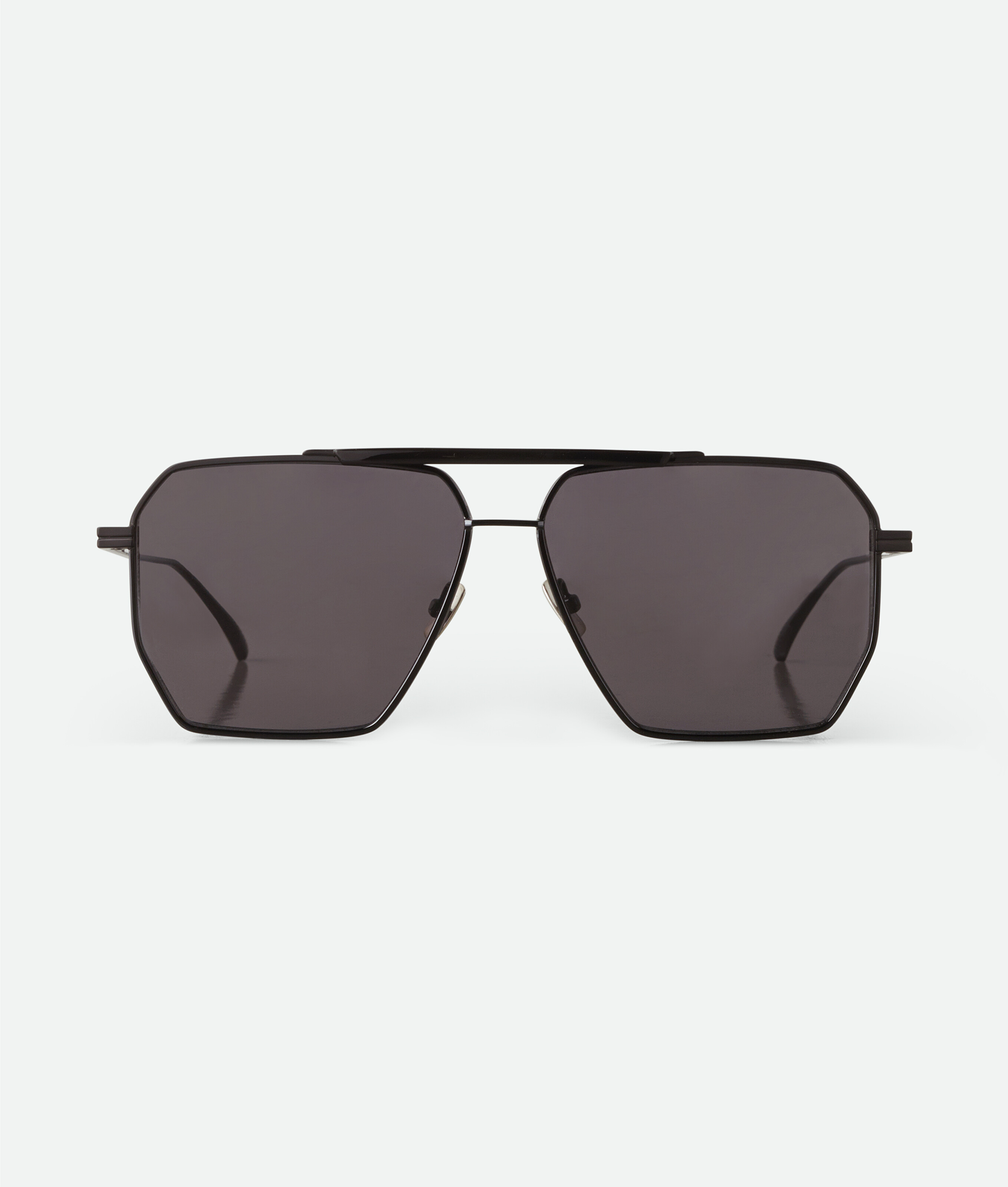
Les fondateurs de Bottega Veneta
Michele Taddei and Renzo Zengiaro opened a workshop in Vicenza in 1966 with a single idea: leather goods made well enough that the leather itself could do the talking. No monograms. No hardware for decoration's sake. Just intrecciato — a woven construction that turned functional seaming into the house signature. They called it Bottega Veneta, which translates, without poetry, to Venetian workshop. The name was accurate. For the first decade, that is exactly what it was.
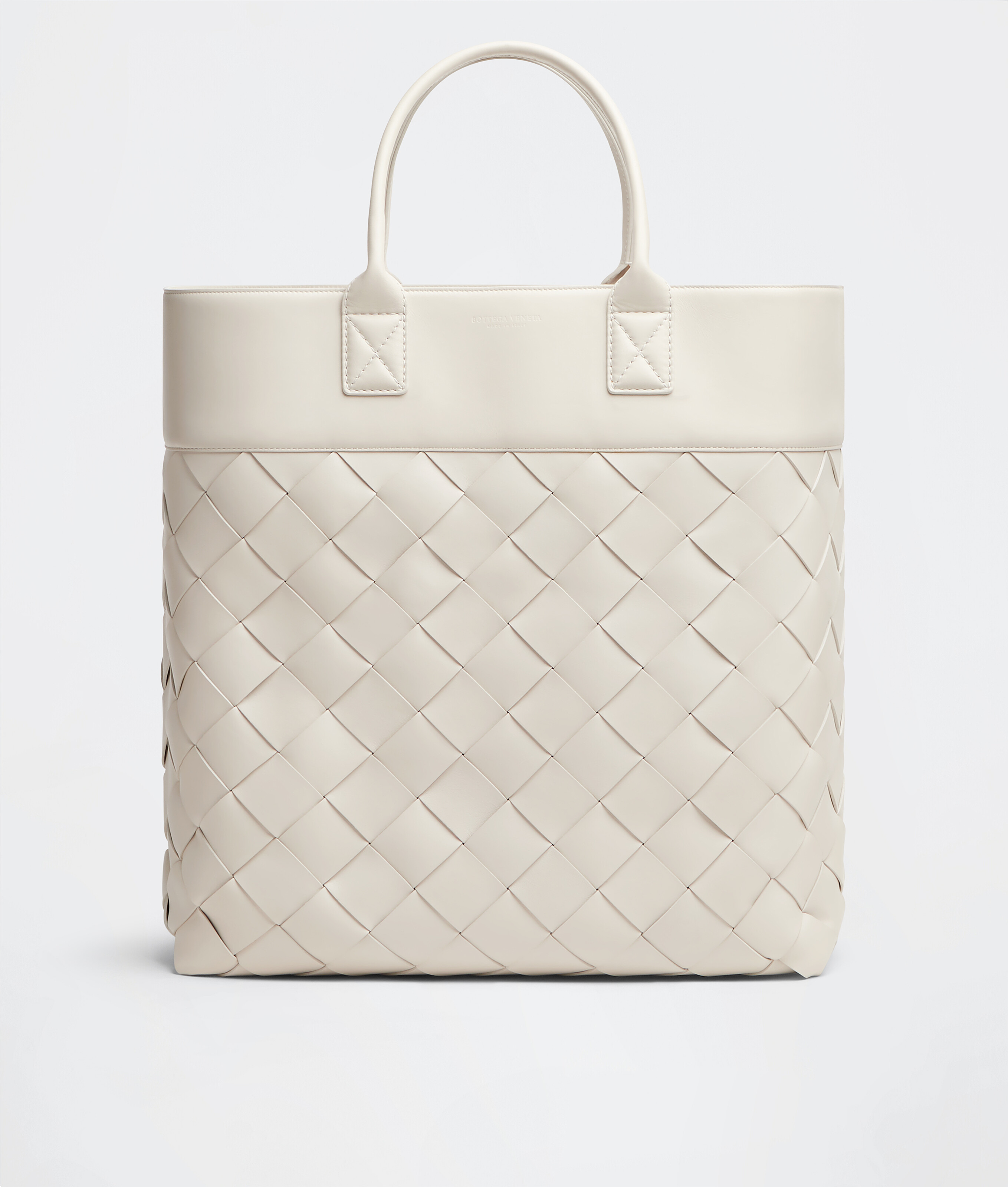
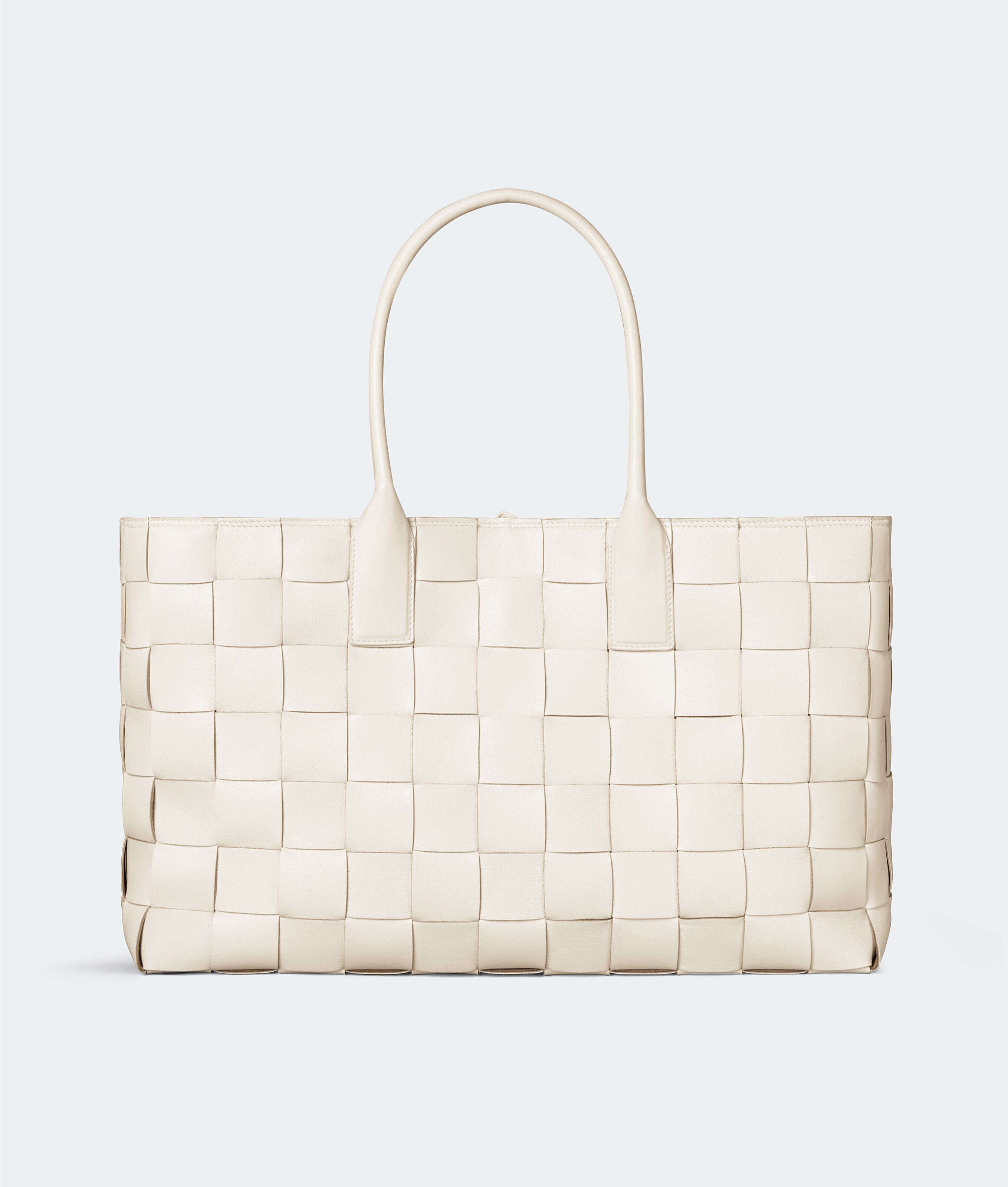
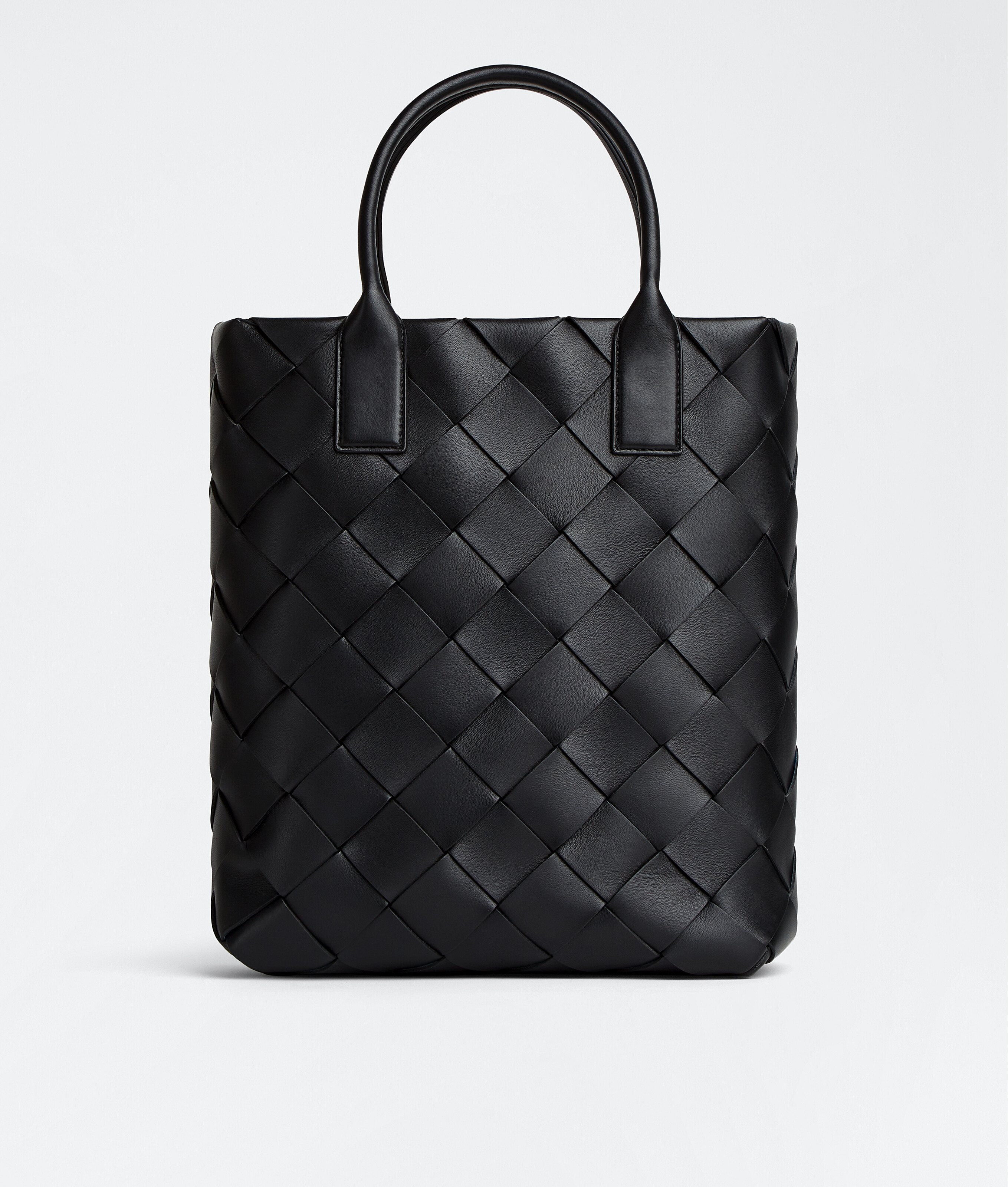
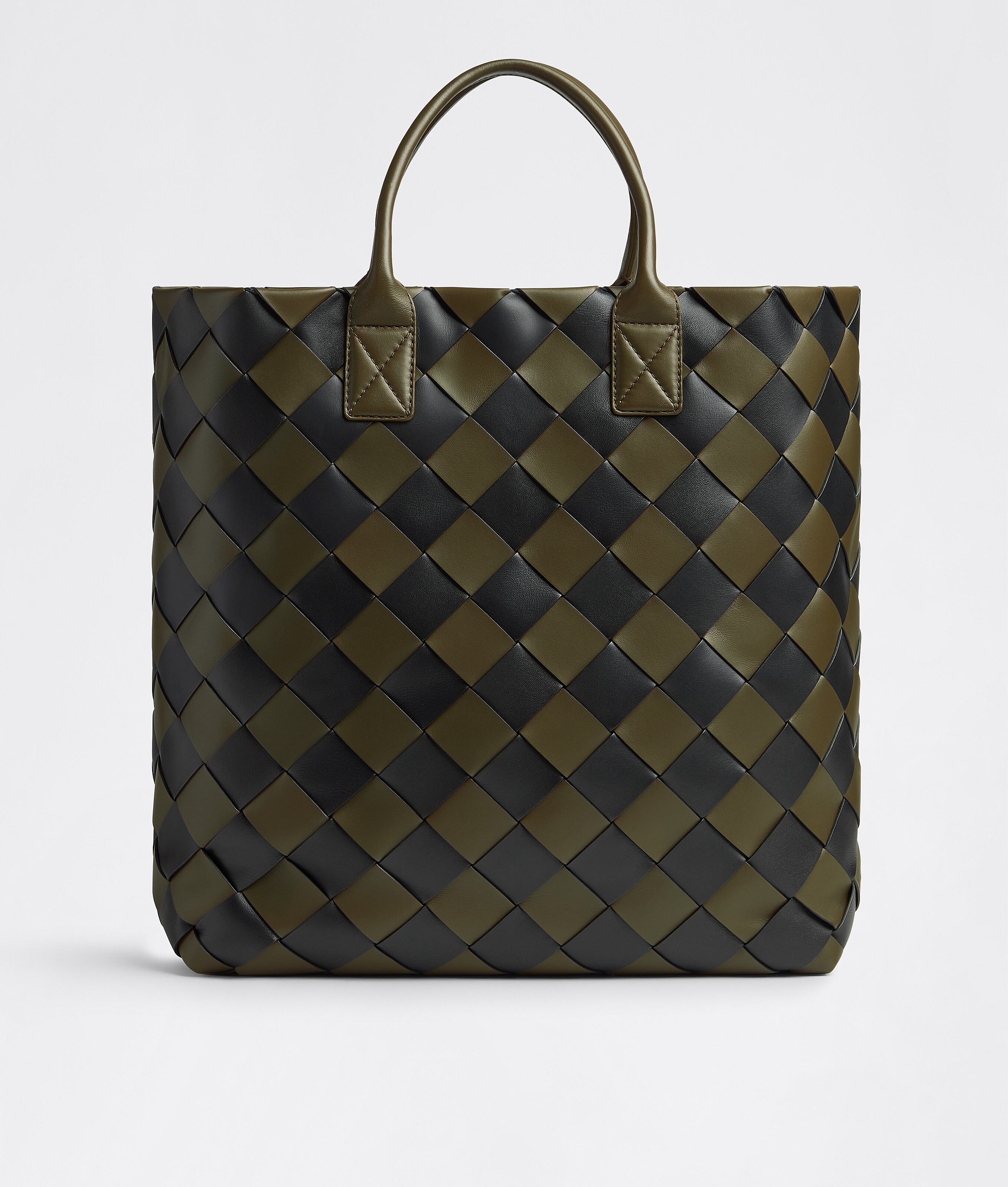
The two men were not designers in the sense we use the term now. Taddei handled the commercial side. Zengiaro knew leather. They hired artisans who had trained in the Veneto's centuries-old tradition of leatherwork, the kind who could splice and weave calfskin into a structure that required no stitching on the exterior. Intrecciato was not invented by Bottega Veneta — woven leather appears in archaeological digs — but the house refined it into a technique tight enough to make a bag that flexed without sagging. By the mid-1970s, American department stores were ordering in volume. The brand entered the accessible-luxury bracket before that phrase existed, selling to women who wanted an alternative to the logo-heavy status bags coming out of France.
What Taddei and Zengiaro built was commercially successful and almost invisible. Bottega Veneta did not advertise. It did not court press. It made bags that sold through quietly, year after year, to clients who liked the fact that no one else knew what they were carrying. The house opened a New York office in 1972. By the early 1980s, it had become the kind of brand that fashion editors mentioned in passing as shorthand for discreet wealth. But the founders were not interested in scale for its own sake. When larger groups began circling in the late '80s, they sold.
The house changed hands twice in quick succession. First to an Italian investment group, then to Gucci Group in 2001, which placed it under the same operational umbrella as Yves Saint Laurent and Balenciaga. By that point, Bottega Veneta had spent a decade adrift. The intrecciato bag still sold, but the rest of the line — shoes, ready-to-wear, small leather goods — felt like a catalogue on autopilot. There was no creative director in the contemporary sense. The house was functioning as a licensor of its own name, producing product in multiple categories with no unifying vision. When Tom Ford and Domenico De Sole acquired it for Gucci Group, the plan was to rebuild from scratch.
Ford hired Tomas Maier in 2001. Maier, a German designer who had worked at Hermès and Sonia Rykiel, understood restraint in a way that most designers coming up in the late '90s did not. His first collection for Bottega Veneta, shown in Milan in 2002, was almost perversely quiet. No logos. No obvious trend plays. The intrecciato was there, but Maier extended it beyond bags into shoes, belts, even ready-to-wear trims. The palette was earthy — rust, moss, grey-brown. The silhouettes were clean but not minimal in the Jil Sander sense. There was softness in the cut, a deliberate lack of sharpness. The fashion press did not know what to make of it.
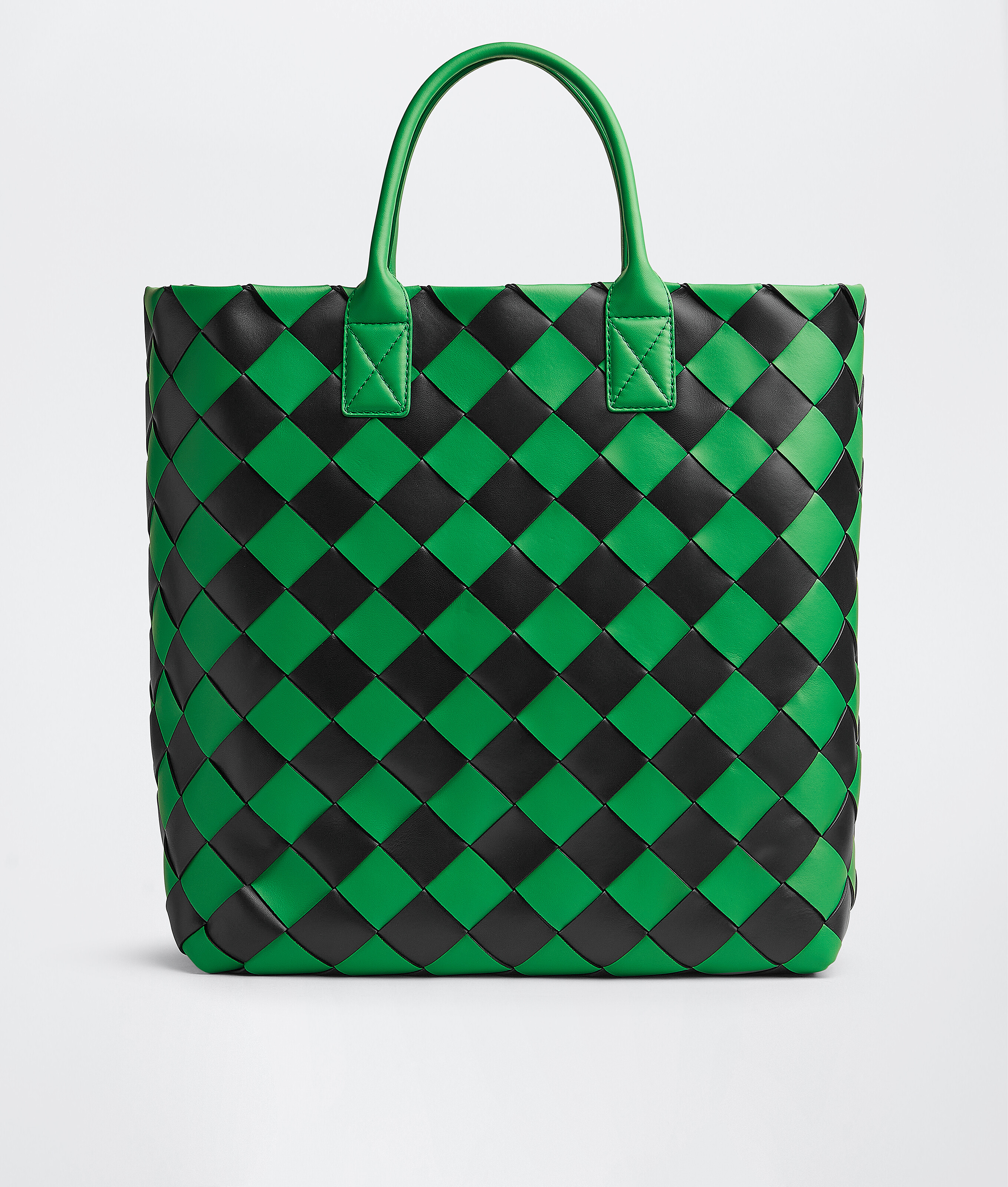
What Maier did, effectively, was to invent a version of Bottega Veneta that had never quite existed. He took the house's founding principle — no logo, craft first — and built an entire aesthetic around it. The intrecciato became the logo by virtue of being the only recognisable element. Maier introduced new weaves: a larger, chunkier version for evening bags, a micro-intrecciato so fine it looked like embossed leather. He worked with the house's Vicenza atelier to develop constructions that required no interior frame, relying instead on the density of the weave to hold shape. The Veneta bag, introduced in the mid-2000s, became the house's answer to the Birkin — a slouchy hobo in woven nappa that retailed for less than half the price of the Hermès equivalent and outsold it in several markets.
Maier stayed for fifteen years. By the time he left in 2018, Bottega Veneta had become the quiet-luxury standard, the house that editors referenced when they wanted to signal taste without flash. But the model had limits. In an industry increasingly driven by social media and logo recognition, Bottega Veneta's invisibility was both its strength and its ceiling. Kering, which had absorbed Gucci Group, wanted growth. Maier's Bottega Veneta was profitable, but it was not explosive.
Daniel Lee arrived in 2018 with a different agenda. Lee, who had spent years at Celine under Phoebe Philo, understood the same language of restraint that Maier had spoken, but he was willing to puncture it. His first collection, shown in Milan in February 2019, kept the intrecciato but exaggerated it. The weave appeared in padded leather coats, in oversized clutches shaped like pillows, in boots with squared toes that looked like they had been carved from a single piece of leather. The Pouch — a soft, gathered clutch with no structure and no hardware — became the house's first viral product. It was everywhere within six months. Lee had turned Bottega Veneta into the kind of brand that moved through Instagram without resorting to logos. The intrecciato was recognisable enough. The silhouettes did the rest.
Lee left in 2021, after three years and a CFDA award. Matthieu Blazy, his successor, came from the same Philo-era Celine training ground but brought a different sensibility. Where Lee had been bold, Blazy was considered. His Bottega Veneta leaned into material innovation — leather treated to look like denim, denim woven to mimic intrecciato, trompe-l'oeil prints that required a second glance. The bags remained commercial, but the ready-to-wear became more cerebral. Blazy's work is technically impressive in a way that does not always photograph well, which presents a problem in an industry that measures success by how quickly an image moves online.
What remains of Taddei and Zengiaro's original vision is debatable. The Vicenza atelier is still operational, still staffed by artisans who know how to weave leather by hand. The intrecciato is still the house signature. But Bottega Veneta in 2025 is a global luxury brand with boutiques in thirty countries and a ready-to-wear line that shows twice a year in Milan. It is not a workshop. It has not been a workshop for decades.
The question is whether that matters. Taddei and Zengiaro built something that worked on a small scale and sold it before it could collapse under its own limitations. What Kering has built in its place is larger, louder, and more commercially successful than the founders likely imagined. The intrecciato remains. The craft remains, in the technical sense. But the discretion — the idea that a Bottega Veneta bag was a secret between the wearer and a few people who knew — is gone. The house is visible now. It has to be.