Les fondateurs de Fendi
The atelier on Via del Plebiscito opened in 1925 with a storefront barely wide enough for two customers to browse side by side. Adele Casagrande, twenty-four at the time, sold handbags and small leather goods she and her husband Edoardo had assembled by hand in the back room. Rome was still shaking off the war, and fur — real fur, not rabbit passed off as mink — remained the reserve of aristocrats and their mistresses. The Fendis, as they would soon be known, had no particular claim to either camp. What they had was a lease, a sewing machine, and Adele's eye for proportion.
Edoardo died in 1954. By then the couple had five daughters, all of whom had been raised in and around the workshop. Paola, Anna, Franca, Carla, Alda — names that would later appear on the masthead in rotating configurations, depending on who handled what. Adele did not retreat. She expanded. The postwar economy had begun to hum, and Roman women with new discretionary income wanted fur that didn't look like their mothers' sable stoles. Fendi offered lightness: mink treated and cut to drape like fabric, fox dyed in shades that had no correlation to any animal in nature. The technique was not revolutionary — French and American furriers had been experimenting for years — but the Fendis moved faster and priced more aggressively than their competitors on the Corso.
By the early sixties, the five sisters had divided the business into informal fiefdoms. Paola oversaw production. Anna handled public relations, a term that in Rome at the time meant knowing which countess to seat next to which journalist. Franca managed the atelier. Carla dealt with suppliers. Alda, the youngest, worked in design, though 'design' in those years meant adapting templates rather than inventing from scratch. The system worked because no one tried to formalise it. Decisions were made over lunch, not in boardrooms.
In 1965, the maison hired Karl Lagerfeld. He was twenty-six, had worked briefly at Balmain and Patou, and carried himself with the self-assurance of someone who had already decided he would be famous. The sisters were not looking for a savant. They needed someone to modernise the fur line without alienating their existing clients, most of whom still expected a coat to look like a coat. Lagerfeld's first collection for Fendi introduced what he later called "fun fur" — mink intarsia in geometric patterns, broadtail lamb dyed canary yellow, sable pieced and stitched to resemble tweed. The work required a level of technical precision that most Roman ateliers, accustomed to straightforward pelts, were not equipped to execute. Fendi's cutters adapted. Lagerfeld stayed for fifty-four years.
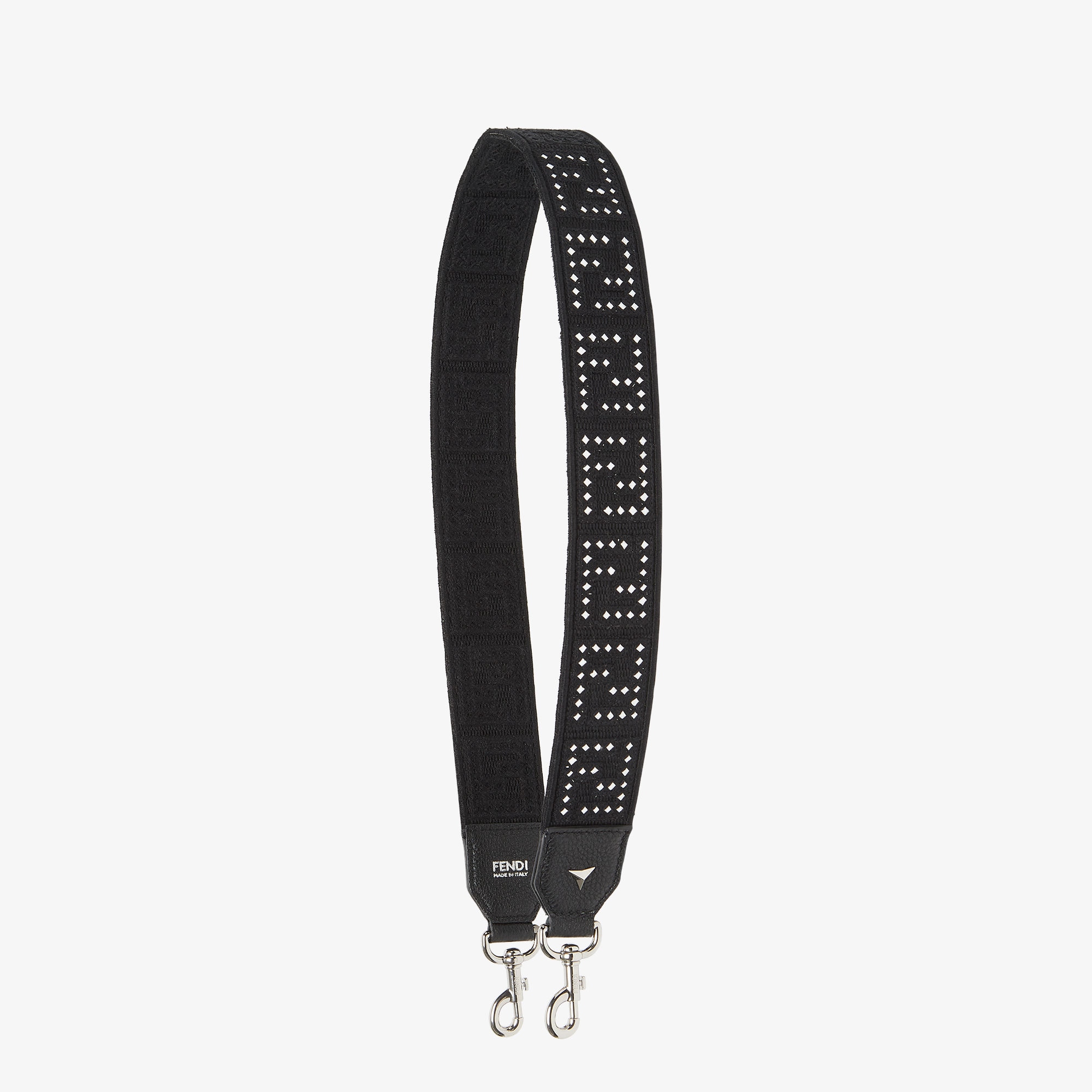
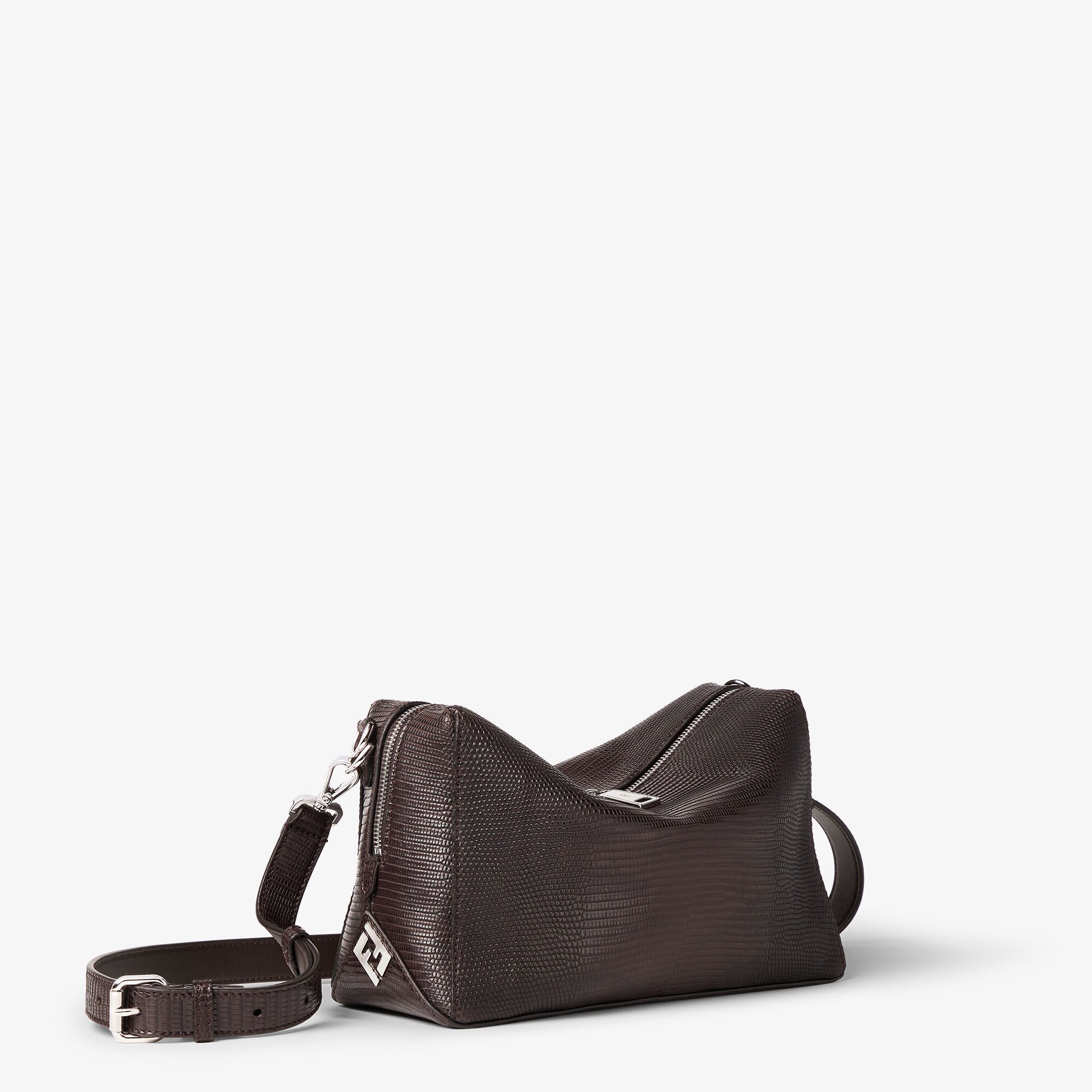
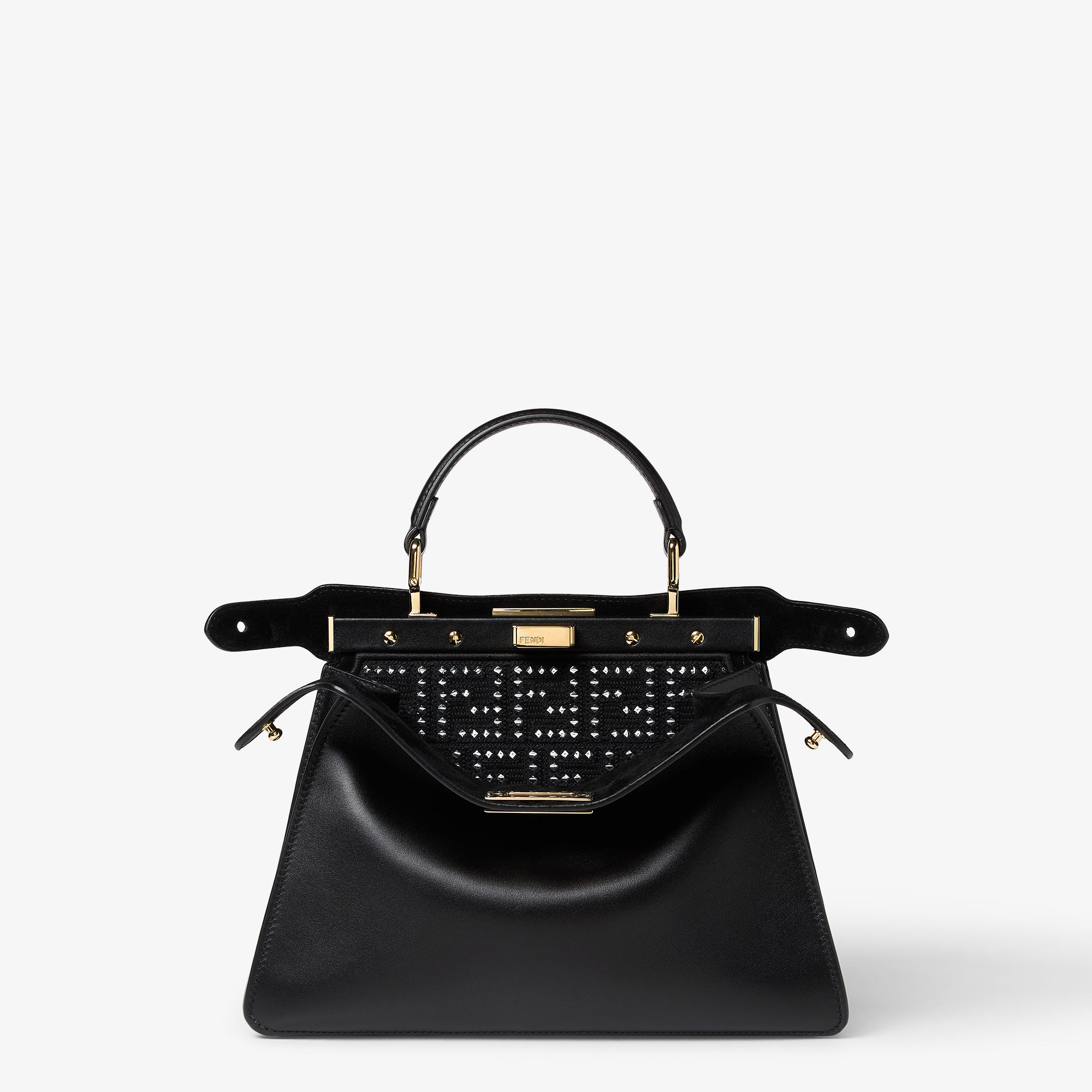
The Baguette arrived in 1997. Silvia Venturini Fendi, granddaughter of Adele and the only third-generation family member to hold a design role, sketched a compact shoulder bag meant to tuck under the arm the way a Frenchwoman carries a loaf of bread. The name was her doing. So was the proportion: just wide enough for a wallet, keys, and cigarettes, but not so large that it read as practical. The bag came in two hundred variations within the first eighteen months — sequins, beads, crocodile, shearling, needlepoint. Some sold. Others sat. Fendi didn't care. The Baguette was not engineered for efficiency. It was engineered for repetition, for the customer who bought one in black calfskin and returned three months later for the same shape in python.
The LVMH acquisition came in two stages. In 1999, Prada and LVMH together purchased fifty-one per cent of Fendi for $545 million. Two years later, LVMH bought out Prada's share and took full control. The family retained creative oversight and a minority stake, but the operational decisions — where to open stores, how many handbags to produce, which categories to expand — shifted to Paris. The transition was neither smooth nor particularly acrimonious. It simply happened, the way these transitions tend to when a family business grows past the point where five sisters and their children can manage it over lunch.
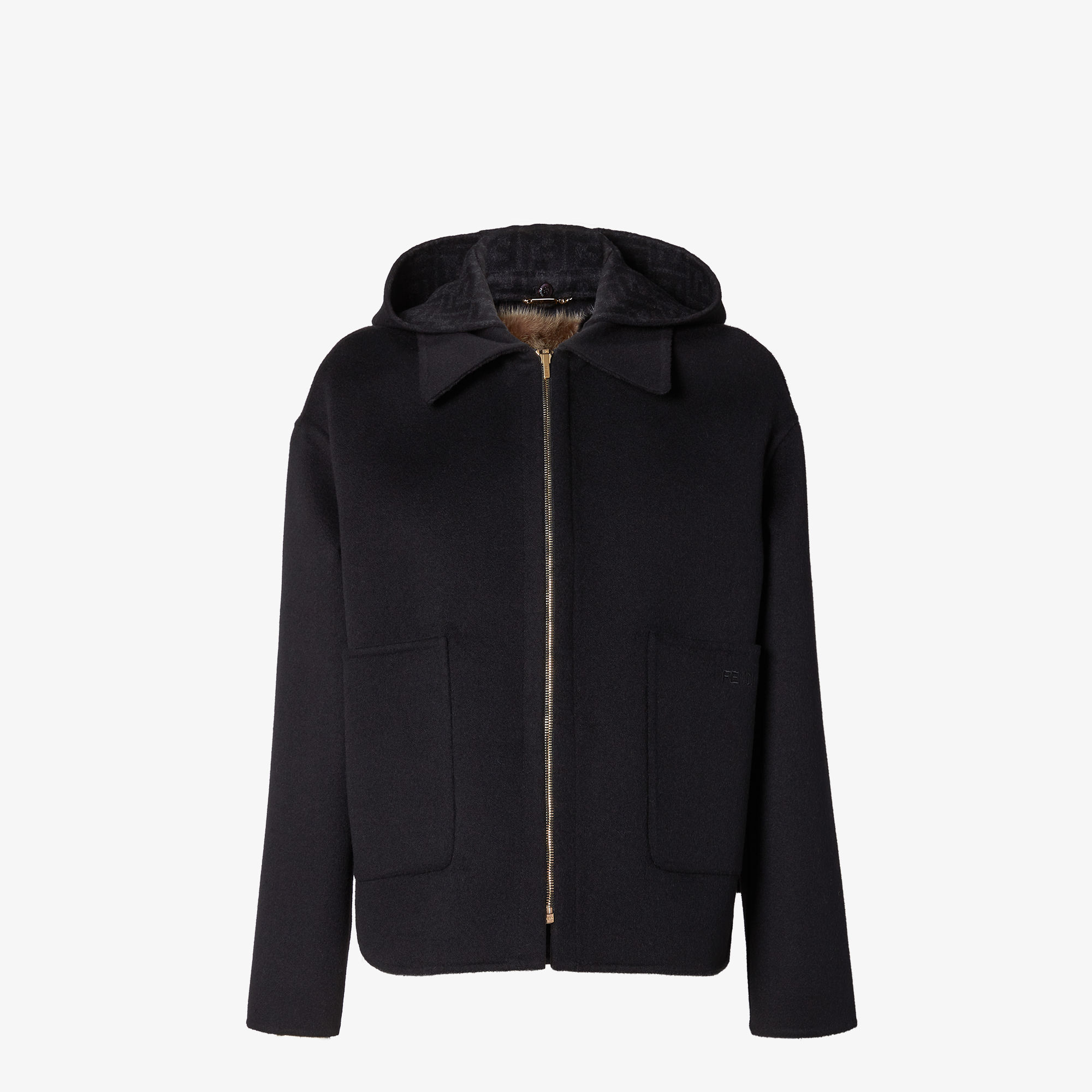
Lagerfeld died in February 2019. Silvia Venturini Fendi, by then in charge of accessories and menswear, continued. Kim Jones, previously at Louis Vuitton and Dior, took over womenswear later that year. The appointment made sense on paper — Jones had the requisite experience, the industry relationships, the ability to generate press — but it also marked a clean break from the maison's origins. For the first time in nearly a century, no one named Fendi held final authority over the women's ready-to-wear line. Jones's first collection leaned heavily into logomania and oversized outerwear, categories that performed well in Asia but bore little resemblance to the discreet fur work Adele had built her reputation on.
What remains, then, is a question of facture. The atelier still operates in Rome, still employs cutters trained in the old methods. A Fendi fur coat, if you commission one, will be assembled by hand using techniques that have not materially changed since the 1950s. The same cannot be said for the ready-to-wear, which is now produced in the same third-party factories that supply half the brands under the LVMH umbrella. This is not a criticism. It is simply a fact. Scale demands standardisation, and Fendi, as it exists today, is a scaled business.
The Baguette, for its part, continues to sell. Fendi reissues it seasonally in new materials and colourways, and each iteration finds an audience. Whether that audience knows or cares about Adele Casagrande, about the five sisters, about the Via del Plebiscito atelier, is unclear. The bag works because the proportion works, because the name is easy to remember, because it photographs well. The rest is context — interesting to those who traffic in context, irrelevant to those who do not.
One suspects Adele would have understood this. She was, by all accounts, unsentimental about her work. She made things people wanted to buy, and when they stopped wanting to buy them, she made something else. The maison that carries her married name has followed the same logic, if at a much larger scale. The family is still there, in diminished capacity. The atelier is still there, in diminished relevance. And the bags — well, the bags move.