Les muses de Bottega Veneta
The fitting room at Bottega Veneta's Milanese atelier runs along the north side of the building, where the light is flattest and most unforgiving. It is here, in the early months of 2001, that Tomas Maier stands with his arms crossed, watching a model turn in a butter-soft leather coat that falls just past the knee. The coat has no visible stitching. The seams disappear into the grain. Maier does not speak. He steps forward, lifts the hem, checks the fall, and nods. The coat will appear in his first collection for the house six weeks later. It will not make headlines. That is the point.
Bottega Veneta has always been a house built on discretion, but discretion without personality is merely beige. What separates the maison from its noisier peers is not the absence of ego—it is the presence of women who understood that luxury is a material fact, not a marketing claim. Three figures, across three distinct eras, have shaped that understanding: the anonymous artisans of the Seventies who established the intrecciato as a signature, Lauren Hutton in the Eighties who gave the house a face, and Maier's quiet muse—the woman who does not need to be seen to be known.
The Artisan as Muse
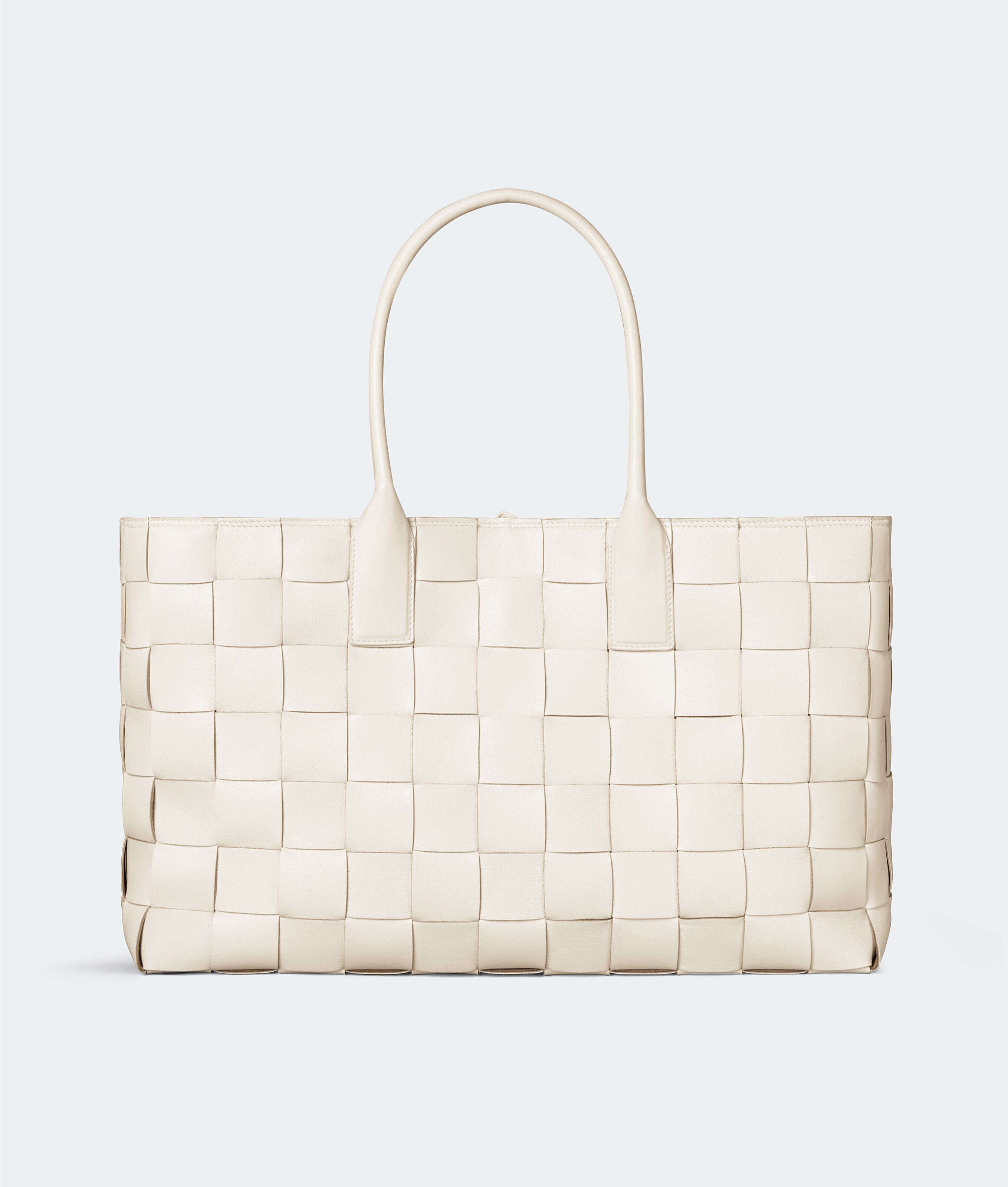
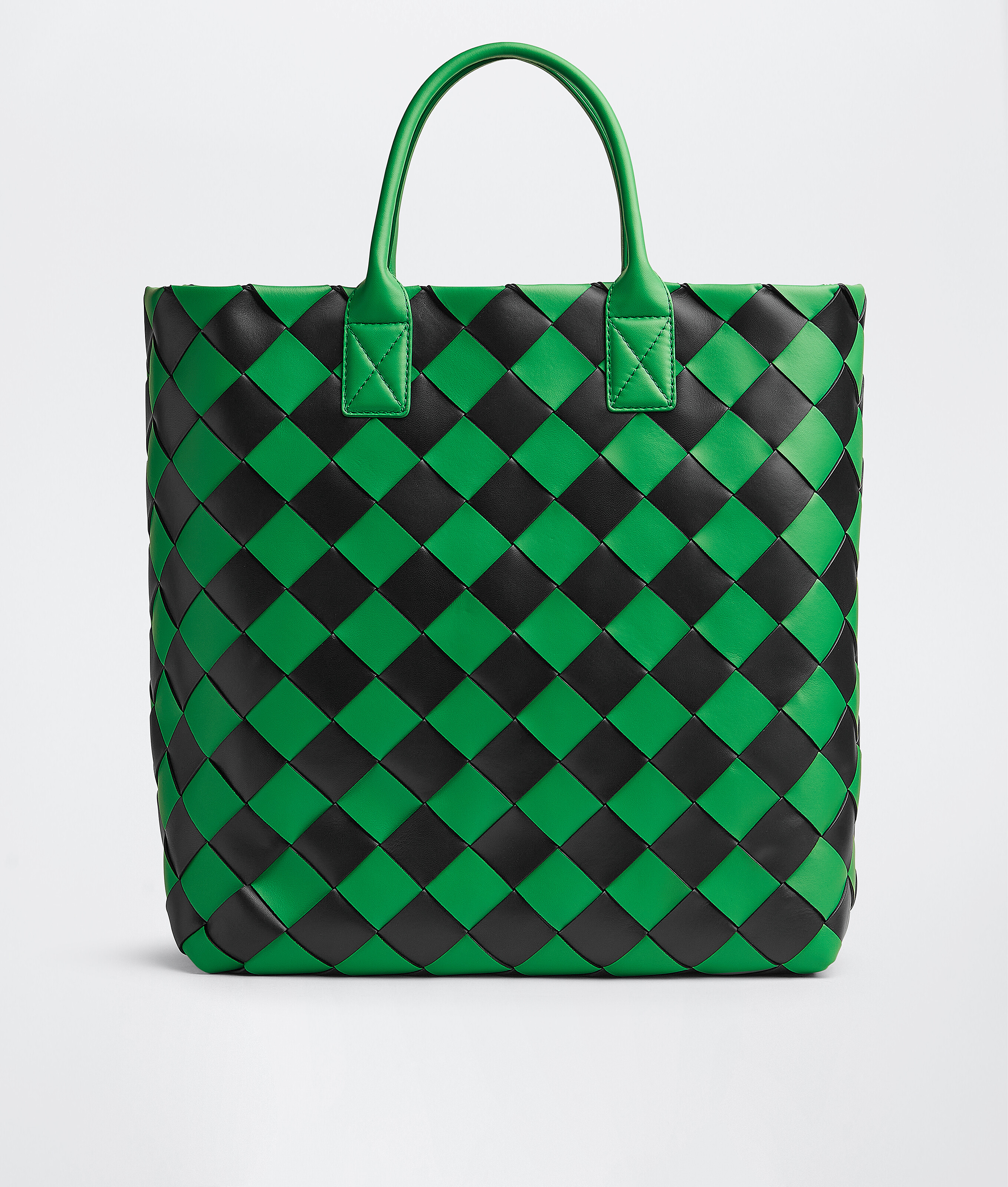
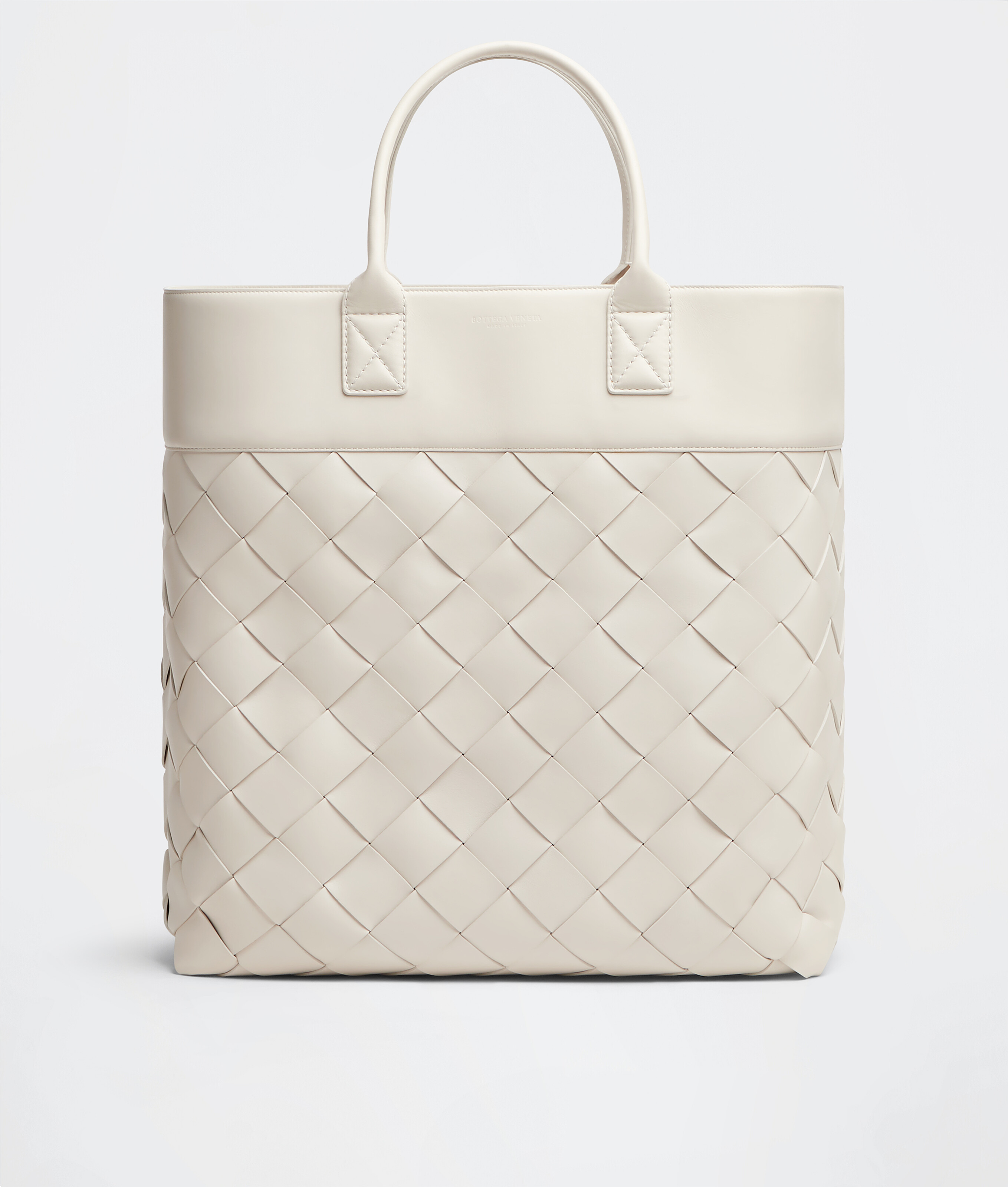
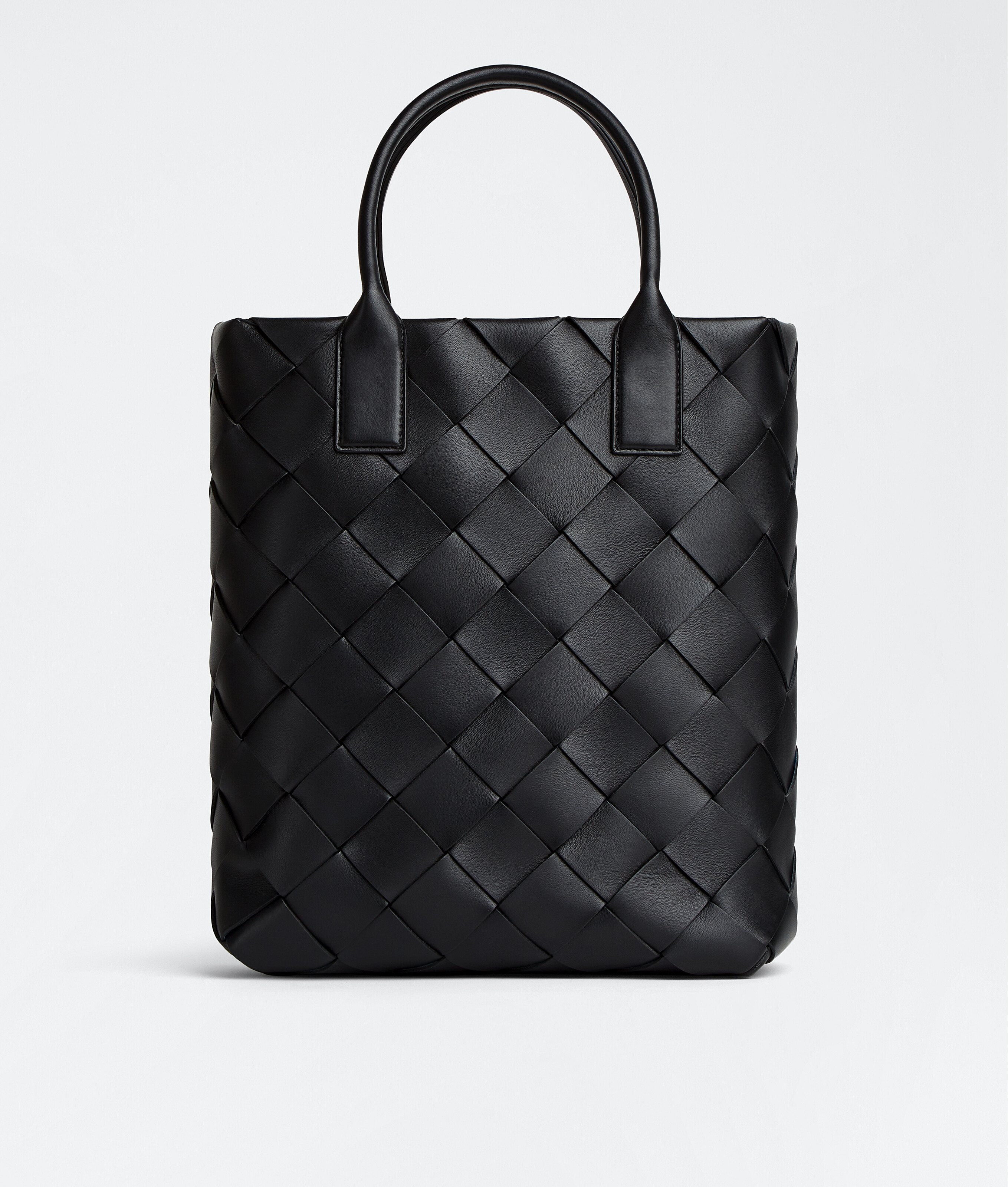
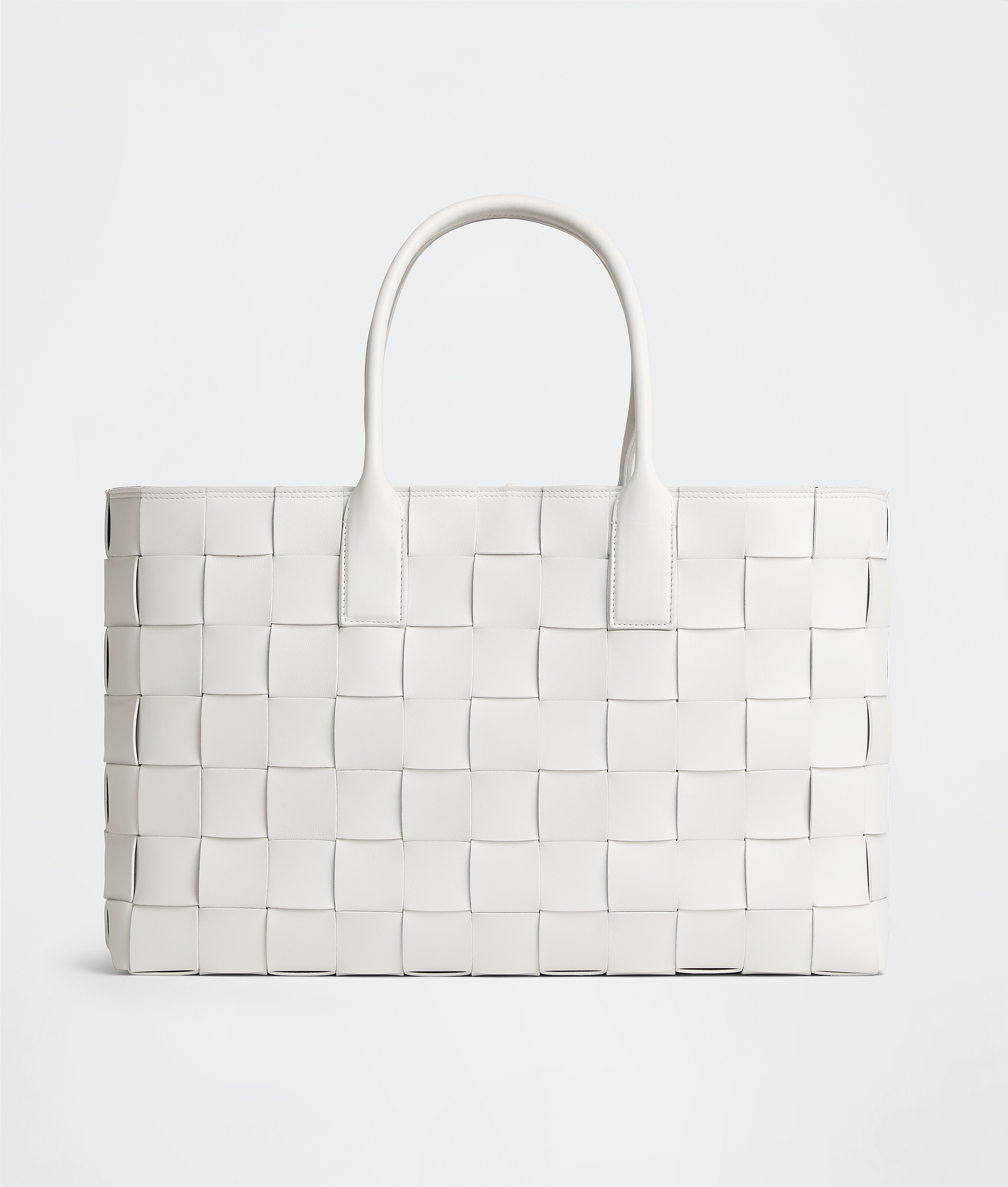
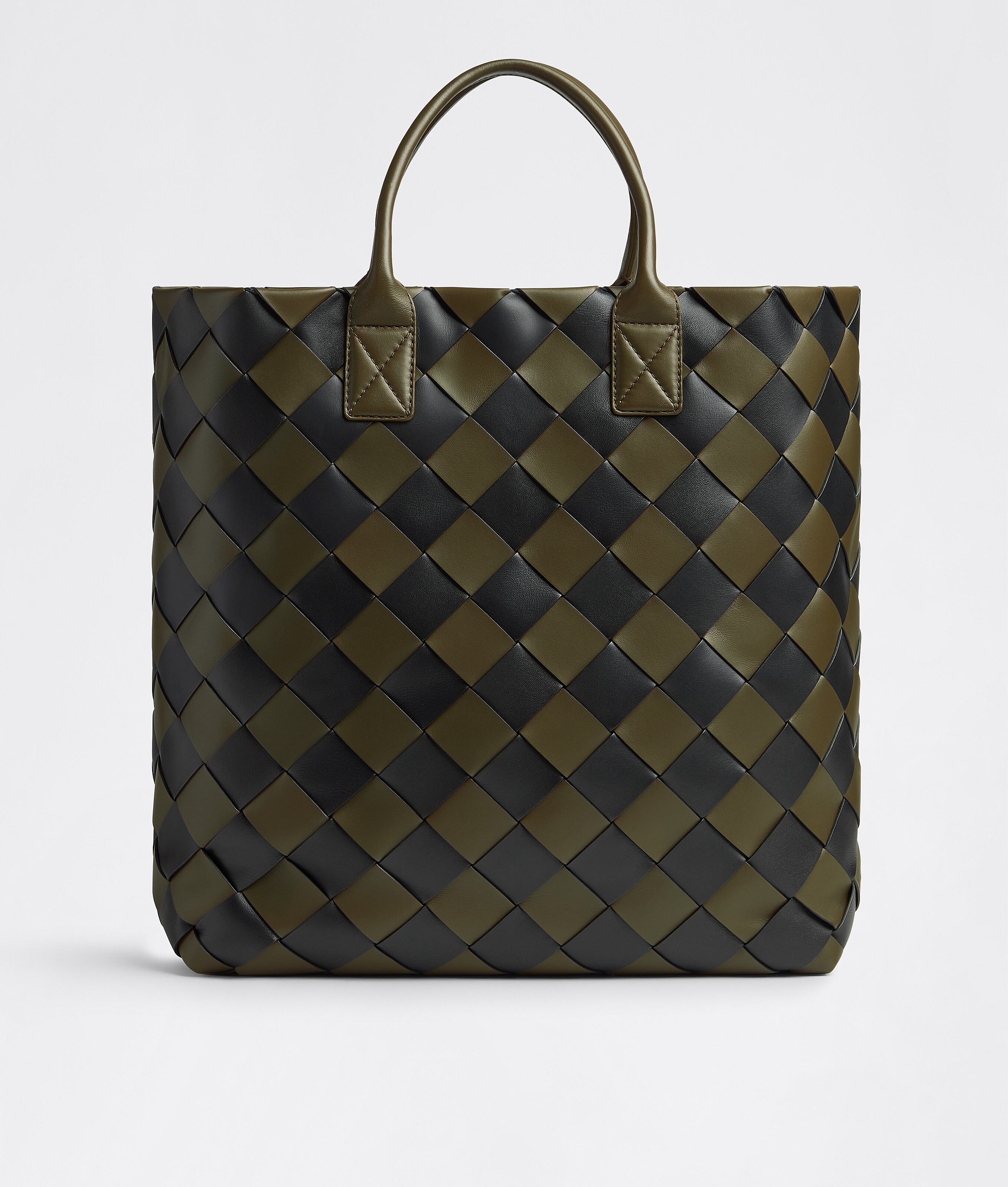
Bottega Veneta was founded in 1966 in Vicenza by Michele Taddei and Renzo Zengiaro, but the house did not find its voice until the early Seventies, when it began producing woven leather bags in a workshop staffed almost entirely by women. The intrecciato weave—eight strips of leather plaited into a flexible, durable surface—was not invented by Bottega. It was a technique used in Veneto for centuries, primarily for upholstery and agricultural goods. What the house did was refine it, tighten the weave, and apply it to handbags that required no hardware, no logos, no external reinforcement.
The women who wove those early bags were not named in advertisements. They were not photographed. Their work was their signature. Each bag took between twelve and eighteen hours to complete, depending on the size and the artisan's experience. The leather had to be cut into strips of identical width, soaked to make it pliable, then woven while damp so that it would hold its shape as it dried. A single miscalculation—a strip too narrow, a tension too loose—and the bag would sag or pucker. There was no margin for error.
This was not romantic. It was skilled labour, and it was expensive. Bottega's bags cost more than Gucci's in the Seventies, which seemed absurd to American buyers who expected Italian leather goods to announce themselves. But the house found its audience among women who understood craft: editors, gallerists, architects. Women who carried the same bag for a decade and had it re-woven when the corners wore through. The intrecciato became a kind of code. If you knew, you knew.
Lauren Hutton and the American Edit
By the early Eighties, Bottega Veneta had a problem. The house was profitable but invisible. It had no advertising, no celebrity endorsements, no runway shows. It sold through a handful of boutiques in Europe and a few American department stores, but it had no cultural footprint. Enter Lauren Hutton.
Hutton was not an obvious choice. She was forty in 1983, older than most models still working at the time, and she had a reputation for being difficult—meaning she asked questions and expected answers. But she had also spent two decades in front of cameras and understood how to sell a product without appearing to sell it. Bottega hired her not as a model but as a collaborator. She would appear in the house's first print campaign, but she would also help shape the collection itself.
The resulting images, shot by Aldo Fallai, are austere. Hutton stands in a wheat field in Tuscany, wearing a tobacco-brown leather coat and carrying a woven hobo bag. Her hair is pulled back. She is not smiling. The copy reads: "When your own initials are enough." It is one of the great luxury taglines of the decade, and it worked because Hutton made it believable. She looked like a woman who had earned the right to discretion.
Hutton continued to work with Bottega through the late Eighties, and her influence extended beyond the campaigns. She pushed the house to expand its ready-to-wear line, arguing that women who bought the bags would buy the clothes if the clothes were as well-made. She was right. Bottega's leather skirts and unlined blazers became quiet bestsellers, worn by women who did not want to be recognized but did want to be taken seriously.
The relationship ended in the early Nineties, when Bottega was sold to Gucci Group and the house entered a period of creative drift. Hutton moved on. But the template she established—luxury as understatement, the muse as equal partner—would resurface a decade later.
The Maier Woman
Tomas Maier did not arrive at Bottega Veneta with a manifesto. He arrived with a conviction that the house had lost its way by trying to compete with brands that trafficked in visibility. His first collection, for Spring 2002, was a corrective. The palette was sand, stone, and charcoal. The silhouettes were clean but not severe. The bags were woven, of course, but they were also soft—pillow-shaped clutches, slouchy hobos, drawstring pouches that looked like they had been carried for years.
Maier's muse was not a specific woman. She was a type: educated, solvent, uninterested in being photographed. She travelled frequently, read novels, owned good furniture. She did not dress to be noticed, but she noticed everything. This was the woman Maier designed for, and she responded. Bottega's sales tripled in his first five years.
The genius of Maier's tenure—he stayed until 2018—was that he made the house feel both specific and accessible. The intrecciato remained the signature, but he applied it to new forms: woven leather dresses, intarsia knits, even jewellery. He introduced the Cabat, a hand-woven tote that took two artisans four days to complete and sold for over four thousand dollars. It had a two-year waiting list.
Maier rarely gave interviews, and when he did, he spoke about materials, not inspiration. He cited the weight of a particular cotton, the hand of a washed linen, the way a 10oz leather moved differently than a 12oz. He was not interested in muses in the traditional sense. He was interested in women who knew the difference.
What Remains
Bottega Veneta is no longer a quiet house. Under Daniel Lee, and now Matthieu Blazy, it has become a destination for a younger, louder audience. The intrecciato is still there, but so are oversized proportions, bold hardware, and a social media presence that Maier would have found baffling. The house has embraced visibility.
But the women who shaped Bottega—the artisans, Hutton, the Maier customer—are still present in the work. The intrecciato is still woven by hand. The leather is still vegetable-tanned in Vicenza. The bags are still built to last a decade. The difference is that now, everyone is watching.