Portrait : le directeur artistique de Tom Ford
The fitting room at Tom Ford's Madison Avenue flagship runs cooler than most — sixty-eight degrees, steady — because heat softens the hand of silk charmeuse, and Ford does not permit softening. He stands three feet from a house model, arms crossed, head tilted five degrees left, silent for eleven seconds. Then: "The dart. Again." The cutter nods, pins between his lips, and the room exhales.
This is how Tom Ford has worked for thirty years. Not by sketching in isolation or delegating to lieutenants, but by standing in a room with fabric and flesh until the garment does what he needs it to do. Which is, in his own words to WWD in 2019, "make the person wearing it feel like the most powerful version of themselves." Not the happiest. Not the most comfortable. The most powerful.
The Parsons Years, and What Came After
Ford arrived at Parsons in 1982 with a degree in art history from NYU and no particular plan. He has said — in a 2004 Vogue profile — that he chose fashion because he "liked clothes and didn't want to be poor." The honesty is useful. Ford was never the tortured artiste. He was, from the beginning, a pragmatist with an eye for line and a tolerance for commerce that his peers found unseemly.
At Parsons he studied under Richard Martin, who later curated the Costume Institute at the Met. Martin taught him two things: that fashion history is a language, and that referencing it intelligently is not theft. Ford absorbed both lessons. His graduate collection referenced 1940s Hollywood tailoring — broad shoulder, nipped waist, a silhouette that suggested competence rather than whimsy. It won him an internship at Chloé, which he turned down in favour of Cathy Hardwick, a New York sportswear house where he learned how to cut a blazer that women could actually sit in.
By 1990 he was at Perry Ellis, designing womenswear under Marc Jacobs. The work was fine. The pay was not. When Gucci called in 1990, offering a design role in Milan, Ford went.
Gucci, 1994–2004: The Decade That Built the Myth
Ford joined Gucci as the house teetered on irrelevance. The double-G logo had been licensed into oblivion — keychains, lighters, beach towels. Domenico De Sole, the new CEO, wanted to pull the brand upmarket. Ford, promoted to creative director in 1994, had a different idea: don't go upmarket. Go sexual.
The Fall 1995 collection — his first as creative director — opened with a model in a white silk shirt, unbuttoned to the navel, and narrow black trousers cut so low the iliac crest showed. No bra. No apology. The Italian press called it vulgar. American Vogue put it on the cover. Ford had found his signature: a kind of controlled provocation, where the cut was so precise and the fabric so expensive that the skin it revealed felt less like an accident and more like a decision.
Over the next nine years, Ford turned Gucci into a billion-dollar house. He did it by understanding something his predecessors had not: that luxury in the 1990s was no longer about heritage or discretion. It was about desire. The velvet hipsters, the satin halter gowns, the ad campaigns shot by Mario Testino in which models looked less like mannequins and more like people mid-affair — all of it was designed to make the viewer want, urgently, to be someone else.
The work was not subtle. It was not meant to be. Ford once told The New Yorker, in a 2002 profile, that "subtlety is for people who are afraid of being noticed." He was not afraid.
The Eponymous Line: A Shift in Register
Ford left Gucci in 2004 after a contract dispute with PPR, the parent company. He spent the next year in Los Angeles, directing A Single Man, a film about a gay professor in 1960s California mourning the death of his partner. The movie was quiet, restrained, almost austere — everything his Gucci work was not. When he launched Tom Ford the label in 2006, the aesthetic had shifted.
The clothes were still about sex, but a different kind. Less overt. More architectural. The tuxedo jacket he showed in his first menswear collection — peak lapel, single button, cut so close to the body it functioned almost as a second skin — became the house signature. It was a garment that required a certain discipline from the wearer. You could not slouch in it. You could not eat a large meal. You had to stand up straight and accept that the jacket was in charge.
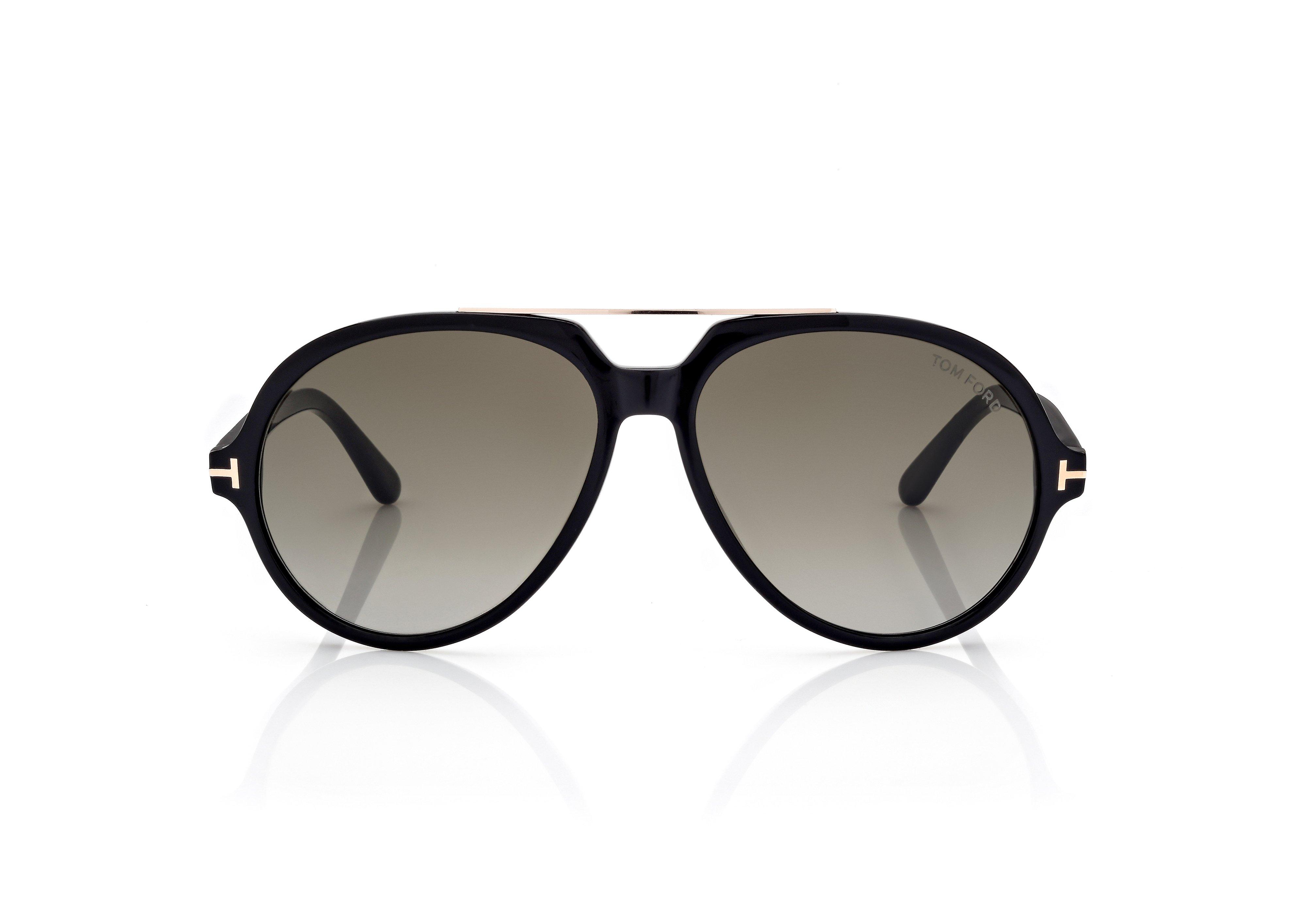
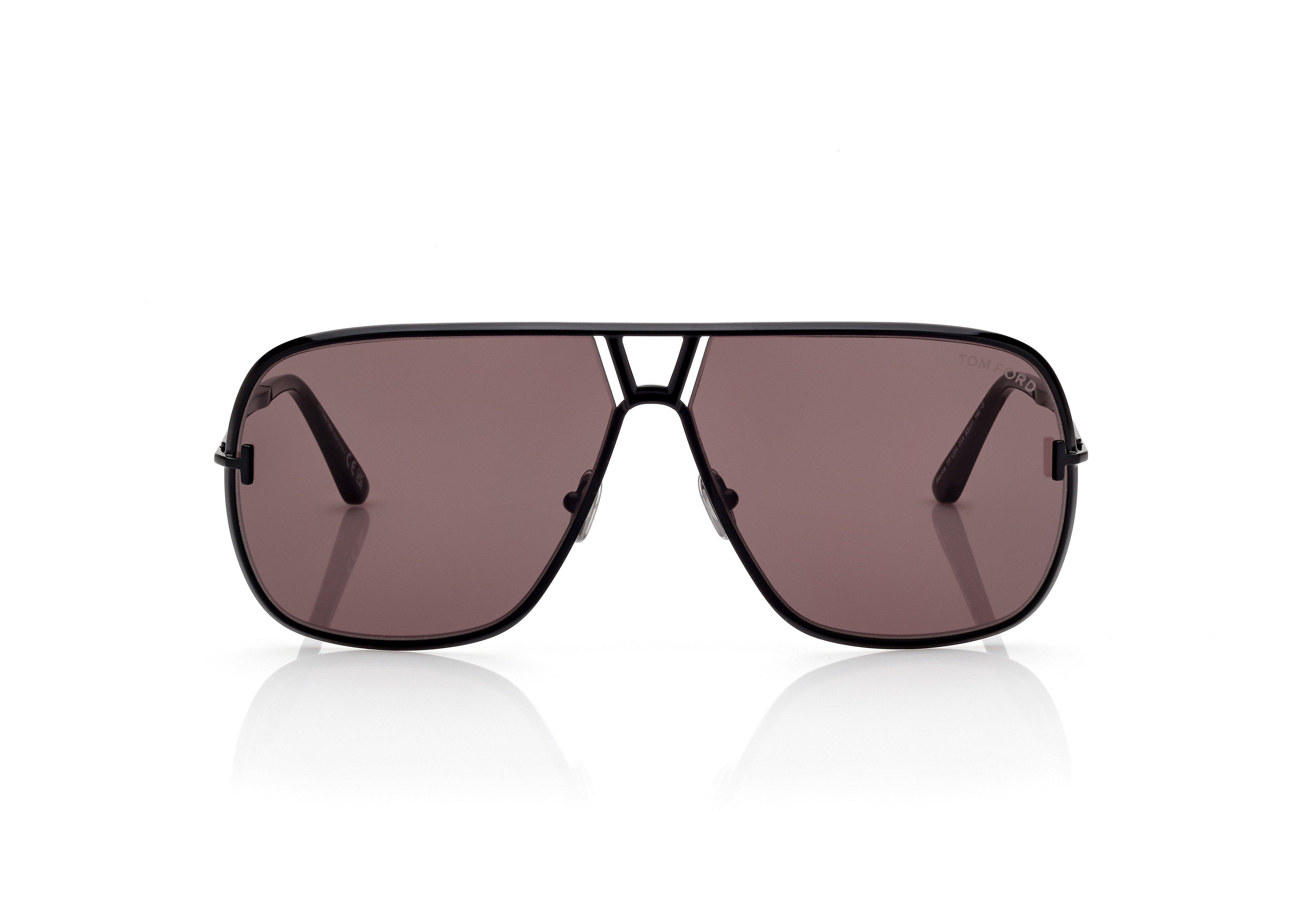
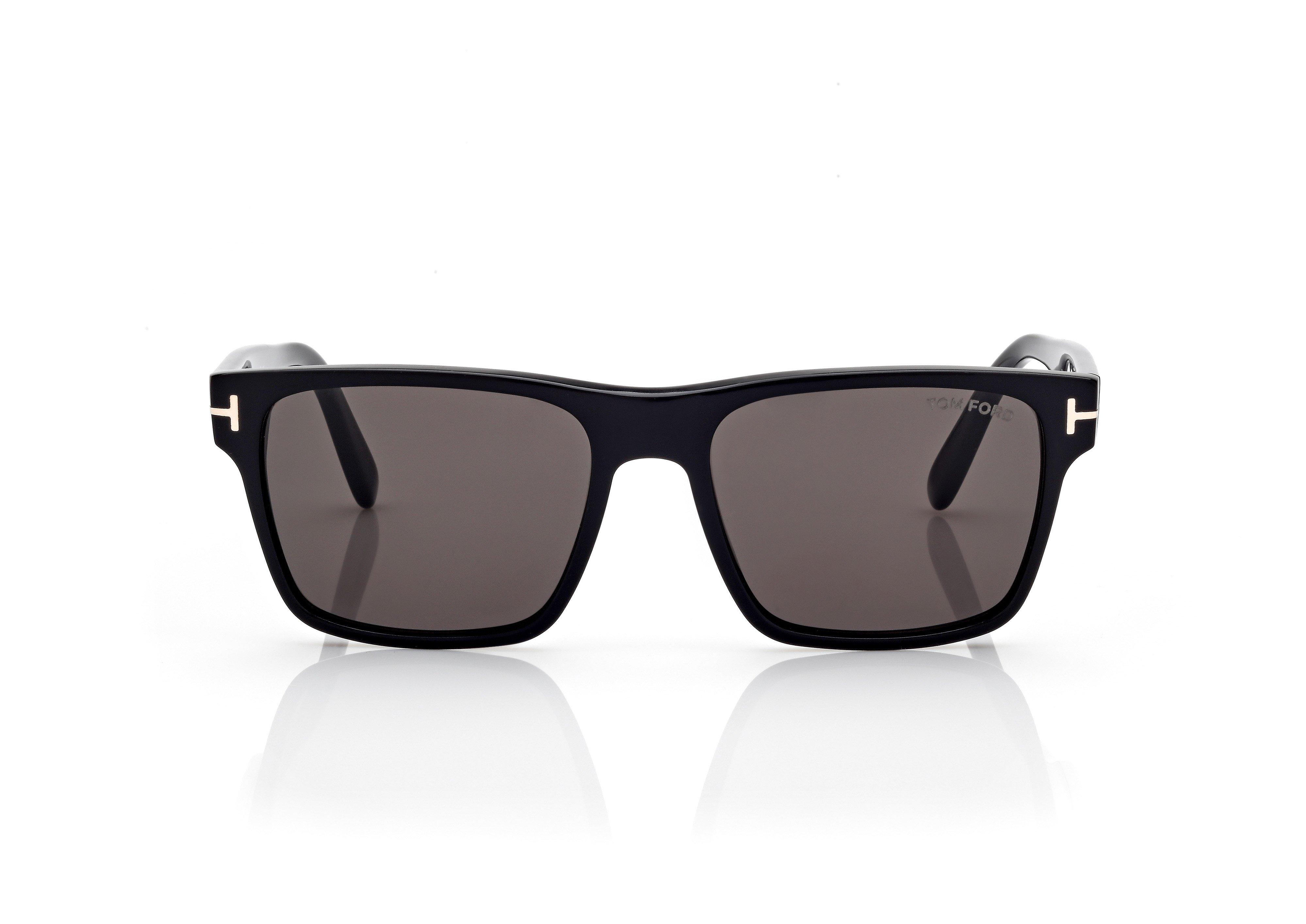
Ford has said, in various interviews, that he designs for "a very specific customer," which is to say: himself. He is six foot one, lean, and has worn the same uniform for two decades — dark suit, white shirt, black tie, aviator sunglasses. The Tom Ford customer, in his imagination, is someone who has decided what they are and no longer requires external validation. The clothes are not there to transform you. They are there to sharpen what is already present.
The Estée Lauder Acquisition, and What It Means
In November 2022, Estée Lauder Companies acquired Tom Ford for $2.8 billion. Ford himself stayed on as creative director through the end of 2023, then stepped back. The house announced in early 2024 that it would not appoint a single successor. Instead, design would be handled by an in-house atelier team, overseen by a creative council. Ford would remain as an advisor, a role he has described — in a statement to Business of Fashion — as "ensuring the brand remains true to its codes."
Which raises the question: what are those codes, absent Ford himself? The sharp tailoring, certainly. The unapologetic sexuality. The refusal to apologise for luxury. But codes are not the same as vision, and vision is harder to delegate.
The Spring 2025 collection, the first designed entirely post-Ford, played it safe. The tuxedo jackets were there. The liquid jersey gowns. The colour palette — black, white, navy, a single flash of scarlet — was lifted wholesale from Ford's own greatest hits. The reviews were polite. No one used the word necessary.
What Comes Next
Ford is sixty-three. He has said he will not return to full-time design. He is working on a second film, details undisclosed. He spends most of his time in Los Angeles and London, rarely in New York. He does not attend fashion weeks unless contractually obligated.
One suspects he has made peace with the idea that the brand will outlive his direct involvement, and that this is fine. Ford has always been a pragmatist. He built a house, sold it for a fortune, and walked away on his own terms. The clothes remain — sharp, unforgiving, designed for a customer who knows exactly what they want and is willing to pay for it. Whether that customer still exists in sufficient numbers is a question the new atelier will have to answer.
For now, the fitting rooms at Tom Ford still run at sixty-eight degrees. The cutters still re-pin darts until they sit exactly right. The tuxedo jackets still require you to stand up straight. Ford is no longer in the room, but the room, for better or worse, is still his.