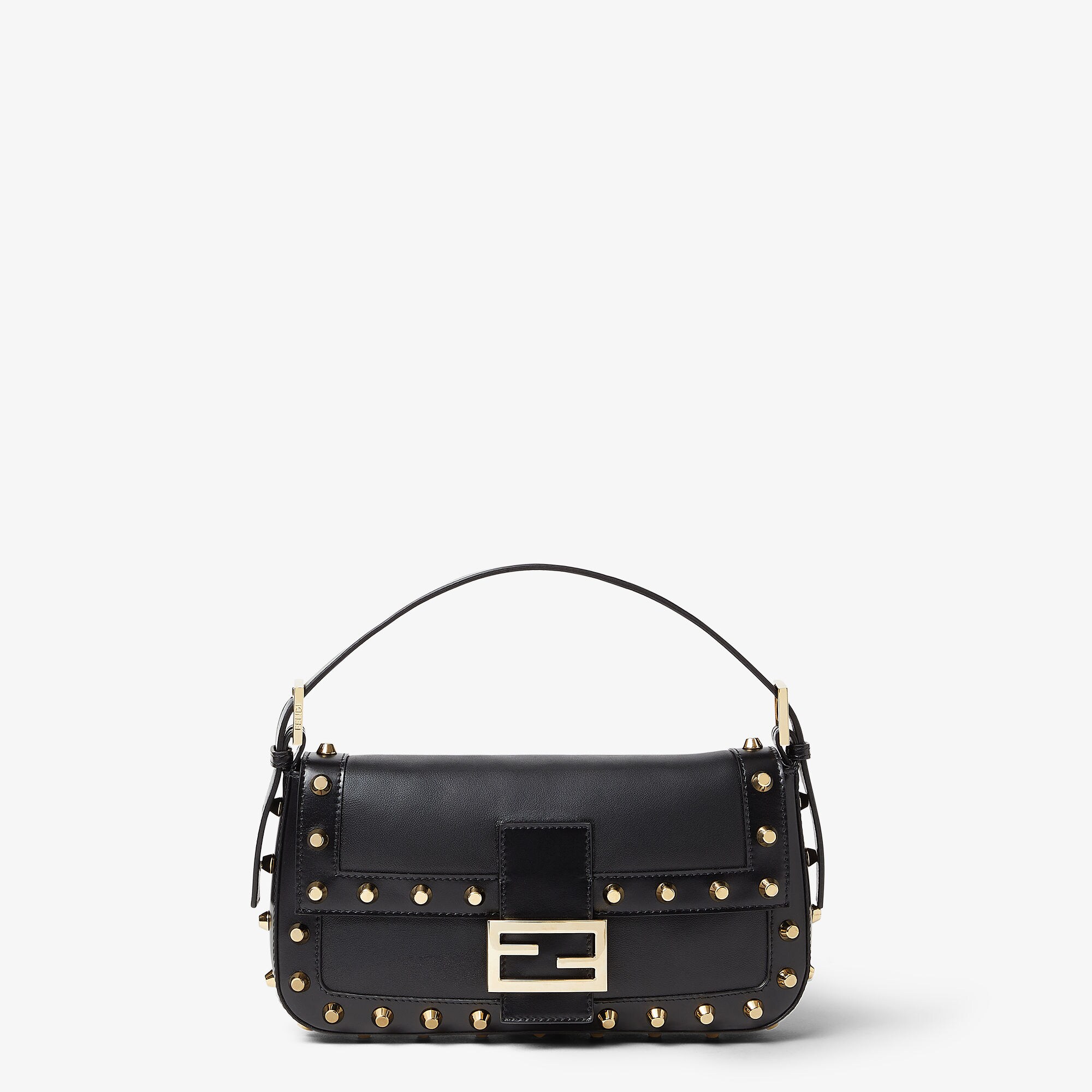
The atelier on Via Solari, fourth floor, smells of beeswax and tanned calfskin
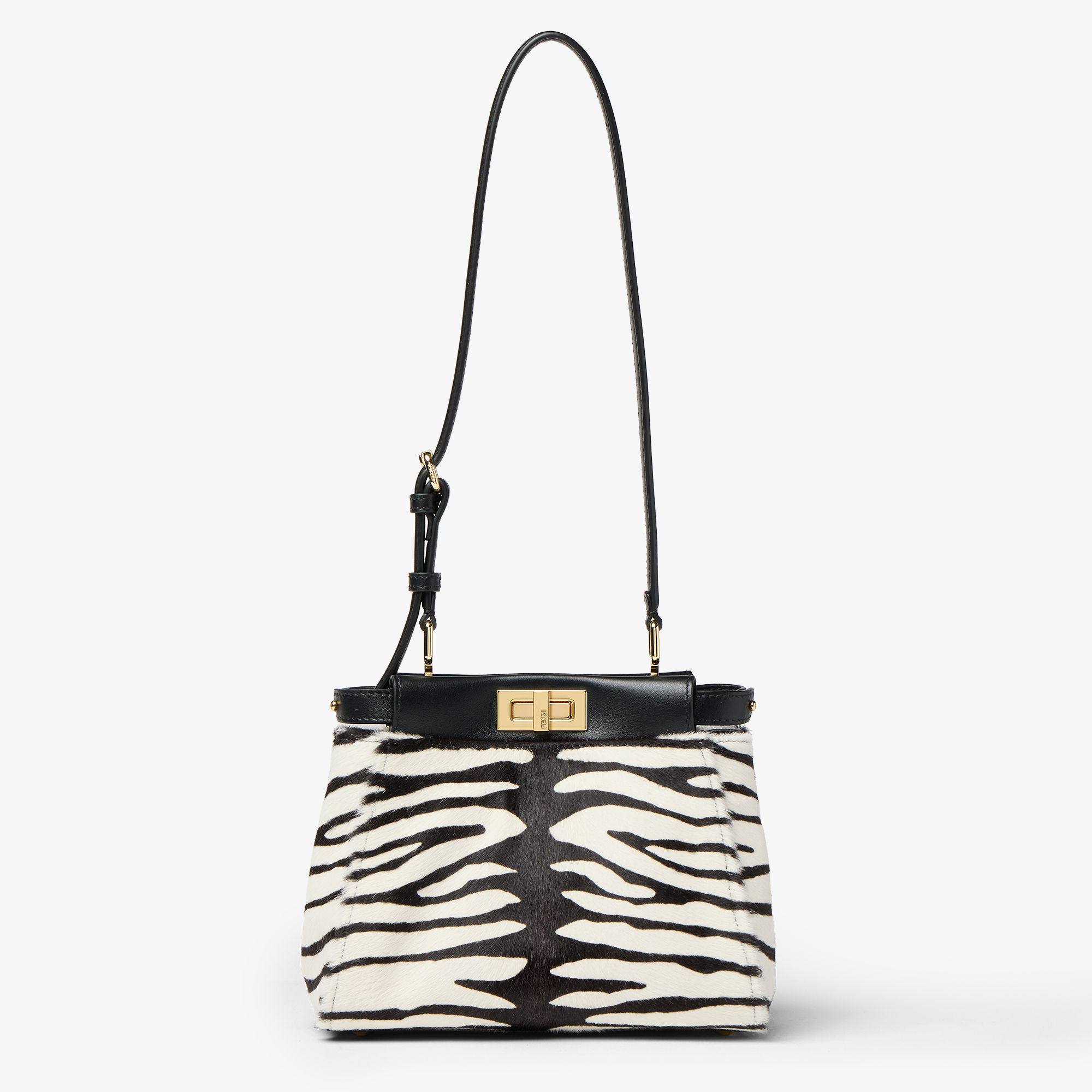
The atelier on Via Solari, fourth floor, smells of beeswax and tanned calfskin. Thirteen craftspeople sit at horseshoe-shaped benches under daylight lamps, each assigned to a single Peekaboo bag from cut to closure. No assembly line. No division into strap-makers and lining-stitchers. One artisan, one bag, eight to twelve hours depending on the finish. The woman nearest the window is Carla Brunetti, sixty-one, who has worked leather at Fendi since 1984. Her hands move without consultation: folding the gusset, aligning the interior frame, advancing the saddle stitch at a rhythm she cannot name but will not break.
This is not the story one typically encounters when Fendi enters the conversation. The narrative tends toward Silvia Venturini Fendi, or Kim Jones, or the Baguette's cameo in a particular episode of Sex and the City. Fair enough — design direction matters, and celebrity adjacency sells product. But the Peekaboo that leaves Rome and arrives in a Madison Avenue boutique has passed through Brunetti's hands, or those of Marco Cellini, or Alessandra Conti, and the house has begun, in recent seasons, to make that passage visible.
L'atelier comme argument
Fendi has operated its own leather workshop in Rome since 1925, when Adele and Edoardo Fendi opened a fur and leather goods atelier on Via del Plebiscito. The structure persists: a dedicated cadre of maîtres selliers (most trained in-house, some poached from Hermès or Delvaux) who handle the house's most complex commissions. These are not the sewers of mass production. They are, in the language of the trade, qualificati — certified to work autonomously on a piece from template to final inspection.
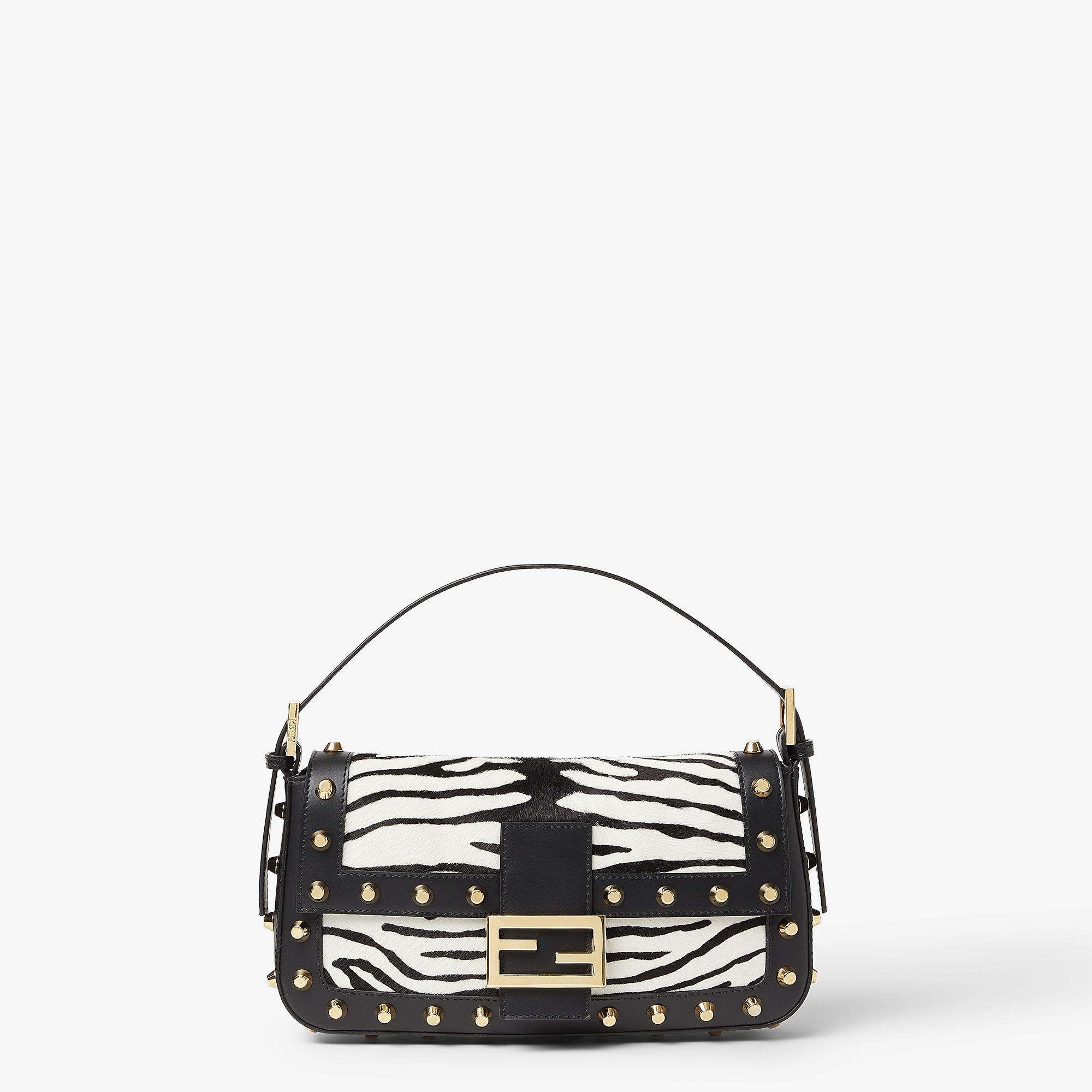
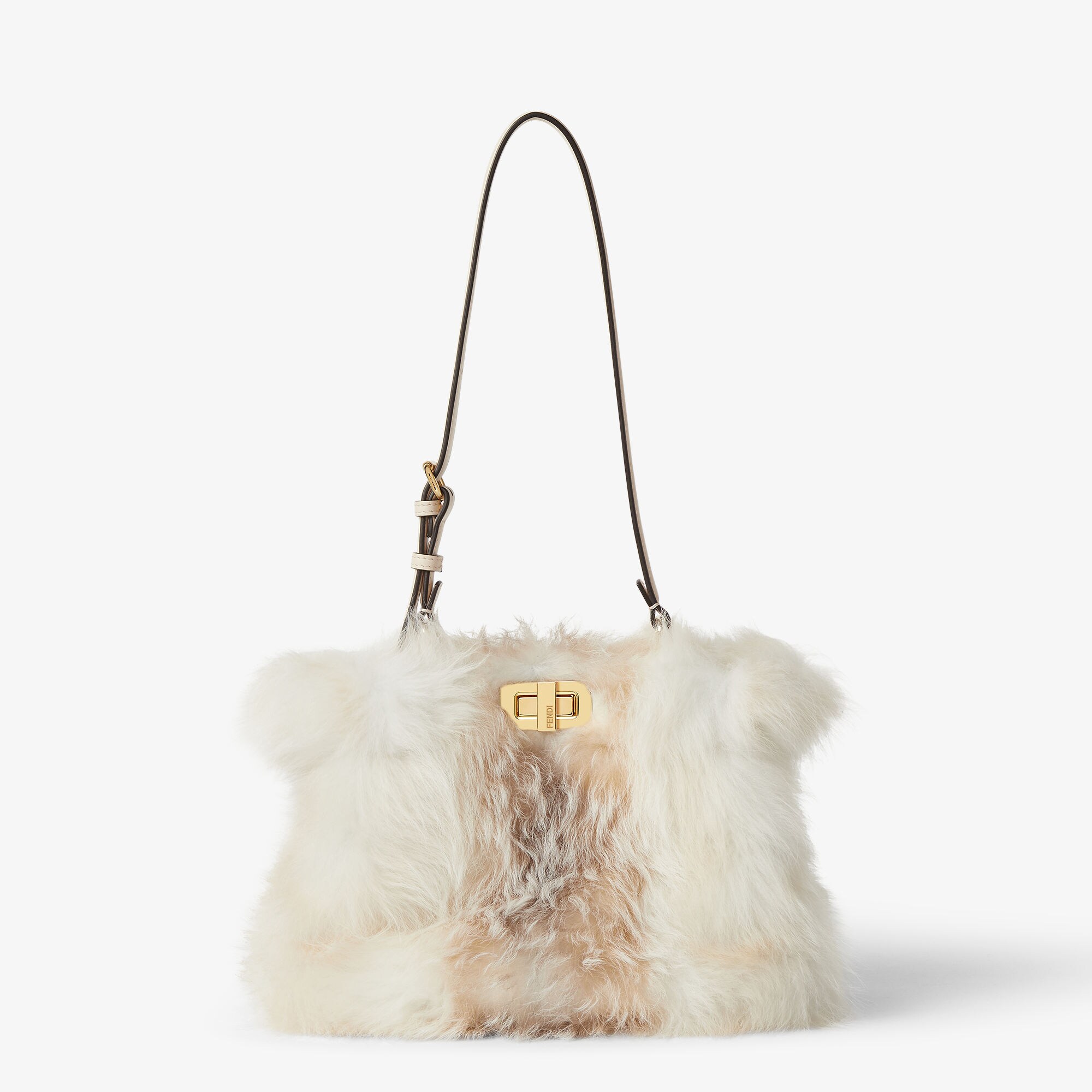
The house rarely put names to this work until 2019, when it began marking certain limited runs of the Peekaboo with a small leather tag inside the main compartment: Fatto a mano da [name], followed by a date and the artisan's employee number. The first series featured twelve names. Brunetti's was among them. The program has since expanded to include the Baguette and, as of last spring, a capsule of hand-stitched First bags.
One suspects this is partly response to market pressure — the contemporary luxury customer, or at least the one the industry believes exists, wants provenance, traceability, a human anchor for the price point. But it also reflects a structural reality. Fendi's Roman atelier operates at near capacity. The house produces roughly forty thousand hand-finished bags per year, a fraction of LVMH's industrial output but enough to require a stable, skilled workforce. Naming the makers is a retention strategy as much as a marketing one.
Formation et hiérarchie
Becoming a qualificato at Fendi takes four to six years. New hires — typically graduates of Rome's Istituto d'Arte or the Scuola del Cuoio in Florence — enter as assistenti, tasked with cutting templates, preparing edges, and observing senior artisans at the bench. After eighteen months, if their work holds, they advance to apprendisti and begin stitching under supervision. Another two years and they may attempt the prova di qualifica, a daylong examination in which they construct a Peekaboo from scratch, unassisted, within a set time frame. The assessors are three senior artisans and the atelier's technical director. Pass rate hovers near sixty percent.
Brunetti failed her first attempt in 1986. The interior frame sat a millimetre too high; the turnlock would not seat flush. She passed six months later and has worked the Peekaboo line, in various iterations, ever since. In a 2021 profile in Il Sole 24 Ore, she noted that her hands have shaped an estimated eleven thousand Peekaboos over thirty-five years. She can identify her own work in a boutique by the stitch tension on the gusset seam.
Marco Cellini, fifty-four, handles Fendi's exotic skins — crocodile, python, ostrich. His route into the atelier was less linear. He trained as a cobbler in Marche, worked a decade at a contract manufacturer in Scandicci, then applied to Fendi in 2003 when the house expanded its exotic-skin capacity. Crocodile is unforgiving: the scales must align across seams, the belly portion used sparingly, each stitch placed to avoid splitting the tile. A single Peekaboo in niloticus crocodile requires two hides and roughly sixteen hours of bench time. Cellini produces about a hundred and twenty per year.
Ce que le client ne voit pas
The interior of a Fendi Peekaboo is more engineered than it appears. The bag's signature trick — a frame that allows it to open flat, revealing two compartments — depends on a hinged metal armature set into the leather body. That armature is milled in-house, then hand-fitted by the artisan, who must account for the leather's thickness and the specific tension of the lining. If the frame sits too loose, the bag collapses. Too tight, and the turnlock jams.
This is the grade of problem that does not surface in design reviews. It emerges at the bench, and the artisan adjusts in real time — shimming the frame with an extra layer of lining, or skiving the leather a half-millimetre thinner at the hinge point. These adjustments are not documented. They are, in the language of the atelier, facture — the small, unscripted refinements that distinguish a hand-finished piece from an industrial one.
Alessandra Conti, forty-seven, works the Baguette line and has developed a minor reputation within the atelier for solving hinge problems on exotic skins, where the material's rigidity complicates the frame's movement. Her solution involves a diagonal skive along the interior edge of the frame channel, reducing bulk without compromising structure. The technique has since been adopted across the atelier, though it remains, officially, uncodified. Conti's name appears on roughly three hundred Baguettes per year.
Le programme des signatures
The signed-bag program remains limited in scope. Fewer than five percent of Fendi's hand-finished output carries an artisan's name, and the house has not extended the practice to its ready-to-wear or fur ateliers. The reasons are logistical — RTW involves multiple hands per garment, and fur work is seasonal, with artisans often contracted rather than salaried. But the selectivity also serves a commercial function. Scarcity, even artificial scarcity, reinforces value.
The market has responded predictably. A signed Peekaboo commands a fifteen to twenty percent premium on the secondary market, according to resale data from Rebag and Vestiaire Collective. Whether that premium reflects genuine appreciation for craft or simply another layer of collectability is difficult to parse. The customer who seeks out a Brunetti-signed bag may be motivated by respect for her thirty-five years at the bench, or by the knowledge that only twelve hundred such bags exist. Both can be true.
Succession et pérennité
The atelier's median age is fifty-two. Fendi has hired eighteen new assistenti since 2020, but attrition remains a concern. The work is repetitive, physically taxing, and not especially well compensated relative to Italy's cost of living. A qualificato with a decade of experience earns between thirty-eight and forty-five thousand euros annually, according to trade union figures — livable in Rome, but hardly lucrative given the skill required.
The house has responded with incremental adjustments: a pension-matching program introduced in 2022, a four-day workweek pilot launched last spring for artisans over fifty-five. These are modest interventions, and one suspects they will not be sufficient if the broader luxury sector continues to consolidate production in lower-cost regions. Fendi's Roman atelier is, for now, protected by its integration into the brand's narrative. But narratives shift.
Brunetti will retire in two years. She has trained three apprendisti over the past decade, two of whom have since qualified. The third, a twenty-nine-year-old named Giulia Marconi, is scheduled for her prova this autumn. If she passes, her name may eventually appear on a leather tag inside a Peekaboo, and a customer in Seoul or Los Angeles will know, if they bother to look, that a specific pair of hands in Rome shaped the thing they carry. Whether that knowledge changes the object's meaning, or merely its price, remains an open question.