The atelier sits on the second floor of a building in Montebello Vicentino, thirty minutes west of Venice
The atelier sits on the second floor of a building in Montebello Vicentino, thirty minutes west of Venice. There are no signs outside. Inside, fifty-three artisans work leather by hand. They have been doing this for decades. Some of them have been doing it longer than the current creative director has been alive.
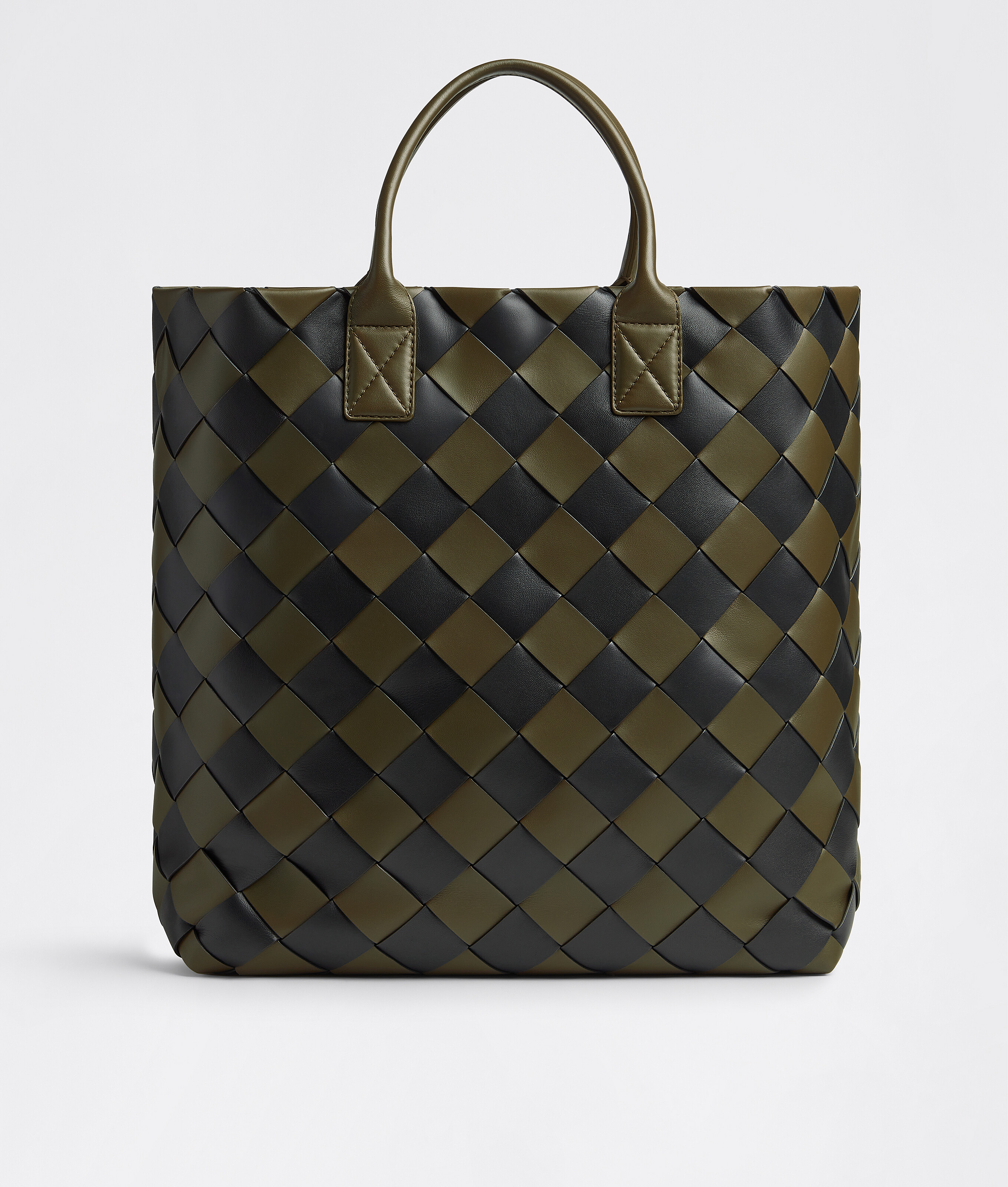
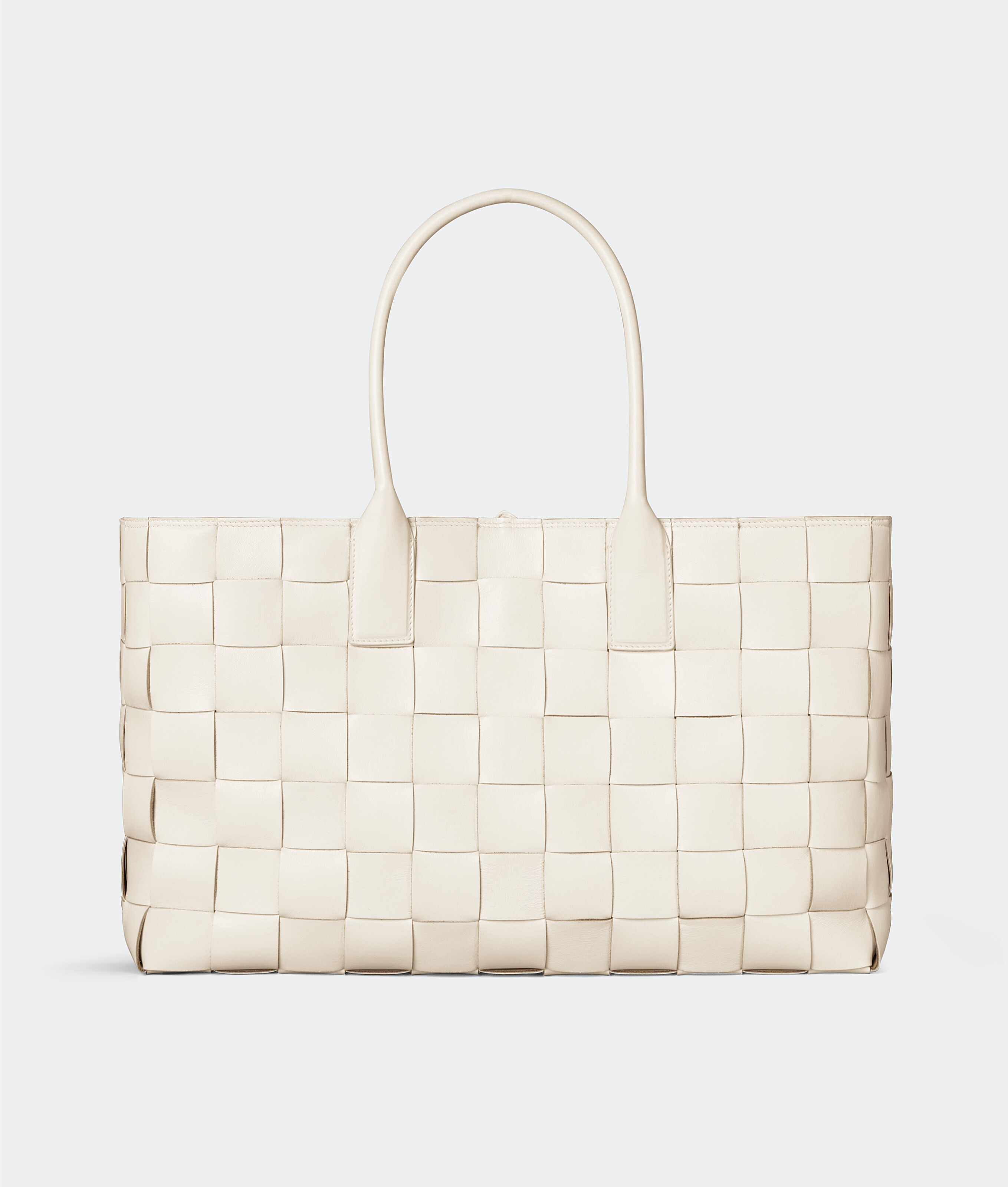
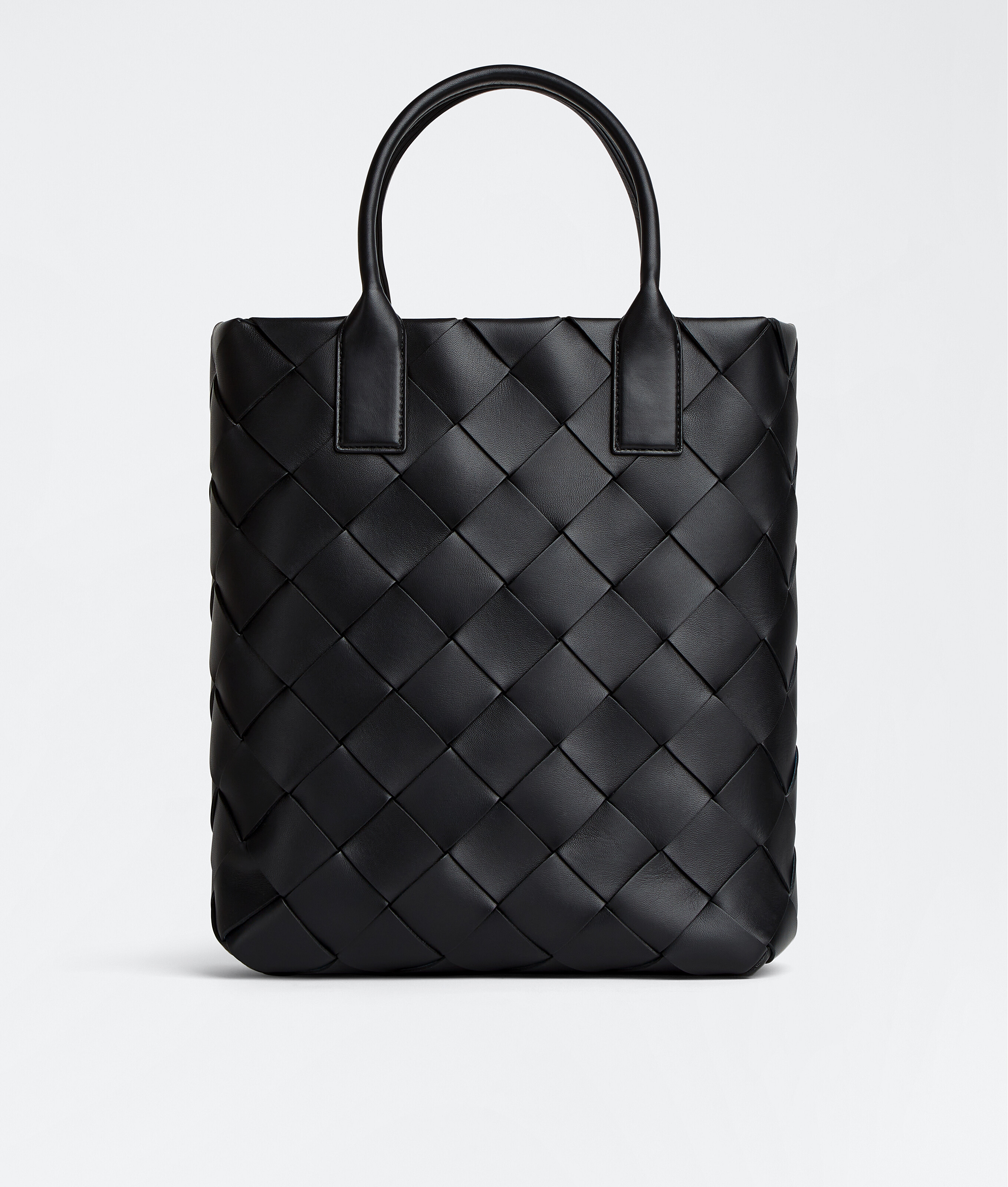
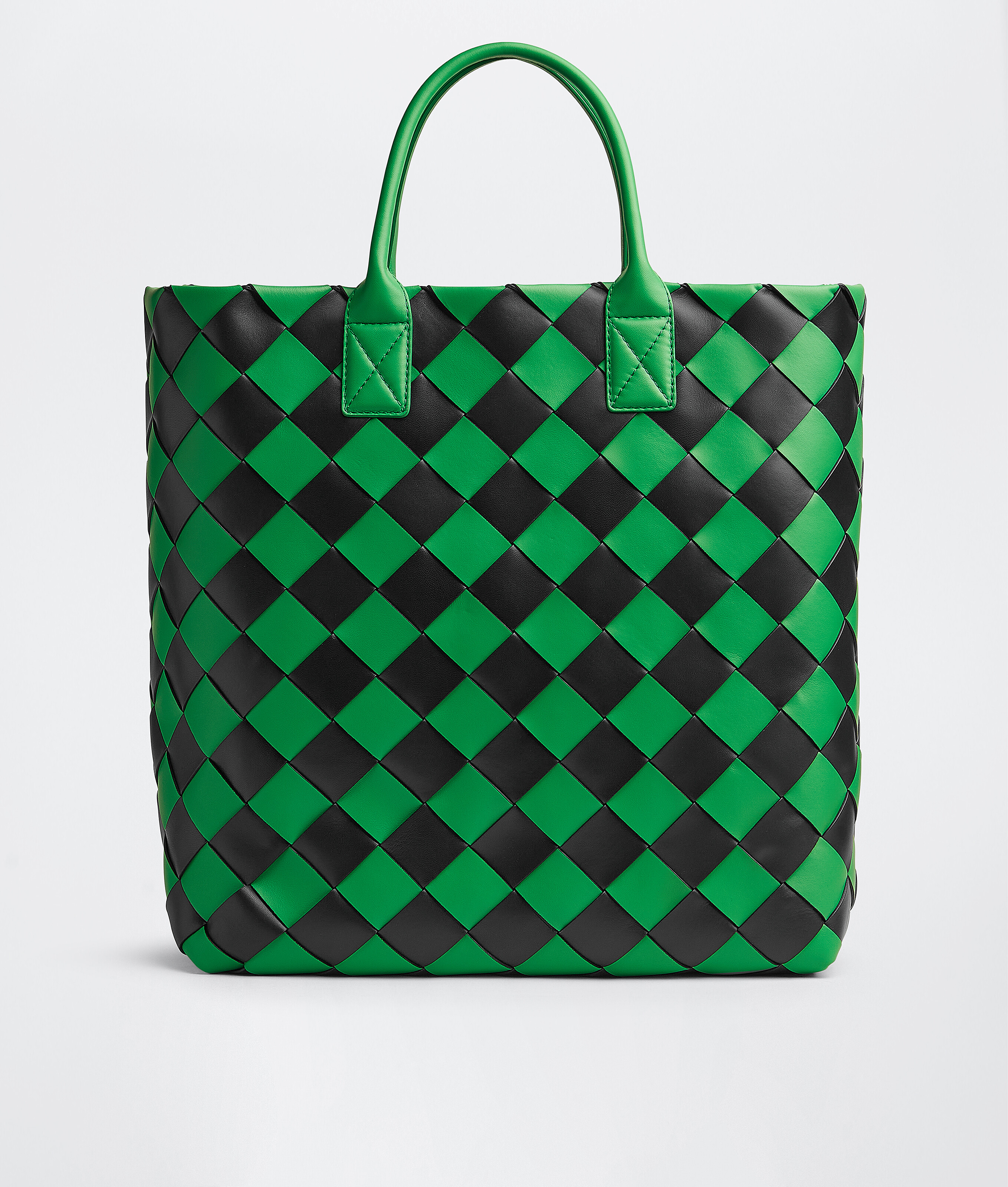
Bottega Veneta does not put names on the runway programme. It does not caption Instagram posts with 'meet the maker'. But the house has always been built on a specific kind of labour: the intrecciato weave, developed in 1966, requires a craftsperson to cut, skive, and braid strips of nappa leather by hand. A single Cassette bag takes between eight and twelve hours to complete, depending on size. The weave cannot be rushed. It cannot be faked convincingly. It is, in the most literal sense, handmade.
This is not romance. It is structure.
The training that precedes the product
Bottega Veneta runs an in-house school. It has done so since 2006. The Scuola dei Maestri Pellettieri sits within the Montebello complex and trains fifteen to twenty students per year. The curriculum lasts two years. Students learn to cut, skive, stitch, and assemble bags from scratch. They are taught by the house's senior artisans — the maestri — who have spent thirty, forty, sometimes fifty years working leather.
The school is not a marketing exercise. Graduates are hired into the atelier. They do not begin by weaving Cassettes. They begin by preparing leather, trimming edges, gluing linings. The intrecciato comes later, once the hand is steady and the eye is trained. It takes approximately three years of daily work before a craftsperson is trusted with a full bag from start to finish.
This is a different model to the one most houses use. Hermès has a similar structure. Chanel trains embroiderers in-house. But the majority of luxury production is outsourced to third-party ateliers, which bid on contracts and manage their own staff. Bottega Veneta owns its supply chain. The people who make the bags are employed directly by the house. They are salaried. They receive pensions.
When Matthieu Blazy was appointed creative director in 2021, he inherited this system. He did not overhaul it. His first collection, shown in February 2022, featured bags constructed from leather so thin it required double the usual number of intrecciato strips. The weavers had to adjust their technique. They did. The bags sold.
The signature that requires a hand
The intrecciato is not decorative. It is structural. Braiding the leather makes it stronger. A woven panel can bear more weight than a flat one. The technique also eliminates the need for visible hardware. No buckles, no zips, no logo plate. The weave is the design.
This matters more now than it did in 1966. Bottega Veneta has built its contemporary identity on restraint. No monogram. No external branding. The intrecciato functions as a signature without announcing itself. You either recognise it or you don't.
But the weave is also a constraint. It is slow. It is expensive. It cannot be mechanised. Every attempt to automate the process has failed. Machines can braid synthetic materials. They cannot braid nappa leather with the tension and irregularity that makes the intrecciato look like the intrecciato. The hand adjusts. The machine does not.
This is why Bottega Veneta cannot scale the way other houses can. A Cassette bag costs €3,300 in Europe. It takes ten hours to make. The house produces them in limited quantities because it cannot produce them any other way. The bottleneck is not demand. It is the number of people who know how to weave leather by hand.
There are fifty-three of them in Montebello. Their names do not appear in press releases. But they are listed, quietly, in the house's annual sustainability report. The document is not designed for consumers. It is designed for investors. It includes a breakdown of the workforce by region, by age, by tenure. The average length of employment in the Montebello atelier is twenty-two years.
The next chapter, which is not a reinvention
Blazy has not attempted to redefine the intrecciato. He has expanded it. His collections feature woven leather in weights and finishes that were not previously part of the house vocabulary. Thick hides braided into chunky, almost sculptural forms. Tissue-thin nappa woven so tightly it resembles fabric. Leather combined with raffia, with canvas, with rubber.
None of this is possible without the maestri. Blazy sketches. The atelier works out whether the sketch can be built. Sometimes it cannot. Sometimes it can, but it requires a technique that does not yet exist. The craftspeople develop it. This is not collaboration in the corporate sense. It is problem-solving.
The house does not romanticise this process. It does not film it for social media. It does not invite journalists into the atelier unless they are writing a feature that will run in a publication with a circulation above a certain threshold. This is not secrecy. It is focus.
Bottega Veneta's position in the market is unusual. It is owned by Kering, which also owns Gucci, Saint Laurent, and Balenciaga. But it operates at a different tempo. Gucci produces twelve collections per year. Bottega Veneta produces two. Gucci has 483 directly operated stores. Bottega Veneta has 221. The house is smaller, slower, and more expensive to run. It is also more profitable per unit sold.
This is because the product cannot be copied quickly. A logo bag can be knocked off in a week. An intrecciato bag cannot. The weave is too specific. The leather is too particular. The construction is too complex. By the time a counterfeit version reaches the market, it is obviously wrong. The tension is off. The strips are too wide. The hand is missing.
The people who remain unnamed
Bottega Veneta does not name its artisans in public. This is a choice. Other houses do. Hermès profiles its craftspeople in short films. Loro Piana features its weavers in campaign imagery. Bottega Veneta does not.
The reasoning, as explained in a 2019 interview with then-CEO Leo Rongone in Business of Fashion, is that the house does not want to elevate individuals above the collective. The atelier functions as a unit. Singling out one weaver implies that the others are less skilled. They are not. They are all trained to the same standard.
This is a defensible position. It is also convenient. Naming artisans creates expectations. It creates personalities. It creates the possibility that those personalities might leave, taking their names with them. Bottega Veneta avoids this by keeping the focus on the house, not the hand.
But the hand is still there. It is there in the irregular tension of the weave, which is never quite machine-perfect. It is there in the slight variation between one Cassette and another, which are identical in structure but not in texture. It is there in the fact that the bag takes ten hours to make, and those hours are worked by a person who has been doing this for twenty years.
The house does not need to name them. The work names itself.