The fitting room at Bottega Veneta's Milan headquarters is quiet in the way expensive spaces tend to be
The fitting room at Bottega Veneta's Milan headquarters is quiet in the way expensive spaces tend to be. Lauren Hutton is standing on a low platform in 1980, wearing a coat she will wear again thirty years later in a different campaign. The photographer has not yet arrived. She is talking to the house's then-creative director about the width of a sleeve, and neither of them is in a hurry.
This is the image that comes to mind when tracing the maison's relationship with women—not the runway, not the red carpet, but the fitting room. Bottega Veneta has always worked best when the woman in the garment has something to say about it.
Three women, across four decades, shaped what that conversation sounds like.
Lauren Hutton: The American in Milan
Hutton arrived at Bottega Veneta in the late seventies, already famous, already forty. She had walked away from a Revlon contract that made her the highest-paid model in the world, and she was not interested in playing ingénue for an Italian leather house. What she wanted—what the house offered—was a coat she could wear on a plane, a bag that closed properly, trousers cut wide enough to move in.
The campaigns she shot between 1980 and 1983 are still the clearest articulation of what Bottega Veneta means when it talks about discretion. Hutton wears suede the colour of wet sand. She stands in doorways, mid-sentence. The intrecciato weave is visible but never central. The clothes do not announce themselves.
This was radical at the time, though it reads now as obvious. Armani had not yet made American women feel safe in Italian tailoring. Halston's bias-cut ease was still considered evening-only. Hutton, in Bottega Veneta, looked like a woman who had her own money and her own schedule. The gap in her front teeth stayed. So did the lines at her eyes.
She returned to the house in 2008, for a campaign shot by David Sims. She was sixty-five. The bag she carried—a large intrecciato hobo—was not new, and neither was the leather jacket. Tomas Maier, creative director at the time, understood that Hutton's relationship with Bottega Veneta was not nostalgic. It was ongoing. The clothes had simply kept pace.
Tomas Maier's Collaborators: The Decade of the Cabat
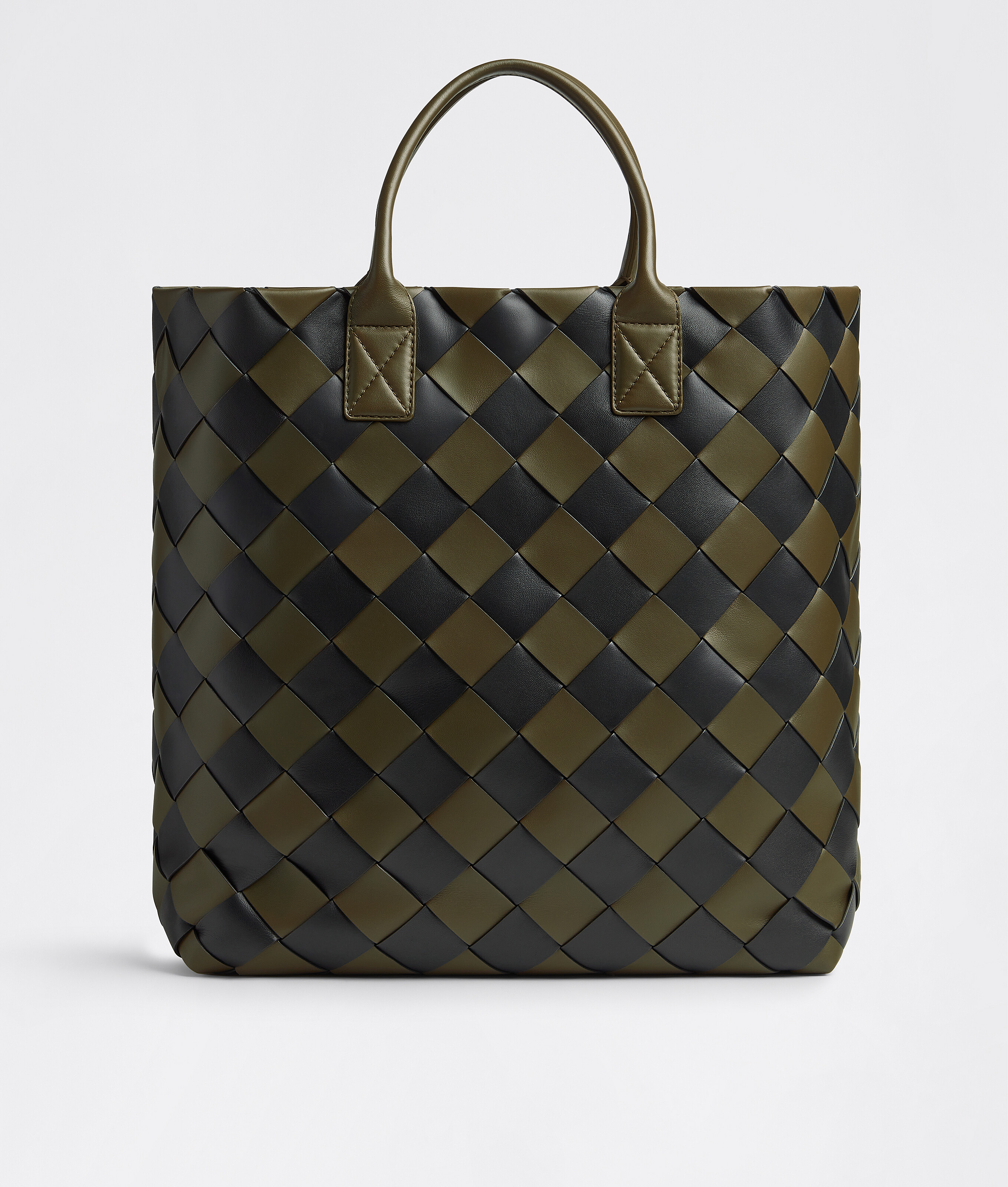
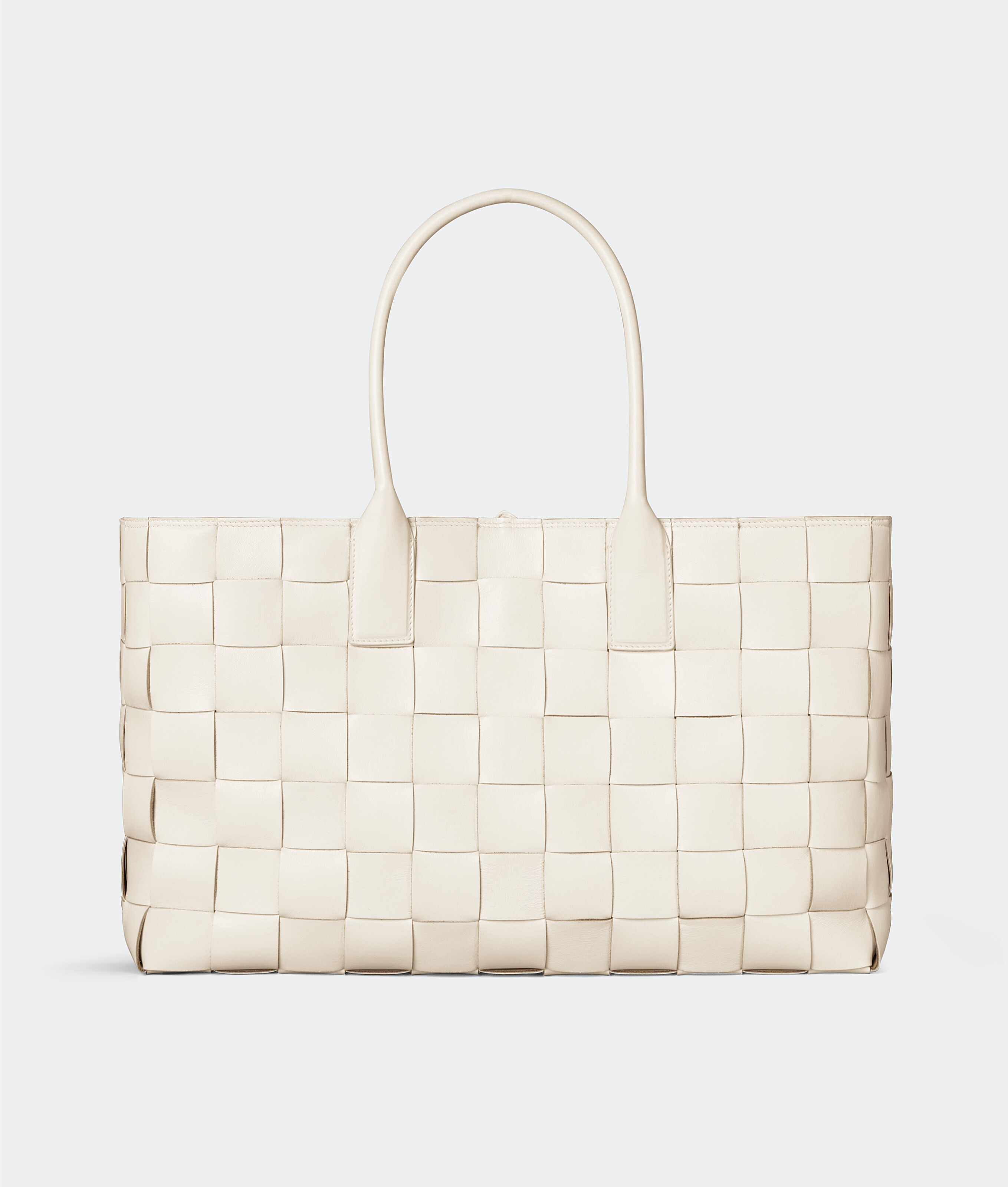
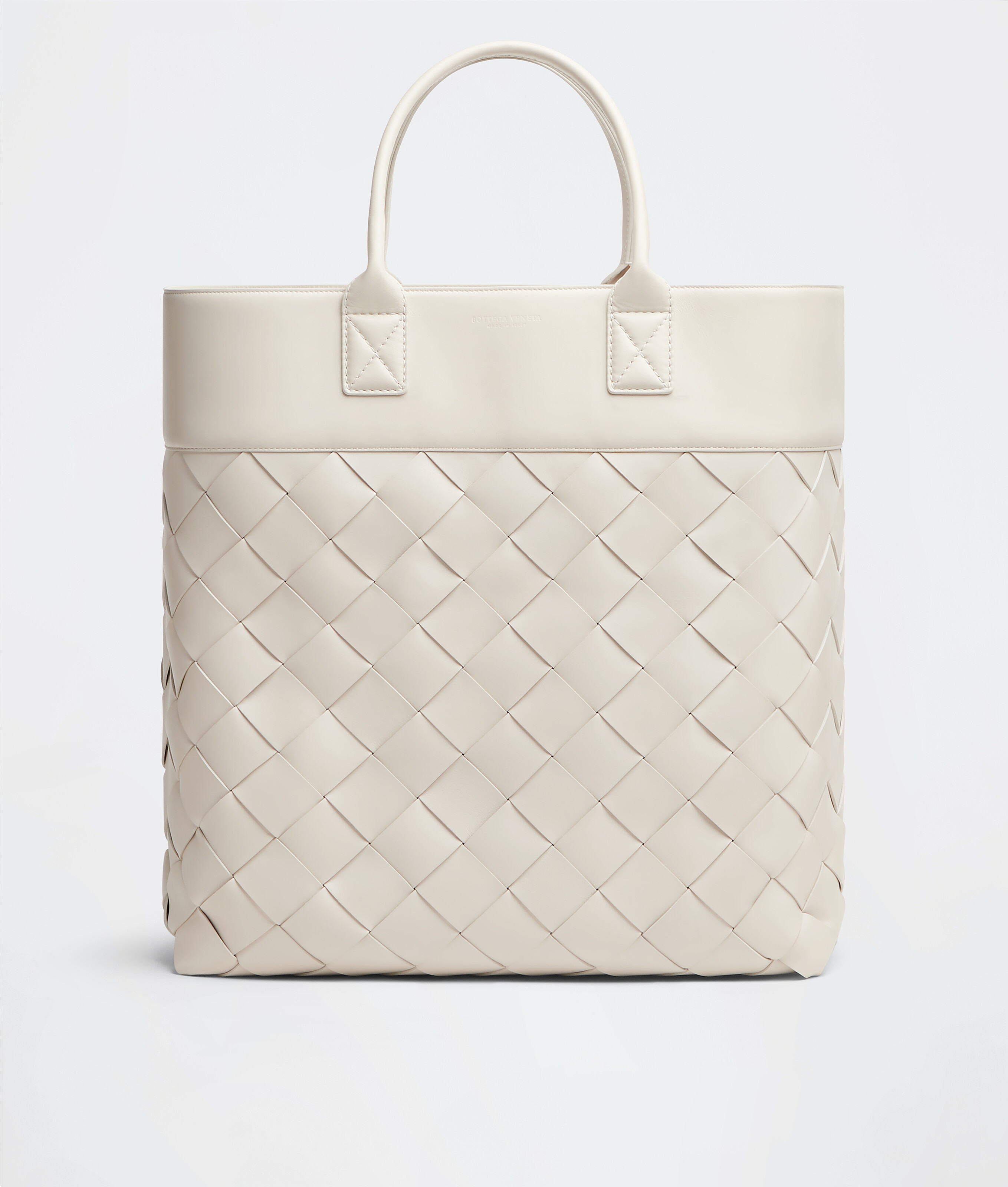
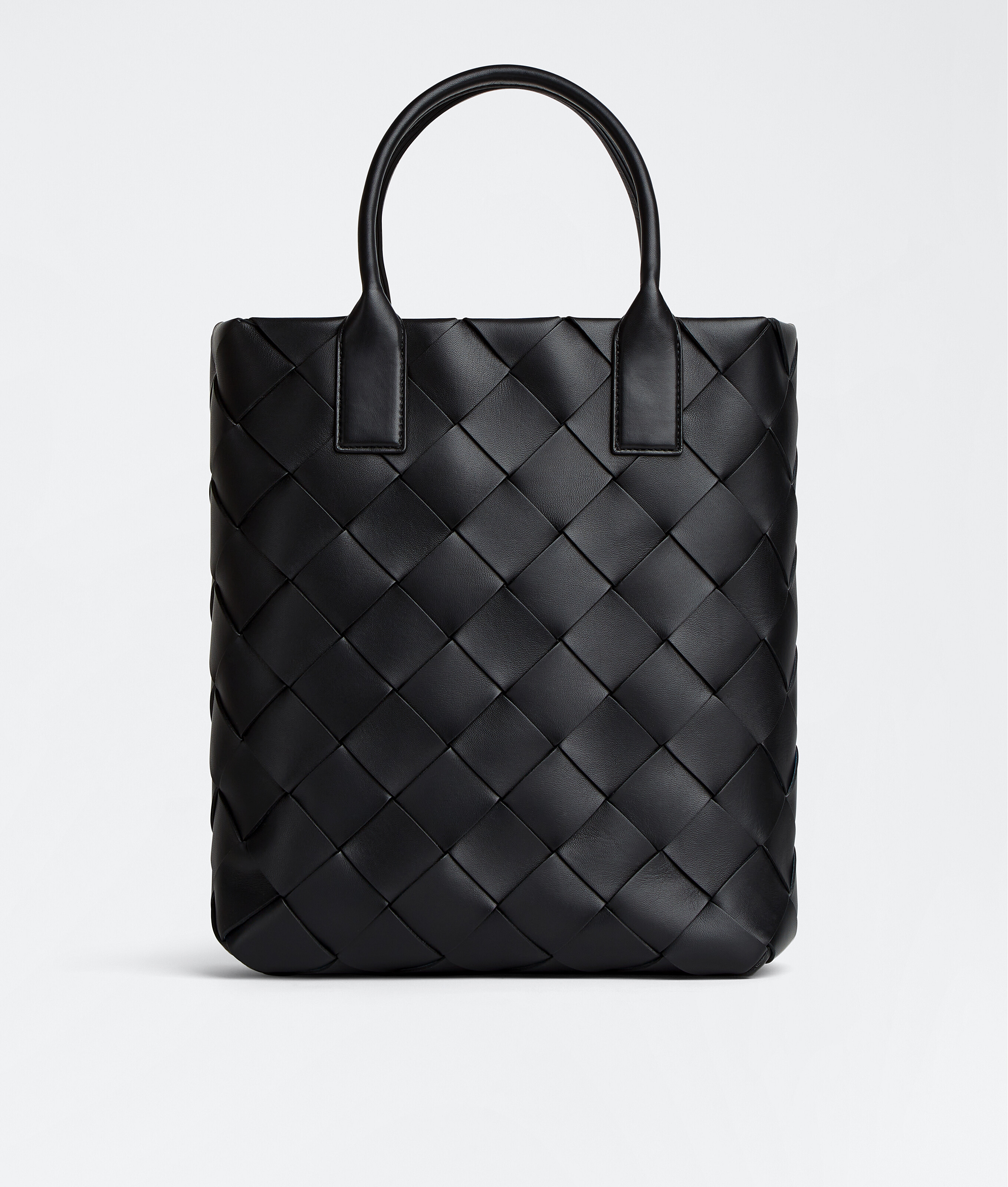
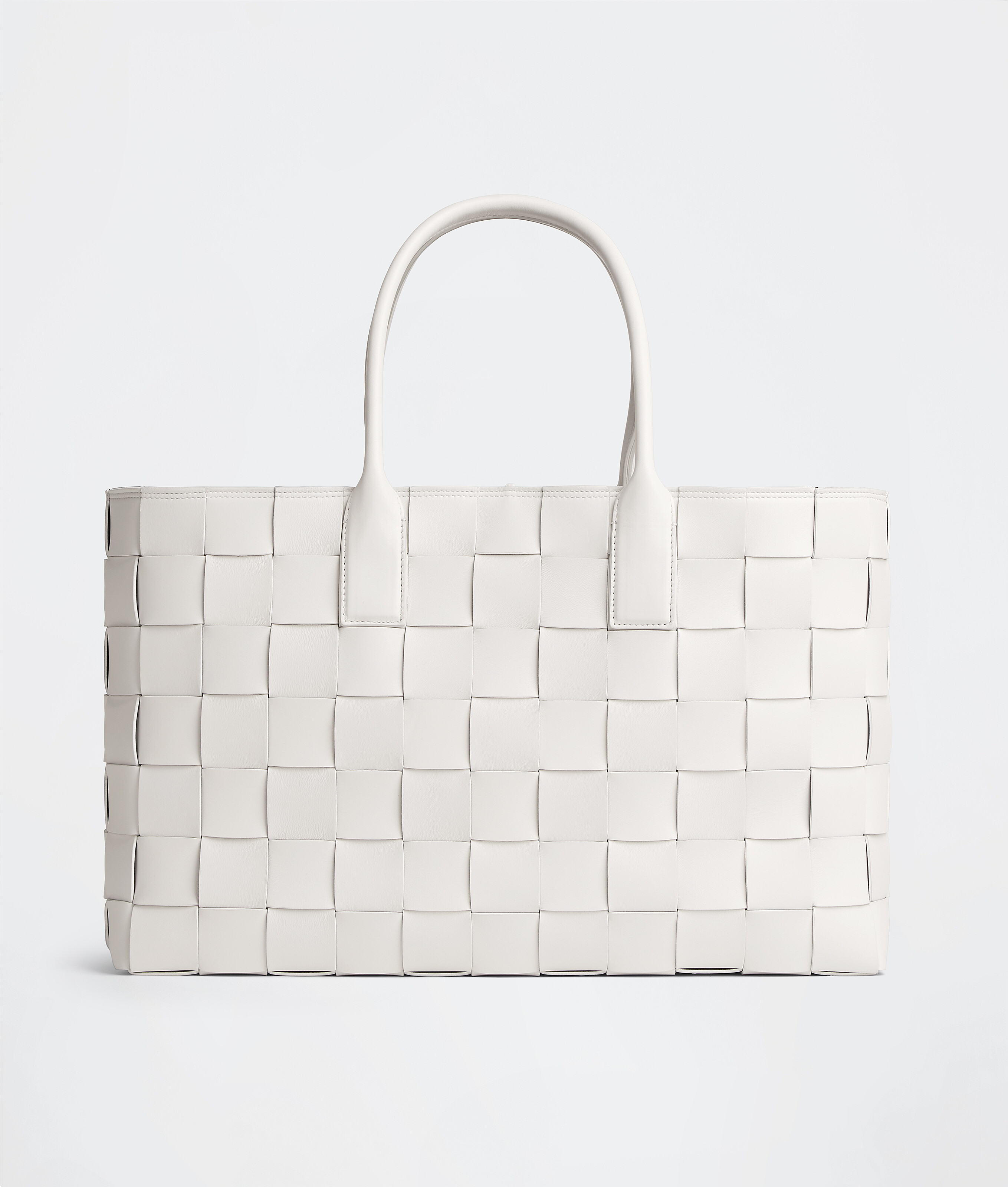
Maier arrived in 2001 and found a house that had spent the nineties licensing itself into irrelevance. His first move was to pull every license, kill every logo, and start again with a single bag. The Cabat, introduced in 2001, was an intrecciato tote with no lining, no hardware, and no closure. It was expensive in a way that required explanation.
The women who carried it in the early aughts were not celebrities. They were gallerists, architects, editors—professionals who travelled often and refused to check luggage. The Cabat held a laptop, a cashmere wrap, two magazines, and a pair of flat shoes. It did not photograph well from across the street, which was the point.
Maier did not cast muses in the traditional sense. He cast women who looked like they had just come from somewhere and were about to go somewhere else. His campaigns featured Charlotte Rampling at seventy, Mona Kuhn's nudes, and in 2013, a short film of Lauren Hutton walking through an empty house in Los Angeles. The intrecciato was present, but it was not the subject. The subject was time—how a bag ages, how a woman's face earns its geometry, how leather darkens where your hand has been.
By the time Maier left in 2018, Bottega Veneta had become the house for women who did not want to be identified by their bags. This was a commercial strategy, but it was also a point of view.
Daniel Lee's Anonymous Women: The Pouch and the Pivot
Lee arrived in 2018 and immediately confused everyone. The first collection, for Spring 2019, featured square-toed sandals that looked like hooves, dresses with exaggerated hips, and a soft leather clutch that buckled in the middle like a dumpling. The Pouch, as it became known, was everywhere within six months.
Lee's muses were not named. The campaigns, shot by Tyrone Lebon, featured models whose faces were often cropped or obscured. What you saw instead: hands holding bags, legs in oversized trousers, the back of a head. The clothes were tactile to the point of aggression. You wanted to touch them, not because they looked soft, but because they looked dense—padded leather, thick knits, shoes with rubber lug soles that weighed half a kilo each.
The women who wore Lee's Bottega Veneta in real life were younger than Maier's clientele, but not dramatically so. They were in their thirties and forties, and they worked in industries where taste is a form of currency. The Pouch became a signifier, which was ironic given the house's history, but Lee understood that anonymity in 2020 looked different than it did in 2001. The logo was still gone. The bag was still quiet. But quiet, in an Instagram economy, is loud.
Lee left in 2021. The Pouch remains in production. So do the square-toed boots, the padded sandals, the oversized shirts in washed leather. His tenure was short, but it recalibrated the house's relationship with visibility. Bottega Veneta could be recognisable without being obvious. The weave was no longer the only signature.
Matthieu Blazy and the Return of the Garment
Blazy, who succeeded Lee, has spent the past three years doing something quieter. His collections reference the house's archive, but they do not rely on it. The Spring 2024 show featured leather worked to look like denim, denim worked to look like leather, and a series of coats that appeared to be one garment but were, in fact, three. The muses, if they exist, are not visible. The work is.
This is the through line. Hutton in 1980, the Cabat in 2005, the Pouch in 2019, the leather jeans in 2024—each required a woman willing to explain it, or willing to let it go unexplained. Bottega Veneta has never been for women who want to be seen. It has been for women who want to be understood, which is a different request entirely.
The fitting room is still quiet. The sleeve is still being adjusted. The woman on the platform is still talking.