## The Fitting Room at Dawn
The Fitting Room at Dawn
Seán McGirr stands in the Alexander McQueen atelier on Old Bond Street at seven in the morning, pinning muslin to a dress form. The room smells of coffee and steam. He is not alone — two pattern cutters are already at work — but he is quiet in a way that suggests he has been here longer than anyone else. The muslin is for a coat. Not the kind of coat that announces itself from across a room, but the kind that makes you look twice at the shoulder, then the sleeve head, then the way the whole thing moves when the model turns. McGirr has been creative director here since October 2023. He is forty-one. He does not use the word 'vision'.
He grew up in County Monaghan, the youngest of five. His father worked in agriculture; his mother made clothes for the children because it was cheaper than buying them. McGirr has said, in interviews, that he did not think of fashion as a career until he was already studying it. He enrolled at Central Saint Martins in 2001, graduated in 2005, and spent the next eighteen years working for other people. First at Dior Homme under Hedi Slimane, where he learned to cut a narrow trouser and a shirt that sat flat against the ribs. Then at Burberry, where he spent a year in womenswear. Then at JW Anderson, where he stayed for a decade and became head of design. He was responsible for much of what people think of when they think of Anderson's work: the proportion shifts, the way a sleeve can be both sculptural and soft, the refusal to make clothes that sit still.
When Kering announced his appointment to Alexander McQueen, the response was muted. McGirr was not a household name. He had never shown a collection under his own name. He had never been photographed at a party. The industry asked, quietly, whether this was the right choice for a house built on spectacle.
The First Collection
His debut for autumn/winter 2024 landed in March. It opened with a black wool coat, double-breasted, cut long and close to the body. The shoulders were soft. The lapels were wide but not exaggerated. It was a coat you could wear to a funeral or a meeting or a dinner where you needed to look like you had your life in order. It was not a coat that would end up on a mood board. The collection that followed — dresses in crêpe and silk faille, tailoring in charcoal and navy, a few pieces in leather that looked like they had been worn before — was similarly restrained. There were no antlers. No taxidermy. No models walking through water or fire or smoke.
The reviews were mixed. Some called it a reset, a necessary recalibration after years of Sarah Burton's romanticism. Others called it flat. McGirr, in the show notes, had written about craft and construction, about the archive, about making clothes that women would want to wear. He did not mention Lee Alexander McQueen by name. He did not need to. The absence was the point.
Burton had spent thirteen years at Alexander McQueen. She had been McQueen's right hand, his head of womenswear, the person who finished the collections after his death in 2010. Her work was softer than his, more concerned with beauty than provocation, but it was still theatrical. She made dresses that required four people to carry them. She made corsets that took two days to embroider. She made clothes that belonged in museums, and many of them ended up there. When she left in 2023, the question was not whether the house would survive — it would, because Kering owns it and Kering does not let houses die — but whether it could mean something new.
The Signature, or Lack Thereof
McGirr does not have a signature yet. Or rather, his signature is the absence of one. He makes clothes that fit well and move cleanly and do not demand attention. He is interested in tailoring, in the way a jacket can change a silhouette without distorting it, in the difference between a sleeve set in at the natural shoulder and one set in half an inch forward. He has said, in the few interviews he has given, that he thinks about his mother's sewing, about the pragmatism of making something that lasts. He has also said that he thinks about McQueen's tailoring, the early work, the Savile Row apprenticeship, the suits that were sharp enough to draw blood.
His second collection, for spring/summer 2025, was looser. There were dresses in silk georgette that moved when the models walked. There were trousers in linen that sat low on the hip. There were jackets in cotton drill that looked like they had been borrowed from a man's wardrobe, then taken in at the waist. The palette was cream, sand, black, navy. The only colour was a dark red that appeared on a few evening pieces. The show was held in Paris, in a warehouse in the 10th arrondissement. There was no set. The models walked in a straight line, turned, walked back. It was over in twelve minutes.
The industry is still waiting. Waiting for McGirr to do something loud, something that will make people talk, something that will justify the appointment. He has not done it yet. He may never do it. He seems more interested in building a wardrobe than a spectacle, in making clothes that women will wear for years rather than clothes that will end up in an exhibition. This is not a popular position in contemporary fashion, where the job of a creative director is to generate content, to give the brand something to post, to keep the conversation going. McGirr is not interested in the conversation. He is interested in the coat.
What Comes Next
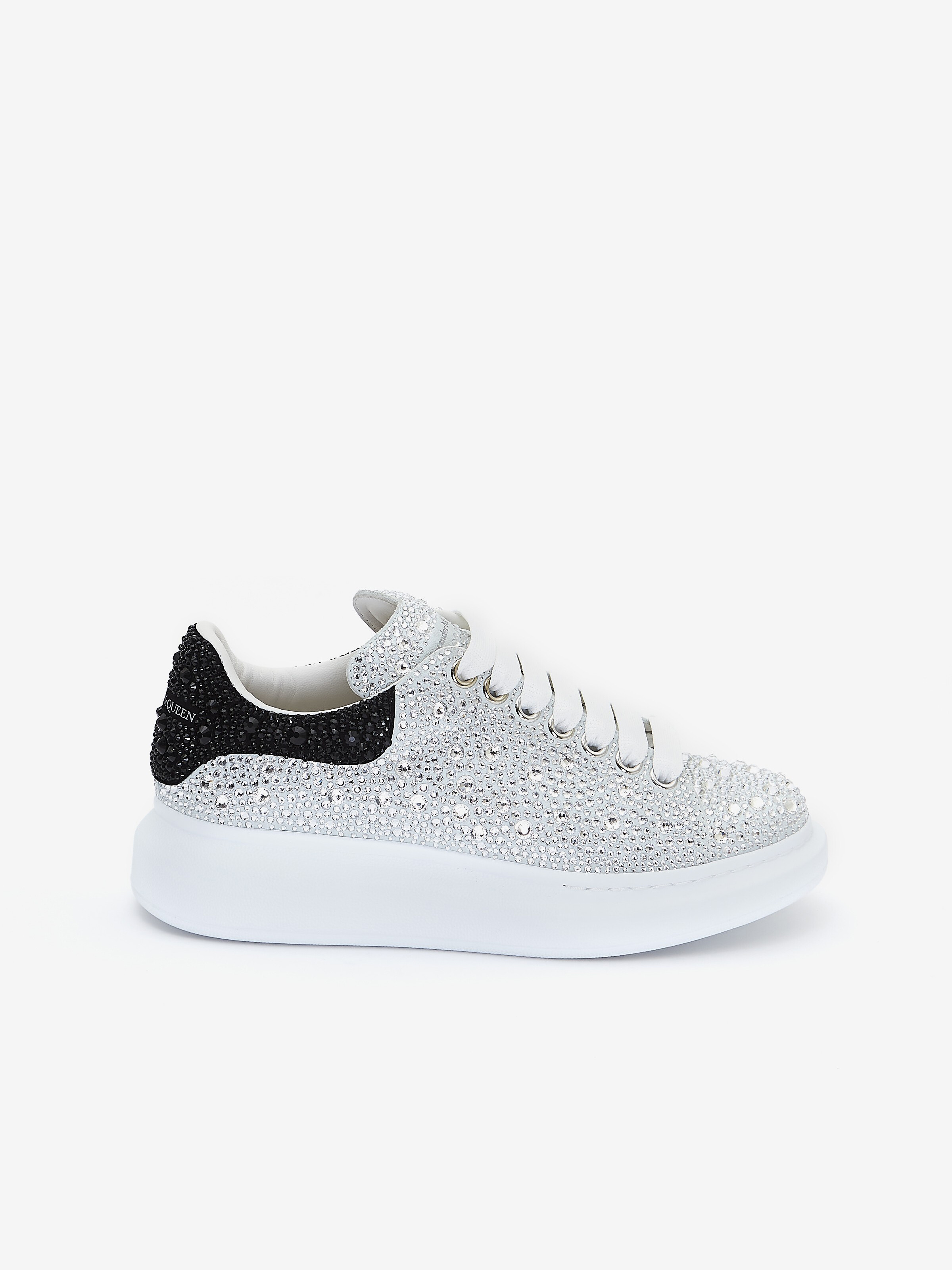
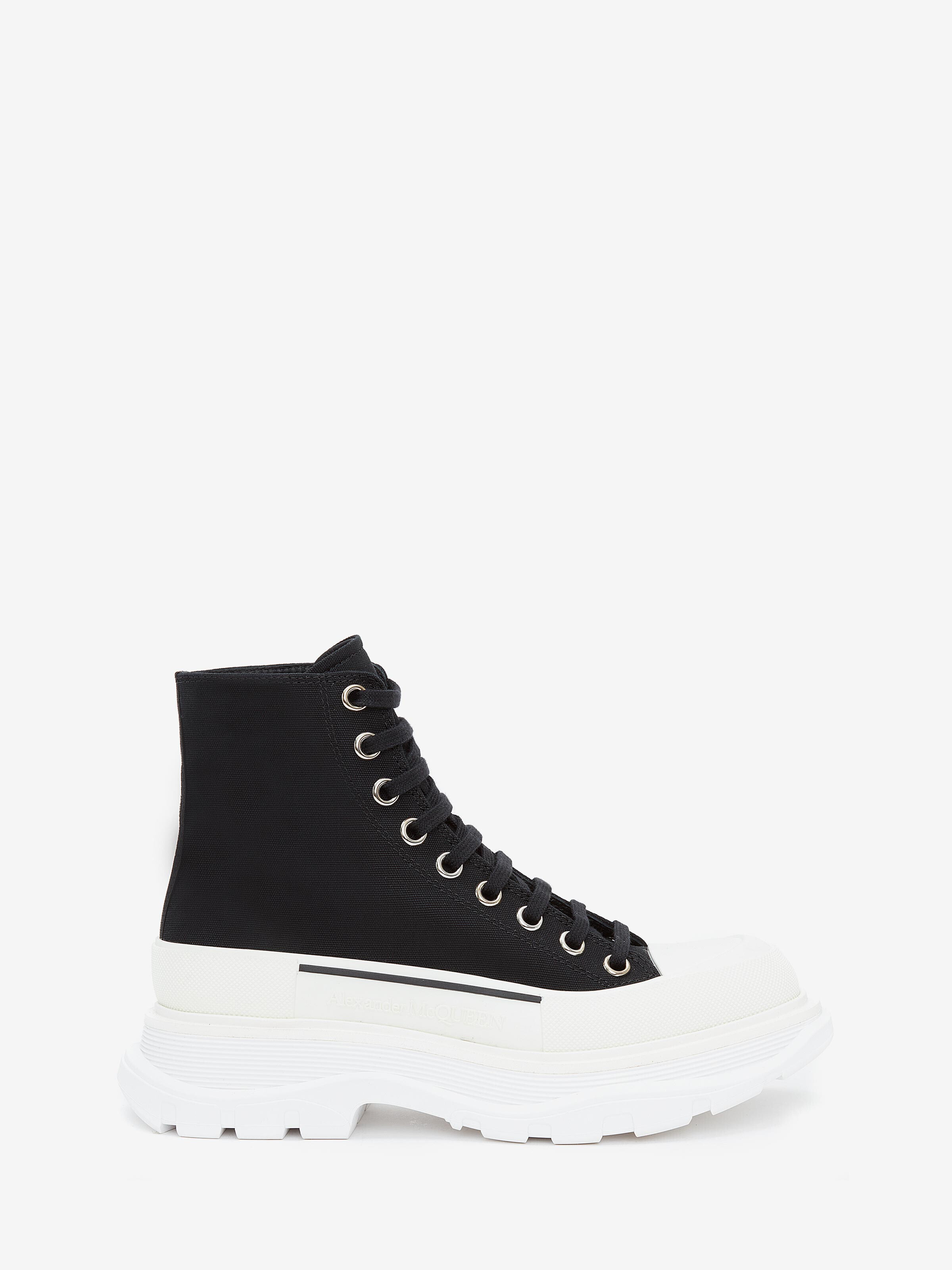
The question is whether Kering will let him continue. Alexander McQueen is not a small house. It generates over £500 million in annual revenue. It has stores in every major city. It needs to sell handbags and shoes and sunglasses, not just coats that take six fittings to get right. McGirr's work so far has been well-made and quietly intelligent, but it has not been commercial in the way that Kering needs it to be. The bags in his first two collections were simple leather shapes, no hardware, no logos, nothing that would photograph well on an influencer's arm. The shoes were flat or nearly flat. The clothes were expensive but not ostentatious. This is a problem.
McGirr knows this. He has worked in the industry long enough to understand that a creative director's job is not just to design clothes but to design a brand position, a marketing strategy, a reason for people to walk into a store. He has also worked in the industry long enough to know that the best way to do that is to make something good and wait for people to notice. This is a slow strategy. It may not work.
For now, he is in the atelier, pinning muslin to a dress form, making a coat that no one will remember until they need one. It is not the McQueen that people expect. It is not the McQueen that Lee Alexander McQueen would have made. It is, for better or worse, the McQueen that Seán McGirr knows how to make. Whether that is enough remains to be seen.