The fitting room on the second floor of Palazzo Fendi smells faintly of steam and bergamot
The fitting room on the second floor of Palazzo Fendi smells faintly of steam and bergamot. Kim Jones kneels beside a mannequin draped in what will become — after three more adjustments to the sleeve pitch and a narrowing of the lapel by half a centimetre — the opening look of his autumn-winter menswear show. He does not speak. The première d'atelier marks the toile with chalk. Jones nods, stands, and the garment is whisked away. The entire exchange takes ninety seconds.
This is not the designer who arrived in Rome six years ago trailing Supreme collaborations and a streetwear halo. That version of Jones — the one who could move 100,000 hoodies in eleven minutes — still exists, but the man adjusting a cashmere topcoat in a Renaissance palazzo has recalibrated. Fendi, it turns out, does that to people.
The Long Apprenticeship
Jones came up through the Central Saint Martins cohort that also produced Phoebe Philo and Stella McCartney, though his path diverged early. After graduation in 2002, he worked under John Galliano at Dior, an experience he has described, in various interviews, as formative and occasionally punishing. Galliano's atelier ran on adrenaline and historical reference; Jones absorbed both. He learned to drape, to source, and — crucially — to work at a pace that would later serve him when he helmed his own label.
That label, launched in 2003, earned him the British Fashion Council's Menswear Designer of the Year award in 2006. The clothes were precise, subtly referential, and commercially unviable at the scale Jones was operating. He folded the line in 2010. What followed was a five-year tenure at Louis Vuitton Men's, where he rebuilt the category into something approaching parity with womenswear. The Kim Jones who left Vuitton in 2018 had proven he could move product, manage egos, and deliver eight collections a year without visible strain.
Dior Men's came next. The appointment made sense on paper — Jones knew the house, the LVMH machinery, the cadence — but the work itself surprised. He brought in artists (KAWS, Daniel Arsham, Hajime Sorayama) and leaned hard into the tailoring archive that Dior Homme had built under Hedi Slimane. The collaboration with Supreme, announced before his first show, generated the predictable frenzy. What was less expected: the clothes themselves were good. Not just hyped. Good.
The Roman Turn
Fendi approached him in 2020. The timing was odd — Jones was barely two years into Dior Men's, and the pandemic had turned the industry into a series of digital presentations and supply-chain crises. But the offer had a specific logic. Silvia Venturini Fendi, who had overseen menswear since 1990 and accessories since 1994, wanted to step back from the former. The house needed someone who understood both the Roman codes — craft, leather, a certain aristocratic restraint — and the commercial imperatives of a conglomerate-owned maison. Jones, who would retain his Dior role, accepted.
The dual appointment raised eyebrows. Could one designer serve two LVMH houses without dilution? The answer, five years in, appears to be yes, though the mechanism is instructive. At Dior, Jones works with a predominantly French atelier trained in the language of haute couture. At Fendi, the Roman workshops speak a different dialect: fur (now largely phased out in favour of shearling and technical alternatives), leather treated to the point of near-transparency, and a handbag vocabulary that predates most of the industry's current players.
Jones has not attempted to merge the two. His Fendi work skews quieter, more textural. Where Dior Men's might open with a logo-heavy bomber, Fendi begins with a double-breasted coat in camel hair so fine it moves like jersey. The Baguette, relaunched under his tenure with a men's iteration, became one of the house's most successful accessories in a decade. The Peekaboo, reinterpreted in shearling and technical canvas, followed.
Signature Without Repetition
What constitutes a Kim Jones signature at this point is harder to pin down than it was a decade ago. The collaborations continue — he has worked with Donatella Versace on a Fendi-Versace swap, with Marc Jacobs on a nostalgic nod to their shared Vuitton years, with Skims on a capsule that sold out in minutes. But the through-line is less about aesthetic and more about methodology. Jones builds collections the way a session musician approaches a new band: he learns the house codes, identifies what has atrophied, and applies pressure where it will yield the most return.
At Fendi, that has meant a recalibration of proportion. The house, under Karl Lagerfeld, had leaned into a certain baroque maximalism — fur stoles, logo-heavy hardware, a palette that favoured contrast. Jones has quieted that impulse without erasing it. His Fendi man wears a shearling-lined bomber, but the shearling is dyed to match the shell, and the hardware is matte bronze rather than polished gold. The effect is accumulation rather than announcement.
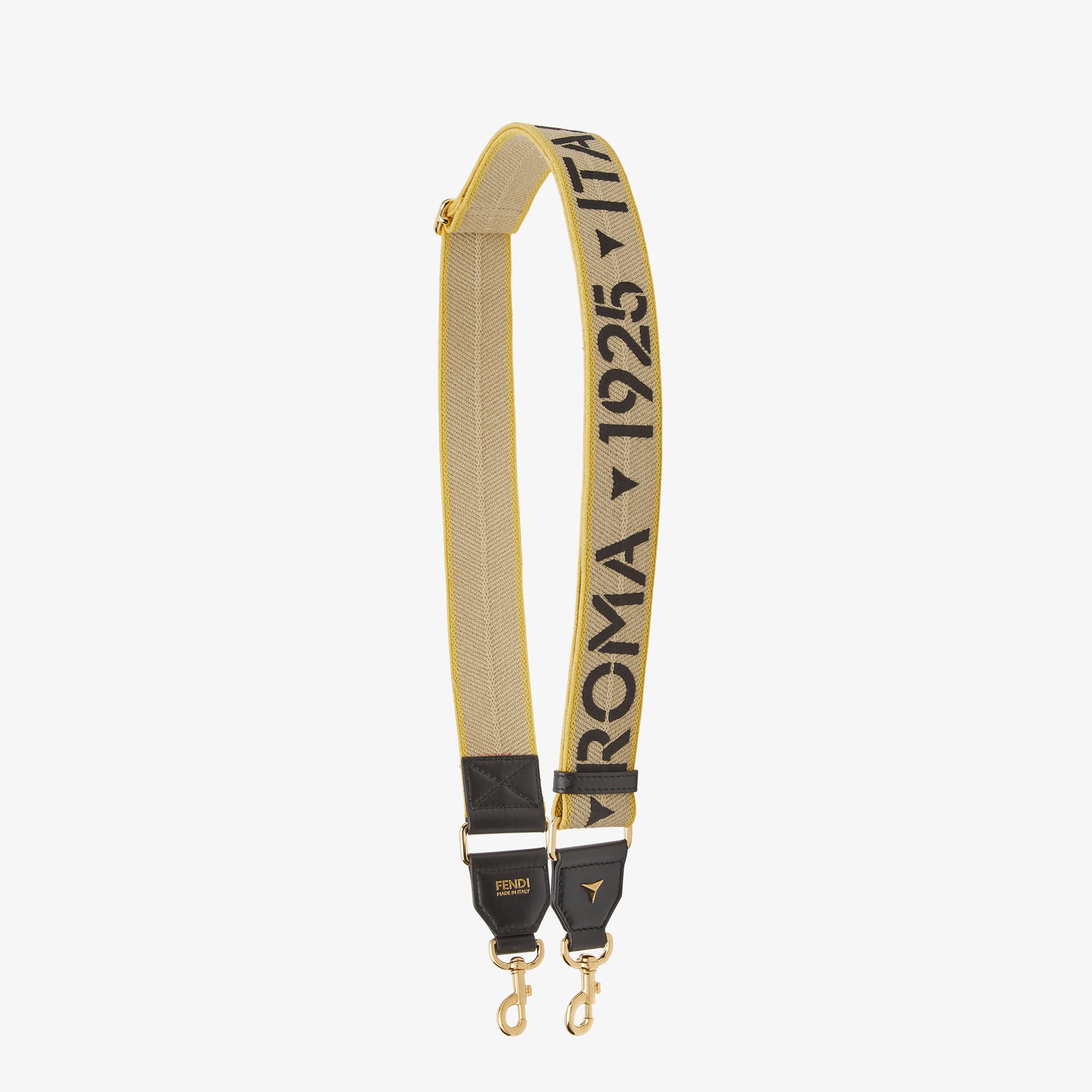
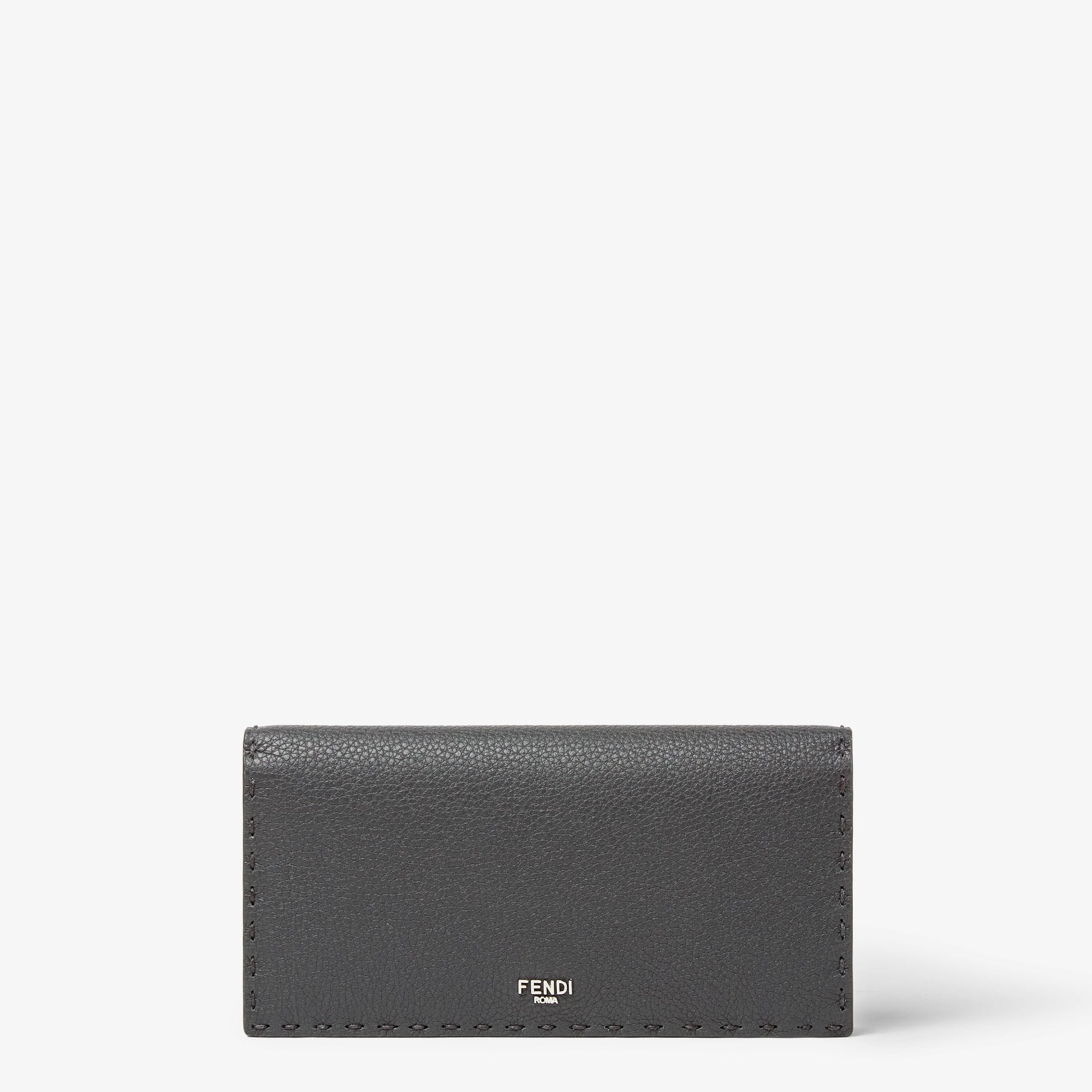
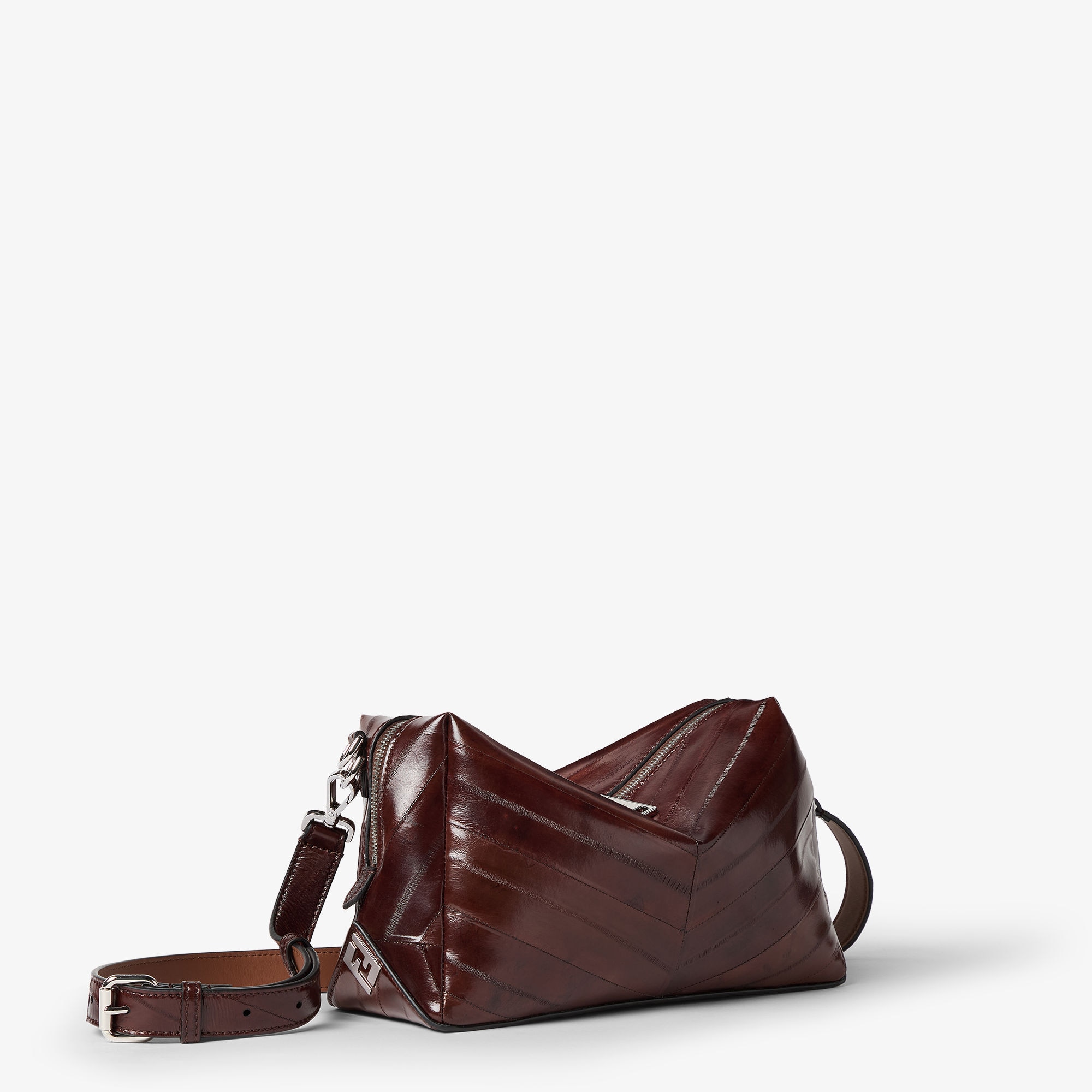
The leather work, overseen by Silvia Venturini Fendi's accessories atelier, has become a focal point. Jones introduced a men's version of the Peekaboo in 2021, scaled slightly larger and fitted with a detachable shoulder strap. The bag, which retails north of $4,000, sold faster than the house anticipated. A year later, he revisited the Baguette, this time in shearling and technical nylon. The combination — a 1990s silhouette rendered in materials that read as both archival and contemporary — encapsulates the balance Jones has struck.
What Remains
Jones is now 45. He has been designing, in one capacity or another, for more than two decades. The question facing him — and, by extension, the houses he serves — is what a third act looks like. Designers of his generation rarely retire; they either ascend to creative director roles that encompass brand strategy and licensing, or they burn out and step away. Jones has shown little inclination toward the latter.
In a 2023 interview with System, he suggested that his dual role at Dior and Fendi would continue indefinitely, barring a significant shift in either house's direction. He has also hinted at interest in accessories beyond bags — footwear, small leather goods, eventually eyewear — though those categories remain under Silvia Venturini Fendi's purview.
The risk, as always, is dilution. A designer who works across two houses, multiple collaborations, and an increasingly fractured fashion calendar runs the danger of becoming a brand manager rather than a maker. But Jones, at least in the fittings and ateliers where the work actually happens, remains focused on the garment. The sleeve pitch. The lapel width. The way a shearling lining catches light when the coat is unbuttoned.
Whether that focus can sustain two houses, two identities, and two audiences over the next decade is an open question. For now, the work speaks: precise, commercially astute, and — when the fitting room is quiet and the première d'atelier is marking toiles — still rooted in the thing itself.