The fitting room on the third floor of Fendi's Palazzo della Civiltà Italiana smells faintly of steam and bergamot
The fitting room on the third floor of Fendi's Palazzo della Civiltà Italiana smells faintly of steam and bergamot. Kim Jones kneels beside a model draped in camel wool, adjusting the fall of a sleeve. He pulls the cuff forward half a centimetre, steps back, considers. The gesture is small, almost invisible to anyone watching from the doorway, but it changes the line entirely. He nods. The fitter marks the adjustment with chalk.
This is how most of his days unfold now — not in grand pronouncements but in incremental recalibrations. Since arriving at Fendi in 2020 to helm the women's ready-to-wear and couture, Jones has worked less like a revolutionary and more like a conservator who happens to carry a sketchbook. He does not tear down; he tunes.
Formation
Jones came up through Central Saint Martins in the early 2000s, a cohort that included Stella McCartney and Phoebe Philo. His graduate collection drew on his childhood in Botswana and Ethiopia, places his father's work as a hydrogeologist had taken the family. The clothes bore traces of Masai blankets and Berber textiles, but the construction was English — tailored, considered, built to move. John Galliano hired him straight out of school to work on Dior Homme. He stayed eighteen months.
What followed was a decade of lateral movement. He designed his own menswear line, consulted for Umbro and Mulberry, then took the creative director role at Dunhill in 2008. The work was competent but not revelatory. Dunhill, at the time, was a house searching for a reason to exist beyond its leather goods archive. Jones gave it sharper tailoring and a younger casting, but the tension between heritage and modernity never quite resolved. He left after three years.
Louis Vuitton menswear came in 2011. That appointment made sense in a way the previous ones had not. Vuitton had scale, resources, and a menswear division that had long played second to the women's line. Jones brought a streetwear fluency that felt native rather than appropriated — he had spent years attending shows, collecting sneakers, talking to skaters and musicians. The collaboration with Supreme in 2017 was not the first luxury-streetwear hybrid, but it was the most seamless. The pieces sold out in minutes. More importantly, they looked like clothes people might actually wear rather than museum artefacts in the making.
He stayed at Vuitton until 2018, then moved to Dior Men. The appointment surprised no one who had followed his career, but it did raise a question: could he do more than menswear? The answer arrived two years later when Fendi called.
Virage
Silvia Venturini Fendi had been designing the men's line and accessories since the 1990s. When Karl Lagerfeld died in 2019, the question of succession loomed. Fendi did not replace him immediately. Instead, the house took a year to consider what it wanted next. What it wanted, apparently, was Jones — but only for womenswear. Venturini Fendi would continue with menswear and accessories. The structure was unusual, but it allowed both designers to work within defined boundaries.
Jones's first collection for Fendi, shown in September 2020, arrived during the pandemic. The presentation was digital, the clothes shown on models walking through the Palazzo's arcades. He opened with tailoring — sharp-shouldered coats in tobacco and grey, trousers cut high and wide. The silhouette recalled the 1940s, but the fabrics were contemporary: bonded wool, rubberised cotton, leather so fine it read as silk from a distance. He used the house's baguette bag as a structural motif, translating its curved lines into sleeve shapes and hemlines.
The response was cautiously positive. Critics noted the restraint, the lack of obvious gestures. Some found it too quiet. Others appreciated that he had not attempted to out-Karl Karl.
Signature
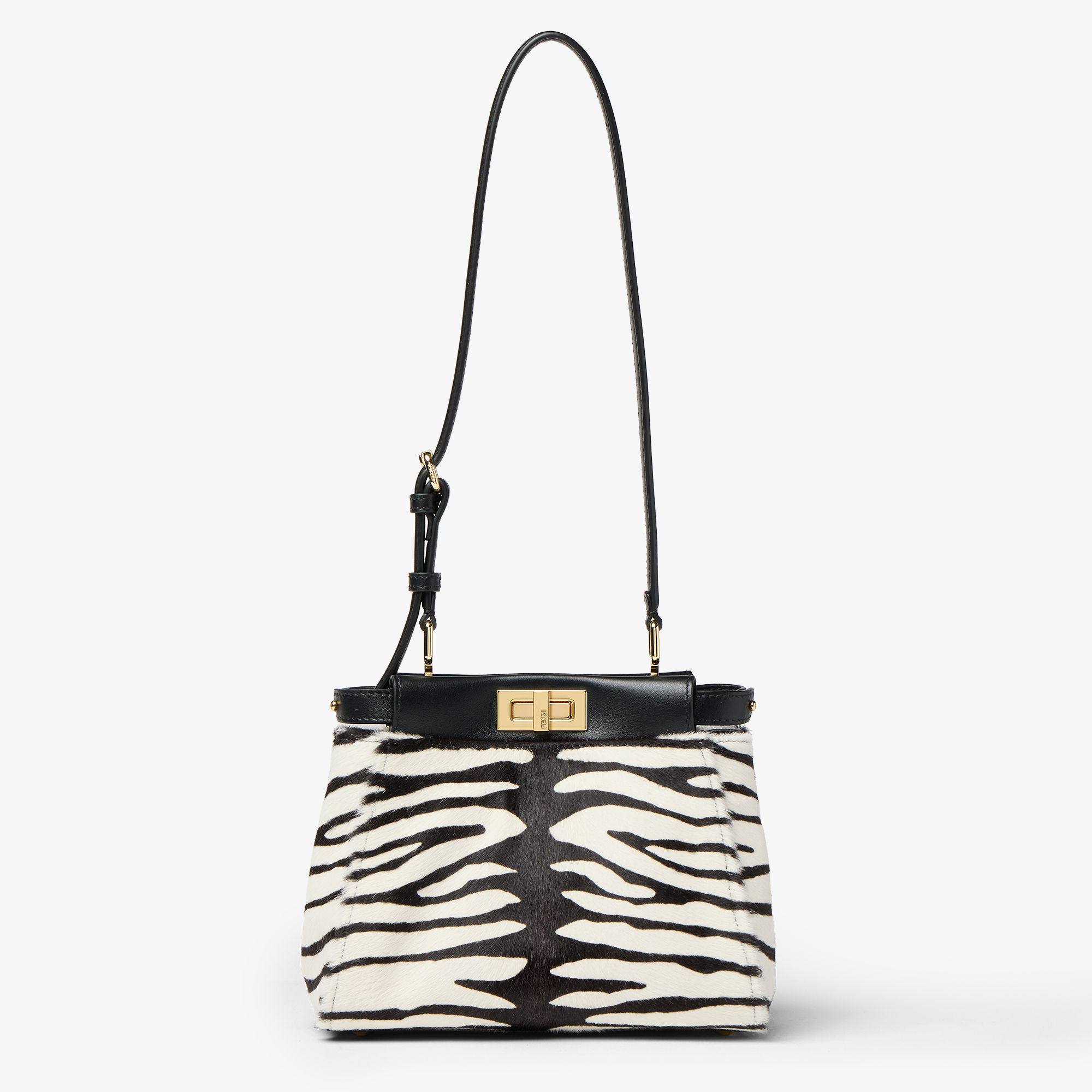
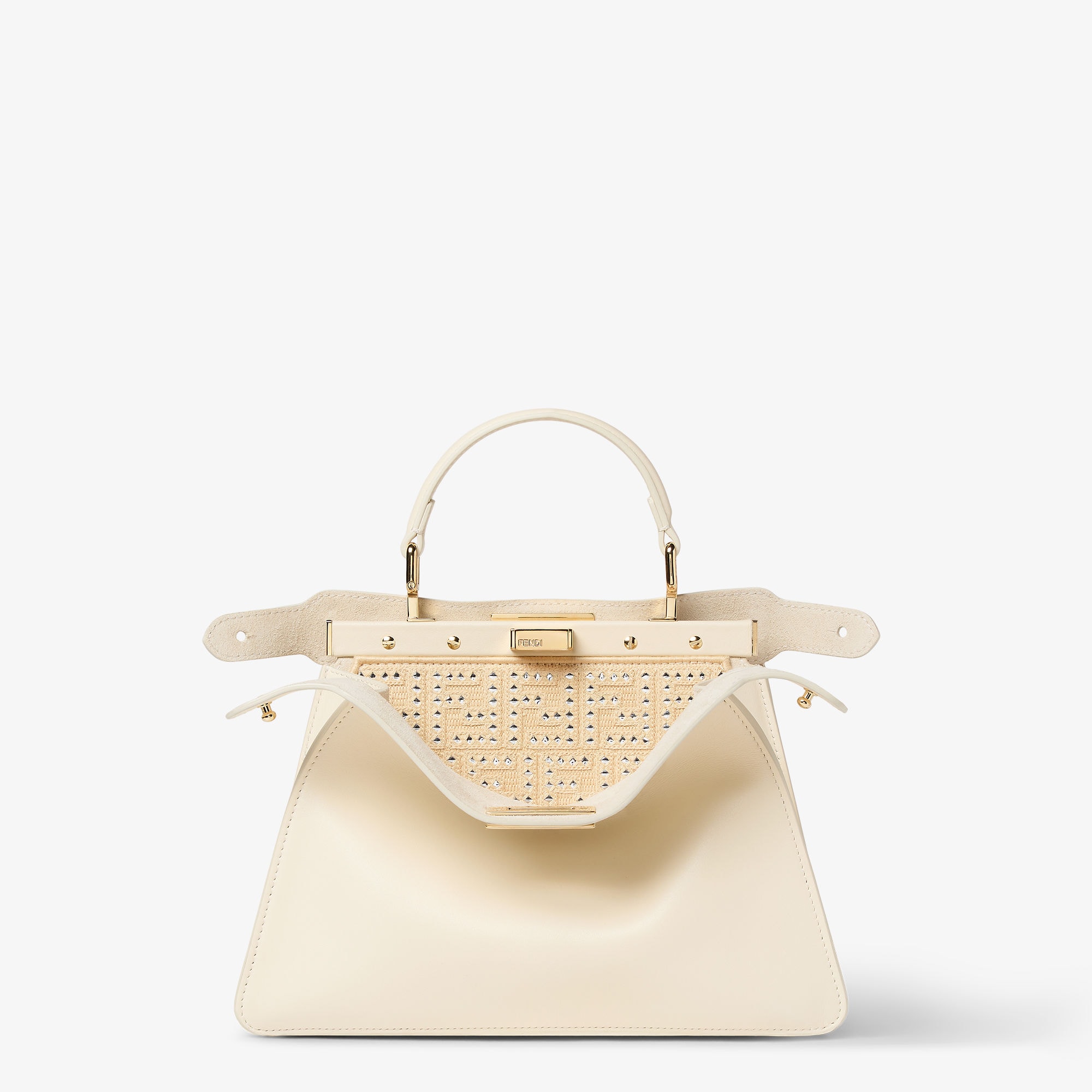
Three years in, a pattern has emerged. Jones treats Fendi as a house of craft first, spectacle second. He works closely with the atelier, particularly the fur workshop — though he uses the material sparingly now, aware of the shifting conversation around animal products. When he does use fur, it appears in small doses: a shearling collar, a mink trim at the cuff. The focus has shifted to leather, which Fendi has worked for nearly a century. He has introduced techniques borrowed from his menswear years — bonding, laser-cutting, hand-painting — and applied them to bags and outerwear.
His couture shows, held twice a year in Rome, lean into the house's history without replicating it. For spring 2023, he presented a series of dresses constructed from strips of leather woven like fabric, a technique that required sixty hours per garment. The effect was both architectural and supple, the leather moving like silk as the models walked. He cited no direct inspiration, but the technique echoed basket-weaving methods he had encountered in Africa decades earlier.
The collaboration strategy he honed at Vuitton has continued at Fendi, though the partners have shifted. He has worked with Marc Jacobs, with Donatella Versace, with the artist Sarah Burton. These are not celebrity cameos but material exchanges — shared fabrics, co-designed silhouettes, garments that bear both houses' codes without collapsing into pastiche.
What next
Jones will show his next Fendi collection in February, during Paris Haute Couture week. The location is not yet confirmed, though rumours suggest the Palais de Tokyo. He has been quieter than usual in the lead-up, offering no preview images or thematic hints. Those who work with him report that he has been spending more time in the archive, pulling pieces from the 1980s and early 1990s — the Venturini Fendi era before Lagerfeld's influence became total.
One suspects he is looking for a way to honour the house's breadth without being consumed by it. Fendi is not a monolith; it is a family business that became a global maison, and the seams still show. Jones seems interested in those seams, in the places where craft and commerce overlap without fully resolving.
Whether this approach will sustain another decade is unclear. The fashion system rewards clarity, and Jones's work at Fendi is deliberately ambiguous — neither a reinvention nor a restoration, but something in between. He is not building a monument. He is adjusting a sleeve, half a centimetre at a time, until the line is right.