## The Weavers Who Disappeared
The Weavers Who Disappeared
Michele Taddei and Renzo Zengiaro opened a leather workshop in Vicenza in 1966. They called it Bottega Veneta — the Venetian shop — though Vicenza is fifty kilometres inland and neither man was a Venetian. The name suggested provenance without claiming it outright, a sleight of hand that would become the house's defining move.
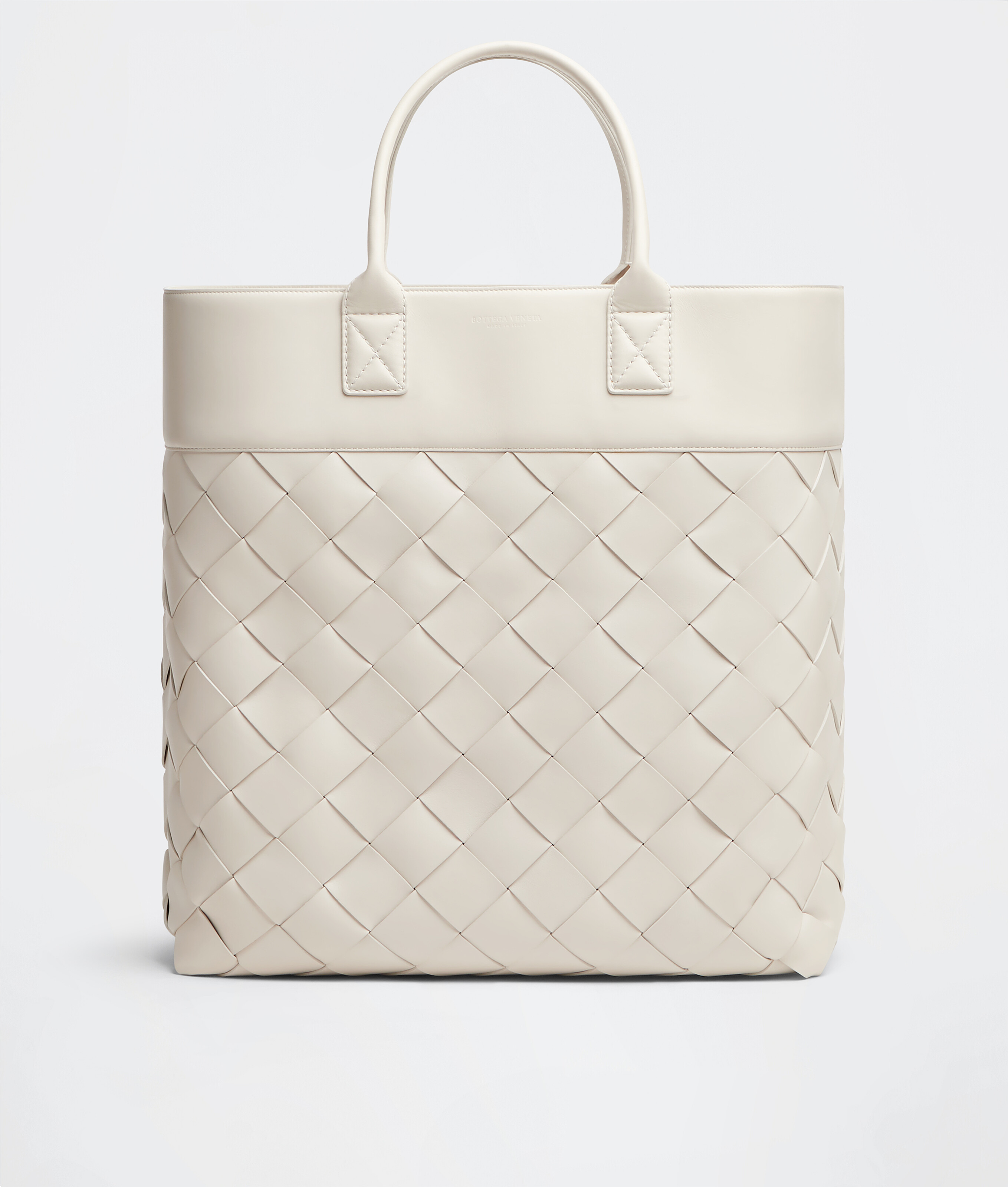
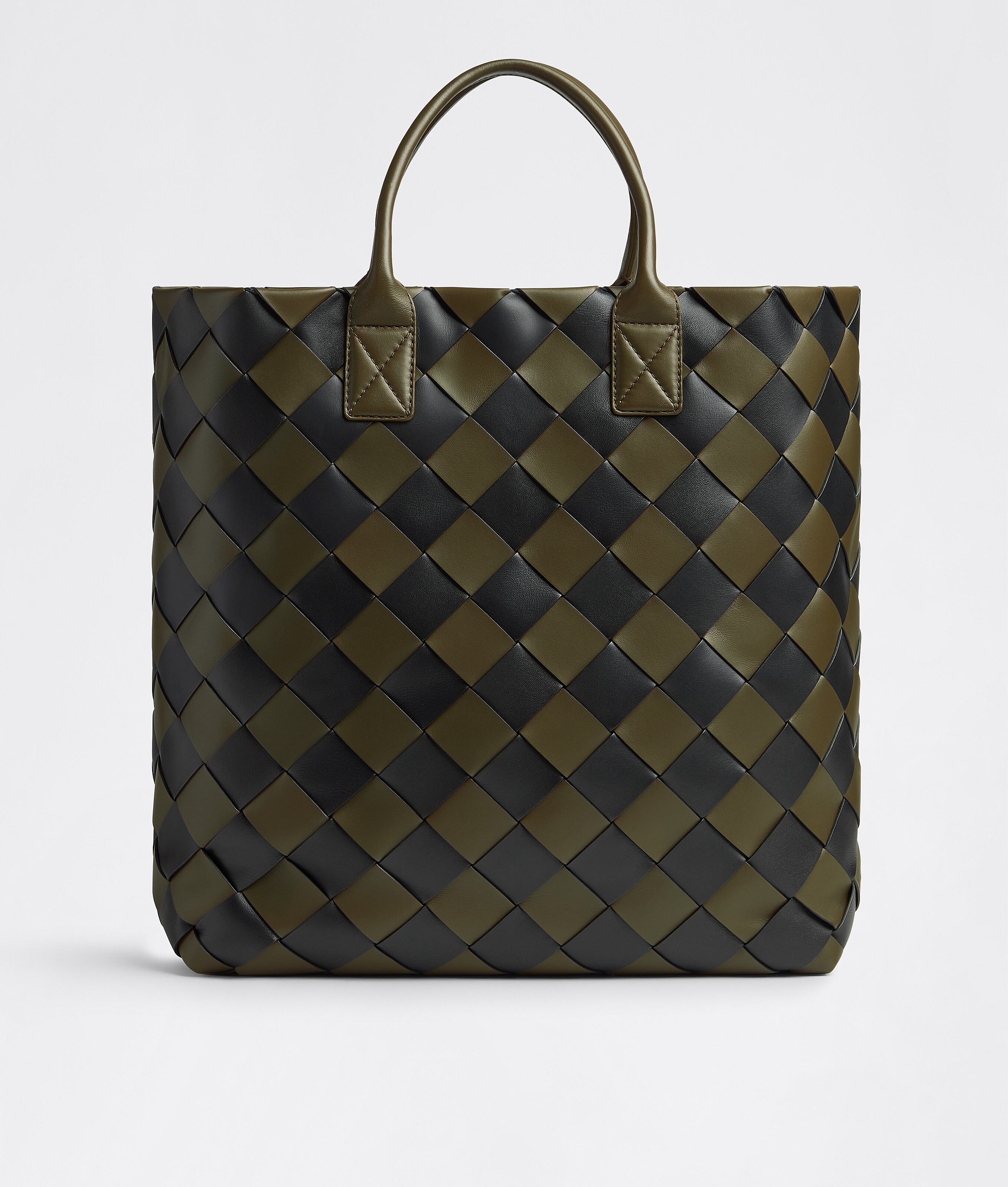
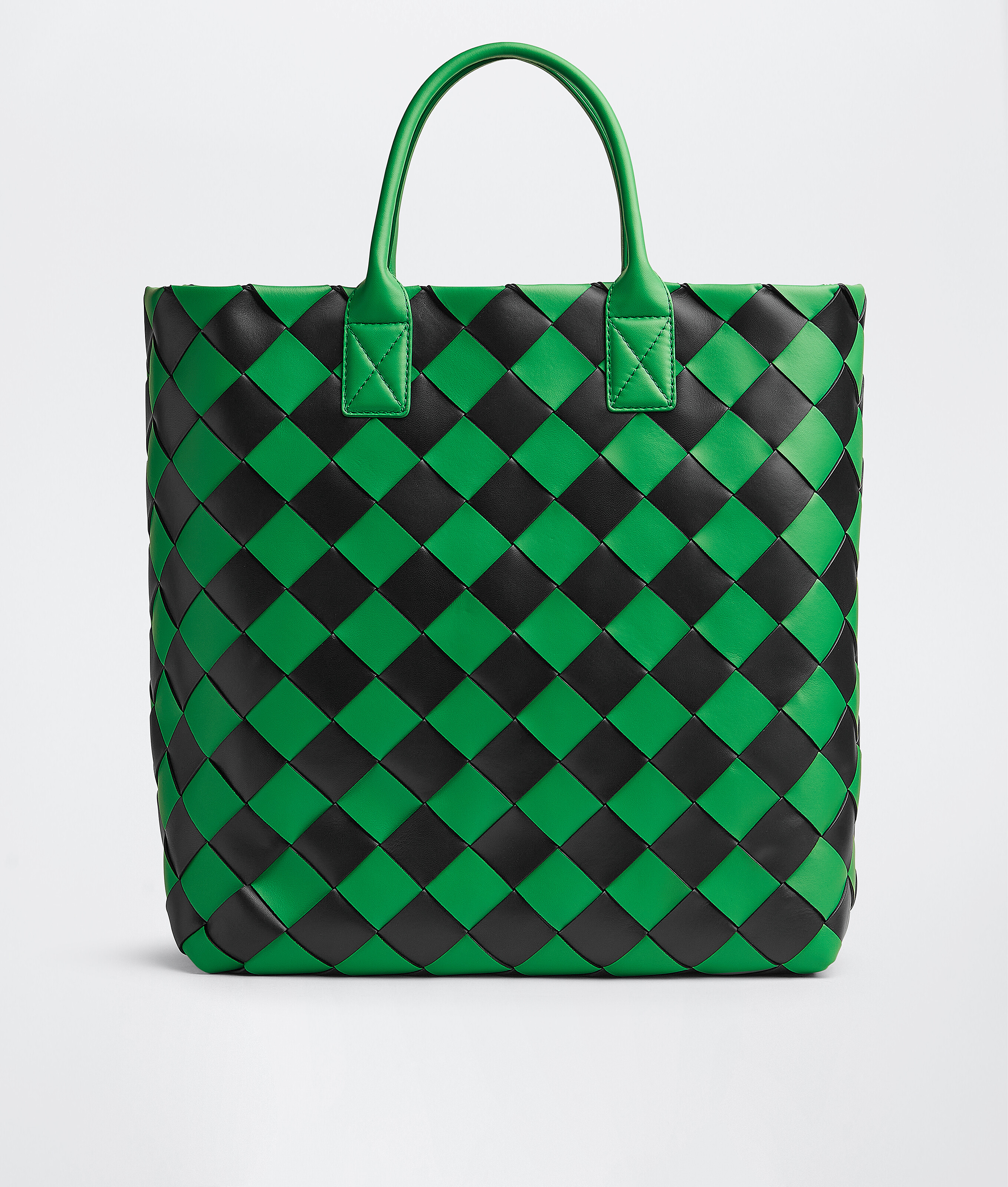
They hired artisans who already knew how to work leather. The region had tanneries, saddle-makers, glovers. Taddei and Zengiaro asked them to cut strips of calfskin and weave them into a grid. The technique — intrecciato — was not new. Basket-weavers had been doing it for centuries. But no one had thought to make a handbag that way, or at least no one had made it look expensive.
The weave did two things. It hid the seams, which meant the bag appeared to be made from a single piece of leather. And it made the surface soft, almost textile-like, which was unusual in an era when structured bags with metal hardware dominated the market. Bottega Veneta's first customers were Italian women who wanted something quieter than Gucci, less declarative than Hermès. The bags had no visible logo. The intrecciato was the logo.
By the mid-1970s, the workshop had grown into a company. Taddei and Zengiaro opened a showroom in Milan and began exporting to the United States. They hired more artisans and expanded the range — wallets, belts, small leather goods. The intrecciato remained central, but the house also produced smooth-leather styles, always without external branding. The tagline, coined later, was "When your own initials are enough." It was a pitch to a particular kind of customer: someone who did not need to signal wealth because wealth was assumed.
The founders sold the company in 1972, less than a decade after opening the workshop. The buyer was a consortium of investors who saw an opportunity to scale production. Taddei and Zengiaro stayed on briefly, then left. They are rarely mentioned in the house's official history. There are no interviews with them in the archive, no photographs of them at work. They disappeared into the anonymity they had designed for their products.
The Years in Between
Bottega Veneta spent the next thirty years under a succession of owners. The intrecciato remained, but the house struggled to define itself beyond the weave. In the 1980s, when logos were loud and status was worn on the sleeve, Bottega Veneta's discretion felt outdated. Sales declined. The company changed hands again, then again. By the late 1990s, it was producing luggage and home goods alongside the bags, a sign that no one was sure what the brand stood for.
Gucci Group acquired Bottega Veneta in 2001. Tom Ford, then creative director of Gucci, installed Tomas Maier as creative director. Maier was German, trained in Paris, and had spent years designing for Hermès and Sonia Rykiel. He understood luxury as a material proposition, not a marketing one. His first move was to strip away everything that was not the intrecciato. He discontinued the luggage line, the home goods, the licensed products. He focused on leather and a narrow palette: chocolate, camel, black, forest green.
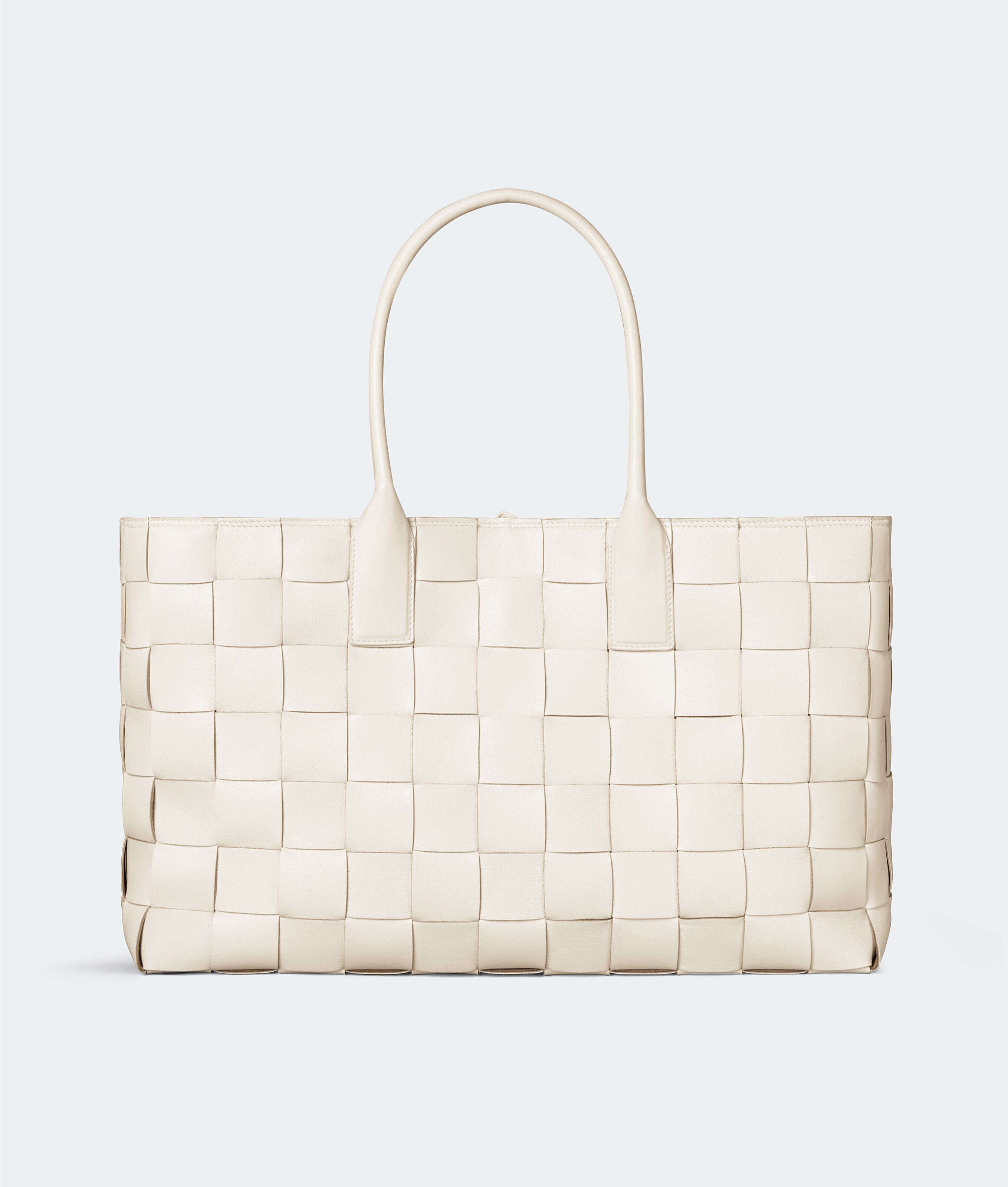
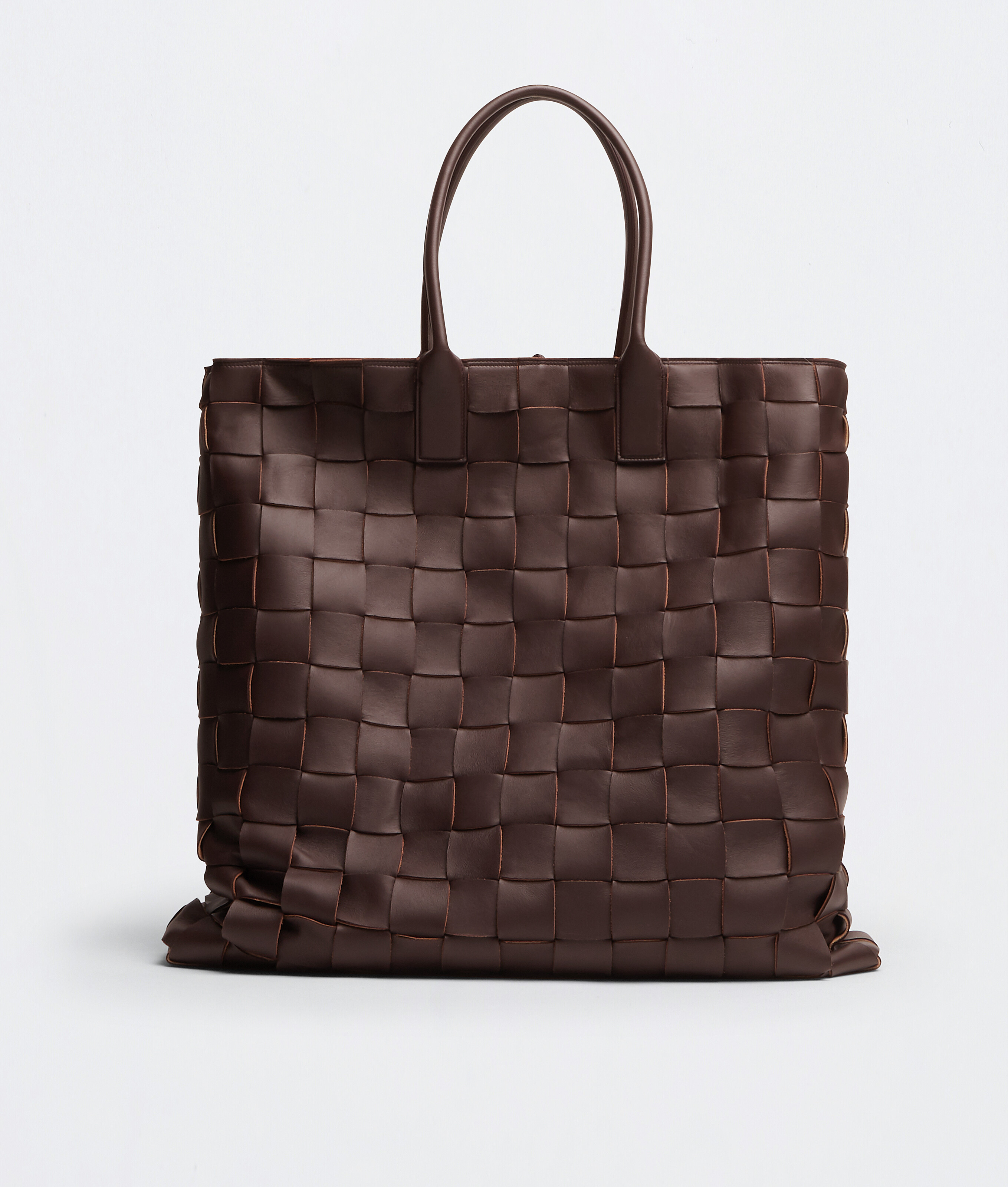
Maier's Bottega Veneta was not about novelty. The shapes were simple. The bags were soft, almost slouchy, which ran counter to the structured styles that dominated the early 2000s. The intrecciato was reworked in new weights and scales — oversized, miniaturised, applied to shoes and ready-to-wear. Maier introduced the Cabat, an unlined tote with no internal pockets and no closure, which retailed for several thousand dollars. It was, in a sense, the least practical bag on the market, and it became one of the house's bestsellers.
The Cabat exemplified Maier's approach. It was expensive because it required hours of hand-weaving, not because it carried a logo. It signalled taste, not aspiration. Maier stayed for seventeen years, longer than most creative directors last anywhere. By the time he left in 2018, Bottega Veneta had become the house for people who did not want to look like they were trying.
The Reinvention
Daniel Lee arrived in 2018. He was thirty-two, British, and had spent most of his career at Celine under Phoebe Philo. Kering — Gucci Group's successor — gave him six months to prepare his first collection. He used the time to study the archive and to learn how the intrecciato was made. His debut, shown in Milan in February 2019, was not a repudiation of Maier's work, but it was a sharp turn.
Lee kept the intrecciato but made it harder, shinier, more sculptural. He introduced the Pouch, a clutch with an exaggerated gather at the top, which became the house's most recognisable shape since the Cabat. He designed square-toed boots and sandals with padded straps, which looked clumsy in photographs and elegant in person. The clothes were sharp-shouldered, high-waisted, often in leather. The palette expanded to include acid green, electric blue, and a particular shade of brown that became known, unofficially, as "Lee brown."
Lee's Bottega Veneta was louder than Maier's, but it was not loud in the way that other houses were loud. There were still no logos. The intrecciato remained the signature, but it was now a design element, not a discreet finish. The bags were recognisable from across a room, which was new. The house began to attract a younger customer, one who had not grown up with Maier's version of the brand.
Lee left in 2021, after three years. Kering did not explain why. Matthieu Blazy, who had worked under Lee, was promoted to creative director. Blazy's first collection, shown in February 2022, was quieter than Lee's but not a return to Maier. The intrecciato was still present, but Blazy introduced new techniques — leather that looked like denim, bags that appeared to be folded from a single piece of hide. The clothes were softer, more fluid, often in jersey or lightweight wool. The palette returned to neutrals, but the shapes remained bold.
Blazy has described his work as a continuation of the house's craft tradition, not a break from it. He has spoken about the artisans in Vicenza, about the time it takes to develop a new weave, about the importance of materials. His references are often architectural — folds, drapes, cantilevers — which gives the work a structural logic that feels closer to Maier than to Lee.
What Remains
Bottega Veneta still makes bags in Vicenza. The atelier employs around 1,500 artisans, many of whom learned the intrecciato from artisans who learned it in the 1970s. The technique has not changed. The leather is still cut into strips, still woven by hand, still finished without visible stitching. The process takes hours, sometimes days, depending on the size and complexity of the piece.
The house that Taddei and Zengiaro founded no longer resembles the workshop they opened in 1966. It is now part of a conglomerate, designed by a succession of creative directors, marketed to a global audience. But the intrecciato remains, and with it the idea that luxury can be quiet, that craft can be a signature, that a bag does not need a logo to announce itself.
Whether that idea survives the next chapter is an open question. Blazy's Bottega Veneta is selling well, but fashion is not patient. The house has been reinvented twice in the past six years. It could be reinvented again. The founders understood that anonymity was a luxury. The question now is whether the house they built can remain anonymous in a market that rewards noise.