## The white coat and the blank label
The white coat and the blank label
In 1988, Martin Margiela showed his first collection in a children's playground in the 20th arrondissement. The models walked on tarpaulins spread across gravel. Guests sat on benches meant for toddlers. The invitation listed no designer name, no brand, only a date and an address in marker pen. It was, in every sense, the opposite of a Paris runway debut.
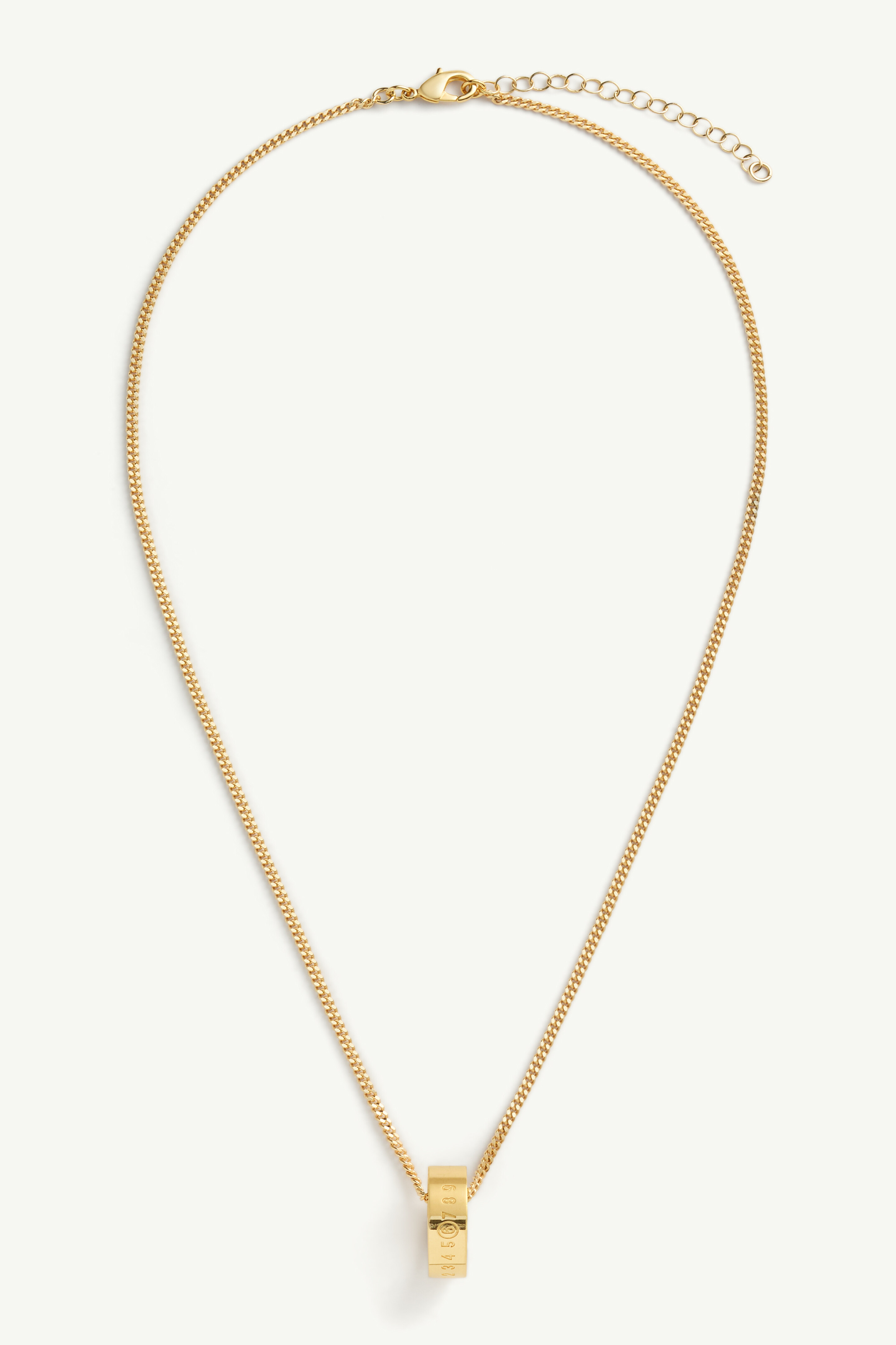
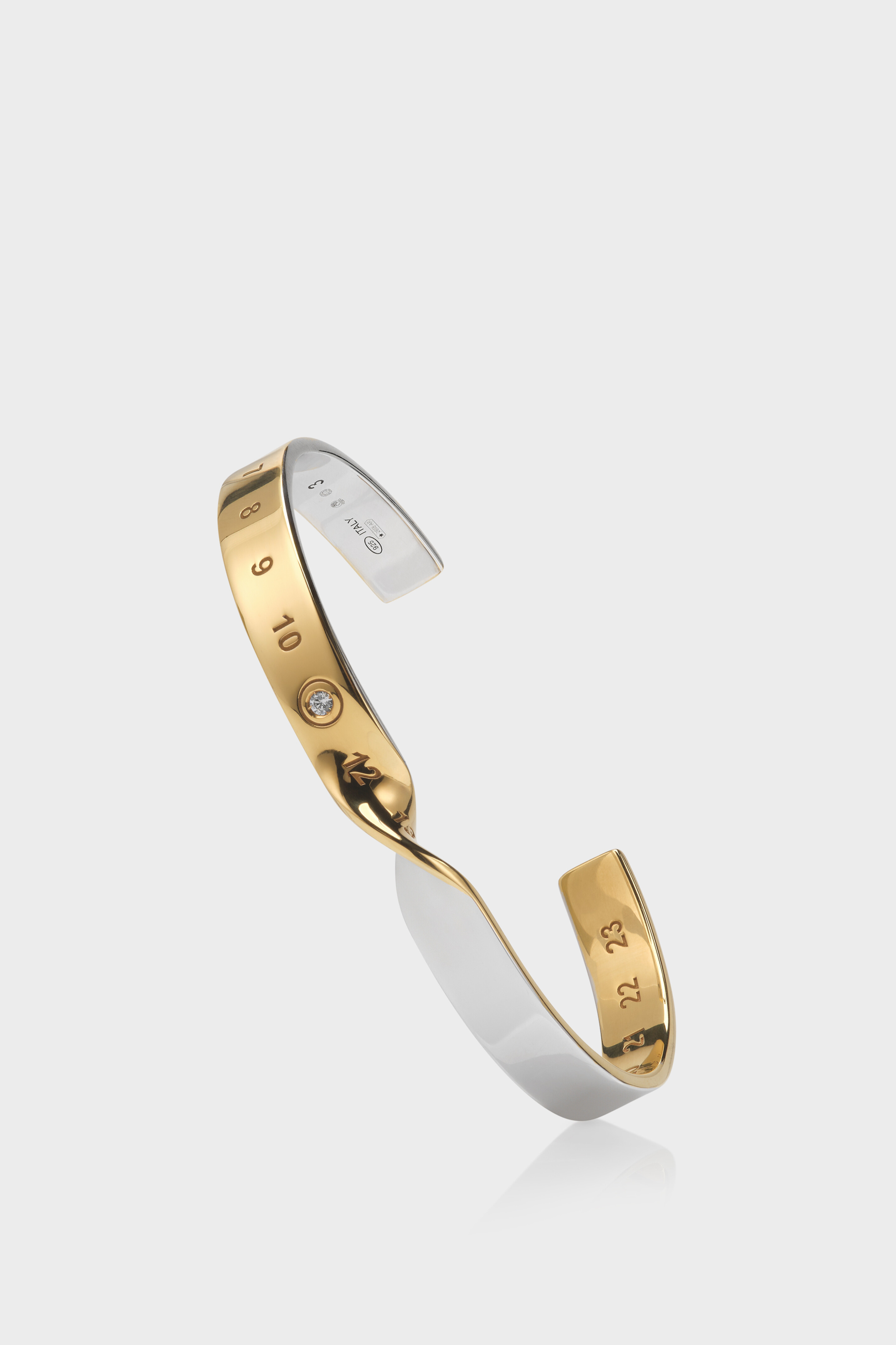
Margiela had spent six years at Gaultier's atelier, cutting patterns and managing fittings. He understood construction. He also understood that fashion's machinery — the logo, the face, the cult of personality — had become more visible than the clothes themselves. So he removed it. No interviews. No backstage photographs. No designer bow. The garments carried blank labels, stitched in white thread on white cotton, numbered zero through twenty-three to denote the line. If you wanted to know who made them, you had to ask someone who already knew.
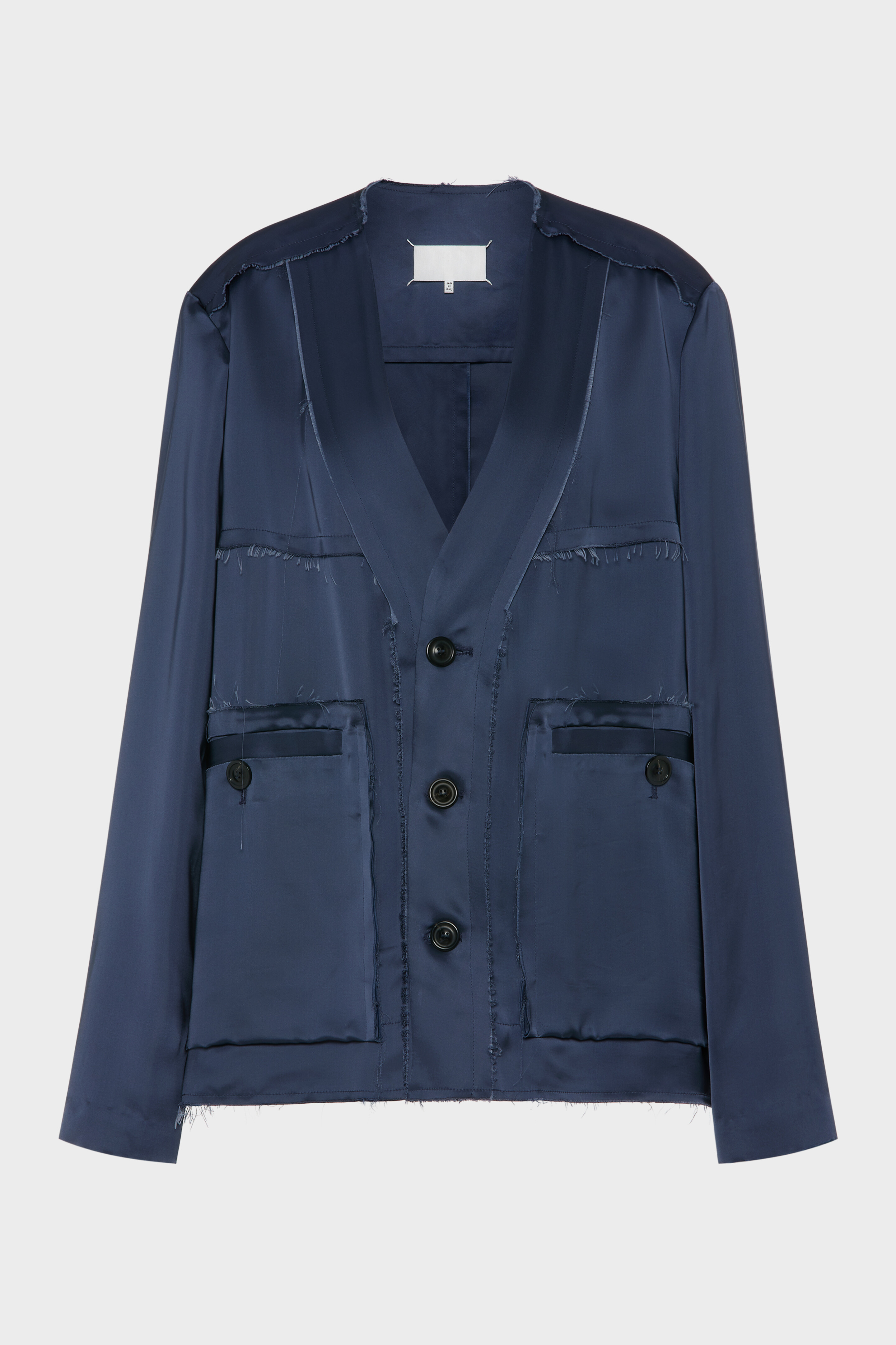
The first pieces were forensic. Margiela deconstructed a trench and rebuilt it inside-out, seams exposed, lining on display. He took the tailor's canvas — the stiff interlining usually hidden between shell and lining — and used it as the outer fabric. Shoulder pads became decorative elements. A waistcoat was worn backwards, its satin back panel now the front. These were not conceptual exercises. They were wearable, and they sold, but they asked the wearer to acknowledge the labour that fashion typically hides.
Jenny Meirens, his business partner, handled production and distribution while Margiela stayed in the studio. She had worked in PR and understood that silence, deployed correctly, generates more attention than noise. The press called the approach radical. It was also practical. Without a face to photograph or a quote to print, journalists had to describe the clothes.
The Tabi boot and the theory of absence
By 1989, Margiela had a signature: the Tabi boot, adapted from the split-toe sock worn by Japanese labourers. The shape was ungainly, almost agricultural, but it changed the line of the leg. It also became the house's most recognisable object, which was ironic for a designer who refused recognition.
The collections that followed were built on similar principles. Garments made from second-hand military socks, stitched together in patchwork. Dresses assembled from broken plates and glued fragments. A duvet coat, literally a duvet with sleeves. Margiela treated fashion as a material problem. How do you make a sleeve lie flat when the shoulder seam is deliberately two inches too far back? What happens when you scale a child's sweater to adult proportions without adjusting the armhole? The answers were often strange, sometimes beautiful, and always specific.
He also worked with absence. A leather jacket was moulded on a dress form, then removed, leaving the ghost of a body in stiffened hide. A dress was sprayed with paint, then the paint was scraped off in places, revealing the original fabric beneath. These were not metaphors. They were records of process, evidence that something had been made by hand, in a particular room, at a particular moment.
The house expanded quietly. Hermès hired Margiela in 1997 to design its ready-to-wear line, a tenure that lasted until 2003. The work was elegant, restrained, and entirely unlike his own collections. He proved he could cut a blazer that sat correctly on the shoulder, that he understood the mechanics of a well-fitted coat. But he kept the two practices separate. Hermès clients were not expected to wear inside-out seams.
The sale and the silence
In 2002, Margiela sold the house to Diesel's parent company, Renzo Rosso's OTB Group. The designer stayed on, still anonymous, still absent from fittings attended by press. By 2009, he had left entirely. No announcement, no farewell collection, no explanation. The house continued under a design team that maintained the codes — the Tabi, the blank label, the deconstructed tailoring — but without the original hand.
What remains is a question the house has spent fifteen years answering. John Galliano arrived in 2014, appointed by Rosso to revive a brand that had become, in the designer's absence, a set of references rather than a living practice. Galliano brought his own vocabulary: the bias cut, the theatricality, the appetite for narrative. He also brought his own ghosts. Dismissed from Dior in 2011 after a public collapse, he needed a second act. Margiela, a house built on anonymity, offered exactly that.
The collaboration is uneasy by design. Galliano's Margiela is louder, more ornamental, more concerned with spectacle than the original ever was. The Artisanal line — haute couture in all but name — features hand-painted coats, garments assembled from vintage kimonos, shoes constructed from reclaimed leather. It is technically astonishing. It is also, unmistakably, Galliano's vision filtered through Margiela's codes rather than the other way around.
The house still uses the blank label. It still numbers the lines. It still refuses to name a creative director in official communications, referring instead to 'the creative team'. But the silence now feels like branding rather than principle. Margiela's anonymity was a refusal of fashion's cult of personality. Galliano's anonymity — maintained by press release, not by choice — is a different gesture entirely.
What the white thread means now
The question is not whether Galliano's work is good. It is often extraordinary, particularly in the Artisanal line, where his skill with drape and volume finds a home in Margiela's deconstructed vocabulary. The question is whether a house built on the refusal of authorship can survive the presence of an author.
Margiela's original collections were investigations. They asked: what is a garment when you remove the logo, the face, the story? What remains when you strip fashion down to cloth and construction? Galliano's collections are performances. They ask: how far can you push a silhouette, a technique, a narrative before it collapses?
Both approaches are valid. They are also incompatible.
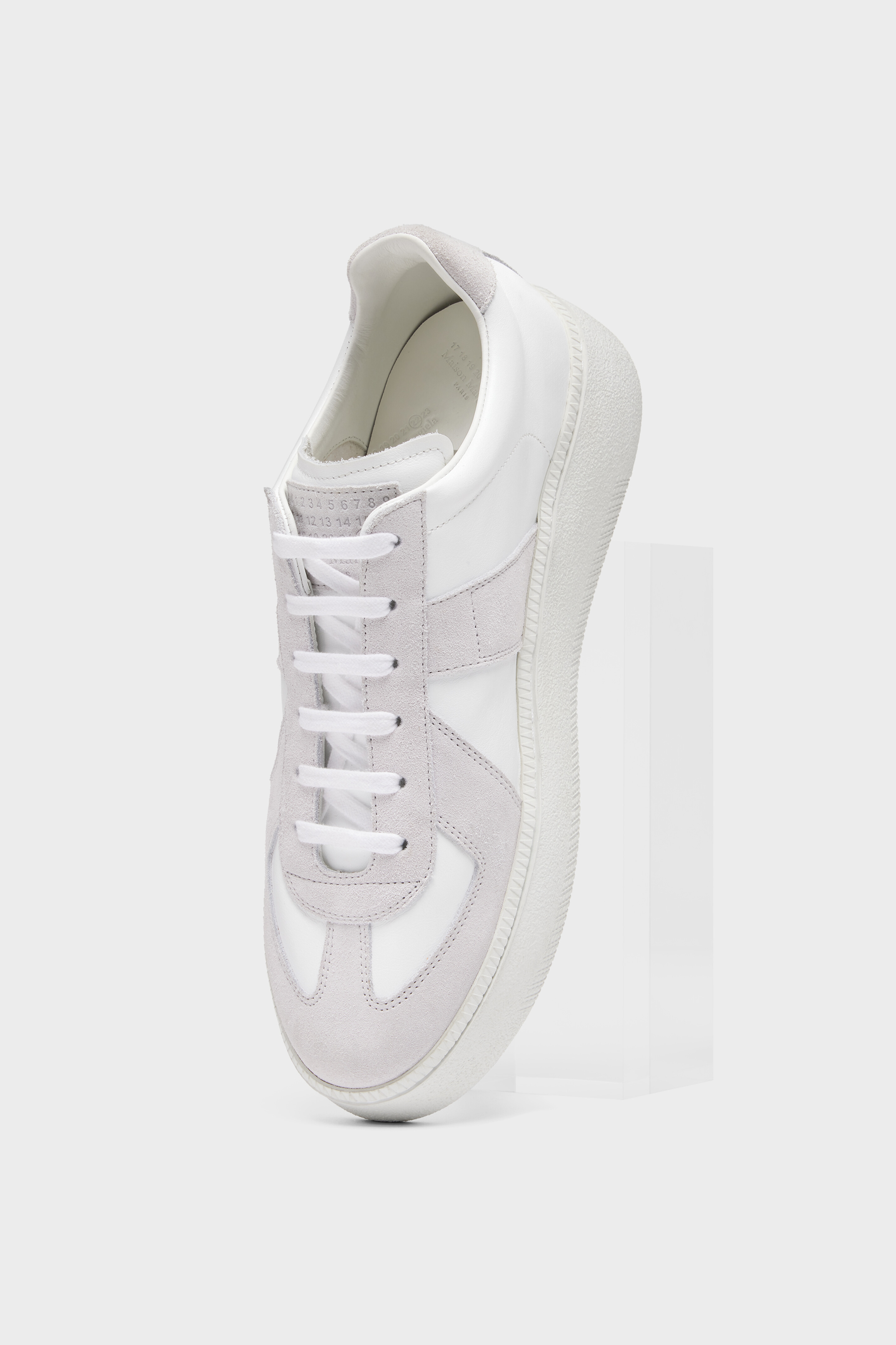
The house still produces the Replica line, garments copied from vintage military and workwear pieces, each tagged with a photograph of the original and a date of origin. It still makes the Tabi boot in a dozen iterations. It still shows collections in unconventional spaces — a metro station, a carpark, a former stock exchange. But these are gestures that reference a philosophy rather than enact it. The original Margiela collections felt like arguments. The current ones feel like tributes.
What remains of the house Margiela built is a set of codes that can be deployed, remixed, reinterpreted. The white label. The numbered lines. The Tabi. The deconstructed seam. These are now tools in a vocabulary, available to any designer skilled enough to use them. Galliano uses them brilliantly. But the thing that made the house radical — the refusal to let a personality stand between the garment and the wearer — is gone. It left when Margiela did, and it has not returned.