## The White Coat
The White Coat
Martin Margiela wore a white lab coat to fittings. Not because he thought fashion was science — though he did approach cloth with the precision of someone trained in Antwerp under Linda Loppa — but because the coat had pockets and because it was neutral. The man who built an entire house on anonymity understood that what you wear to work says less than what you make there.
He opened Maison Margiela in 1988 with Jenny Meirens, a former public relations director who became his business partner. Meirens handled everything Margiela would not: press, money, the mechanics of running a company that refused to play by the industry's social rules. Margiela handled the rest. He had worked under Jean Paul Gaultier for five years, long enough to learn construction and long enough to know he wanted something else. What he wanted, it turned out, was deconstruction.
The first collection showed in a children's playground in the 20th arrondissement. Margiela sent out invitations on photocopied flyers. The models wore flats. Some garments had exposed seams; others looked like they had been taken apart and reassembled incorrectly on purpose. A coat might have sleeves that started at the elbow. A dress might be a vintage slip worn over trousers. The point was not to shock — though it did — but to ask what a garment could be if you stopped assuming it had to look finished.
By 1989, Margiela was showing during Paris Fashion Week. The venue was often a squat or a metro platform or a patch of wasteland in the suburbs. He did not bow at the end of his shows. He did not give interviews. When Women's Wear Daily asked for a photograph, the studio sent a picture of the team's hands. When editors requested background, they received faxes signed by the collective. Margiela treated anonymity not as a gimmick but as a structural principle. If the designer's face did not matter, the work had to speak.
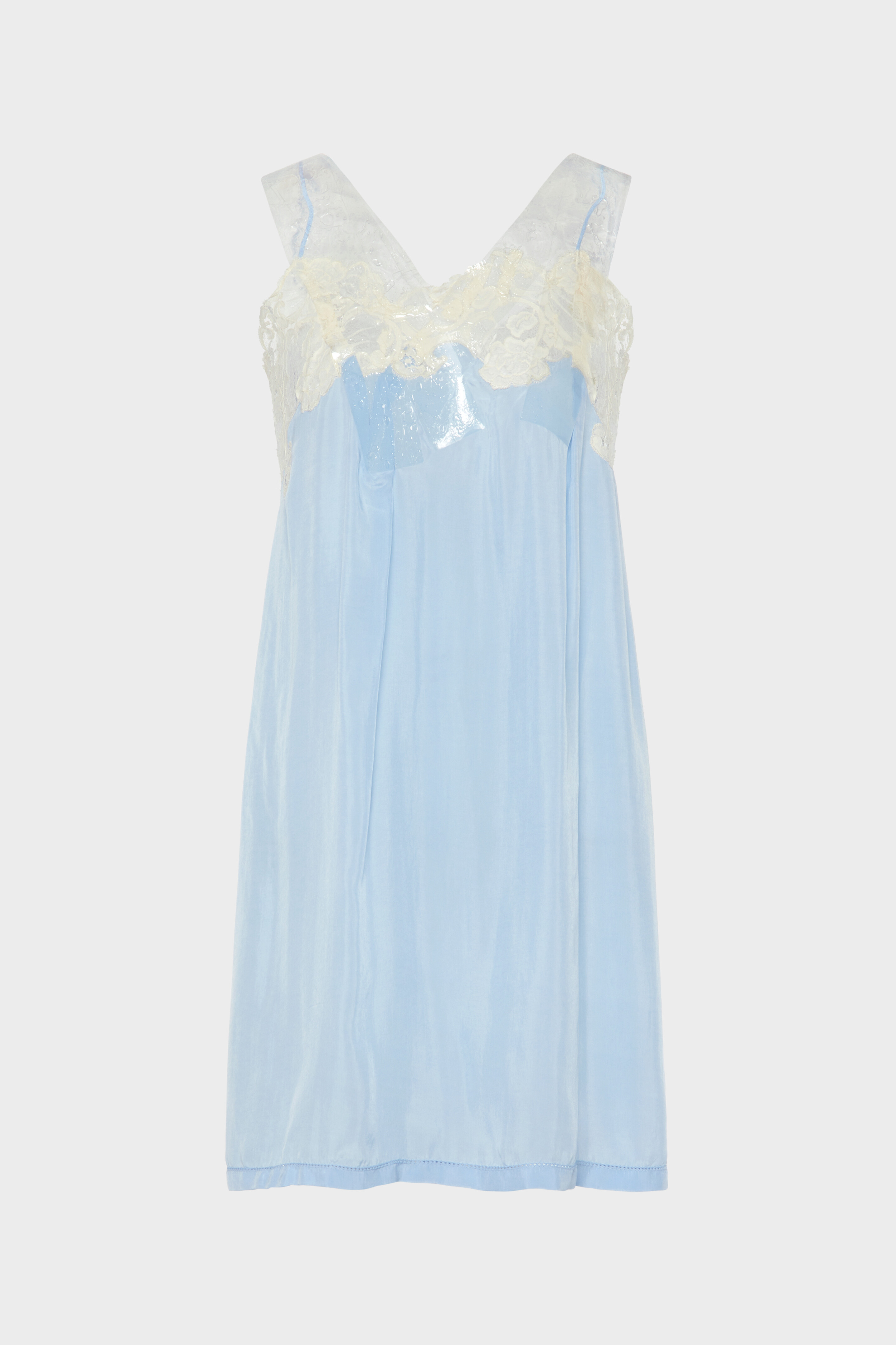
And it did. The house introduced the Tabi boot in 1989, a split-toe design lifted from traditional Japanese footwear and rendered in black leather with a stacked heel. It became the house signature, reissued every season in new materials and heights. Margiela also pioneered the idea of garments-as-archive: he would take vintage military coats or old knitwear, cut them apart, and reconstruct them into something that carried the original's history but looked nothing like it. A 1950s ballgown might become a sleeveless top. An army jacket might turn into a waistcoat with the pockets still intact.
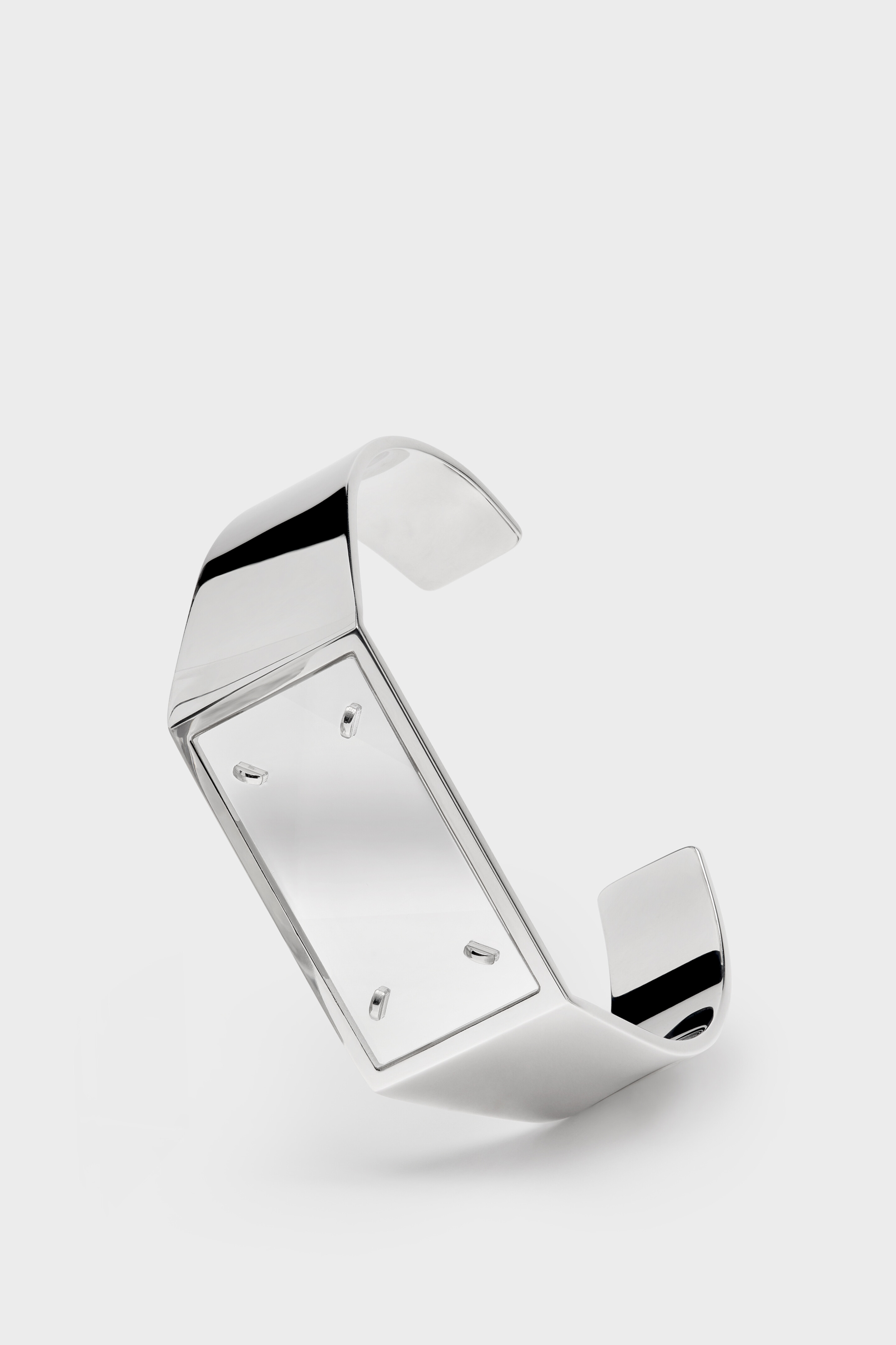
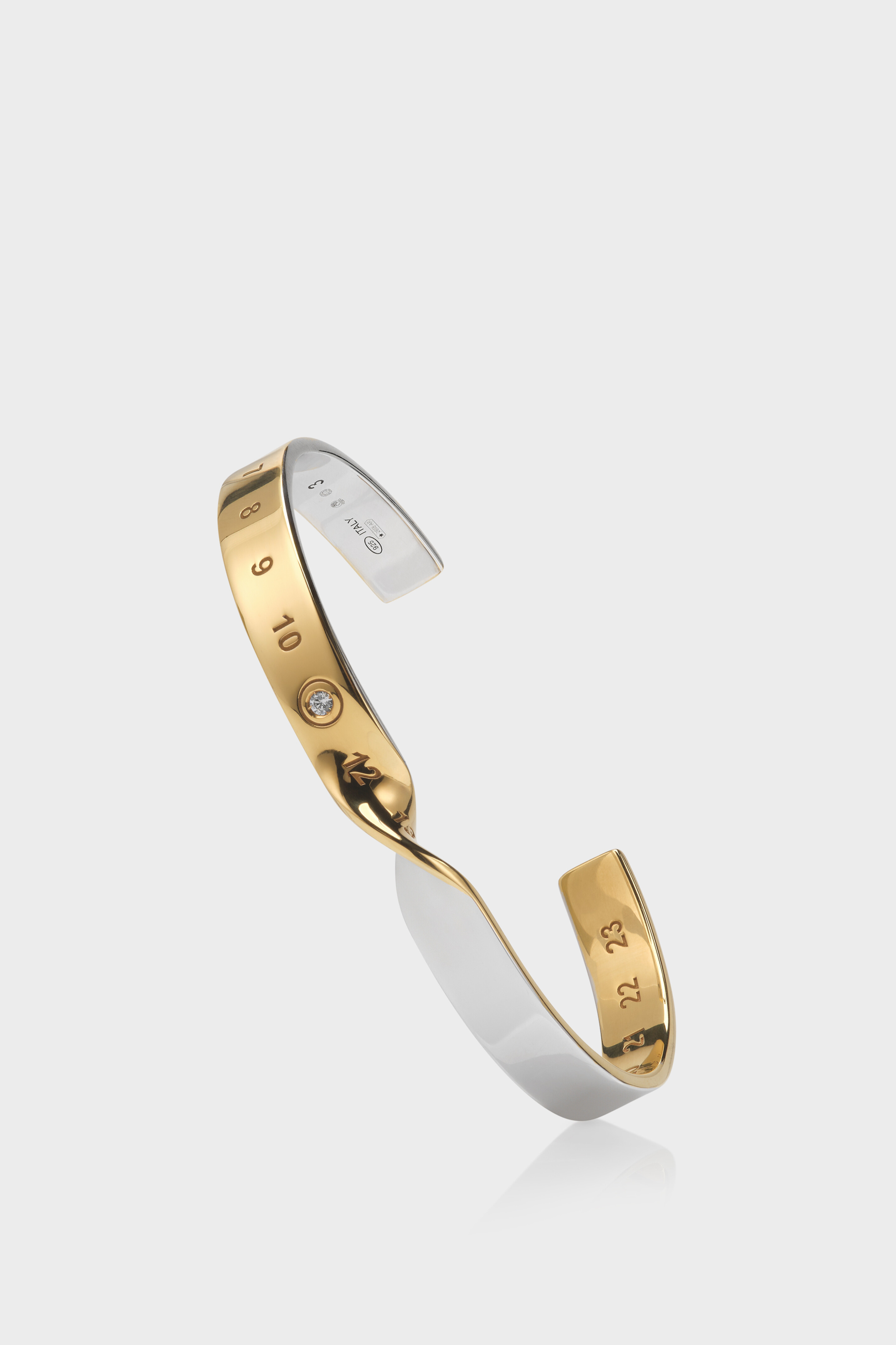
The house worked in numbered lines rather than traditional categories. Line 1 was womenswear. Line 10 was menswear. Line 0 was artisanal, often one-of-a-kind pieces shown on mannequins rather than models. Line 6 was basics. Line 11 was jewellery and accessories. The system was opaque to outsiders, which was part of the point. Margiela was not interested in making fashion easier to understand. He was interested in making it honest.
In 1997, Margiela accepted an offer to design womenswear at Hermès. It was an odd pairing on paper — a house built on anonymity taking the helm at a house built on legacy — but it worked. Margiela stayed for six years, designing collections that were quieter than his own but still carried his logic. He cut coats in double-face cashmere that required no lining. He used saddle stitching on jackets. He treated leather like cloth. The Hermès years proved that his approach was not about rebellion for its own sake. It was about structure.
He left Hermès in 2003 and continued at Maison Margiela until 2009, when he stepped away without announcement. The house did not confirm his departure for months. When it did, the statement was brief. Margiela himself said nothing. He has not given an interview since. He has not attended a fashion event. He has not commented on what the house has become.
Because the house did not stop. Diesel's parent company, Staff International, had acquired a stake in Maison Margiela in 2002. After Margiela's departure, the design team continued under the same anonymous structure. Collections were credited to the maison, not to individuals. The aesthetic softened slightly — more wearable, more commercial — but the codes remained. Tabi boots. Exposed seams. Oversized silhouettes. Garments that looked like they had been pulled apart and put back together.
In 2014, John Galliano was named creative director. It was a provocative choice. Galliano had been exiled from the industry three years earlier after a public incident that ended his tenure at Dior. Margiela had built a house on anonymity; Galliano had built a career on spectacle. But Renzo Rosso, who had bought the house outright in 2012, saw something that worked. Galliano understood craft. He understood theatre. He understood that fashion could be both.
Galliano's first collection for Maison Margiela appeared in January 2015. It was quieter than his Dior work but not quiet. He kept the Tabi boots, the deconstructed tailoring, the numbered lines. He added volume and a kind of romantic decay — garments that looked like they had been stored in an attic and then worn to a ball. The press called it a redemption arc. Galliano called it a return to the atelier.
Ten years later, Galliano is still there. He has made the house commercially successful without abandoning its codes. The Tabi boot is now a bestseller. The Glam Slam bag — a quilted, padded design that looks like it has been vacuum-packed — has become a signature. Galliano shows during haute couture week as well as ready-to-wear, treating the artisanal line as a space for experiment. He gives interviews. He takes bows. He does everything Margiela refused to do.
What remains of the original house is harder to measure. The aesthetic is intact: the deconstruction, the anonymity of the garments themselves, the refusal to make fashion easy. But the philosophy has shifted. Margiela built a house that argued the designer did not matter. Galliano has built a career that argues the opposite. Both approaches work. Both sell. But they are not the same thing.
Margiela himself has not weighed in. He lives in Paris, reportedly, and paints. He has never commented on Galliano's tenure. He has never commented on what happened to the house after he left. The white coat is gone. The work continues.