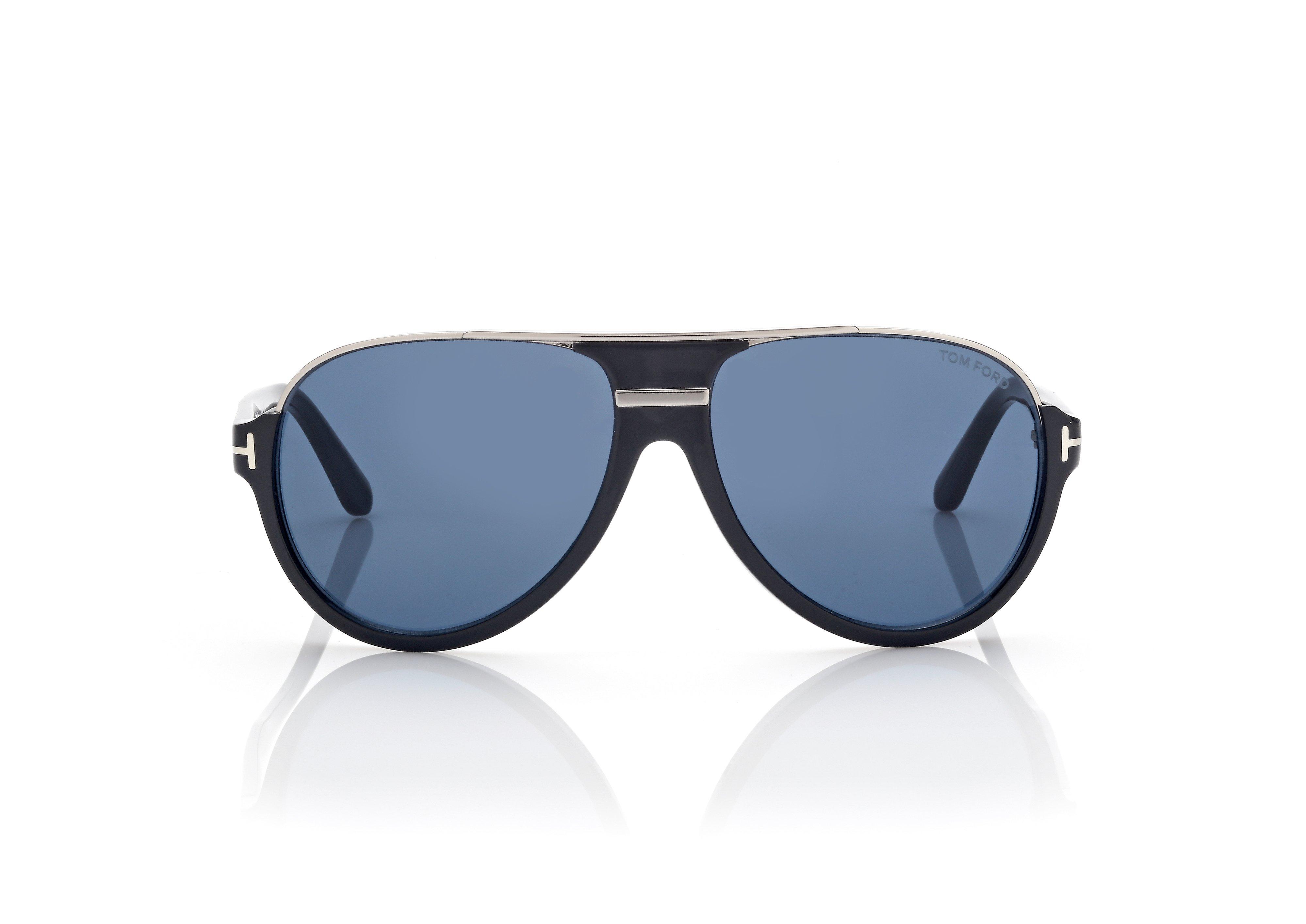
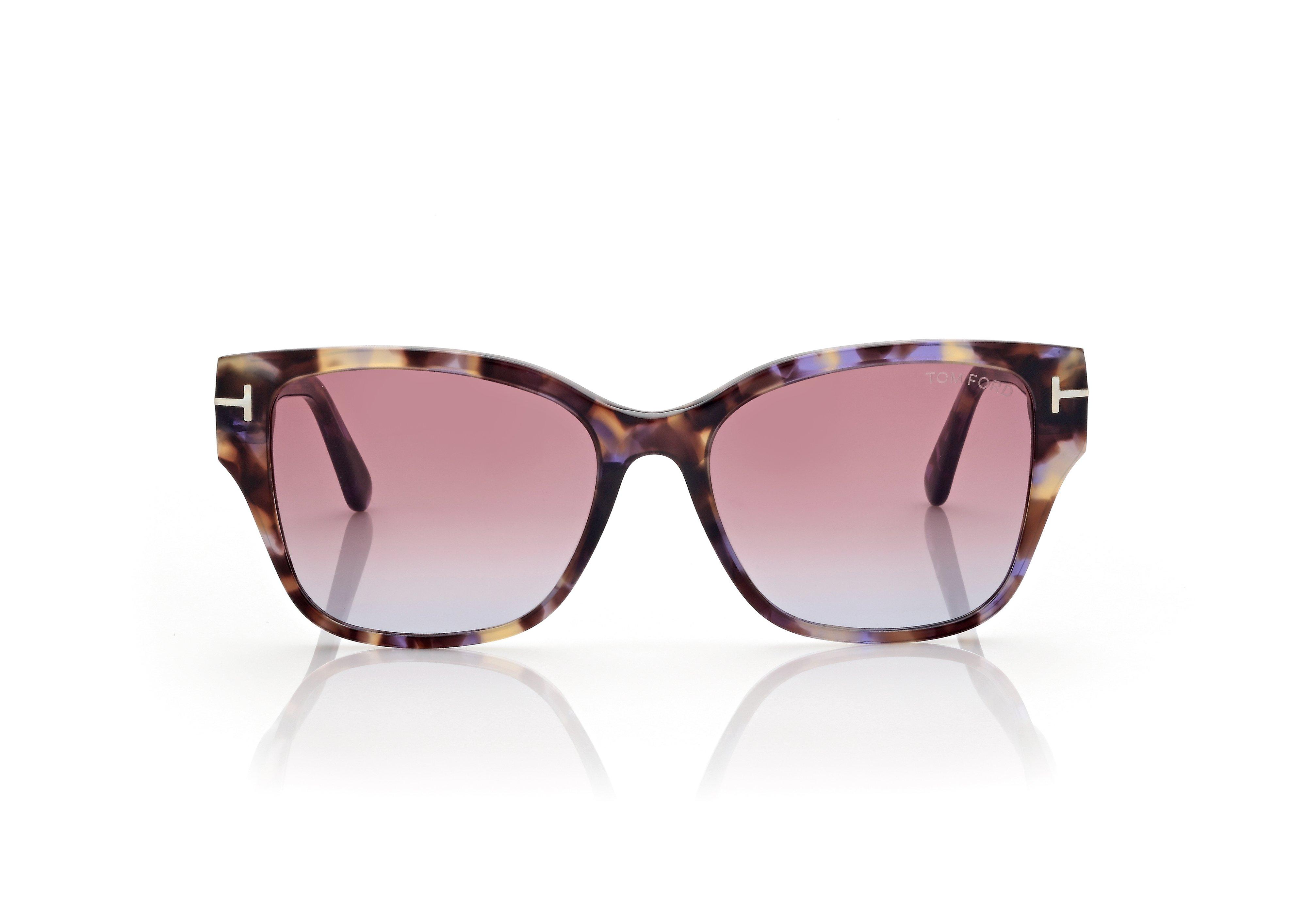
Tom Ford : les artisans qui font le travail
The leather jacket in question—midnight suede, hand-cut on the bias, lined in silk charmeuse the colour of old cognac—was photographed on Mariacarla Boscono for the Spring 2012 campaign. One recalls the image: her shoulder angled just so, the jacket open, the light catching every seam. What the photograph did not show, and what Ford himself has never lingered on in interviews, is the atelier team that spent four weeks perfecting the way that collar sat against the neck. Or the pattern-cutter in Scandicci who reworked the armscye seven times until the sleeve moved like water.
This is not an oversight. Ford has always understood the value of authorship—his own. The name on the label is singular. The hands that make the thing are plural, and they remain, by design, in the wings.
The Gucci years, and who stitched them
When Ford arrived at Gucci in 1990, the house was listing. Leather goods sold, barely. Ready-to-wear was an afterthought. He was hired as chief women's designer, a title that sounds grander than the reality: a small team, a shrinking budget, a Florentine factory more accustomed to luggage than lapels. What he did have was access to the pellettieri—the leather artisans who had spent decades making handbags by hand, using techniques unchanged since the 1950s.
Ford's first significant piece, the liquid-jersey evening dress that appeared in his debut Gucci collection in 1995, was not sewn in Florence. It was made in a small atelier outside Milan, overseen by a pattern-maker named Carla Benvenuti, whose name appears in no press release and no monograph. Benvenuti had trained at the Istituto Marangoni in the 1970s, then spent twenty years cutting for Krizia. She understood how to make jersey cling without clinging, how to let fabric move against the body rather than grip it. Ford sketched. Benvenuti cut. The dress became a signature, and Ford became a name.
By the time he took over as creative director in 1994, the atelier had expanded. There were now cutters in Florence, seamstresses in Prato, embroiderers in Como. The famous ad campaigns—Testino, Richardson, later Meisel—showed the finished garment, the polished surface. They did not show the modellista who spent three days draping a single sleeve, or the finisher who hand-stitched the lining into a velvet blazer so that no machine stitch would show.
Ford has said, in various interviews over the years, that he learned tailoring by watching. He did not train in a workroom. He did not apprentice. He learned by standing next to people who knew, and then directing them with increasing precision. This is a form of knowledge, but it is not the same as craft.
The jacket, in detail
Return to the 2012 suede jacket. The leather itself came from Conceria Tempesti, a tannery in Tuscany that has been vegetable-tanning hides since 1946. Suede of that weight and hand—neither too napped nor too flat—requires a specific process: the hide is split, then buffed, then treated with oils that take three weeks to fully absorb. Tempesti does not sell to many houses. Tom Ford is one of them.
The cutting was done by a tagliatore named Massimo Landi, who has worked for the brand since its launch in 2005. Landi trained at the Polimoda in Florence, then spent a decade at Brioni before Ford hired him. His skill is in reading the leather—knowing where it will stretch, where it will hold, where a seam will sit flat and where it will pucker. The jacket required fourteen pattern pieces. Landi cut each one by hand, working from a toile that had been fitted and refitted on a model whose measurements matched Boscono's.
The sewing was done by a team of five, working in the Tom Ford atelier in Scandicci. The lead seamstress, whose name is not publicly listed, has been with the house since 2006. She specialises in what the trade calls alta sartoria—high tailoring—and her work is distinguished by the invisibility of the stitching. On the 2012 jacket, the lining is attached with a slip-stitch so fine that it reads, from the outside, as a single unbroken seam. This takes time. It is not efficient. It is the reason the jacket retailed for $4,800.
What Ford signs, and what he does not
There is a tension here, and it is worth naming. Ford's genius—and one does not use the word lightly—is in the edit. He knows what to show, what to withhold, what to amplify. He understands image in a way that few designers of his generation do. But the image is not the object. The object is made by people whose names do not appear in the credits.
This is not unique to Tom Ford. It is the structure of the industry. Designers design; artisans make. The signature belongs to the former, the labour to the latter. What distinguishes Ford is the degree to which he has cultivated the singular authorship, the unitary vision. There are no co-designers listed on his labels. There are no atelier directors named in the show notes. The work is presented as if it emerged, fully formed, from a single mind.
In practice, of course, it does not. The Spring 2015 collection—the one with the hand-beaded evening gowns that took six weeks each to complete—was made by a team of embroiderers in India, working with a supplier Ford has used since 2007. The beading pattern was designed in-house, in London. The fabric was woven in Lyon. The gowns were assembled in Italy. Ford approved each stage. He did not bead them himself.
The next chapter, and who will make it
Ford stepped back from ready-to-wear in 2022, focusing instead on beauty and tailoring. The decision was framed, in the press, as a creative choice—a desire to refine, to concentrate. What it also meant, in practical terms, was a reduction in the atelier. Fewer cutters. Fewer seamstresses. Fewer hands.
The Tom Ford brand, now owned by Estée Lauder, continues. The tailoring remains exceptional. The leather goods—still made in Italy, still overseen by pellettieri trained in the old methods—still sell. But the scale has shifted. The atelier that once employed fifty now employs twenty. The work is still done by hand, but there are fewer hands doing it.
One wonders what happens to craft when the signature becomes more valuable than the object. Ford built a brand on his own name, and the brand has outlasted the man's direct involvement. The artisans remain, for now. They cut and sew and finish, and their names remain unlisted. The jacket still sits perfectly against the shoulder. The lining still catches the light. And Tom Ford, the name, continues to mean something that Tom Ford, the person, no longer makes.
Whether that matters is, perhaps, beside the point. The jacket exists. Someone made it. And someone else signed it.