## Bottega Veneta et la guerre du cuir souple
Bottega Veneta et la guerre du cuir souple
Three houses are currently fighting over the same customer, and the battlefield is a very specific piece of real estate: the unstructured shoulder bag in supple calf, priced between €2,400 and €3,800, sized to carry a laptop but shaped to look like you're not trying. Bottega Veneta owns the category it invented. Loewe wants to own it by being softer. The Row wants to own it by being quieter.
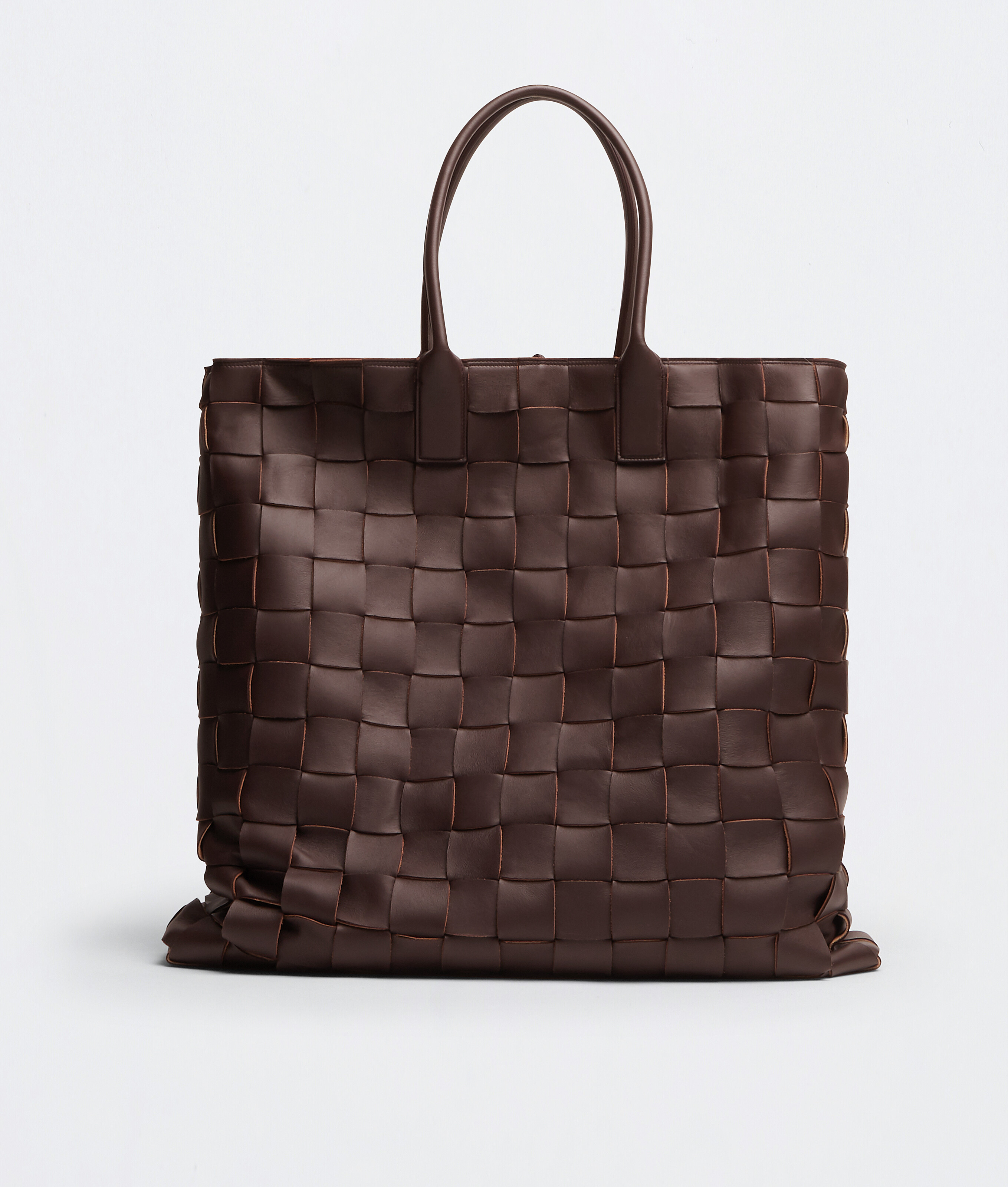
The construction tells the story. Bottega's Arco, launched in 2019 and now in its fifth iteration, uses a single piece of vacchetta wrapped around a minimal internal frame. The bag holds shape without announcing it. Loewe's Puzzle, by contrast, folds and softens into forty geometric panels that collapse when empty—a deliberate contrast to Bottega's taut line. The Row's Margaux sits between the two: structured through the base, releasing into softness at the shoulder. Three approaches to the same brief. The customer choosing between them isn't deciding on a bag. She's deciding which version of discretion she wants to broadcast.
Bottega entered this season with an advantage it didn't design for. Matthieu Blazy's autumn/winter 2024 collection leaned into wearability in a way that read, at the time, as a minor recalibration. Soft trenches in double-faced wool. Trousers with a natural waist and a clean break. Knits sized to layer under tailoring. Six months later, the market caught up. Loewe's spring 2025 showed sculptural leather that looked unwearable until you saw it move. The Row's pre-fall leaned so far into monastic simplicity that the press kit included fabric swatches but no styling notes. Bottega's advantage is that it got to wearable first, and it got there without announcing the pivot.
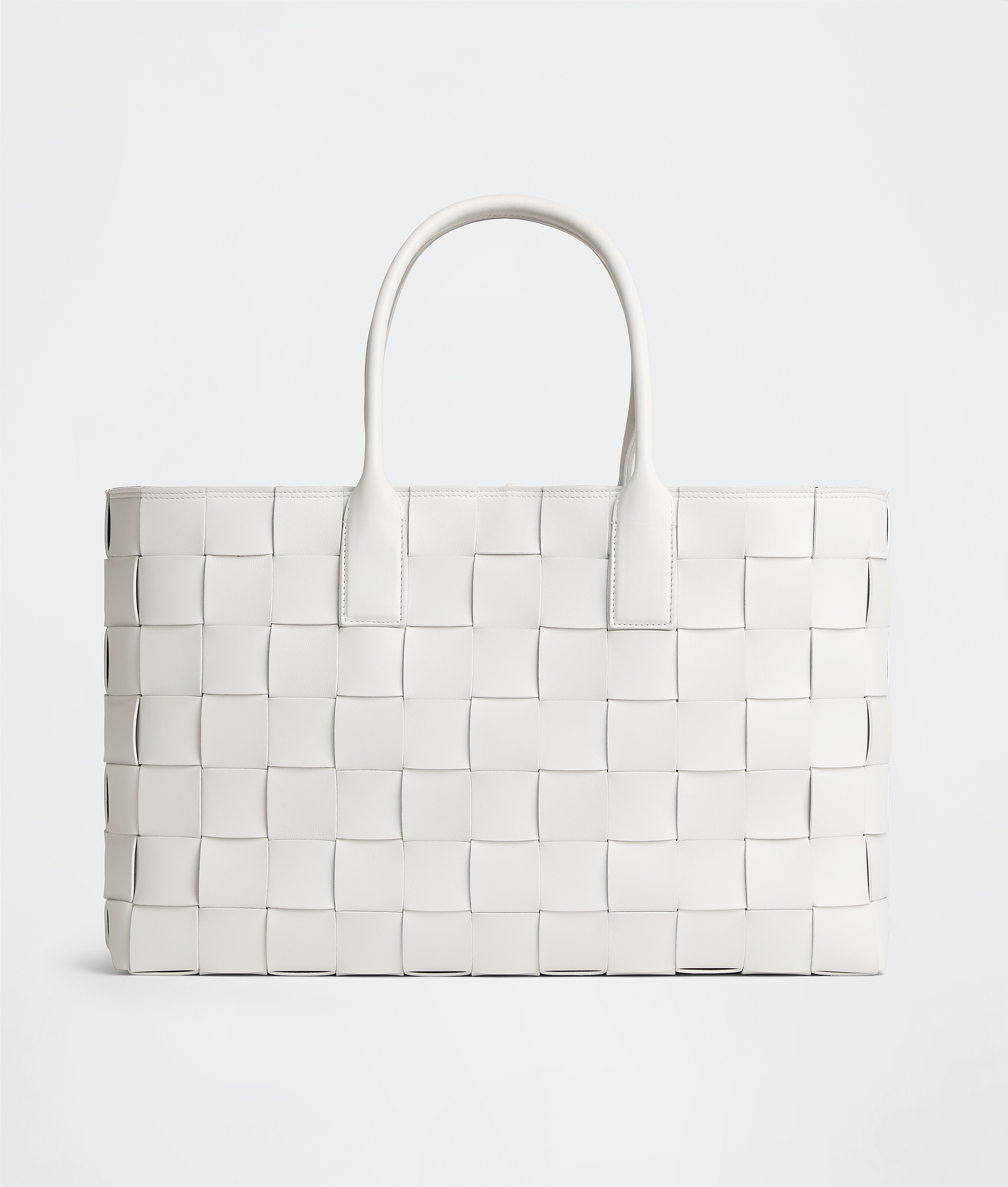
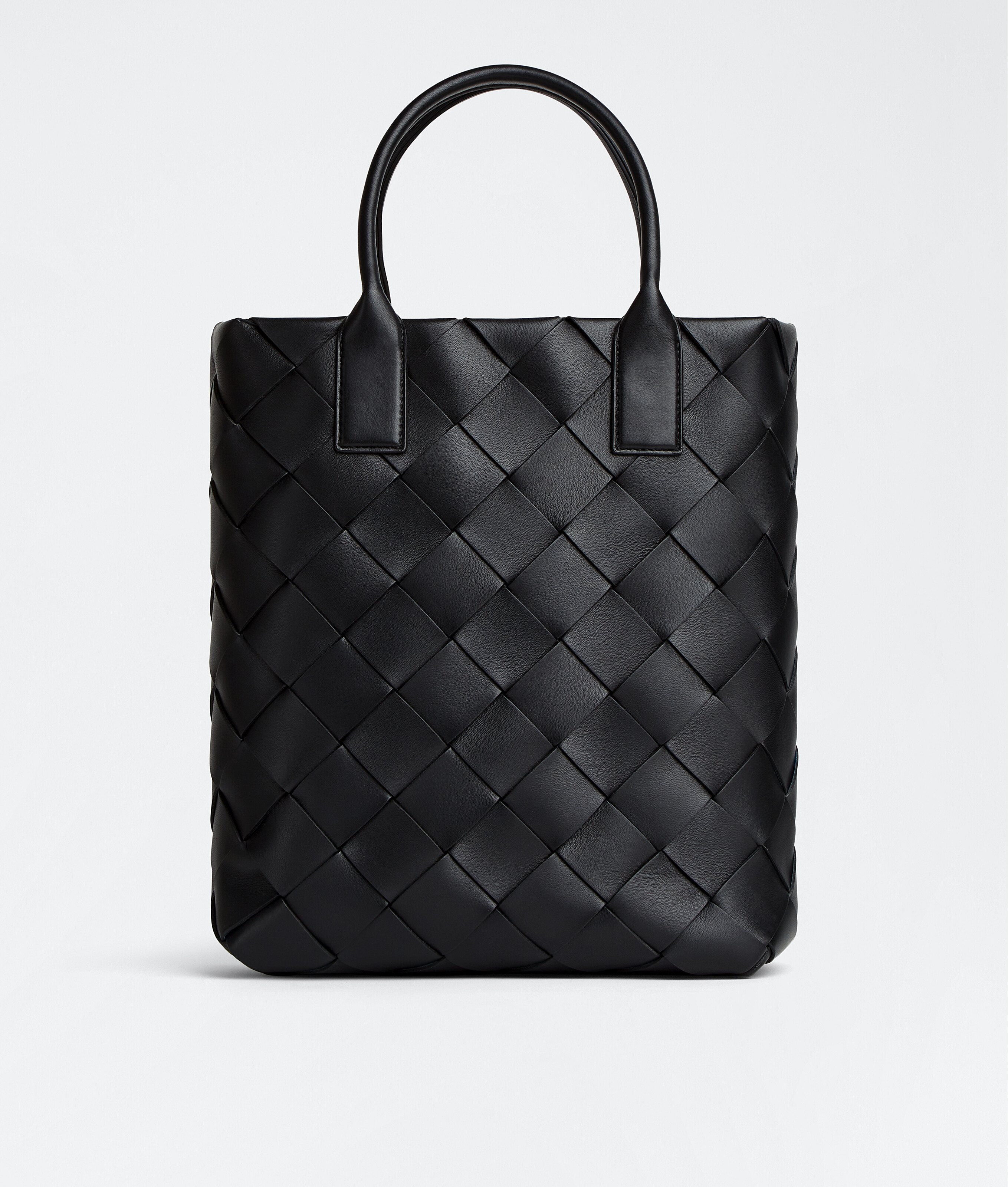
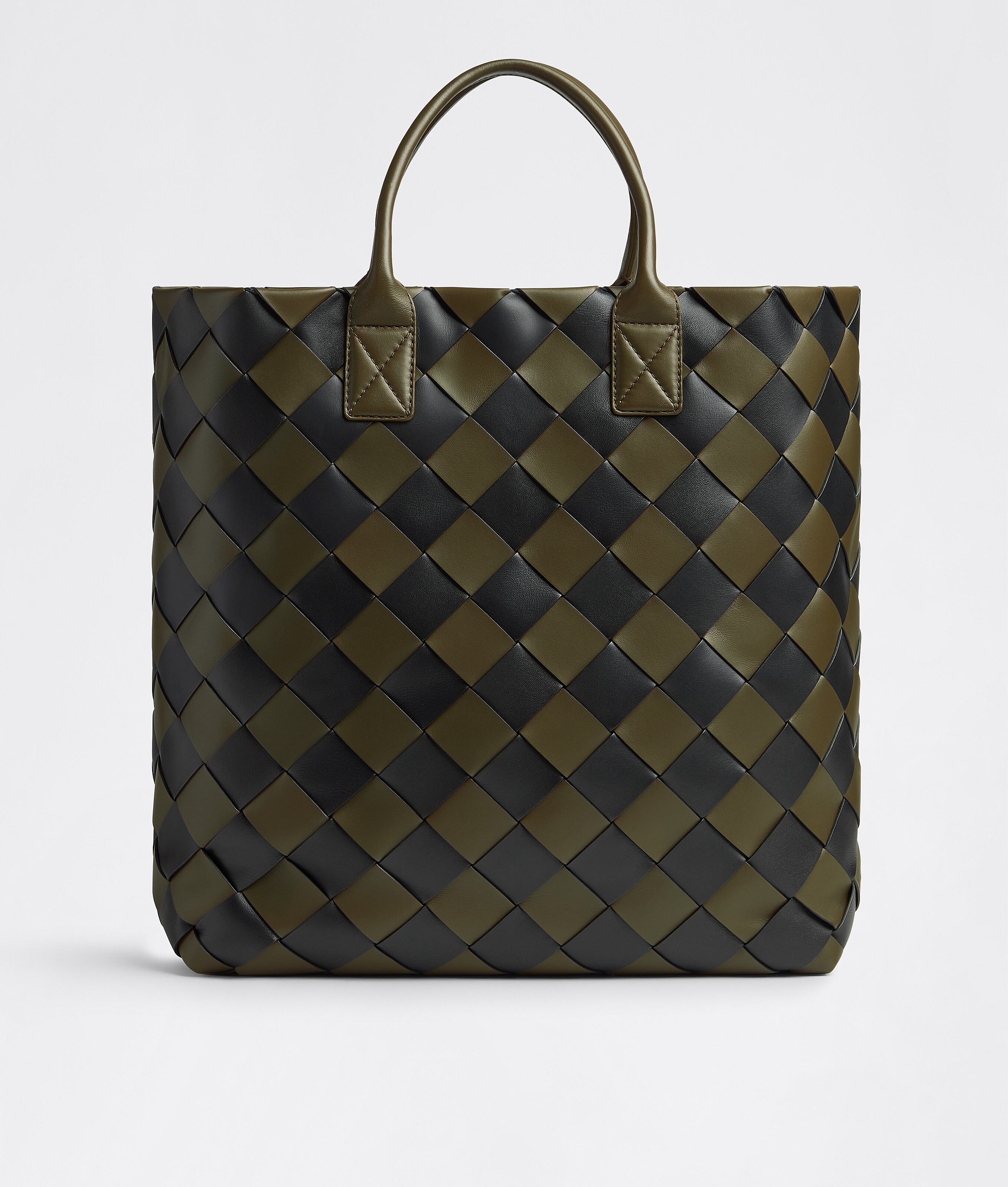
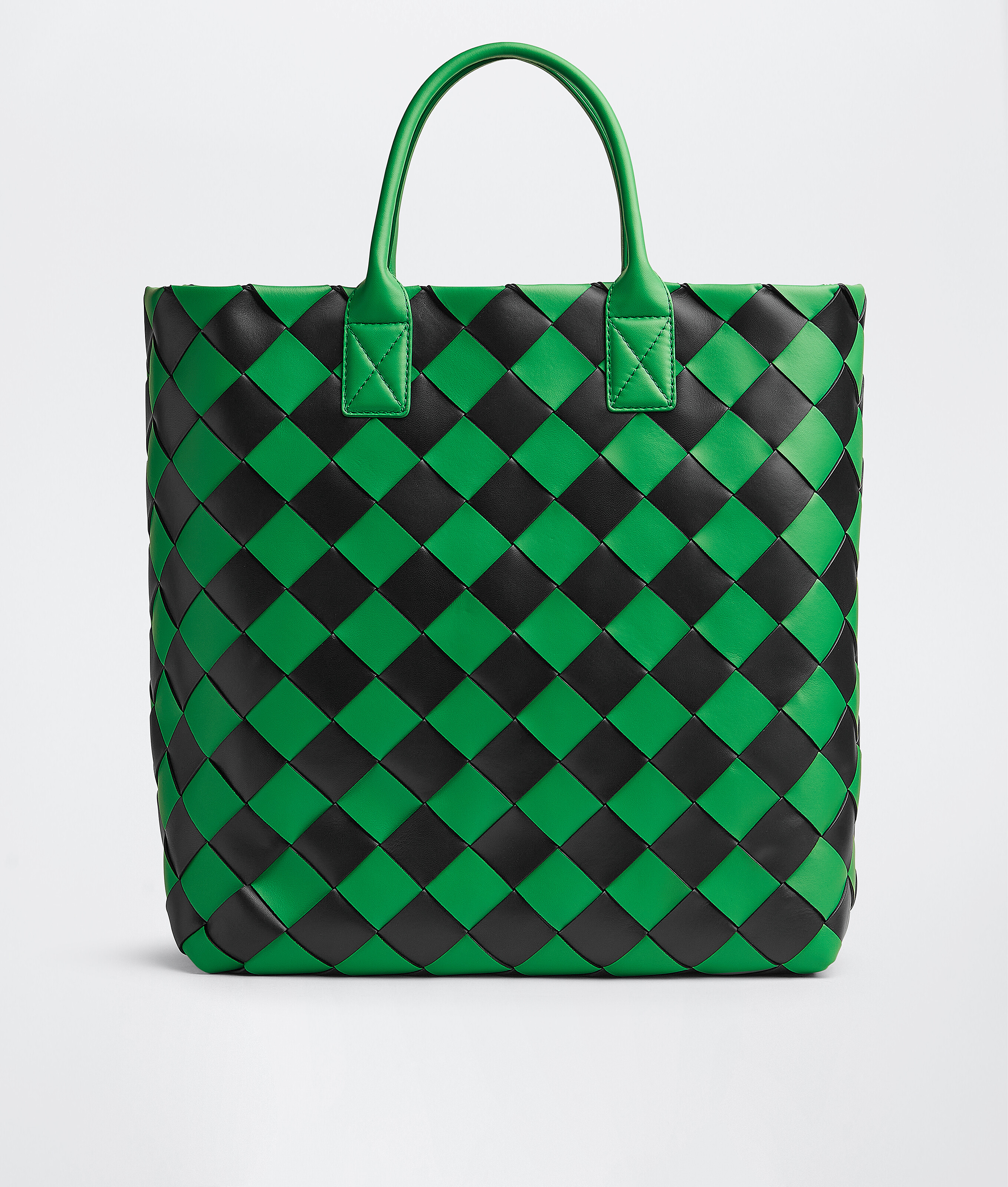
The intrecciato weave, Bottega's house code since the Seventies, now functions as a kind of material passport. It signals the house without needing a logo, but it also does something more tactical: it makes comparison difficult. When a customer walks into a Loewe boutique holding a Bottega Arco, the sales associate has to work harder. The weave doesn't translate. Loewe's leather is thinner, more pliable, often embossed or grained. The Row's is matte, almost chalky. Bottega's is neither—it's structural softness, which sounds like a contradiction until you handle one that's two years old. The intrecciato gives just enough to feel broken-in without looking worn. Loewe's Puzzle, by comparison, can look tired after eighteen months of daily carry. The Row's Margaux holds longer, but it also costs €700 more at entry and doesn't forgive rough handling.
Retail tells a clearer story than runway. Bottega's Cassette, the house's other anchor style, sold through at full price in Milan, Paris, and New York last autumn while Loewe's Gate bag hit sale rails by January. The Row doesn't discount, but it does restock selectively—Margaux in black calf has been unavailable in European flagships since March, which suggests either a production issue or a deliberate scarcity play. Either way, Bottega isn't struggling with stock. The Arco Tote, sized for work, has waitlists in three cities. That's not hype. That's a product solving a problem the market didn't articulate until it saw the solution.
The difference isn't just construction or price. It's use case. Bottega makes bags for women who work, which is a smaller segment than the industry wants to admit. Loewe makes bags for women who want to be noticed for not trying to be noticed, which is a larger and more volatile audience. The Row makes bags for women who've already bought everything else and need a reason to keep shopping. Three customer profiles, three margin structures, three approaches to the same piece of cowhide.
Blazy's spring 2025 collection doubled down on the work bag as evening bag, showing the Arco in glossy black calf styled with slip dresses and bare shoulders. It's a pitch to a customer who doesn't change bags between office and dinner because she doesn't have time and doesn't see the point. Loewe, meanwhile, showed the Puzzle in pastel calf and raffia, angling for weekend leisure. The Row showed almost no bags at all, which is either confidence or miscalculation.
The question for the next twelve months isn't whether Bottega will hold its lead. It will, because it entered the race with a product that already works and a customer who's already converted. The question is whether Loewe can pull enough volume to justify the production cost of a forty-panel bag, and whether The Row can scale beyond the narrow band of customers who'll pay €4,200 for something with no visible branding. Bottega's advantage is that it never had to convince anyone that intrecciato was worth paying for. The house just had to keep making it well.
If you're buying into this category now, you're buying a bag that will define your silhouette until at least spring 2026. Choose the one that works when you're carrying too much and running late. That's Bottega.