Fendi vs. la concurrence
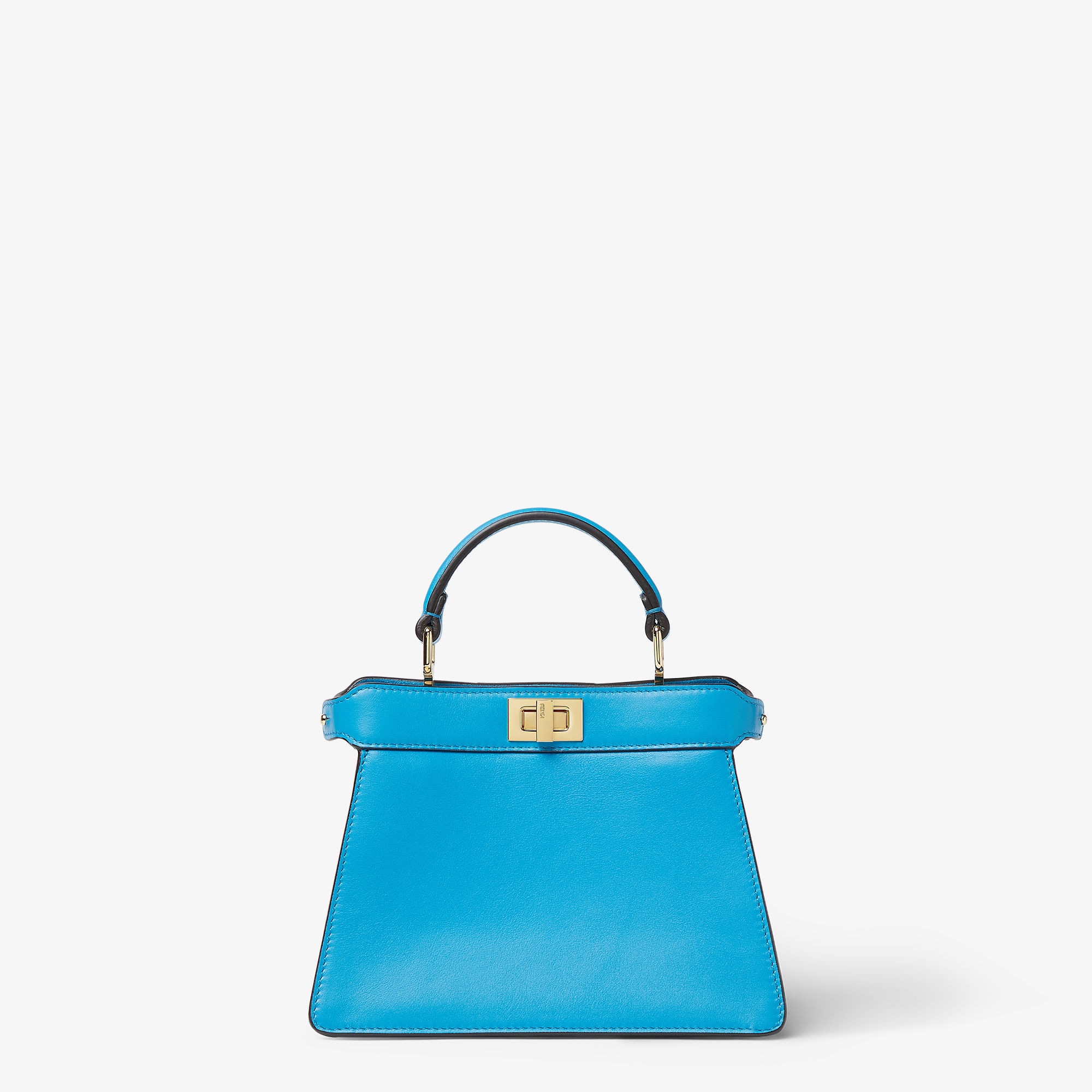
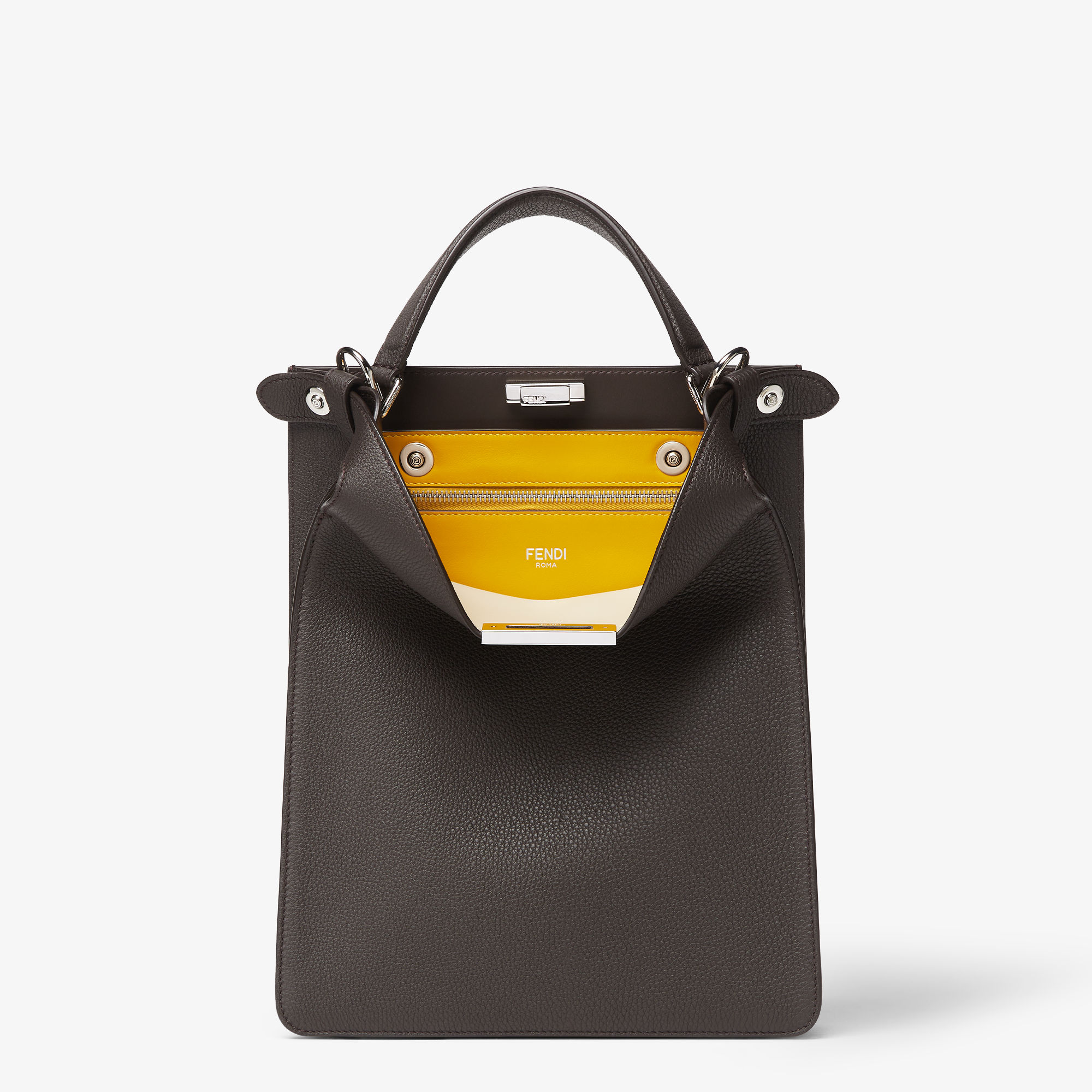
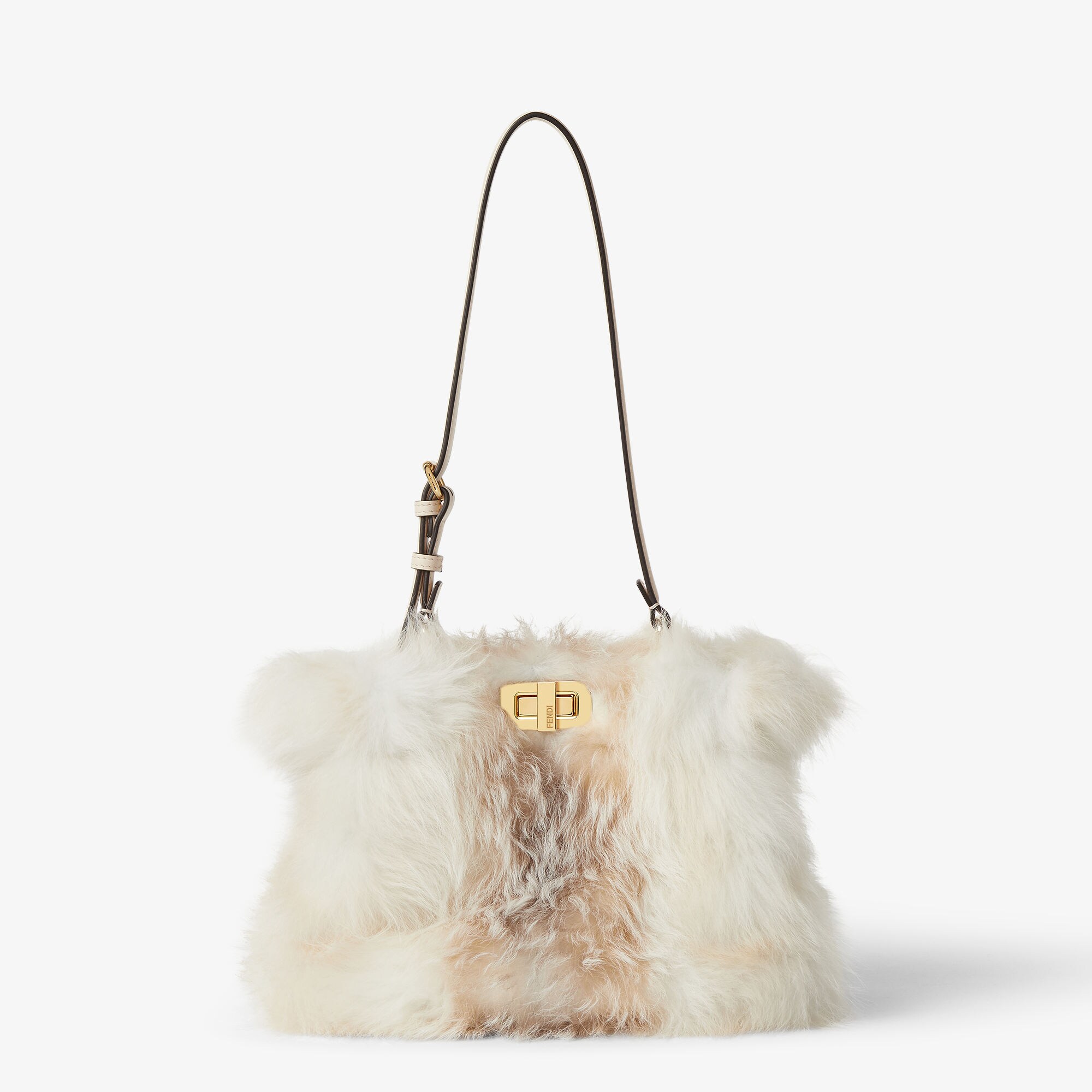
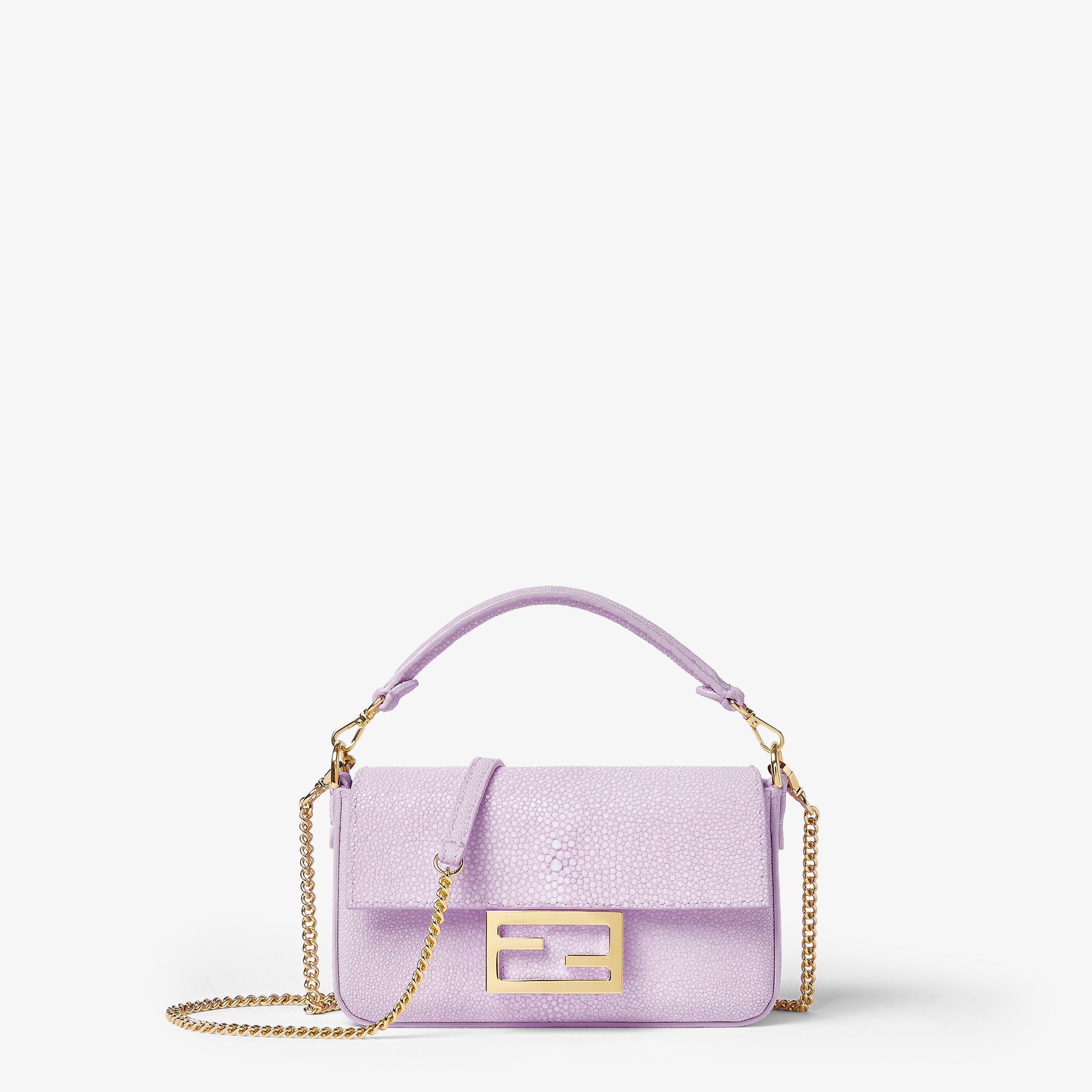
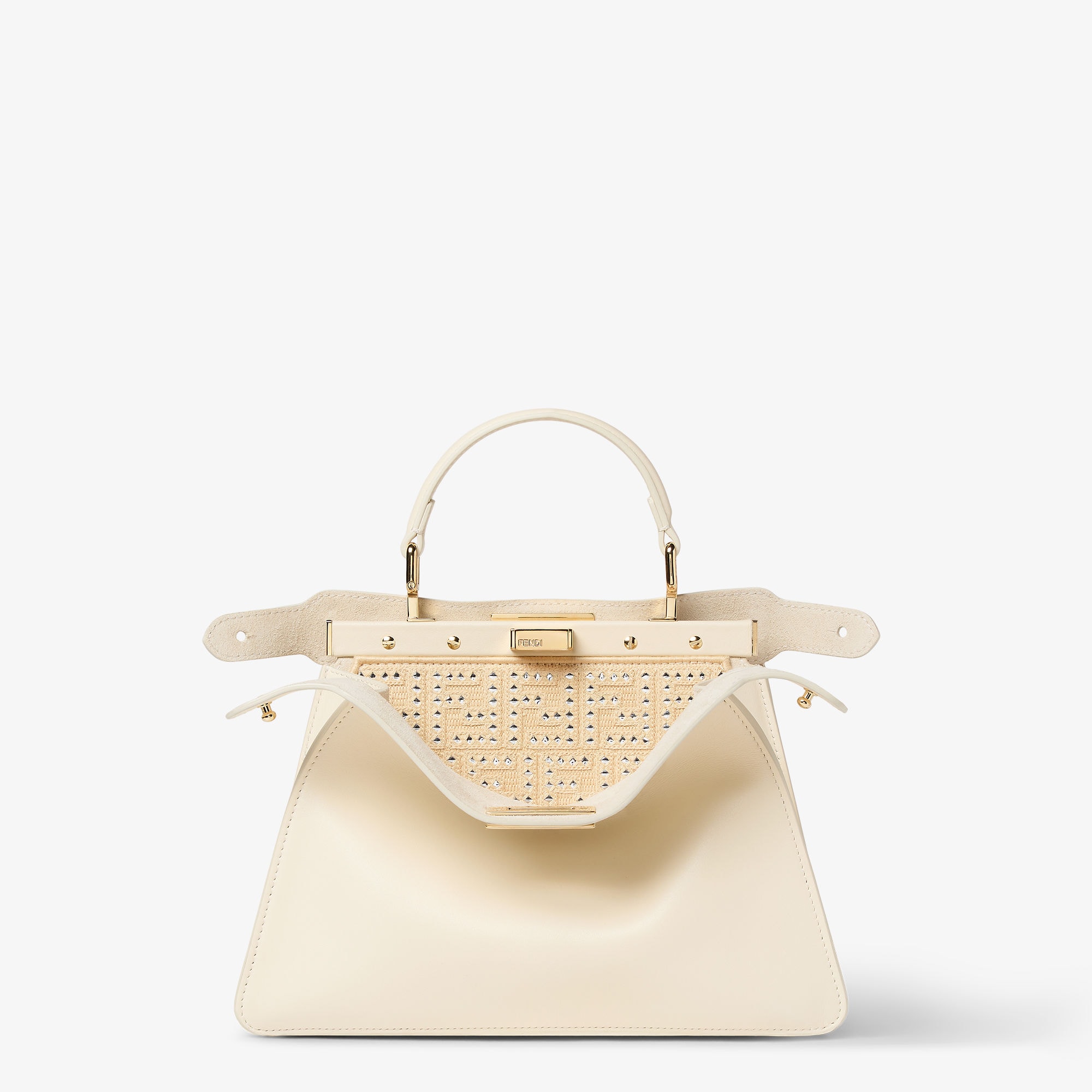
The baguette is back at Fendi, but not the way you remember it. The house showed seventeen iterations for Fall/Winter 2024 — micro, midi, structured, slouched — and none of them felt nostalgic. They felt like punctuation. A way to finish a sentence that starts with a camel coat or a narrow trouser or a silk shirt that doesn't cling. This is Fendi leaning into what it does better than most houses right now: daywear that doesn't apologise for being daywear.
It's worth saying that out loud because the conversation around Italian luxury has spent the last eighteen months stuck on evening. Bottega has been doing liquid jersey and knot details for cocktail hour. Prada leaned into embellishment and nylon hybrids that read formal even when they weren't. But Fendi is betting on the eight hours between breakfast and aperitivo. The pieces that carry you through a work call, a walk across the Tuileries, a lunch where you're being looked at but not photographed.
The silhouette is narrow through the shoulder, relaxed through the leg. It's not the exaggerated wide trouser that Khaite and The Row have been pushing — Fendi's sitting closer to a 1990s Jil Sander proportion. Straight leg, mid-rise, enough room in the hip that you don't have to think about it. The coats are doing most of the work: double-faced cashmere, belted at the natural waist, hemlines that hit just below the knee. There's a tobacco-brown trench from the latest collection that weighs almost nothing and photographs like it costs exactly what it costs.
What the neighbours are doing
Bottega Veneta is still in its tactile era. Matthieu Blazy's Fall 2024 collection had leather treated to look like denim, denim treated to look like leather, and intrecciato worked into everything from shirting to outwear. It's virtuosic and it photographs beautifully, but it asks you to stop and look. Fendi's approach is the opposite — the technique is there, but it sits under the surface. A sleeve lining in contrasting silk. A topstitched seam that's only visible in profile. You're not supposed to notice it first.
Prada's doing something else entirely. Miuccia Prada and Raf Simons have spent three seasons building a wardrobe for women who want to be read as serious and aren't interested in soft edges. The silhouette is boxy, often cropped, sometimes asymmetric. There's a gray wool coat from Fall 2024 with an off-centre closure and no lapel — it's architecture, not outerwear. It's brilliant, but it's not for every day. Fendi is.
The difference shows up in fabrication. Bottega's working with leather weights that need a certain commitment — you're not throwing a woven leather trench over a T-shirt on your way out. Prada's using technical wools that hold their shape aggressively, which means they look the same at 9 a.m. and 9 p.m. but don't move with you. Fendi's betting on cashmere blends, silk-lined wool, double-faced fabrics that have weight without stiffness. The pieces collapse in a way that looks intentional, not tired.
Where this lands
The bag is the tell. Bottega's Sardine and Andiamo are sculptural — they're objects first, carriers second. Prada's doing structured top-handles and nylon hybrids that nod to the archive but feel contemporary. Fendi's baguette, in all its iterations, is still a baguette. It sits under your arm. It doesn't announce itself. It works with a suit, with denim, with the kind of silk slip dress that shouldn't need a jacket but does in real life.
This isn't about one house winning. It's about recognising that Fendi, Bottega, and Prada are each solving for a different kind of day. Bottega wants you to feel the craft in your hands. Prada wants you to hold your shape in a room. Fendi wants you to move through your life without adjusting your clothes every twenty minutes.
What it means to dress this way
If you're buying into Fendi's version of Fall 2024, you're buying into a specific idea: that luxury is about ease, not effort. That a tobacco trench and a straight-leg trouser will carry you further than a statement coat that only works in certain light. That the baguette, in the end, was never about nostalgia — it was about having your hands free.
The question for the next twelve months is whether that's enough. Whether daywear, no matter how considered, can hold attention in a market that's been rewarding spectacle. Fendi's betting it can. The fit is there, the fabrication is there, the restraint is there. What's left is whether enough people want to dress like adults again.