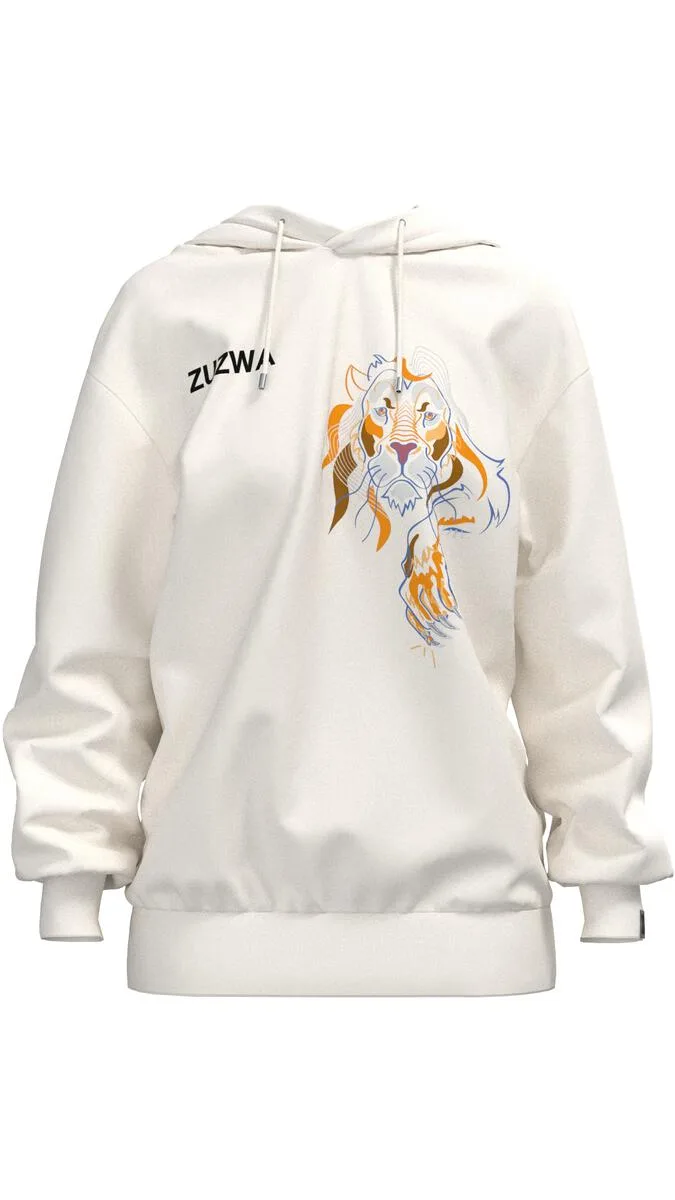
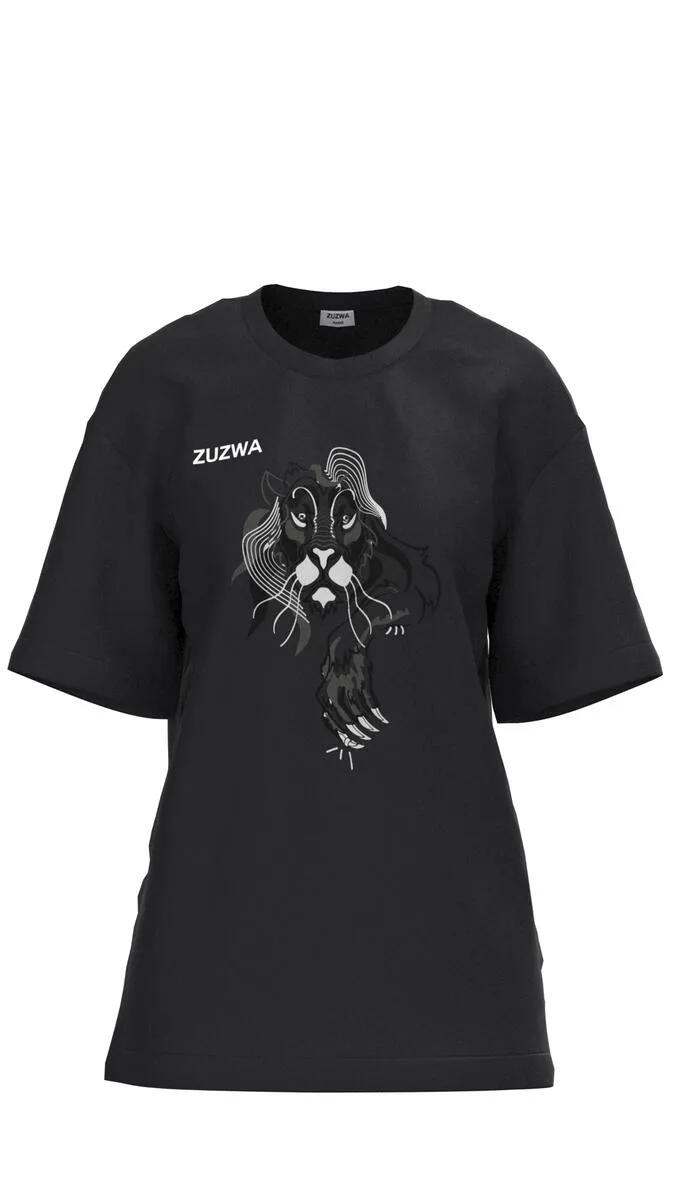
The shoulder at ZUZWA has moved five centimetres outward since autumn 2024
The shoulder at ZUZWA has moved five centimetres outward since autumn 2024. The sleeve head is higher. The pitch is sharper. The silhouette no longer suggests the body beneath—it replaces it.
This is not padding in the eighties sense. ZUZWA's construction is architectural but hollow. The spring 2026 collection, shown in Milan in September, featured jackets with shoulders that cantilevered past the natural line by a full hand's width. The effect was skeletal. Models walked as though the garment was walking them. Creative director Anya Kozlov has said in interviews that she thinks of the shoulder as "the hinge between intention and gesture." What she has built this season is a hinge that doesn't fold.
The technique is visible if you look closely at the runway images. The shoulder extends via a curved armature—likely crin or buckram—that creates negative space between fabric and skin. The jacket doesn't sit on the body. It hovers a few millimetres above it. This gives the upper silhouette a breadth that reads almost as width, but without mass. It's a trick borrowed from Japanese tailoring, specifically the work of Comme des Garçons in the mid-nineties, but ZUZWA has made it leaner. Where Rei Kawakubo's shoulders were sculptural and often asymmetric, Kozlov's are symmetrical, clean, and unapologetic.
The autumn 2025 collection introduced the gesture. A series of wool coats with shoulders that formed a straight horizontal line from neck to sleeve. No slope. The body below was narrow—trousers cut close through the thigh, ending above the ankle. The proportions were almost cartographic: a wide top third, a narrow lower two-thirds, and a sliver of ankle as the margin. It was the inverse of the last five years, which favoured dropped shoulders, oversized sleeves, and a general softness that read as ease.
By spring 2026, the shoulder had sharpened further. ZUZWA showed tailored blazers in lightweight wool-linen blends, some with sleeves that began so high they appeared to emerge from the collarbone. The house paired these with slip dresses and narrow trousers, but the jacket was the anchor. It gave the wearer a frame. You could argue it gave the wearer a different skeleton.
The influence is already visible in adjacent houses. Acne Studios' autumn 2026 preview featured blazers with exaggerated shoulder lines, though softer and rounder than ZUZWA's. The Row showed a single black jacket in their spring lookbook with a shoulder that extended past the natural line by three centimetres—a subtle nod, but present. Even Totême, known for restraint, has widened the shoulder on their signature blazer for the coming season. The silhouette is moving industry-wide, but ZUZWA is setting the tempo.
What makes this shift legible now is context. The past four years favoured volume without structure—oversized knits, dropped armholes, wide trousers that pooled at the ankle. Comfort became the dominant language, and the shoulder receded. ZUZWA's current work is a correction. The shoulder is back, but it is not the power shoulder of the eighties, which was about dominance. This shoulder is about architecture. It's about the garment as an independent object, one that happens to be worn.
Kozlov has spoken about her interest in brutalist architecture, specifically the work of Ernő Goldfinger and the Barbican Estate in London. The connection is visible. The ZUZWA shoulder is a cantilevered beam. It projects without support. It creates space where there was none. The body becomes the site, and the garment becomes the structure.
The question for the next twelve months is whether this silhouette will translate beyond the runway. The ZUZWA shoulder requires commitment. It doesn't soften when you sit down. It doesn't collapse in transit. It holds its line, which means the wearer must hold theirs. That's a different proposition than the ease of the last few seasons, and it will divide the market. Some will find it clarifying. Others will find it rigid.
But ZUZWA is not interested in consensus. The house has built a silhouette that asks the body to adapt, not the other way around. The shoulder is the statement, and the statement is structural. To dress in this for the next year is to accept that the garment leads, and the body follows.