Alexander McQueen aujourd'hui : où en est la maison
The autumn-winter 2024 show opened with a model in a white cotton shirt, sleeves rolled, walking toward a wall of shattered mirror. No pyrotechnics. No taxidermy. The shirt was crisp, the tailoring legible from the back row. Sarah Burton had left the house six months earlier. Seán McGirr had arrived from JW Anderson with a brief that no one envied: follow the ghost.
Alexander McQueen remains the most mythologised house in contemporary fashion. The mythology is not unearned. Lee Alexander McQueen built a practice between 1992 and 2010 that treated the runway as theatre, the body as architecture, and cruelty as a legitimate subject for beauty. The horn of plenty. The hologram. The prosthetic legs. These images have calcified into shorthand, repeated until they function as logos. But McQueen the house is not McQueen the man, and has not been for fifteen years.
What the house was built on
McQueen learned pattern cutting on Savile Row, at Anderson & Sheppard and Gieves & Hawkes, between the ages of sixteen and twenty. The technical foundation is not incidental. His tailoring had structure that held without interfacing, seams that turned the body into something other than itself. A jacket from the Voss collection in 2001 is still studied in draping classes: the sleeve pitch is wrong by traditional standards, but it makes the shoulder read as predatory.
He showed his graduate collection from Central Saint Martins in 1992. Isabella Blow bought it off the runway for £5,000, paid in installments. The relationship between McQueen and Blow has been narrated many times, often poorly. What matters is that she gave him access and he gave her ammunition. By 1996 he was at Givenchy. By 1997 he had backing from Gucci Group. By 2000, Alexander McQueen the brand was producing ready-to-wear, shoes, and bags under the operational structure of a French luxury conglomerate, which is to say: no longer a one-man atelier.
The work from 1995 to 2009 is uneven. Highland Rape in 1995 was deliberately ugly, models stumbling in torn lace, and it was also technically brilliant. Plato's Atlantis in 2009 was digitally printed, machine-perfect, and it sold. The shows were events. The clothes were often unwearable, sometimes on purpose. McQueen died in February 2010, a week before Paris fashion week. The house did not pause.
The Burton era
Sarah Burton had worked beside McQueen since 1996. She ran womenswear while he was alive. She was named creative director two months after his death, which was fast even by industry standards. Her first full collection came in October 2010. It was romantic, softer than his late work, and it did not try to be his work. That restraint bought her credibility.
Burton's McQueen was about embroidery, about the atelier, about gowns that required 800 hours of handwork. She leaned into the house codes — the tailoring, the corsetry, the natural-world references — but she made them wearable. Kate Middleton wore a Burton-designed dress to marry Prince William in 2011. The dress was long-sleeved, high-necked, lace over satin, and it was seen by two billion people. That single garment shifted the house's commercial centre. McQueen became synonymous with occasion dressing, with bridal, with a kind of controlled opulence that moved units.
The runway work under Burton was consistent. She showed twice a year for thirteen years. The silhouette was recognisable: nipped waist, strong shoulder, a bias toward black and ivory. The embroidery was exceptional. The narrative was often about nature, about metamorphosis, about women as powerful and decorative at once. It was not radical. It was not trying to be.
Sales grew. Kering does not break out McQueen's revenue separately, but analysts estimate the house was generating between €300 million and €400 million annually by 2023. That is mid-tier within the group — above Balenciaga's pre-scandal figures, well below Gucci or Saint Laurent. The leather goods were performing. The sneakers were performing. The evening wear was performing. Burton left in September 2023, citing a desire to step back. There was no scandal, no public friction. She had done the work.
McGirr's inheritance
Seán McGirr is forty years old. He is Irish, trained at Central Saint Martins, worked at Dries Van Noten and JW Anderson before McQueen. He was named creative director in October 2023 and showed his first collection in March 2024. The appointment was read as safe: a designer from within the Kering-adjacent ecosystem, someone who understood commercial production, someone who would not blow up the archive.
The first collection was titled The Essence. It opened with that white shirt. The tailoring was sharp, the proportions were current — wider trousers, longer jackets, a looser hand than Burton's. There were references to McQueen's The Birds from 1995, but they were muted: feather embroidery, not whole wings. The palette was black, white, navy, red. The shoes were wearable. The bags were legible as bags.
The response was tepid. Critics noted competence. No one called it visionary. The commercial buyers, by several accounts, were more enthusiastic. McGirr's McQueen is cleaner, younger, less overtly feminine than Burton's. It reads as day wear, as suiting, as something that could sit in a wardrobe next to The Row or Toteme. That is a strategy. Whether it is the right strategy depends on what Kering wants the house to be.
The autumn-winter 2024 collection leaned harder into the archive. There were bumster trousers, cut low enough to recall the 1990s but not so low as to alienate the contemporary customer. There were knits that referenced the ribcage corsetry. There were several very good coats. The show closed with a black gown, bias-cut, liquid in its drape. It was beautiful. It was not a McQueen gown as the market has learned to expect one, which is to say: it was not a Burton gown.
Where the house stands
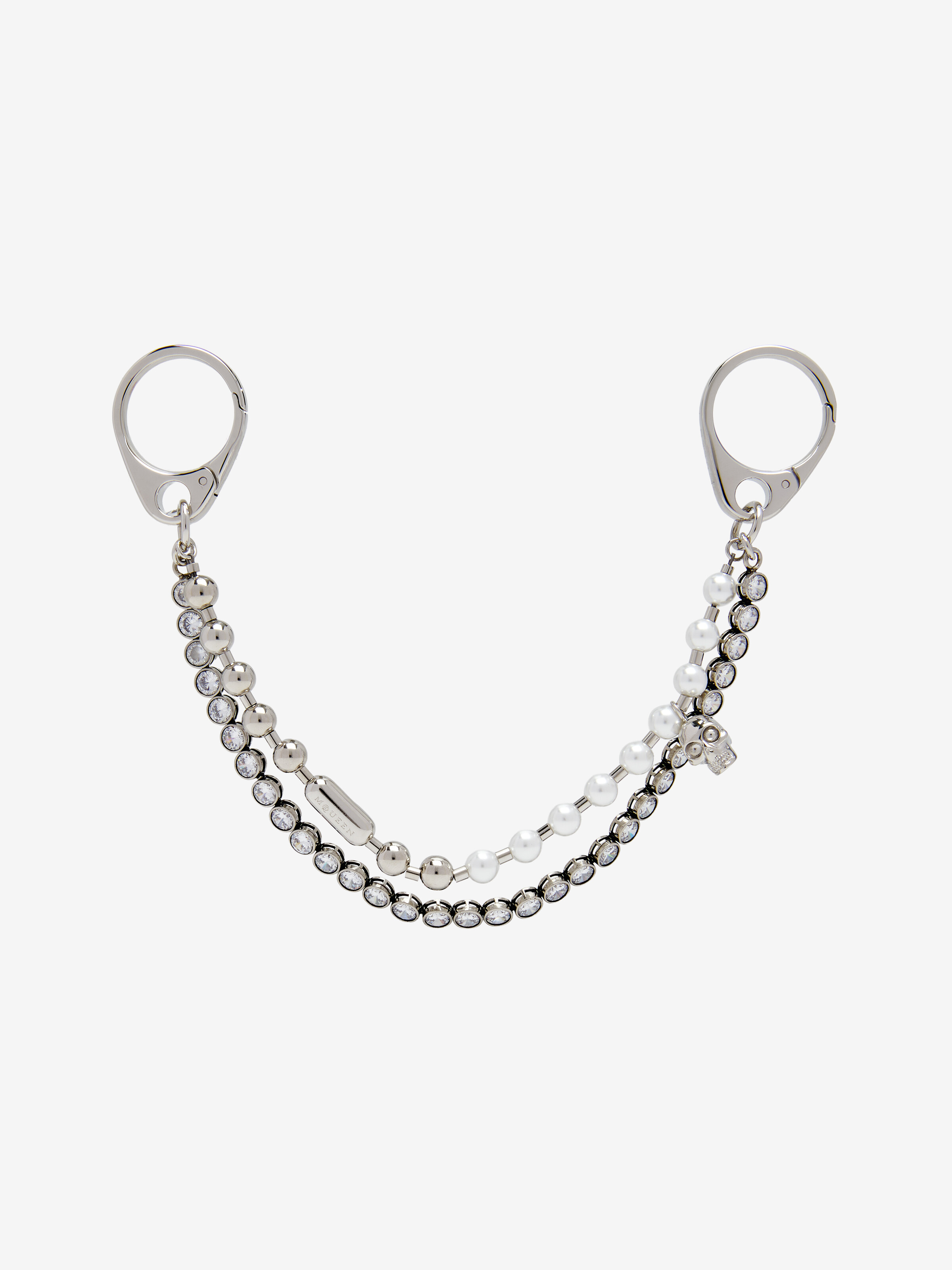
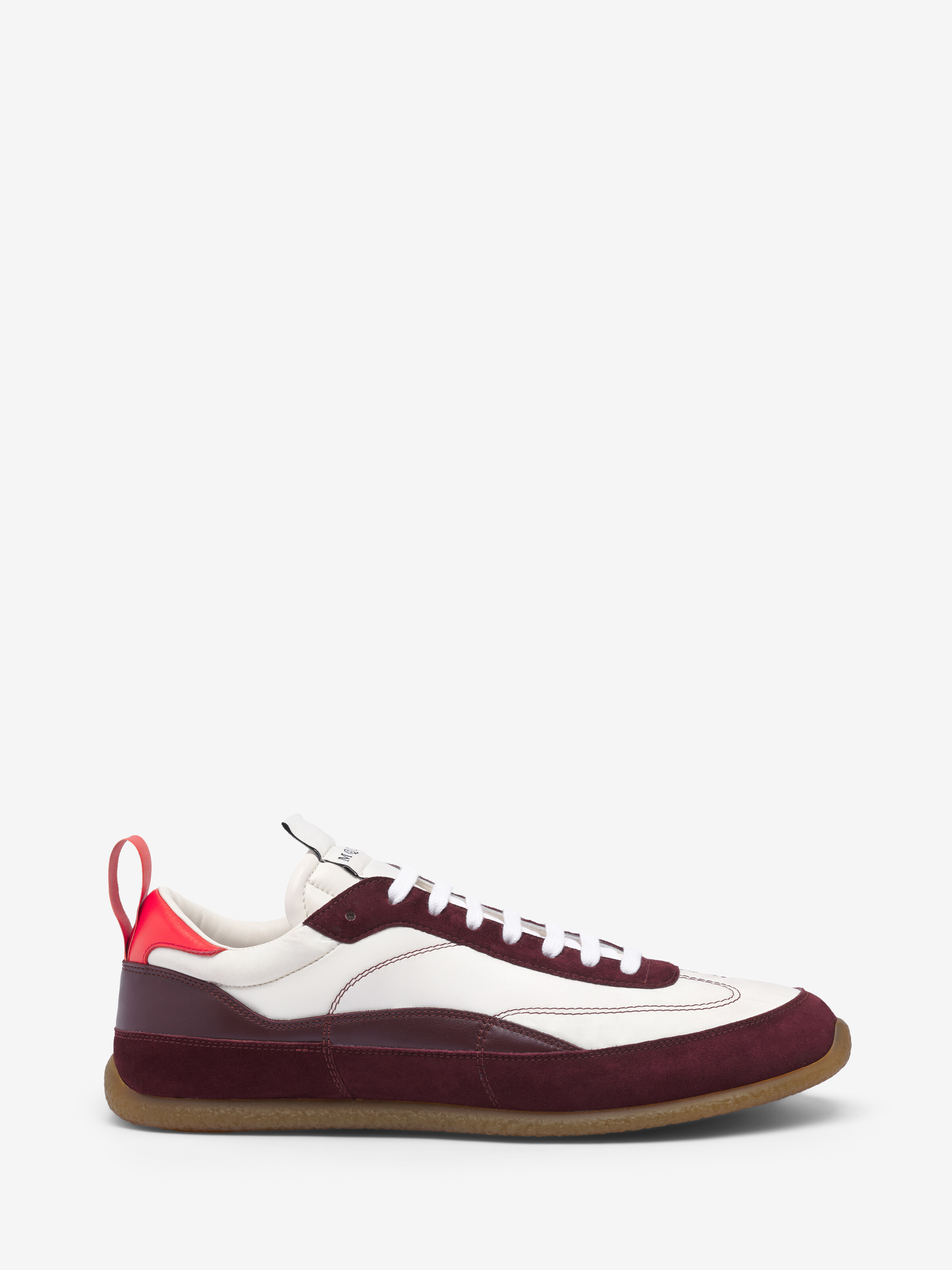
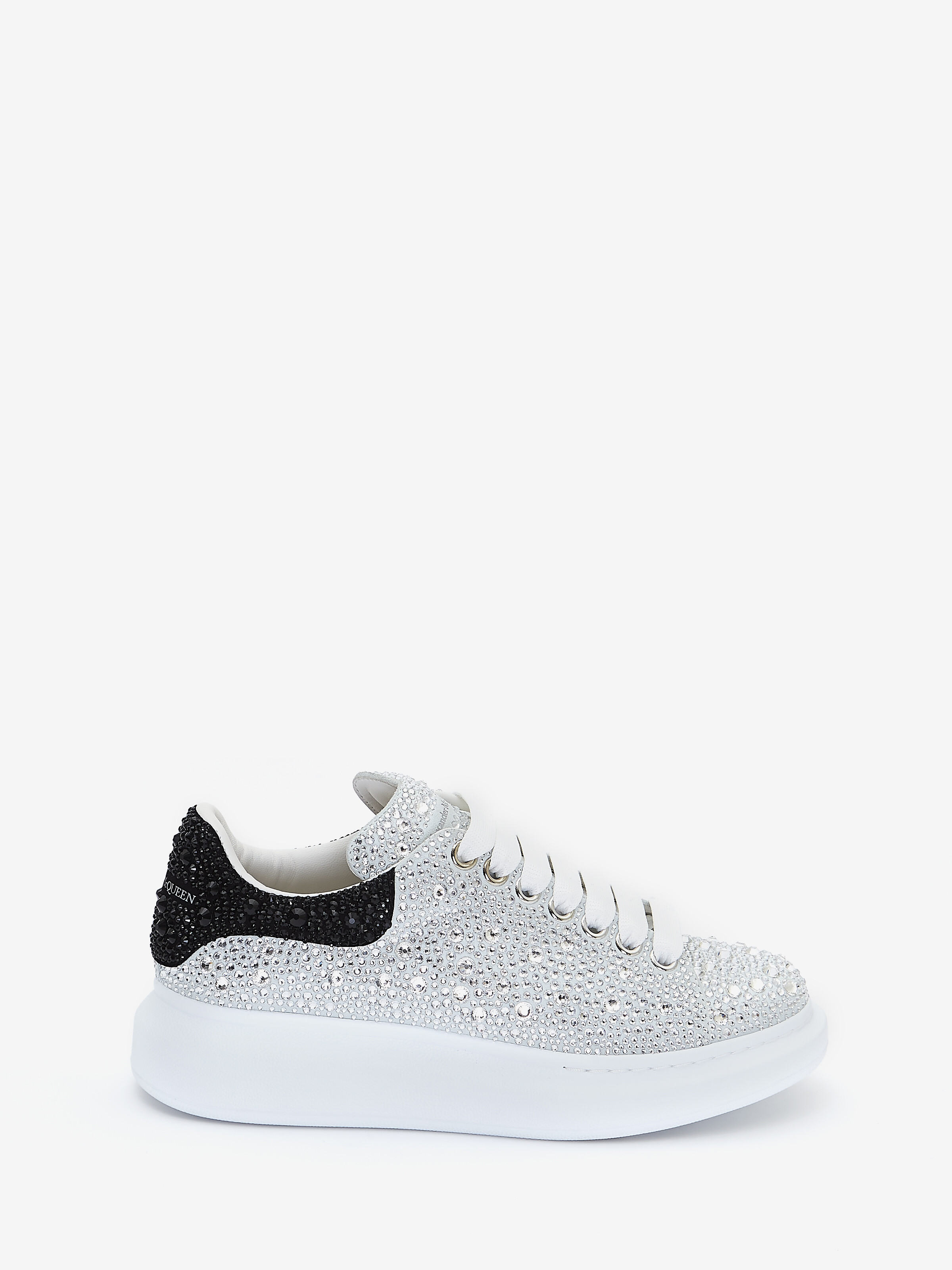
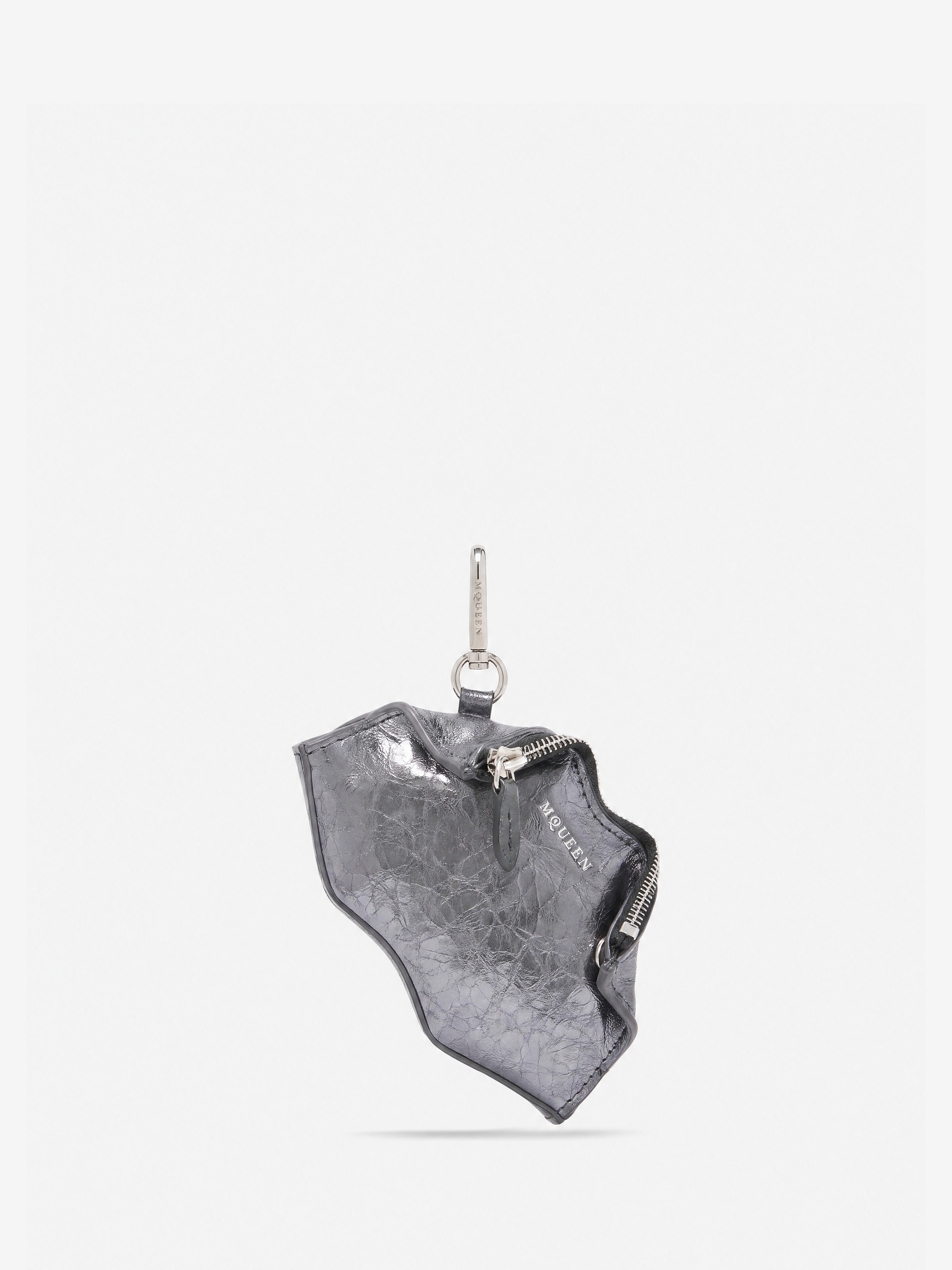
Alexander McQueen operates 74 directly-operated stores globally. The flagship is still in London, on Old Bond Street. The largest revenue streams are leather goods and shoes, which is true of almost every house at this scale. The Curve bag, introduced under Burton, continues to sell. The Tread Slick boot, chunky-soled and logo'd, has been a repeating style since 2019. These are not fashion objects in the way a McQueen show piece is a fashion object. They are accessories that carry a logo with sufficient cultural weight to justify the price.
McGirr's task is to build a ready-to-wear business that people buy, not just photograph. Burton did that with eveningwear. McGirr is attempting it with tailoring and daywear, which is a harder sell. The market for occasion dressing is established and renewable — people continue to get married, to attend galas, to need gowns. The market for expensive daily suiting is narrower, more competitive, and requires the customer to believe that McQueen is the right answer to that need.
The brand's image remains tied to Lee Alexander McQueen, which is both asset and constraint. The archive is extraordinary. The mythology is potent. But mythology does not adapt easily. A house built on transgression and spectacle must eventually decide whether it wants to continue performing transgression, or whether it wants to sell clothes at scale. McQueen under Burton chose the latter, carefully. McQueen under McGirr is still choosing.
The spring 2025 collection showed in September. There was a finale look: a coat in black wool, double-breasted, with sleeves that extended past the hands and a hem that pooled on the floor. The model walked slowly. The coat moved like liquid, like something that had weight but no rigidity. It was a garment that understood construction, that knew how cloth behaves under its own mass. McGirr did not make it alone — McQueen's atelier is still intact, still staffed by people who have been cutting patterns in that building for twenty years. But he signed it. The coat will not define the house. It may not even sell. But it was the first thing he has made that felt like it was not asking permission.