Alexander McQueen pour celles qui débutent
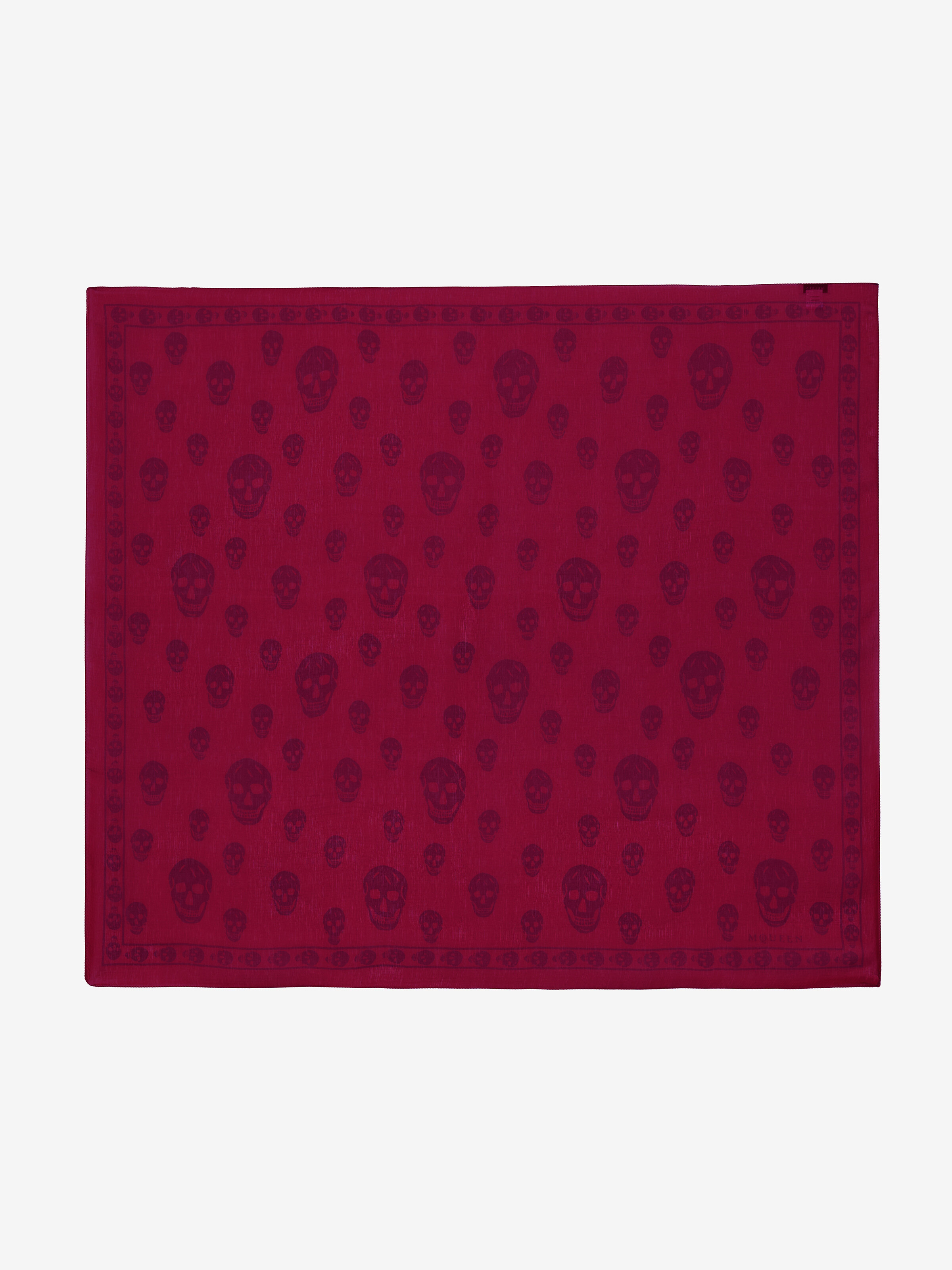
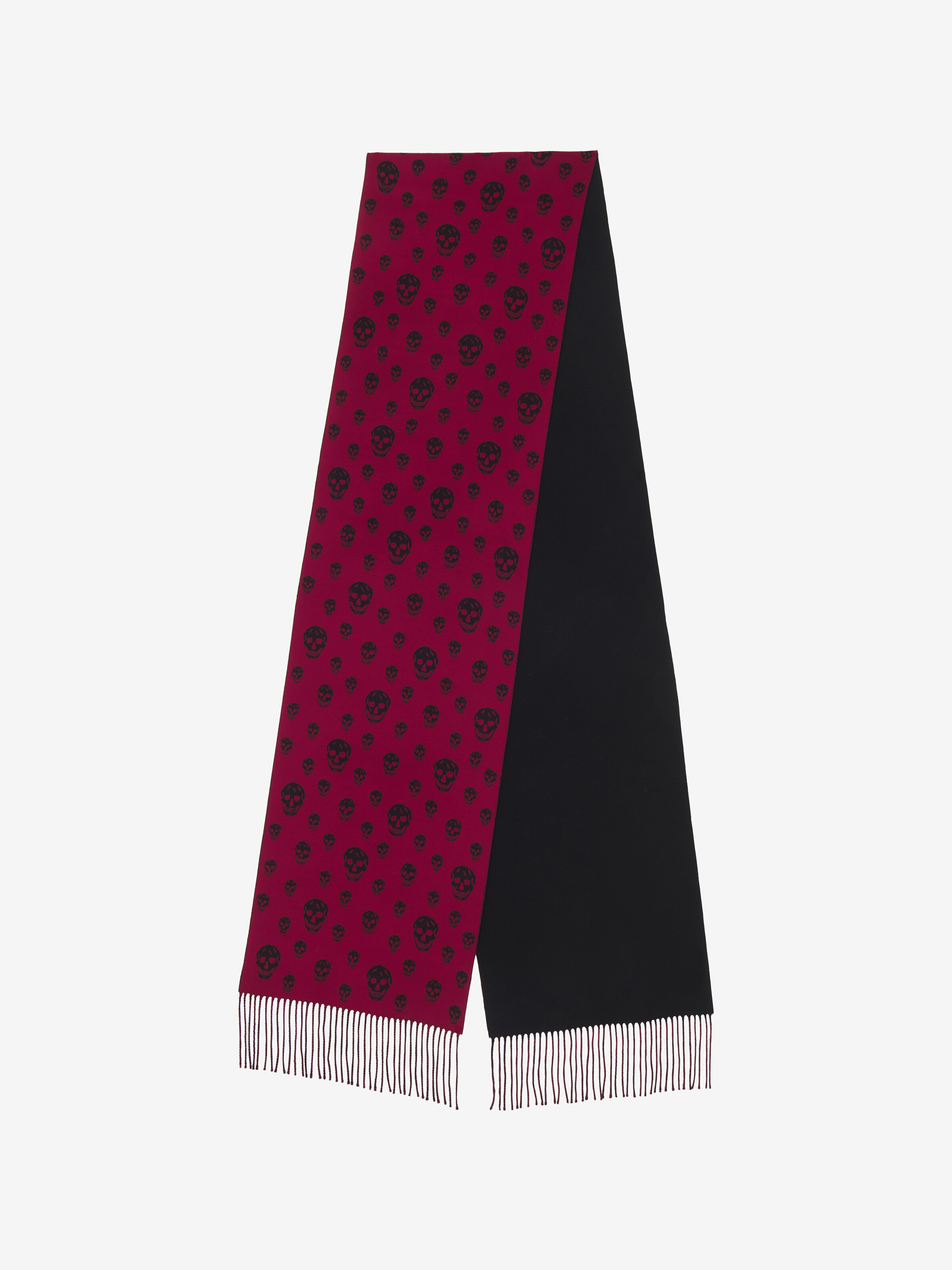
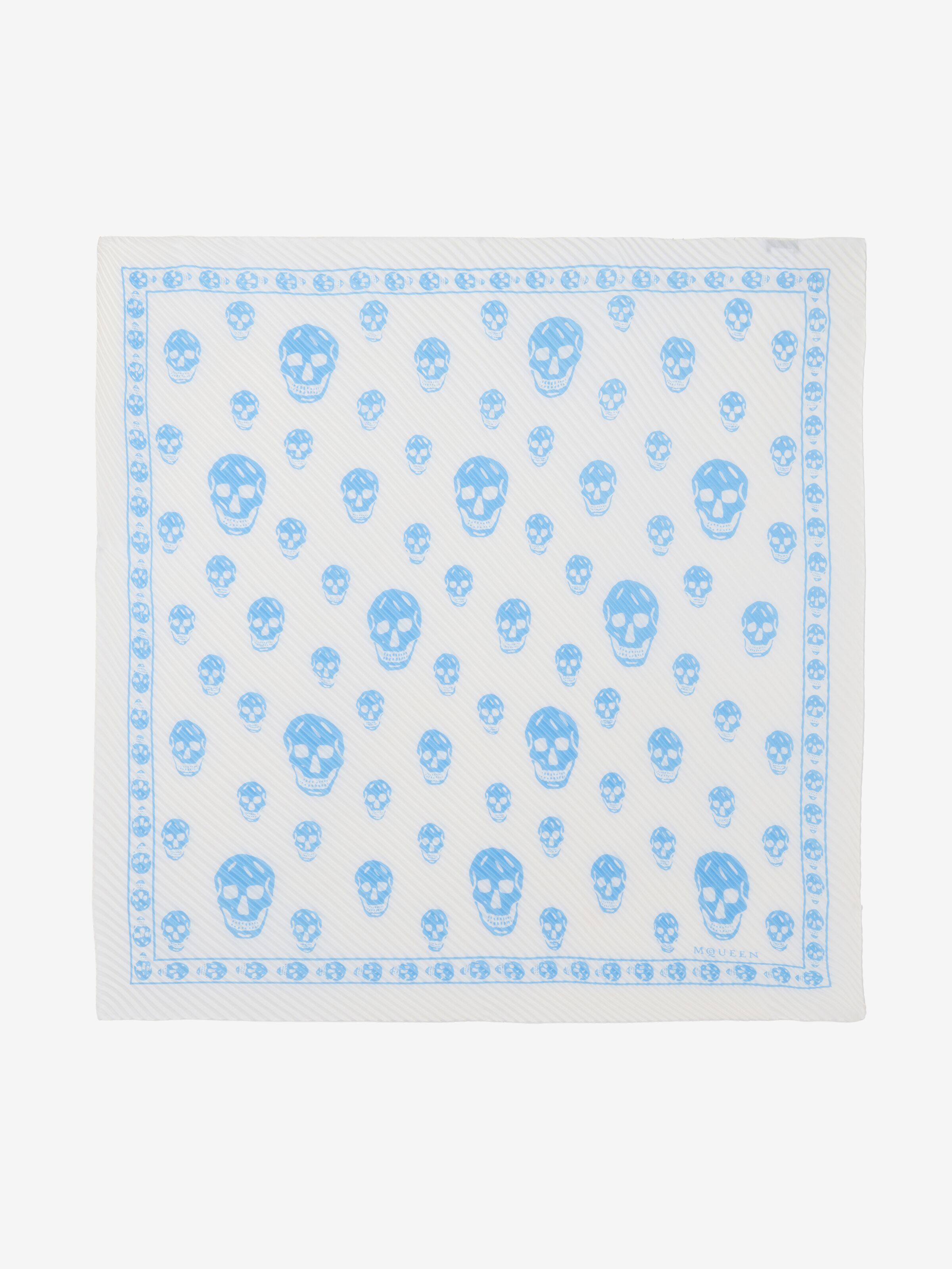
The skull scarf exists in three states: folded in tissue at the bottom of a drawer, knotted around the handle of a black leather bag, or worn exactly once before its owner realises she isn't ready. It costs around €350, depending on the season. It is also the wrong place to start.
Alexander McQueen is not difficult, but it does ask something of you. The house built its reputation on theatre—raw, sometimes brutal, always uncompromising—and even now, two decades after Lee Alexander McQueen's death, that spirit lingers in the cut of a jacket and the pitch of a heel. You don't ease into McQueen the way you might slip into a Toteme coat. You commit, or you wait.
What McQueen was, and what it became
Lee McQueen showed his graduate collection, Jack the Ripper Stalks His Victims, in 1992. The trousers sat low. The tailoring referenced Savile Row, where he'd trained at Anderson & Sheppard and Gieves & Hawkes, but the silhouettes were feral. Isabella Blow bought the entire collection for £5,000. She paid in instalments.
What followed were fifteen years of collections that treated fashion as confrontation. Highland Rape in 1995. Voss in 2001, with models trapped in a mirrored cube. Plato's Atlantis in 2009, live-streamed and chaotic, where the dresses looked like something pulled from deep water. McQueen's tailoring was impeccable—he could cut a shoulder as clean as anyone on the Row—but he used that skill to destabilise, not comfort. A McQueen jacket from that era fits like architecture. It does not bend.
He died in February 2010. Sarah Burton, who had worked alongside him since 1996, took over as creative director. She softened nothing, but she did shift the register. The rage became quieter. The craftsmanship, which had always been there, moved to the foreground. Burton's McQueen still reference the archive—the bumster, the armadillo boot, the romantic-yet-sinister tension—but it no longer feels like a challenge. It feels like an inheritance.
Burton left in 2023. Seán McGirr, formerly of JW Anderson and Dries Van Noten, was appointed in October of that year. His first collection for autumn/winter 2024 leaned harder into the house codes: sharp tailoring, exaggerated silhouettes, a certain gothic undercurrent. Whether McGirr will recalibrate McQueen's relationship with wearability or double down on its iconography remains to be seen. For now, the house sits between two eras, still legible but not yet settled.
The product landscape, and where to enter it
McQueen operates across several tiers, and knowing which is which saves both money and disappointment.
At the top: runway pieces and special-order tailoring. These rarely make it to sale. A tailored jacket from the mainline starts around €2,400 and climbs quickly if the fabric involves embroidery or hand-finishing. Dresses range from €1,800 for something relatively plain to €8,000 for eveningwear with structural boning or appliqué. The coats—particularly the military-inspired styles and the sculptural wool trenches—are some of the strongest pieces the house makes, but they begin at €3,200 and require alterations unless your proportions happen to match the fit model's.
Then there is McQ, the diffusion line launched in 2006 and discontinued in 2022. You'll still find it secondhand. The quality was inconsistent—some pieces were well-made, others felt like they'd been value-engineered too far—but the tailoring and knitwear occasionally hit. If you're browsing resale, check the lining and the stitching at the shoulder seam. McQ cut corners, but not always in the same places.
What remains widely accessible: leather goods, shoes, and scarves. The skull scarf, which I dismissed earlier, is actually fine if you treat it as an accessory rather than a statement. It is printed silk, well-made, and recognisable without being loud. Wear it tied at the neck or threaded through a belt loop. Do not wear it as a headscarf unless you are prepared to look like you are trying.
The bags are more interesting. The Jewelled Satchel, introduced under Burton, has a knuckleduster clasp and comes in several sizes. The small version starts at €1,890. It is not subtle, but it is specific, and specificity is what McQueen does well. The Curve bag, a half-moon shape with a top handle, is quieter and more versatile. Expect to pay around €1,650. Both are structured leather, both hold their shape, both require more commitment than a Loewe Puzzle but less than a full tailored look.
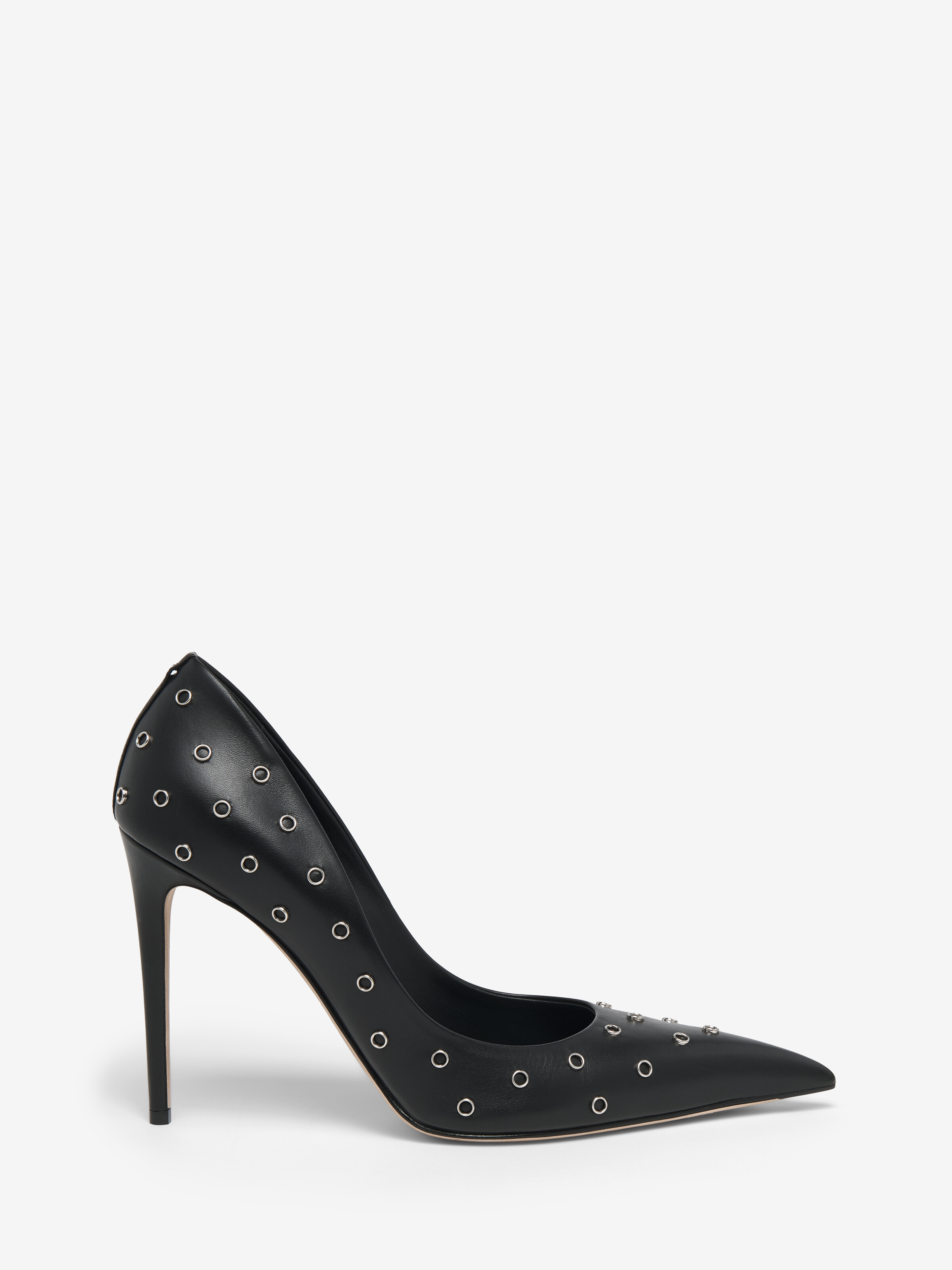
Shoes: the Tread Slick boot, chunked and lugged, starts at €690. The Curve stiletto, which has appeared in various iterations since Burton's tenure, runs €750 to €950 depending on material. McQueen's footwear tends to be either aggressively chunky or aggressively sharp. There is little middle ground, which is either clarifying or limiting depending on how you dress.
What to know before you buy
McQueen sizing runs slim, particularly in tailoring and knitwear. If you are between sizes, go up. The house uses European sizing, and a 40 fits more like a UK 8 than a 10. Leather goods are true to size, but the structured bags do not compress, so if you carry more than a phone, keys, and a cardholder, check the internal dimensions before committing.
The resale market for McQueen is active but uneven. Runway pieces from the Lee McQueen era command high prices and often sell quickly, particularly anything from The Widows of Culloden, Sarabande, or Plato's Atlantis. Burton-era pieces are more accessible, though certain items—the 2011 lace gowns, the knuckle bags, the embroidered biker jackets—have appreciated. McGirr's work has not yet entered the resale conversation in a meaningful way, which makes it difficult to predict what will hold value.
Authentication matters. McQueen has been widely counterfeited, especially the skull scarves and the Jewelled Satchel. Check the stitching, the weight of the hardware, and the typeface on interior labels. If buying secondhand, ask for proof of purchase or photographs of the interior construction. Reputable resale platforms—Vestiaire, The RealReal—have authentication services, but they are not infallible.
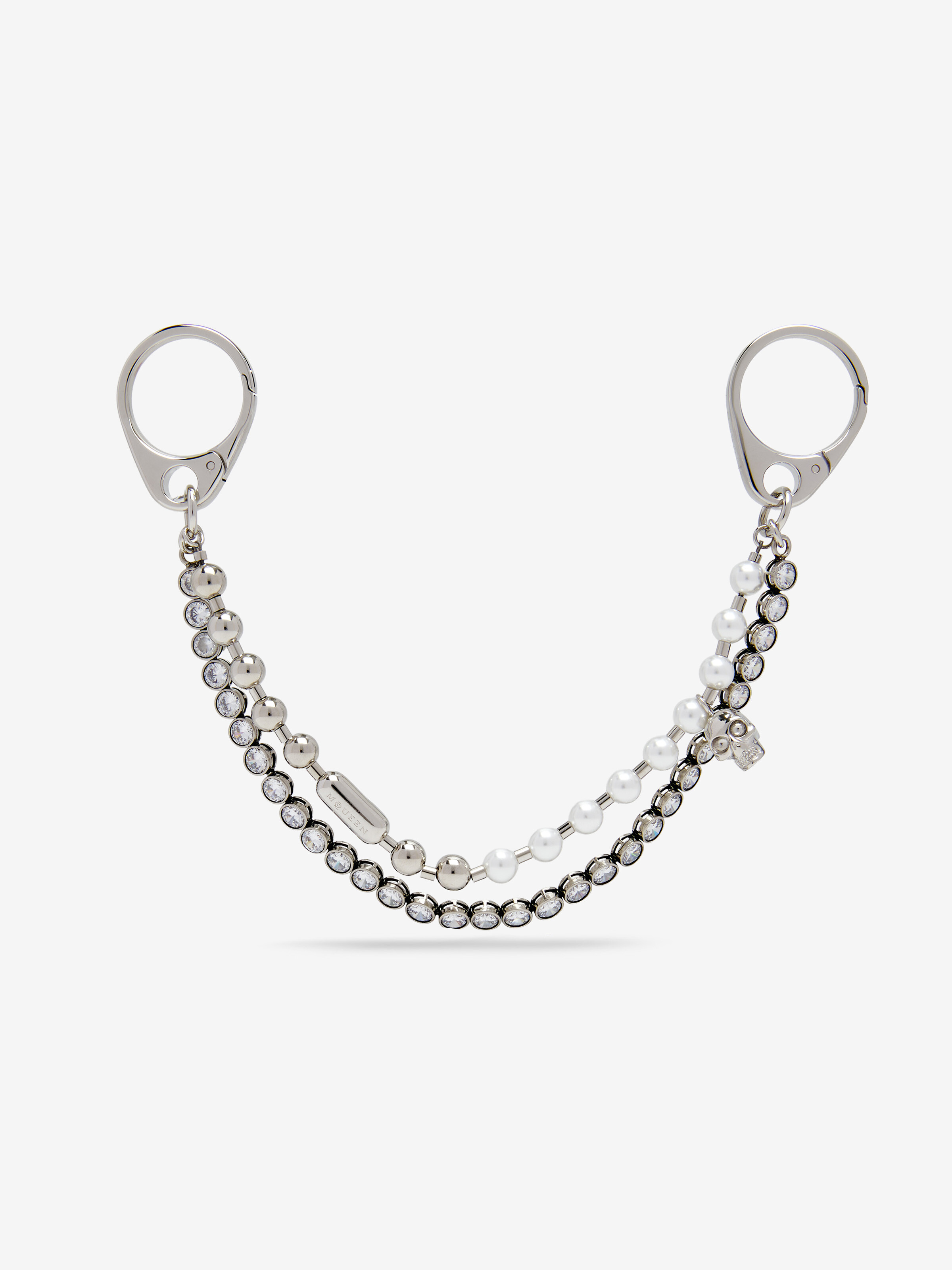
One last thing: McQueen does not do basics. Even the simplest pieces—a black wool blazer, a plain leather belt—carry some detail that marks them as McQueen. A sharper lapel, a slightly lower button stance, a skull charm where you'd expect a logo. This is either the reason to buy or the reason to walk away. If you want something that disappears into your wardrobe, this is not the house for it.
Where the house stands now
McGirr's first few collections have been met with cautious interest. The tailoring is sharp, the references to the archive are clear, but there is not yet a singular vision. That may come. It may not. What remains consistent is the house's commitment to craft—the atelier still produces some of the most technically accomplished garments in Paris—and its refusal to soften into something easier.
For someone beginning with McQueen, that means starting with a piece that does one thing well. A Curve bag in black leather. A pair of Tread boots. A tailored blazer from the pre-fall collection, which tends to be more wearable than the runway offering. Not the skull scarf, not yet. That comes later, when you know what you are trying to say.
There is a photograph from McQueen's spring 1999 show, a model in a white dress standing in a glass box as two robotic arms spray yellow and black paint across the fabric. The dress is ruined, or completed, depending on how you see it. That tension—between control and chaos, between the made thing and the destroyed thing—is what McQueen has always been about. You cannot wear it halfway.