Burberry : histoire d'une maison
The trench coat hangs in the archive room at Horseferry House, sleeves creased at the elbow, collar still holding its shape. It is dated 1918. The gabardine is stiff, waterproof, breathable. A British officer wore it in the trenches of the Somme. The coat has outlived him by more than a century.
Burberry did not start with fashion. It started with weather.
Gabardine and empire
Thomas Burberry opened a draper's shop in Basingstoke in 1856. He was twenty-one. The shop sold outdoor clothing, which at the time meant heavy waxed canvas or rubberised cotton — fabrics that kept water out but trapped sweat in. Burberry wanted something better. By 1879, he had it: gabardine, a tightly woven twill treated before weaving, not after. The fibres swelled when wet, sealing the weave. Air could pass through. Water could not.
The fabric found its market quickly. Burberry outfitted polar explorers, aviators, officers. Roald Amundsen wore gabardine to the South Pole in 1911. The British War Office commissioned a waterproof coat for trench warfare in 1914. That coat — belted, double-breasted, with storm flaps and D-rings for grenades — became the trench coat. By 1918, it was regulation issue. By 1920, it was available to the public.
The house never had to invent its iconography. It inherited it from function.
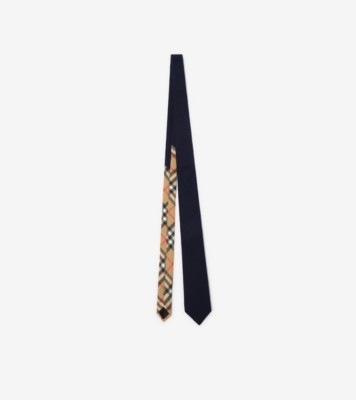
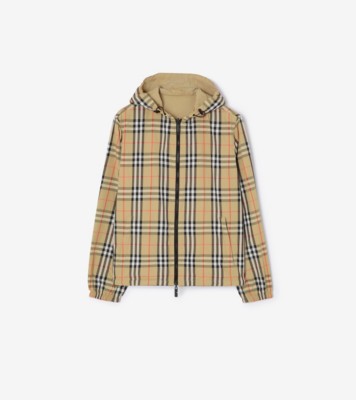
The check appeared in the 1920s as a lining, a flash of camel, red, black, and white visible only when the coat was open or the collar turned up. For fifty years, it stayed inside. In 1967, Burberry began using the check on umbrellas, scarves, and luggage. By the 1970s, it was the house signature. By the 1990s, it was everywhere.
The check and its consequences
The Burberry check became too successful. In the early 2000s, it appeared on baseball caps, bikinis, dog collars, counterfeit goods stacked in market stalls across Europe and Asia. The pattern moved faster than the house could control it. British tabloids began associating the check with a particular kind of excess — football hooligans, soap opera actors, a specific flavour of celebrity that the luxury industry calls 'aspirational' in private and avoids in public.
Burberry's response was slow, then severe. The house pulled the check back. In 2006, it appeared on less than 10 percent of the collection. Christopher Bailey, who had joined as design director in 2001 and became chief creative officer in 2009, rebuilt the house around heritage pieces: the trench, the pea coat, tailored separates in navy and camel. He opened the archive to journalists, emphasised craftsmanship, staged shows in purpose-built structures that were dismantled the next day.
Bailey also made Burberry digital before digital was doctrine. The brand live-streamed its runway shows in 2010, when most houses still treated them as trade events. It sold pieces directly from the runway in 2011. It opened a flagship on Regent Street in 2012 with screens that recognised customers' purchases and played tailored content. The strategy worked. By 2013, Burberry was the most digitally engaged luxury brand in the world, according to L2's annual index, and its revenue had nearly doubled since Bailey took over design.
But the trench coat remained the centre. Bailey showed it in metallics, in lace, in shearling and python. He deconstructed it, reconstructed it, turned it into eveningwear. The silhouette never changed. The trench is not a garment you improve. It is a garment you reference.
Daniel Lee and the reset
When Daniel Lee arrived in 2023, he did not touch the trench. He left it exactly where it was. What he changed was everything around it.
Lee came from Bottega Veneta, where he had spent four years turning the house into the quietest, most commercially successful reinvention in recent luxury. His first collection for Burberry, shown in February 2023, stripped the runway to concrete and steel. The clothes were sharp, urban, built around outerwear. There were parkas with exaggerated hoods, leather bombers cut close to the body, tailored coats with sleeves that extended past the wrist. The palette was navy, black, grey, camel. The check appeared twice: once as a scarf, once as a lining. Lee was not rejecting the archive. He was choosing which parts of it to amplify.
He also introduced a new logo. The Burberry wordmark, set in a serif designed by Peter Saville in 2018, was replaced by the original equestrian knight logo from 1901. The shift was deliberate. Lee wanted heraldry, not typography. He wanted an emblem that could sit on a leather jacket or a nylon parka without looking like branding.
The collections that followed moved further into function. Lee showed climbing harnesses, cargo pockets, technical fabrics. He referenced British subcultural dress — mod parkas, skinhead Harringtons, football casuals in cagoules — but he did not pastiche it. The clothes were too precise for nostalgia. A quilted bomber from his spring 2024 collection weighed 310 grams. The shell was bonded nylon. The lining was mesh. It packed into its own pocket. This is not the kind of detail you include for effect.
Lee has also leaned into leather. His autumn 2024 show opened with a run of shearling coats and leather trousers, all in tonal browns and blacks. The leather was thick, broken in, worn at the edges. It looked like it had a previous life. Burberry has always made leather goods, but Lee is treating leather as fabric, not accessory. The distinction matters.
Where the house stands
Burberry is not in crisis, but it is also not settled. Lee's vision is clear, but the market is slower to respond than the press. The house reported a 4 percent decline in comparable store sales in the third quarter of 2024. Analysts attributed it to weak demand in China and a consumer base still adjusting to Lee's aesthetic. The trench coat still sells. The new pieces take longer.
But Burberry has always been a house built for the long term. Gabardine took a decade to find its market. The check took fifty years to move from lining to logo. Lee has been in the role for two years. The work is not finished.
What is visible now is a house that knows what it is. Burberry makes outerwear for weather, for cities, for people who walk. It makes clothes that last because they were designed to. The trench coat in the archive at Horseferry House is 106 years old. The gabardine is still waterproof. The collar still holds its shape. That is not heritage. That is engineering.