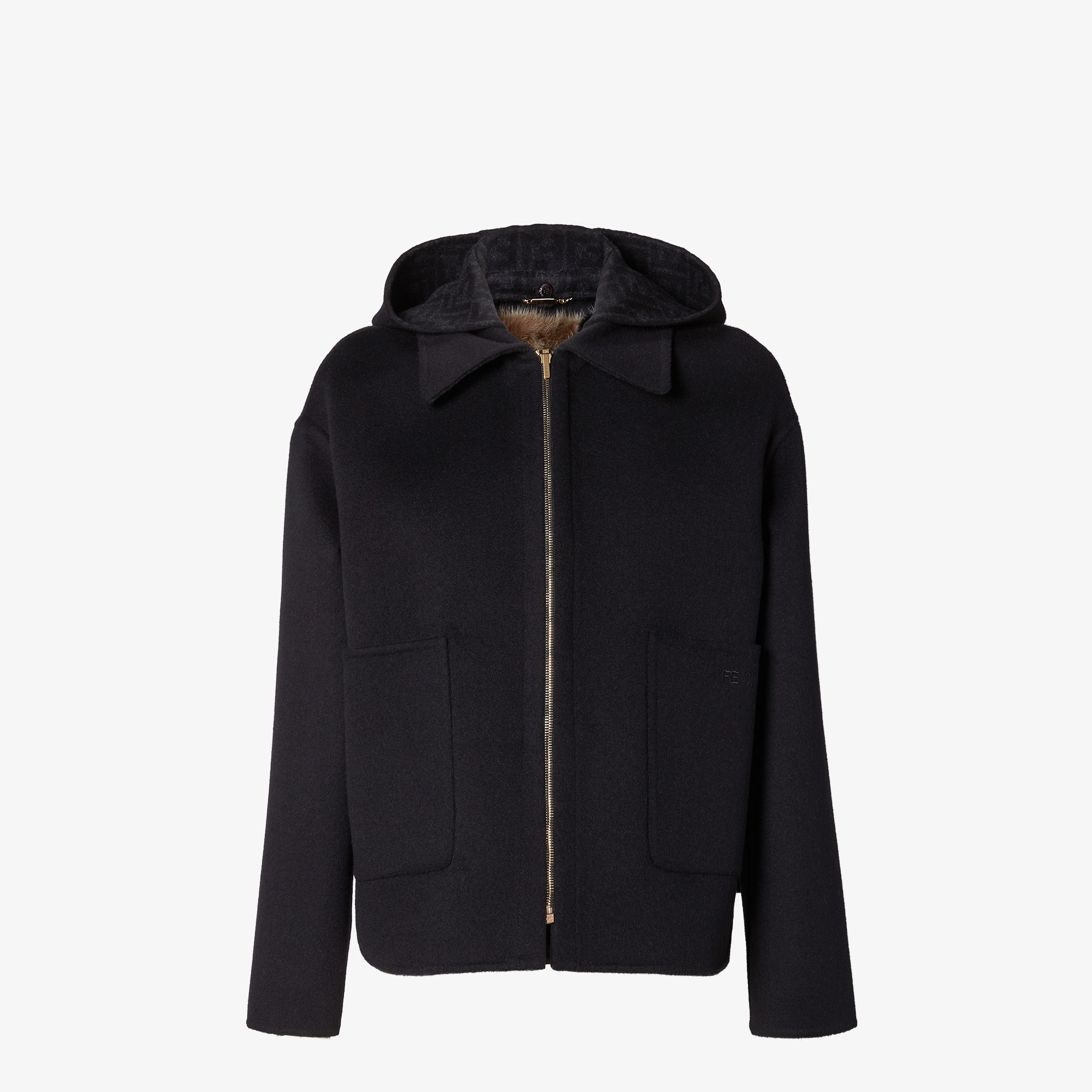
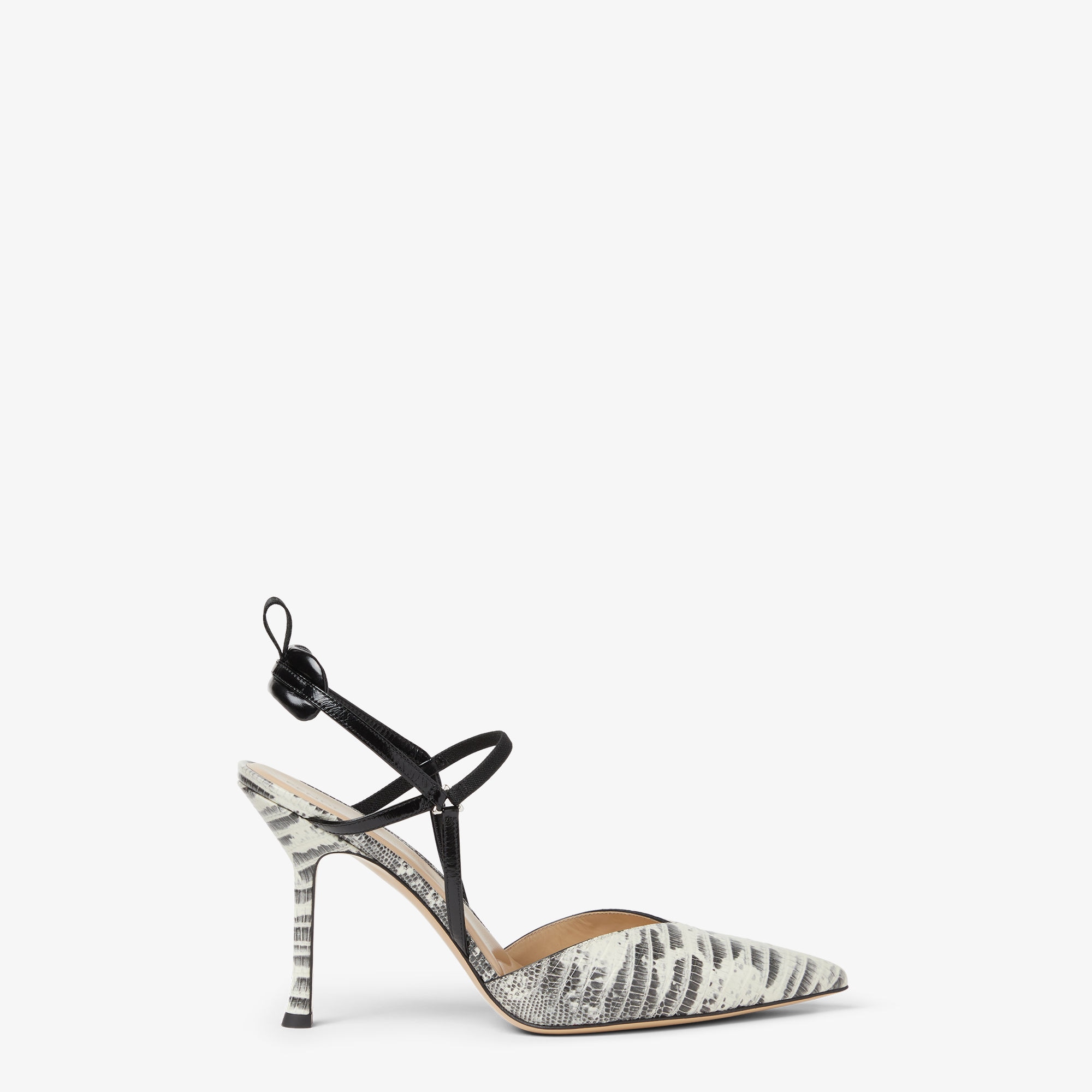
Fendi aujourd'hui : où en est la maison
The Baguette arrived at the Paris showroom last September with a new clasp—titanium, brushed, slightly heavier than the brass iteration that's been standard since 2019. No press release mentioned it. The buyers noticed. It's the kind of shift that doesn't register as news but lands as signal: someone is paying attention to the wrong things, or the right ones, depending on how you read Fendi's position in 2025.
The house sits in a strange interregnum. Not crisis, not triumph. Revenues hold. The Peekaboo still moves. But the temperature has dropped half a degree, and in luxury, half a degree is the difference between momentum and maintenance.
Fondation et montée
Fendi opened in 1925 as a fur and leather atelier on Via del Plebiscito. Adele and Edoardo Fendi ran it as a Roman workshop with the unshowy pragmatism typical of inter-war Italian craft businesses. Furs for the bourgeoisie, repairs, bespoke commissions. The five daughters—Paola, Anna, Franca, Carla, Alda—entered the business in the Fifties and turned what had been a competent local operation into something scalable.
Karl Lagerfeld arrived in 1965. He was twenty-nine. The brief was furs, but what he actually did was invent a vocabulary: inlaid mink, shaved sable, leather treated to read as textile. He gave them the double-F logo in 1965, a piece of graphic work so efficient it's outlasted three ownership structures and three decades of his own tenure at Chanel. Fendi became the place where fur was technique, not just material. Lagerfeld stayed for fifty-four years. That longevity is not normal. It created a house with no aesthetic whiplash, no chapter breaks. Just accumulation.
Silvia Venturini Fendi, Adele's granddaughter, joined in 1994. She took accessories and menswear. The Baguette launched in 1997—a bag designed not as an icon but as a template, something you could produce in forty versions a season without diluting the shape. It became iconic anyway, which is rarer than it sounds. The Peekaboo followed in 2009, more structured, less referential. By the time LVMH took full control in 2001, Fendi had two pillars: Lagerfeld doing ready-to-wear and fur spectacle, Silvia doing the objects that actually paid for it.
L'ère Kim Jones
Lagerfeld died in February 2019. The house appointed Kim Jones to women's couture and ready-to-wear six months later. Silvia stayed on accessories and menswear. It was a clean division of labour, and it has remained one.
Jones is not a bad designer. He is a very good collaborator and a superlative image-maker. At Fendi, he has done what he does: pulled in artists, referenced the archive, delivered runway shows that photograph cleanly and generate the requisite social impressions. His first collection leaned on the Karligraphy motif, a Lagerfeld sketch turned into logo jacquard. It worked as branding. It was less clear what it said about Jones.
The couture shows are where he takes the most risk, which is to say the least. Fendi couture under Jones feels like a demonstration of access—access to the atelier, to archival furs, to the kind of craft that exists because LVMH can afford to subsidise it. The clothes are accomplished. They don't propose much. You watch a model in a fur-trimmed column dress with intarsia leather panels and think: yes, this is what couture looks like when a house wants to prove it still does couture.
The ready-to-wear has settled into a rhythm. There are the Baguette variations, the logo knits, the shearling coats that cost €8,000 and look like €4,000 until you touch them. There are collaborations: with Marc Jacobs, with Donatella Versace, with Kim's own back catalogue of references. The collections are competent, wearable, and not particularly urgent.
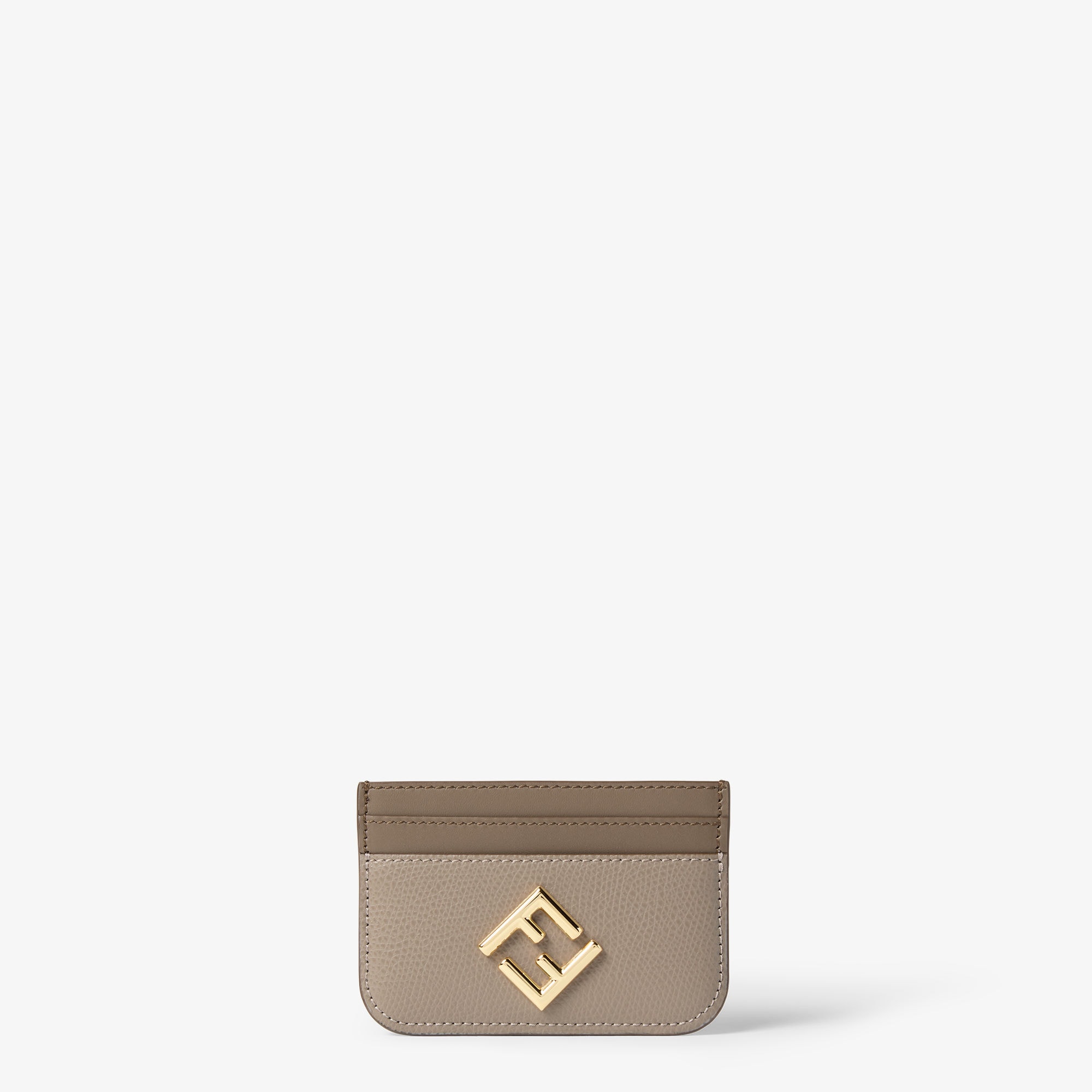
Silvia's accessories remain the sharper instrument. She has continued to iterate on the Peekaboo, the Baguette, and the First—adding hardware, adjusting proportions, releasing limited runs that sell through before they reach the website. Her menswear is quiet and moves volume. She understands that Fendi's strength is not in making statements but in making objects people want to use.
Où en sommes-nous
Fendi's financials are not published separately, but LVMH's fashion and leather goods division grew eleven per cent in 2023, and analyst notes suggest Fendi contributed at the lower end of that range. The brand is not struggling. It is also not accelerating. The Peekaboo and Baguette continue to perform in Asia-Pacific, particularly in China, where logo-forward accessories still command pricing power. The ready-to-wear is softer. Multi-brand retailers report that Fendi moves at markdown more than it used to.
The Rome flagship on Largo Goldoni reopened in 2024 after two years of renovation. It is beautiful in the way LVMH flagships are beautiful: all travertine and brass vitrines and lighting design that makes a shearling bomber look like devotional sculpture. It does not feel urgent. It feels like a house that knows what it is and has decided that is enough.
The question is whether enough is enough. Fendi does not have a Dior-scale ready-to-wear engine. It does not have Loewe's curatorial heat or Bottega's object obsession. It has two very good bags, a couture atelier, and a menswear line that sells but does not define. The brand identity rests on heritage and material mastery—fur, leather, the Roman codes—but those references feel increasingly like maintenance rather than proposition.
Jones has not moved the needle the way LVMH likely hoped he would. His work is polished, commercial, and oddly inert. There is no narrative tension. You cannot point to a Jones-era Fendi collection and say: this is where the house turned. Silvia's accessories provide stability, but accessories alone cannot carry brand heat in 2025. You need a point of view in the clothes, and Fendi's point of view right now is: we are Fendi, we do this well, please continue buying.
The risk is not collapse. The risk is drift. Fendi has enough equity and enough infrastructure to remain profitable for years without doing anything particularly interesting. LVMH is patient with its Italian houses; it kept Emilio Pucci on life support for two decades. But patience is not the same as momentum, and Fendi is currently a house that is being managed rather than propelled.
Ce qui reste
There is a corner table at Pierluigi, near Campo de' Fiori, where Silvia Venturini Fendi still takes meetings during Rome collections. She orders the same thing—crudo, no wine—and runs through samples with the accessories team. The bags arrive in dust covers, are placed on the banquette, examined under daylight that is less forgiving than any showroom. A clasp gets tested fifty times. A strap is too stiff by two millimetres. The bags go back.
This is what Fendi still does better than most: it makes things correctly. The leather is sourced right, the construction holds, the hardware does not tarnish. You can use a Peekaboo hard for five years and it will look like an object that has been used, not one that has failed. That is not a small thing. But it is also not a reason to pay attention if you are not already paying attention.
Fendi is a house in maintenance mode, waiting for someone to decide what happens next. The question is whether that someone is inside the building or still to arrive.