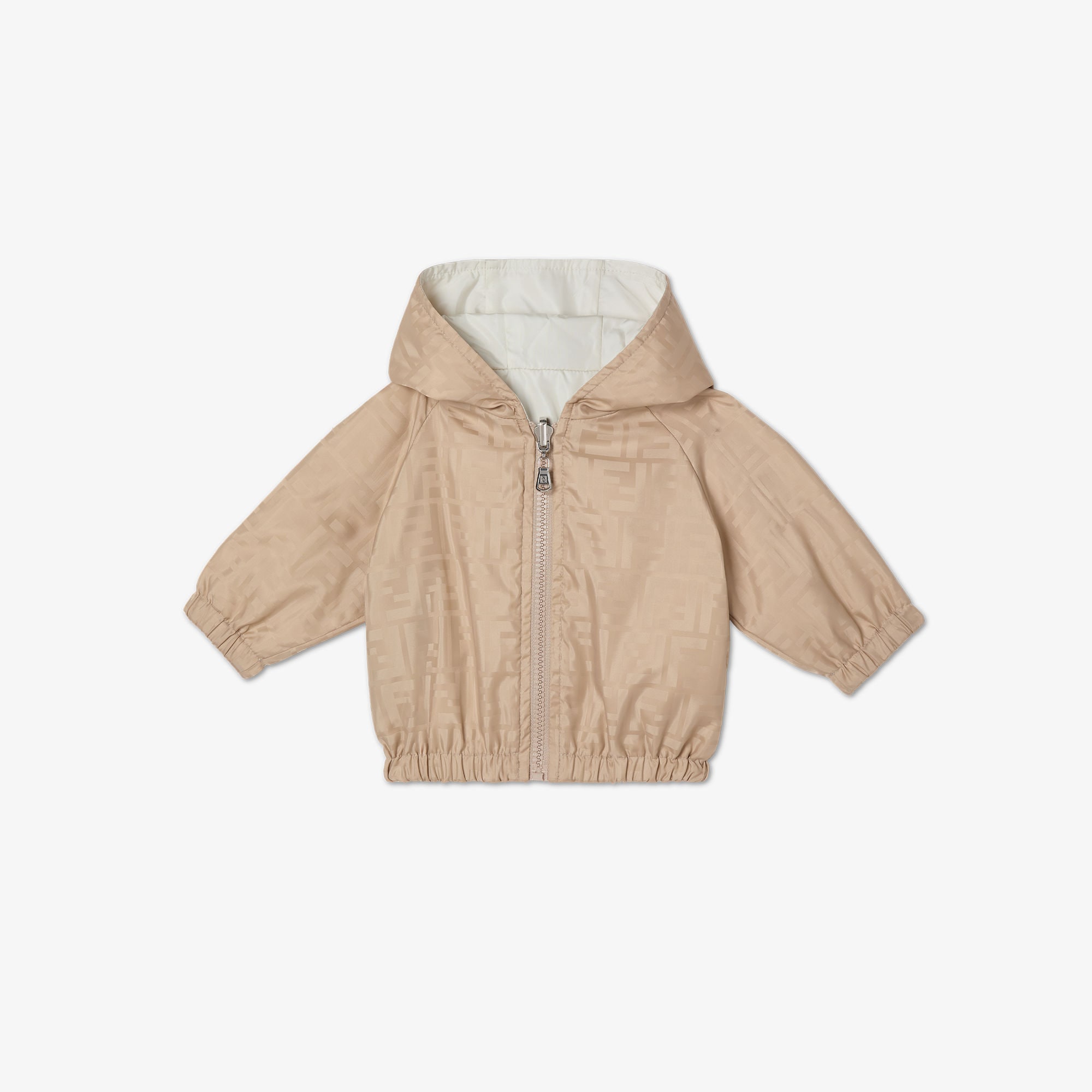
Fendi pour celles qui débutent
The Baguette arrived in 1997 with a name borrowed from the way Parisian women carry bread — tucked under one arm, close to the ribs. Silvia Venturini Fendi designed it as a small, flat shoulder bag with a short strap and a flap closure. Within two seasons, it had moved from the runway to the arm of every third woman on the Via Condotti. The bag was not revolutionary. It was, arguably, the opposite: a simple idea executed with enough variation — python, beading, embroidery, logo jacquard — to sustain desire across dozens of iterations. That logic still governs much of what Fendi does well.
For those approaching the house now, the question is not whether Fendi matters — it does, commercially and creatively — but where to begin. The catalogue is broad. The price bands stretch from four-figure leather goods to six-figure fur coats. The creative direction, under Kim Jones since 2020, leans into archive codes while pushing toward a younger, streetwear-adjacent customer. It can feel, at first glance, like two houses occupying the same space. In some ways, it is.
Fondation et montée
Fendi began in 1925 as a leather and fur workshop on Via del Plebiscito in Rome. Adele Casagrande opened it with her husband, Edoardo Fendi, whose surname the business adopted. Their five daughters — Paola, Anna, Franca, Carla, Alda — eventually took over, running the house collectively through the latter half of the twentieth century. That structure, rare in Italian fashion, shaped the brand's identity: pragmatic, family-driven, attuned to what women actually wanted to carry and wear.
In 1965, the sisters hired a twenty-seven-year-old Karl Lagerfeld to design furs. He stayed for fifty-four years. His early work inverted the category's conventions — he treated fur like fabric, slicing it thin, dyeing it in acidic colours, weaving it with leather and canvas. The approach was irreverent, technically demanding, and commercially successful. By the 1980s, Fendi's fur atelier was producing pieces that read as fashion, not as wealth signalling. The distinction mattered.
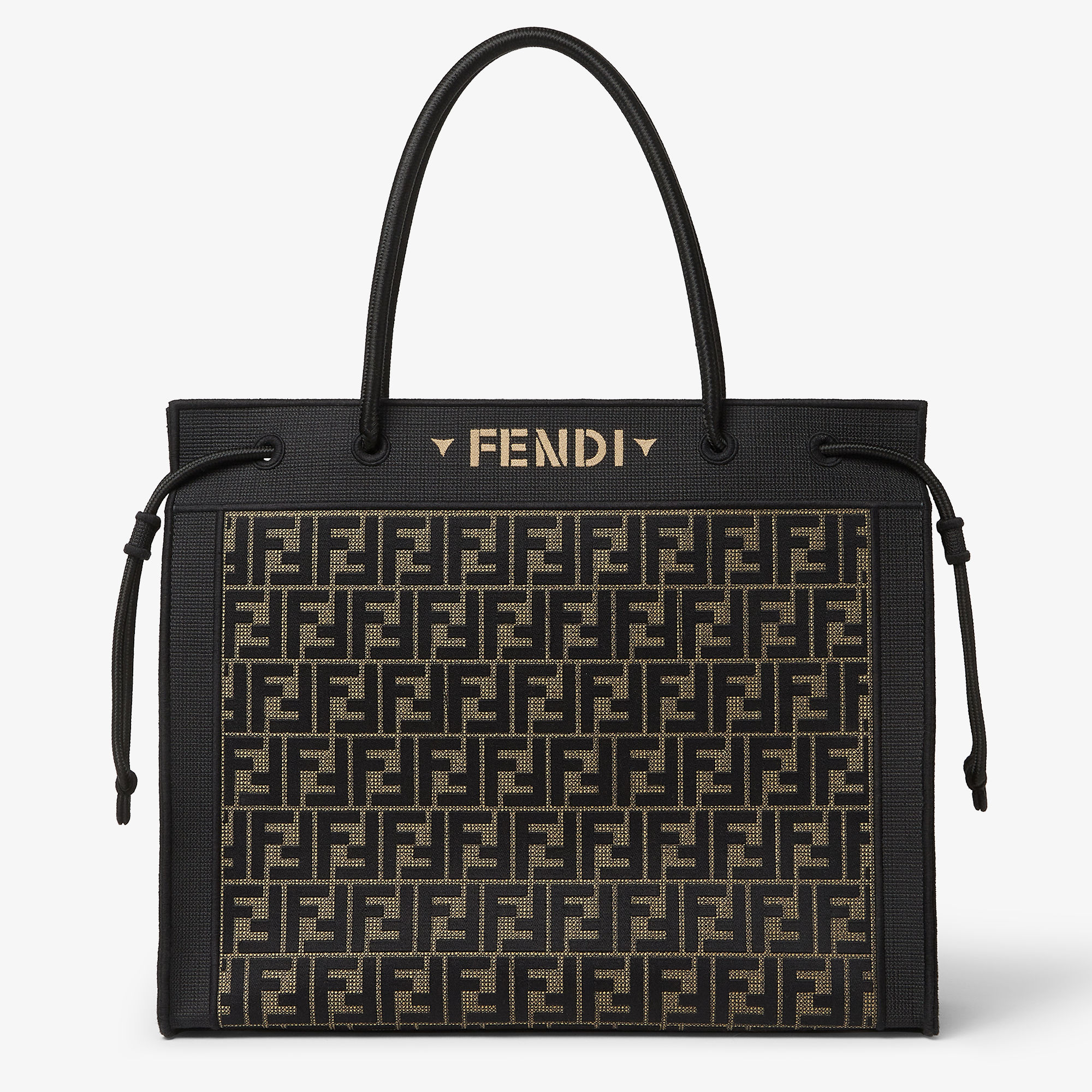
Lagerfeld also designed the double-F logo in 1965, a mark that would become one of the most recognisable in the industry. Originally intended for linings, it migrated to hardware, then to fabric, and eventually to the exterior of bags and ready-to-wear. The Zucca print — that all-over FF monogram canvas — emerged in the 1990s and became shorthand for the brand during the logomania wave. Some find it garish. Others consider it essential. Both are correct.
L'ère Baguette et l'héritage Venturini Fendi
Silvia Venturini Fendi, granddaughter of the founders, joined the house in 1994 and took over accessories and menswear. The Baguette, launched three years later, was her first major success. It was not the first logo bag, nor the first status bag, but it arrived at a moment when both impulses converged. The bag was small enough to feel personal, varied enough to collect, and legible enough to signal taste — or at least spending power — from across a room.
The Baguette's structure is straightforward: a rectangular body, a flap with a turn-lock or magnetic closure, and a single shoulder strap. The variations come from material and hardware. Fendi has produced versions in crocodile, mink, sequins, denim, and embroidered silk. Some feature the FF logo prominently; others rely on texture or colour. Prices range from around €2,400 for a basic leather version to well over €10,000 for exotic skins. The secondhand market is robust, particularly for early-2000s editions.
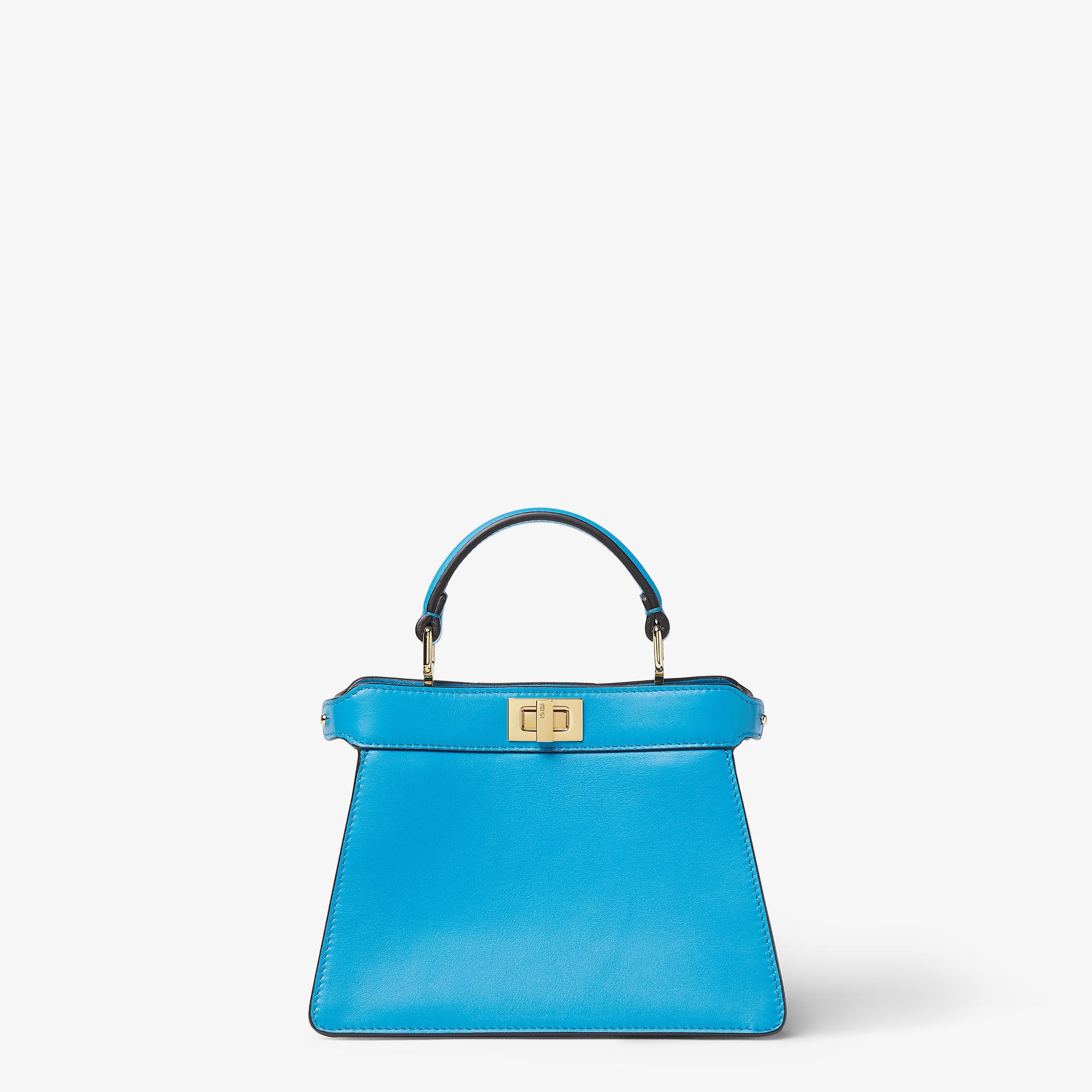
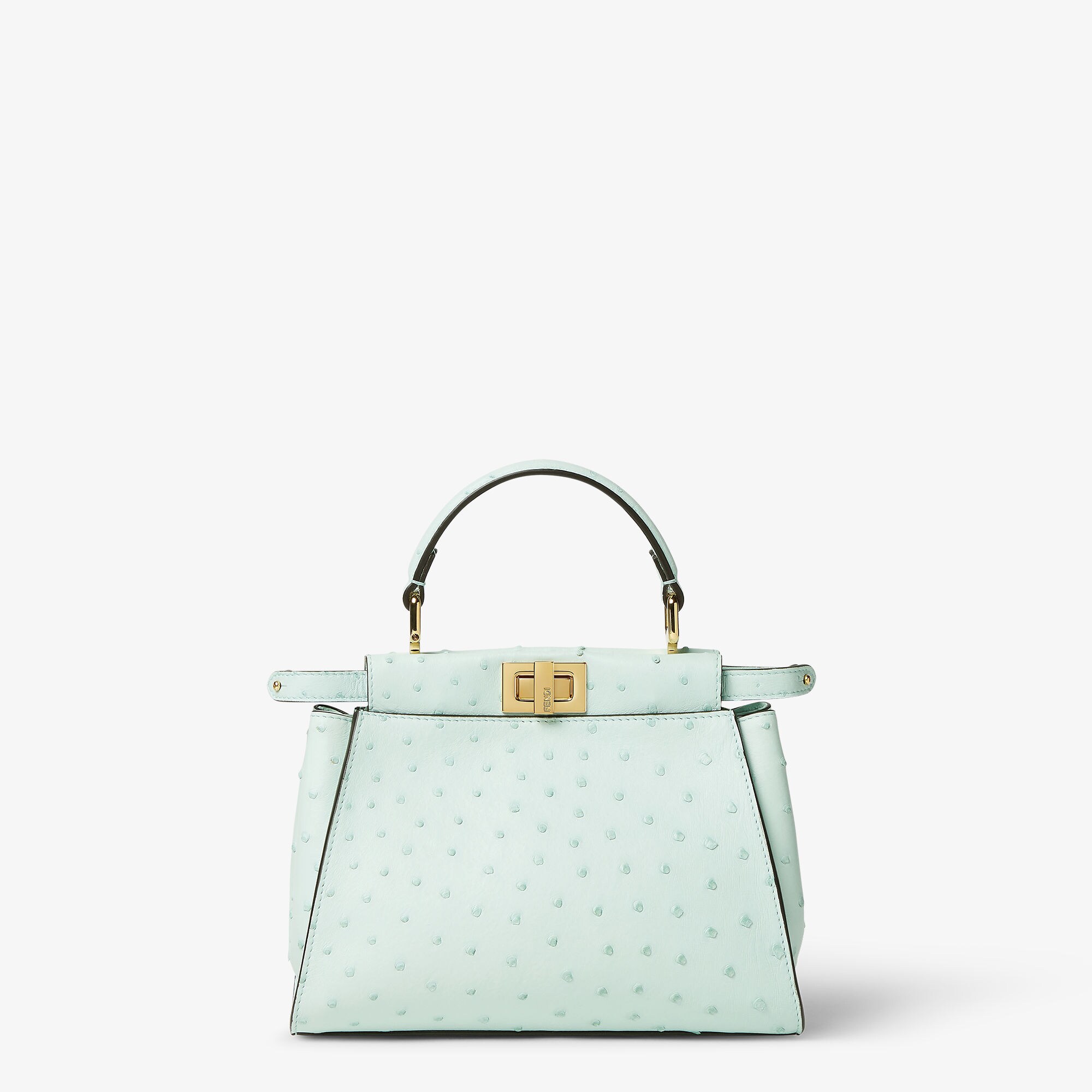
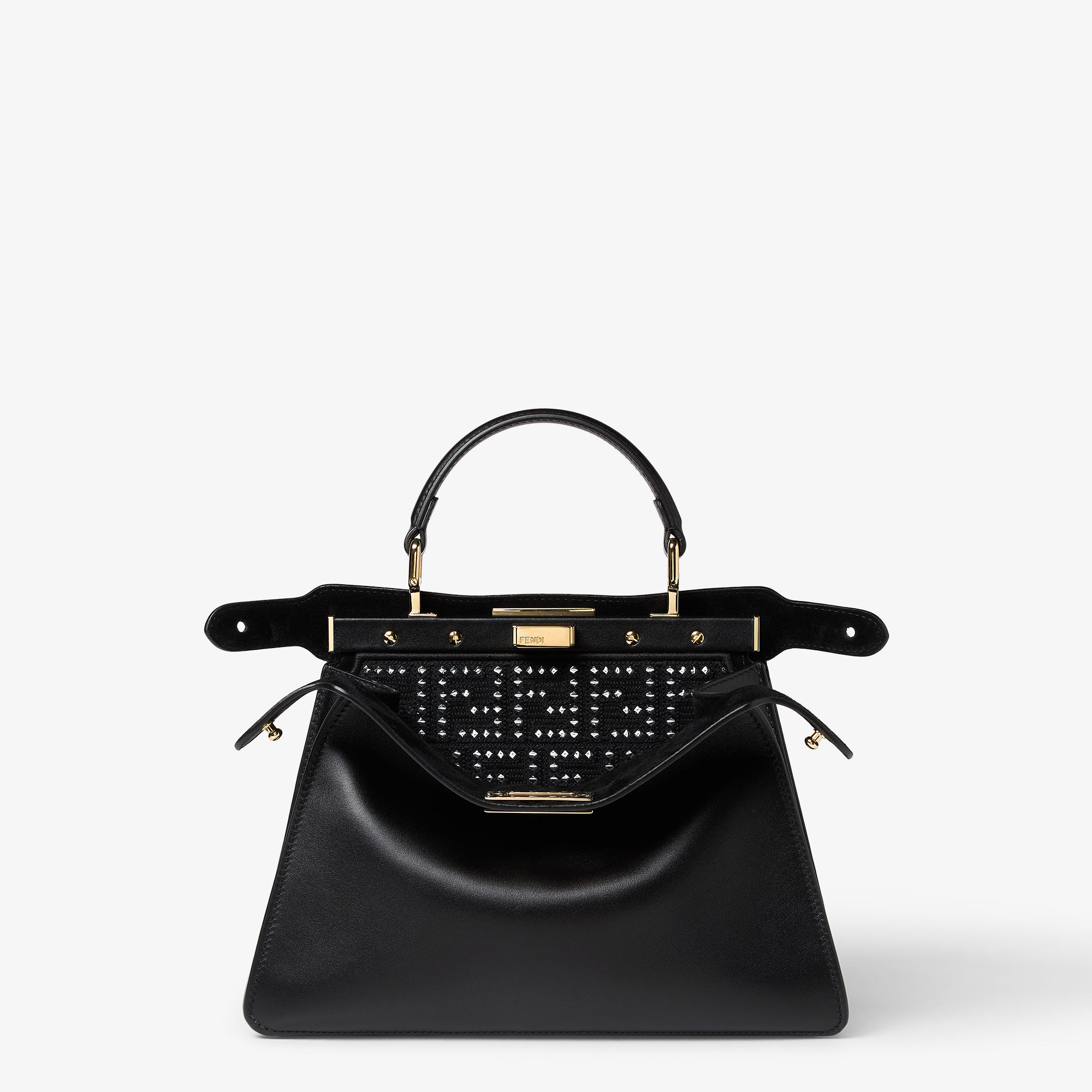
Venturini Fendi remains at the house, now focusing on accessories, leather goods, and kidswear. Her influence is quieter than Lagerfeld's was, but no less consequential. She understands that a bag must function before it signifies. The Peekaboo, introduced in 2008, is another example: a structured tote with a twist-lock closure and a divided interior. It reads as professional without being stiff, and it has aged better than many of its peers from that era.
Kim Jones et la direction actuelle
When LVMH appointed Kim Jones as artistic director of womenswear and couture in 2020, the move surprised few who had followed his work at Louis Vuitton and Dior Men. Jones is a collaborator by instinct — he works with artists, musicians, and other designers to expand a brand's reach without diluting its core. At Fendi, that has meant partnerships with Donatella Versace, Marc Jacobs, and Porter, among others. The results are uneven, but the strategy is clear: keep the conversation moving.
Jones's ready-to-wear leans into tailoring and outerwear, often with a sportswear inflection. He uses technical fabrics alongside traditional wools and silks, and he references both the Fendi archive and his own design history. The clothes are wearable, occasionally adventurous, and priced at the upper end of contemporary luxury. A wool coat might start around €3,500; an embellished evening piece can exceed €15,000. For those entering the brand through ready-to-wear, the advice is to look at the tailoring first. The suits and coats are where Fendi's atelier skill shows most clearly.
Jones has also revived the Baguette, releasing new versions in collaboration with artists and reissuing archival styles. Some see this as savvy brand management; others view it as a retreat into nostalgia. Both readings have merit. What is certain is that the Baguette, twenty-seven years after its debut, still moves product.
Points d'entrée — ce qu'il faut savoir avant d'acheter
For those beginning with Fendi, the most accessible entry is through small leather goods. Card holders start around €250, wallets around €450. The quality is consistent — full-grain calfskin, clean stitching, hardware that closes with a satisfying click. These pieces will not announce themselves, but they will last.
The next tier is the Baguette or Peekaboo in a standard leather. Expect to spend between €2,400 and €3,800, depending on size and finish. Both bags have been in production long enough that the construction is refined and the resale value is stable. If you are drawn to logo-forward design, the Zucca canvas versions are cheaper — around €1,800 — but they date more quickly. Consider whether you want a bag that will read as current in five years or one that will read as a specific moment.
Fendi's ready-to-wear is harder to generalise. The range is wide, and the seasonal collections vary in coherence. If you are buying off the runway, focus on outerwear and knitwear. A shearling coat or a cashmere sweater will carry the house's craft more clearly than a logo T-shirt. Prices for knitwear start around €800; coats begin near €3,000 and climb steeply from there.
Fur, historically Fendi's foundation, is now a smaller part of the business. The house stopped using animal fur in its collections as of 2023, pivoting to faux fur and other materials. This shift reflects both regulatory pressure and changing consumer sentiment. Whether it diminishes Fendi's identity or simply redirects it is still being determined.
One should also mention the FF logo. It is everywhere — on bags, belts, scarves, sunglasses, even socks. For some, this ubiquity is part of the appeal. For others, it is a reason to look elsewhere. The logo is not subtle, and it is not meant to be. If that conflicts with your idea of discretion, Fendi may not be the right house. If it does not, the options are nearly infinite.
Ce qui demeure
There is a photograph, often reproduced, of the five Fendi sisters standing in their atelier in the 1980s. They are dressed simply — skirts, blouses, minimal jewellery — and they are surrounded by bolts of fabric and half-finished garments. The image conveys competence, not glamour. It suggests a business run by people who understood both craft and commerce, who knew that a seam had to lie flat before it could signify anything.
That sensibility persists, though the scale has changed. Fendi is now part of LVMH, the largest luxury conglomerate in the world. The atelier is still in Rome, but the decisions are made in Paris. The bags are still constructed by hand, but they are also engineered for maximum brand visibility. The tension between craft and commerce has not resolved. It has simply become more visible.
For those beginning with Fendi, the task is to decide which version of the house you are buying into. The one that makes a Baguette in two hundred variations, or the one that still hand-stitches a fur collar at six millimetres a beat. Both exist. Both are real. The choice, as always, is a question of taste.