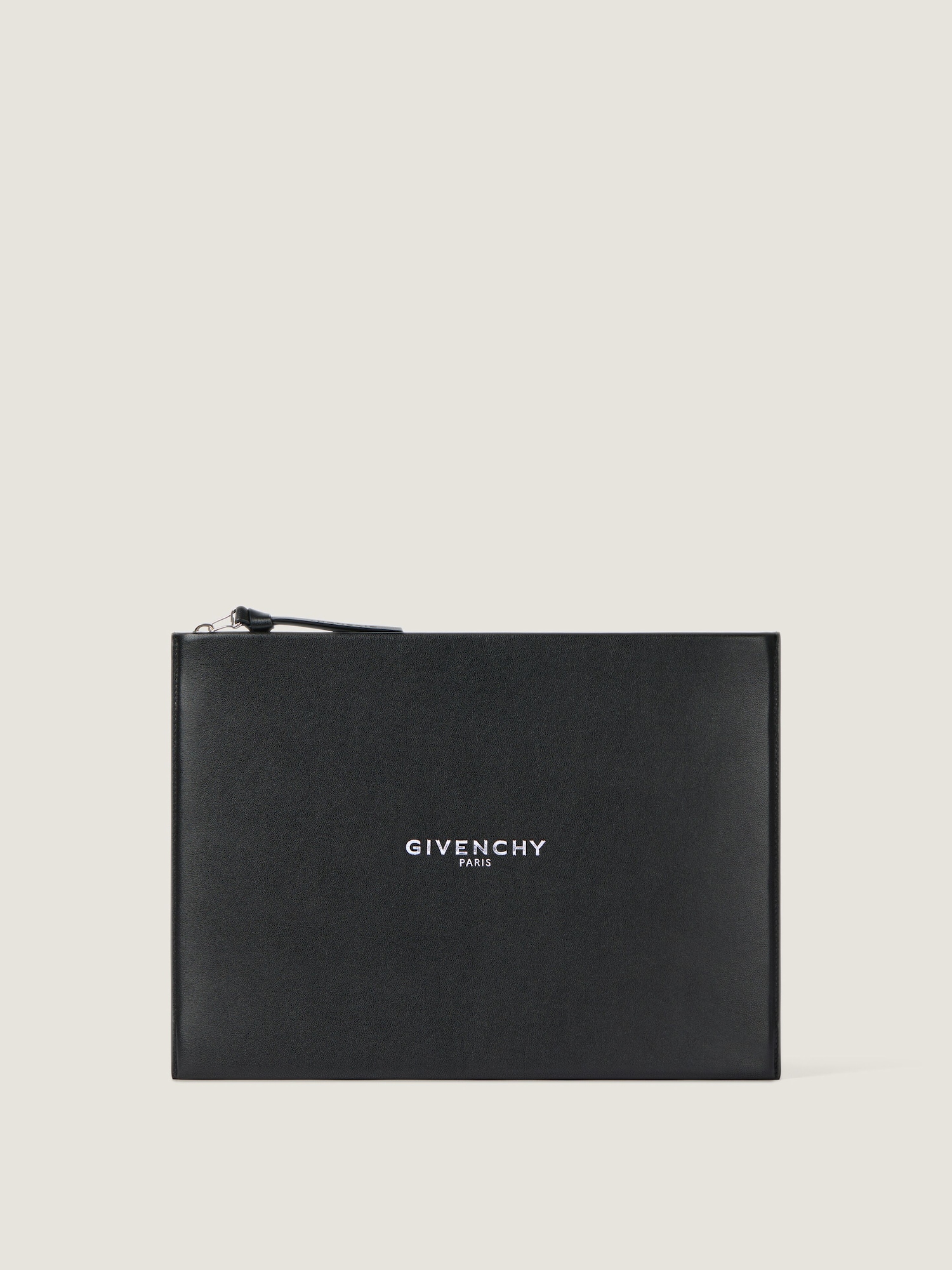
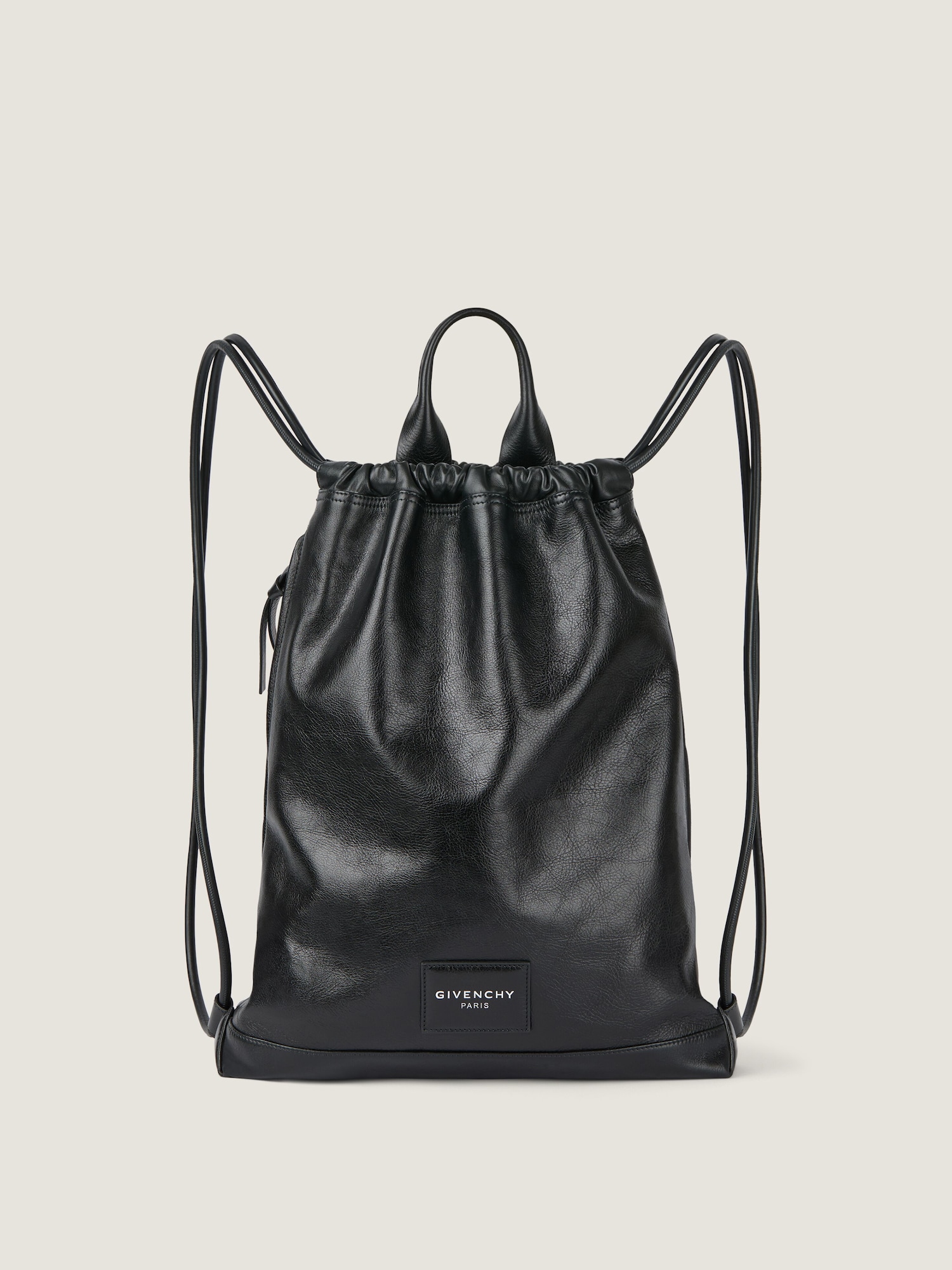
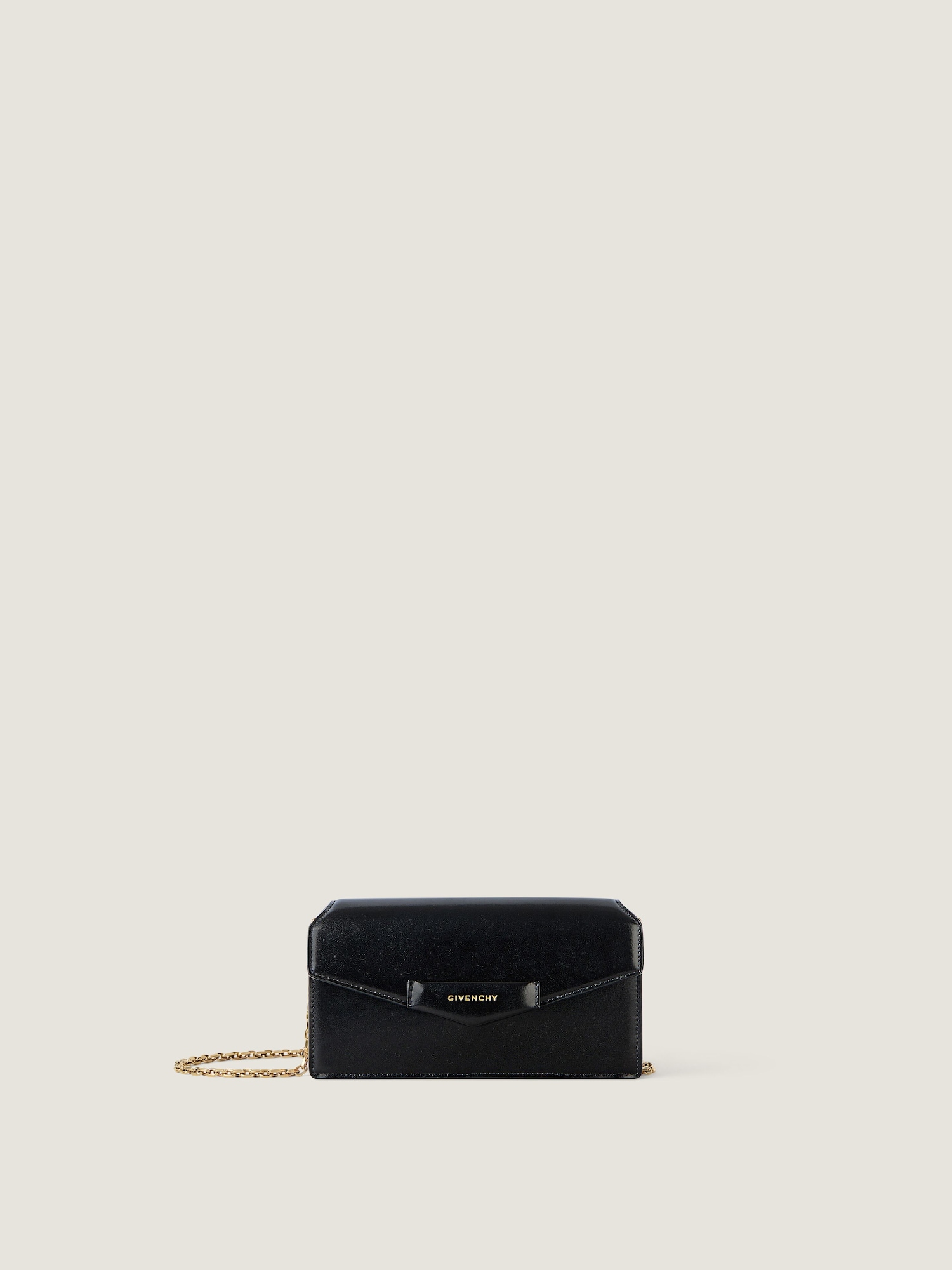
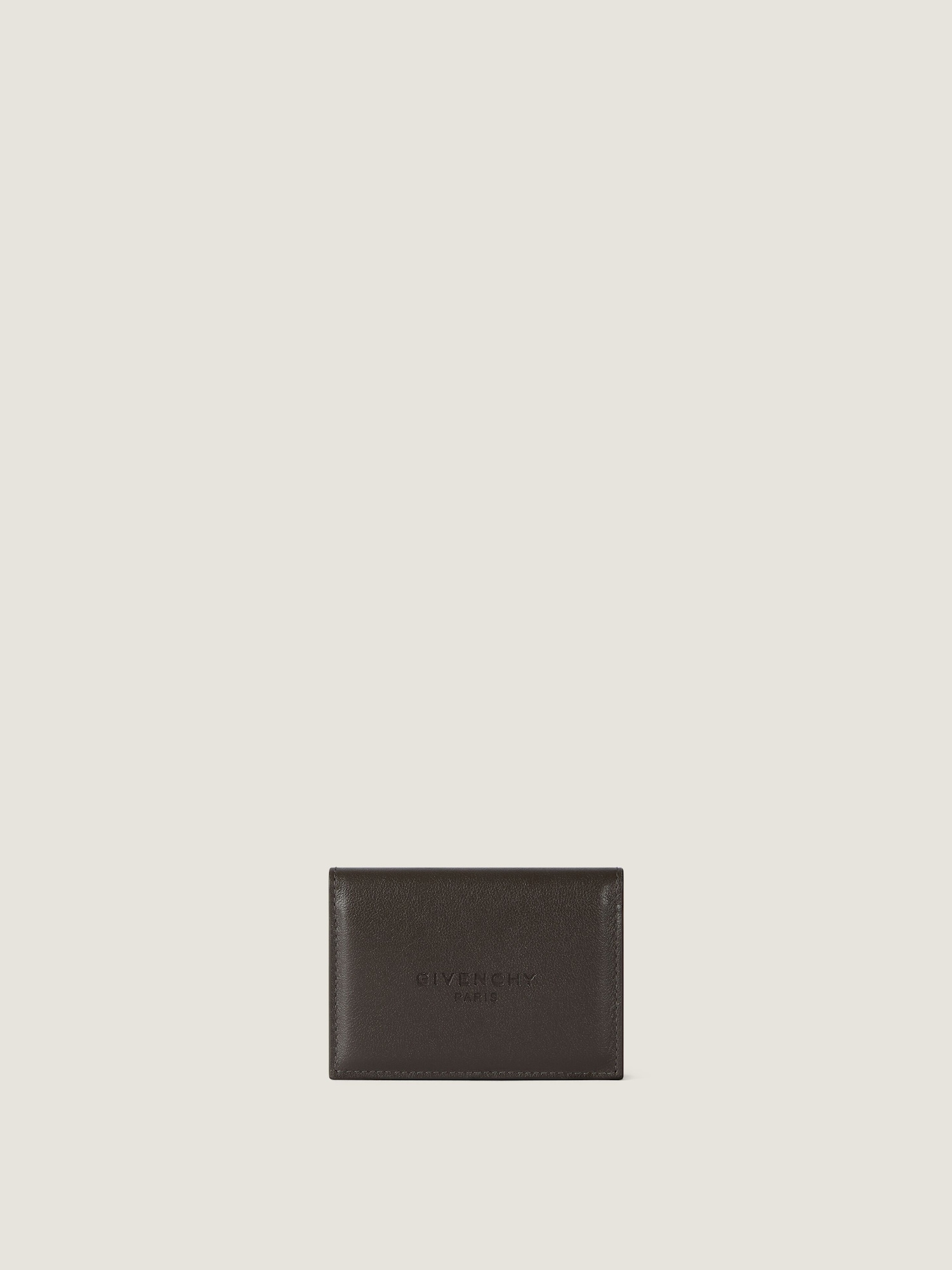
The Antigona bag sits on the shelf at Printemps Haussmann in three sizes, five leathers, and seven colours
The Antigona bag sits on the shelf at Printemps Haussmann in three sizes, five leathers, and seven colours. It has done so, with minor variations, since 2010. Customers know its shape. They know the price. They know what it signals. For Givenchy, this is both anchor and problem.
Hubert de Givenchy opened his atelier on rue Alfred de Vigny in 1952, aged twenty-four. Schiaparelli had just let him go. Balenciaga, whom he revered, told him to strike out alone. His first collection, shown in February of that year, included the Bettina blouse—a cotton shirt with extravagant sleeves that sold in the hundreds. Balmain called it "the chicest thing in Paris." The house built its reputation on this balance: technical rigour beneath an appearance of ease. Givenchy cut a sleeve the way his mentor did, but the silhouette read lighter. Audrey Hepburn wore his clothes because they moved with her, not against her.
The couture era—roughly 1952 to 1988, when Givenchy stepped back—established the house codes. Black and white. Clean line. Architectural volume that never overwhelmed the frame. The little black dress in Breakfast at Tiffany's was Givenchy, though Edith Head took the Oscar. So was the wedding gown Hepburn wore to marry Andrea Dotti in 1969, a pale pink day dress that redefined bridal. The clothes were expensive, but they were not about expense. They were about proportion.
LVMH acquired the house in 1988. Givenchy himself stayed on briefly, then left. What followed was a decade of creative turbulence. John Galliano lasted eight months. Alexander McQueen arrived in 1996, reluctant, and spent five years trying to reconcile his own vision with a house vocabulary he hadn't chosen. Julien Macdonald followed, then Riccardo Tisci in 2005.
The Tisci decade
Tisci understood something the others had missed. Givenchy's elegance could absorb darkness. He kept the monochrome palette but introduced rottweilers, religious iconography, heavy hardware. The spring 2010 collection—where the Antigona debuted—marked the turn. Tisci gave the house a handbag it hadn't possessed since the Nightingale, and he gave it a customer: younger, less interested in the atelier's history than in what the logo said about her.
Revenue climbed. By 2016, Givenchy was generating close to €1 billion annually, much of it from leather goods and beauty. The Antigona became a reliable seller, recognisable from across a room. Tisci's Givenchy had a coherent point of view. It also had Kanye West and the Kardashians in the front row, which repositioned the house in the cultural conversation. Whether that conversation was the one Givenchy needed remained open to debate.
Tisci left for Burberry in 2017. Clare Waight Keller arrived six months later, the first woman to lead the house. Her tenure is remembered mostly for the Duchess of Sussex's wedding dress—a bateau-neck gown in silk cady that prompted four hundred think pieces about restraint. The dress was beautiful. The collections that followed were competent, occasionally lovely, but they lacked a central argument. Waight Keller seemed to be asking what Givenchy meant in 2019, without offering an answer. Sales flattened. The Antigona remained on the shelf.
Williams and the American question
Matthew M. Williams took over in June 2020, hired directly from his role as creative director of 1017 ALYX 9SM. The appointment surprised. Williams had no background in French couture, no history with LVMH. What he had was a reputation for hardware—carabiner clasps, chest rigs, utility buckles—and a working relationship with Kanye West. Bernard Arnault, apparently, saw something.
Williams' first collection for Givenchy, shown digitally in October 2020, opened with a black coat worn over a black suit over a black knit. The silhouette was broader than Tisci's, the detailing more industrial. A padlock closure replaced a button. Leather harnesses bisected tailoring. The Antigona stayed in the lineup, but Williams introduced the Cut-Out bag, a tote with negative space where structure used to be. It sold moderately. The house's leather goods revenue, which had grown steadily under Tisci, stalled.
The problem, insofar as one can diagnose these things from the outside, is legibility. Williams' Givenchy reads as a hybrid: part Parisian maison, part Los Angeles streetwear studio, never quite committing to either. The tailoring is accomplished—Williams works with the same ateliers Givenchy always has—but the styling undercuts it. A beautifully cut blazer is shown with cargo shorts and a chain harness. The message is unclear. Who is this for? The customer who bought Tisci's gothic elegance has aged out or moved on. The younger customer Williams is courting can buy Alyx, or Heliot Emil, or any of a dozen brands doing utility and hardware with more conviction.
LVMH does not break out Givenchy's financials separately, but analysts estimate current annual revenue between €600 million and €700 million—a decline from the Tisci peak. The beauty division, licensed to LVMH's Parfums Christian Dior, continues to perform. L'Interdit, the women's fragrance relaunched in 2018, is a consistent seller. Gentleman, the men's line, does well in Asia. But fashion, which should be the engine, is not pulling.
The question of identity
Givenchy's difficulty is not unique. Several LVMH houses face versions of the same problem: how to remain relevant when your founding designer's aesthetic is seventy years old, and your current creative director is trying to speak to a generation that never saw the original. Dior solved this by hiring designers who could reference the archive without being trapped by it. Celine solved it by hiring someone willing to ignore the archive entirely. Givenchy, under Williams, is attempting a third path—respectful nods to Hubert de Givenchy's vocabulary, combined with a streetwear sensibility that feels imported rather than intrinsic.
The spring 2024 collection, shown in Paris last September, marked a slight recalibration. Williams dialled back the hardware. The tailoring was sharper, the palette more restrained. A black wool coat with an exaggerated shoulder recalled something Givenchy himself might have cut in 1958, though the styling—worn with leather trousers and chunky boots—kept it contemporary. The Antigona appeared in a new size, slightly larger, slightly softer. It sold reasonably well. Whether this signals a coherent direction or simply a seasonal adjustment remains to be seen.
What Givenchy needs, arguably, is not another reboot but a period of stability. The house has had six creative directors in thirty-six years. That kind of churn makes it difficult to build a visual language customers can learn. Williams has the support of LVMH, at least for now. His contract was renewed in 2023. But support is not the same as clarity, and clarity is what Givenchy lacks.
There is a photograph from 1957, taken in Givenchy's atelier, that shows the designer adjusting the sleeve of a coat on a house model. His hand is barely visible, just two fingers pinching the fabric at the shoulder seam. The coat looks perfect already, but he is checking the fall. That obsessive attention—not to decoration, but to the line—is what made Givenchy Givenchy. It is also what the house risks losing in its search for what comes next. The Antigona is still on the shelf at Printemps. Whether it will be there in another decade depends less on the bag than on whether Givenchy can remember what it was built to do.