The archive room at Alexander McQueen's London headquarters holds a white silk dress from 1996
The archive room at Alexander McQueen's London headquarters holds a white silk dress from 1996. The bodice is carved open, ribs painted onto the skin beneath. The model who wore it down the runway had her torso airbrushed to look flayed. That dress does not tour. It sits in climate control, rarely photographed, a document of what the house was willing to say when Lee Alexander McQueen was still alive to say it.
Twenty-seven years after that collection—titled Dante—Alexander McQueen is a different entity. The question is not whether it has changed. The question is what remains.
The founding mythology, briefly
Lee Alexander McQueen showed his graduate collection from Central Saint Martins in 1992. Isabella Blow bought it entire. He was twenty-three. By 1996, he was at Givenchy. By 2001, Gucci Group owned fifty-one percent of his name. He worked fast, showed often, and built a reputation on technical brilliance married to provocation that felt, at the time, genuinely dangerous.
The tailoring came first. McQueen trained on Savile Row at Anderson & Sheppard and later at Givenchy under his own tenure there. He could cut a jacket with the shoulder pitched forward, the sleeve set to allow motion, the waist pulled so tight it became architecture. Everything else—the theatrics, the runway narratives, the skull motifs—rested on that foundation. He knew how clothes moved because he knew how they were made.
He died in February 2010. Sarah Burton, his head of womenswear, was named creative director six months later.
Burton's tenure: refinement and reach
Burton had worked beside McQueen since 1996. She understood the atelier. She also understood that the house could not survive on archive re-issues and nostalgia. Her first full collection, spring 2011, leaned into craft—hand-painted florals, featherwork, embroidery that required hundreds of hours. The silhouettes softened. The provocation did not disappear, but it moved inward.
She designed the Duchess of Cambridge's wedding dress in 2011. That commission brought visibility, and it brought a tension. Alexander McQueen was now a house that dressed royalty. It was also a house whose founder had sent models down the runway in antlers, in wings, in garments that looked like they had been exhumed.
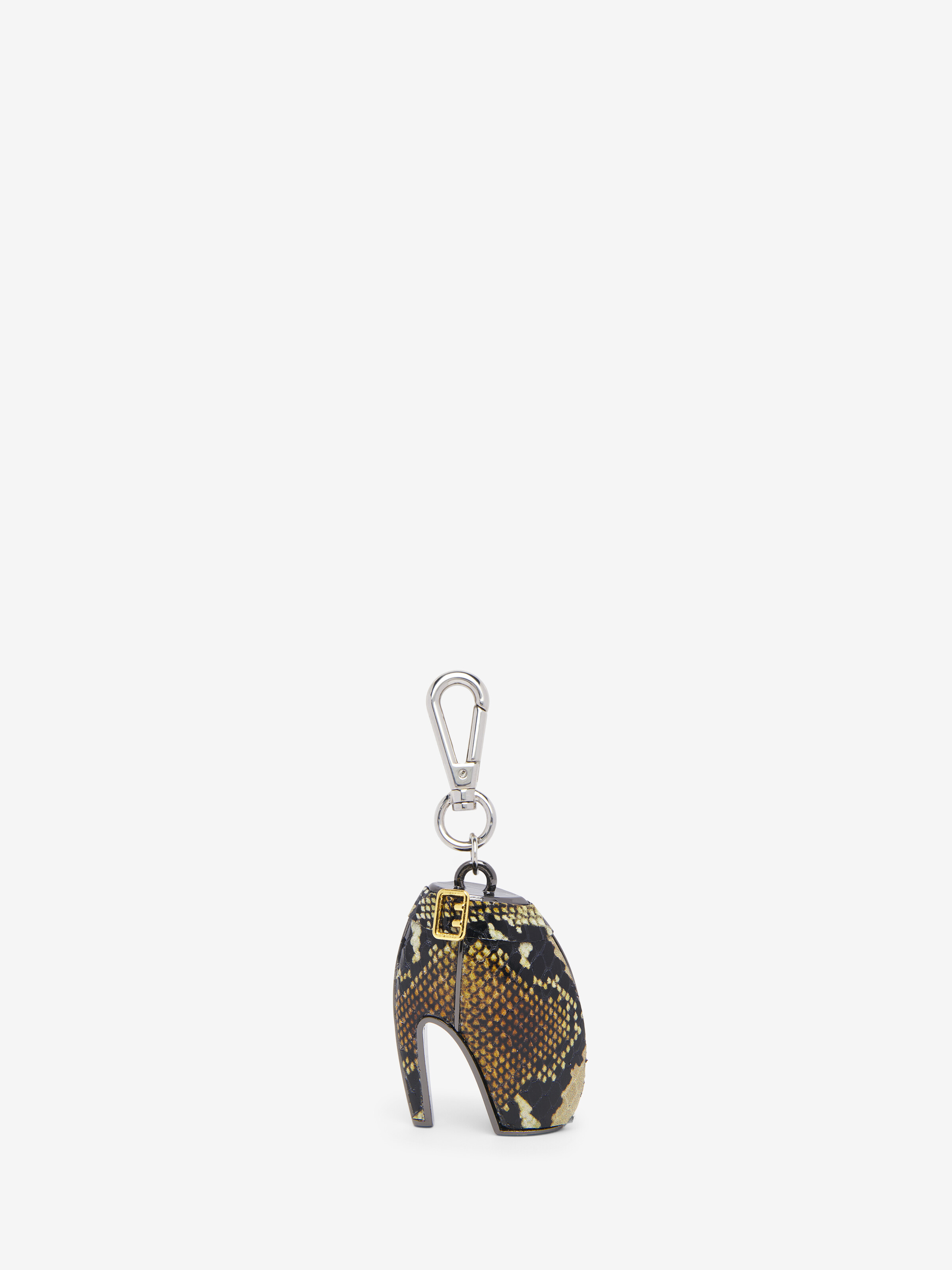
Burton navigated that span for fourteen years. The tailoring remained sharp. The eveningwear became a reliable source of red-carpet moments—structured, romantic, technically impeccable. Accessories grew into a significant revenue stream. The Skull Clutch, introduced under McQueen's tenure, became a bestseller. The Curve bag, the Jewelled Satchel, the Knuckle Clutch—each carried enough of the house codes to signal McQueen without requiring the wearer to commit to a bumster pant or a carved wooden prosthetic.
Sales grew. Kering, which absorbed Alexander McQueen when it acquired Gucci Group, reported steady increases. By 2019, the brand was estimated to generate over €350 million annually. Burton had made the house commercially viable without erasing its identity. That is not a small achievement.
But the question lingered: was this Alexander McQueen, or was this a very accomplished interpretation?
The current chapter: Seán McGirr
Burton left in 2023. Kering appointed Seán McGirr, formerly head of ready-to-wear at JW Anderson, as her successor. His first collection debuted in March 2024. The response was mixed.
McGirr's work at Anderson had been precise, cerebral, occasionally cold. At Alexander McQueen, he inherited a house with a very specific mythology and a customer base that expected both craft and narrative. His debut leaned into the archive—bumster trousers, exaggerated tailoring, a return to some of McQueen's more overt gestures. The execution was competent. The vision was less clear.
The reviews noted technical skill. They also noted a lack of point of view. McGirr was working with the language of McQueen, but the syntax felt borrowed. The silhouettes referenced the past without building forward. The tailoring was there, but the tension—the thing that made McQueen's work feel necessary—was not.
By the second collection, fall 2024, McGirr began to find footing. The tailoring sharpened. The colour palette moved away from black and white into deeper, muddier tones. The show notes referenced British subcultures, which is familiar territory for the house, but McGirr approached it with more specificity. The clothes began to feel less like homage and more like a conversation.
It is early. McGirr has shown three collections. Burton had fourteen years to define her version of the house. McQueen himself had eighteen. A creative director's first year is often a negotiation between what the house was and what it might become.
Where the house stands now
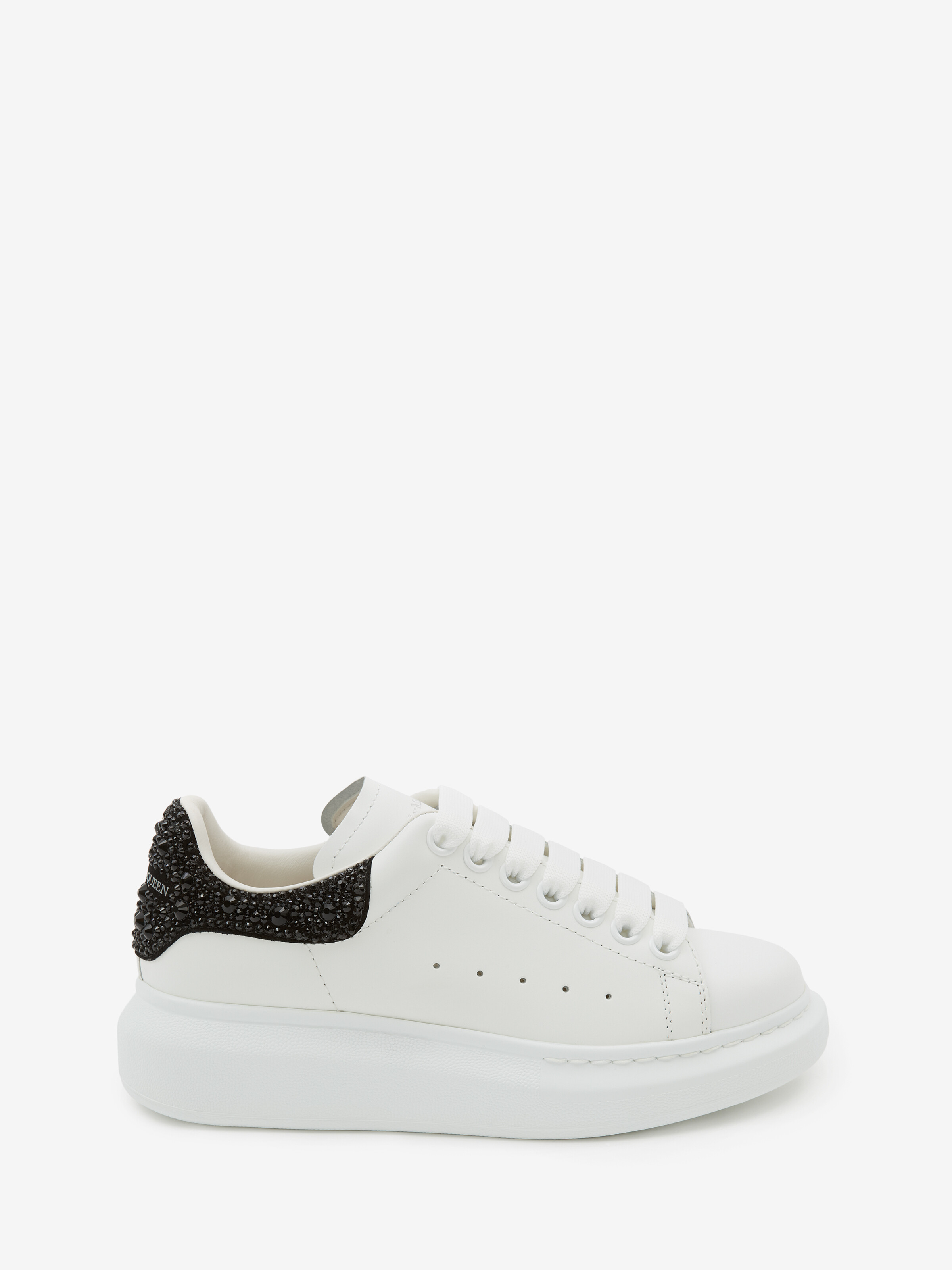
Alexander McQueen currently operates as a luxury brand with a strong accessories business, a tailoring reputation, and a runway presence that still commands attention. The clothes are expensive. A tailored jacket starts near €2,500. Evening pieces push well past €10,000. The customer base includes collectors, red-carpet stylists, and a younger demographic drawn to the Oversized Sneaker, which has become one of the brand's most visible products.
The sneaker is worth noting. It is chunky, logo-stamped, available in dozens of colourways, and priced at around €590. It does not resemble anything Lee Alexander McQueen put on a runway. It does resemble the kind of product that keeps a luxury house solvent between couture commissions. Kering has not broken out Alexander McQueen's financials separately in recent reports, but analysts estimate the brand's revenue near €400 million, with accessories and footwear comprising a significant portion.
The tension is structural. Alexander McQueen was a designer who worked against commercial logic. Alexander McQueen is now a brand that must generate profit within a conglomerate. McGirr's task is to maintain the former's reputation while delivering the latter's results.
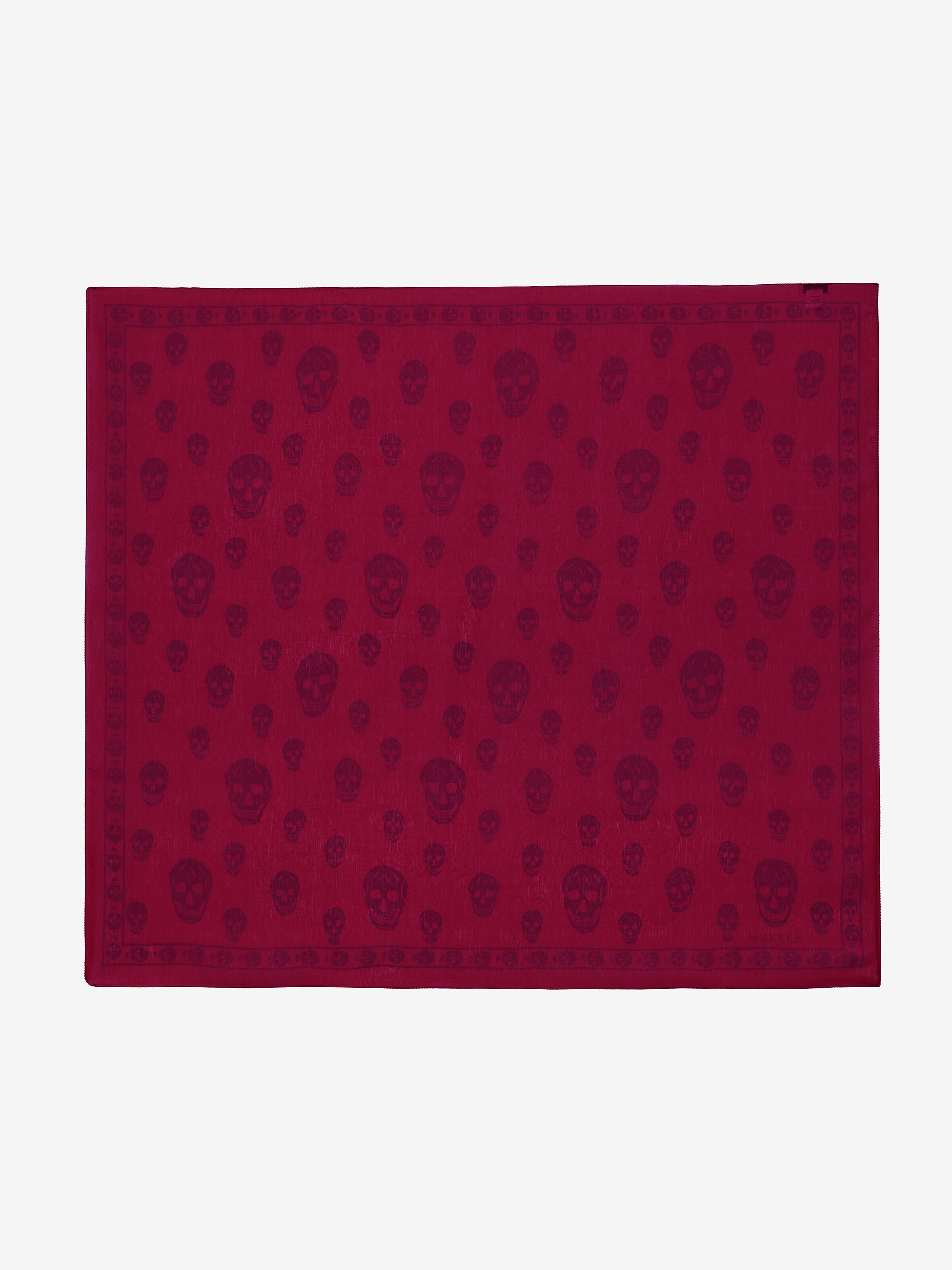
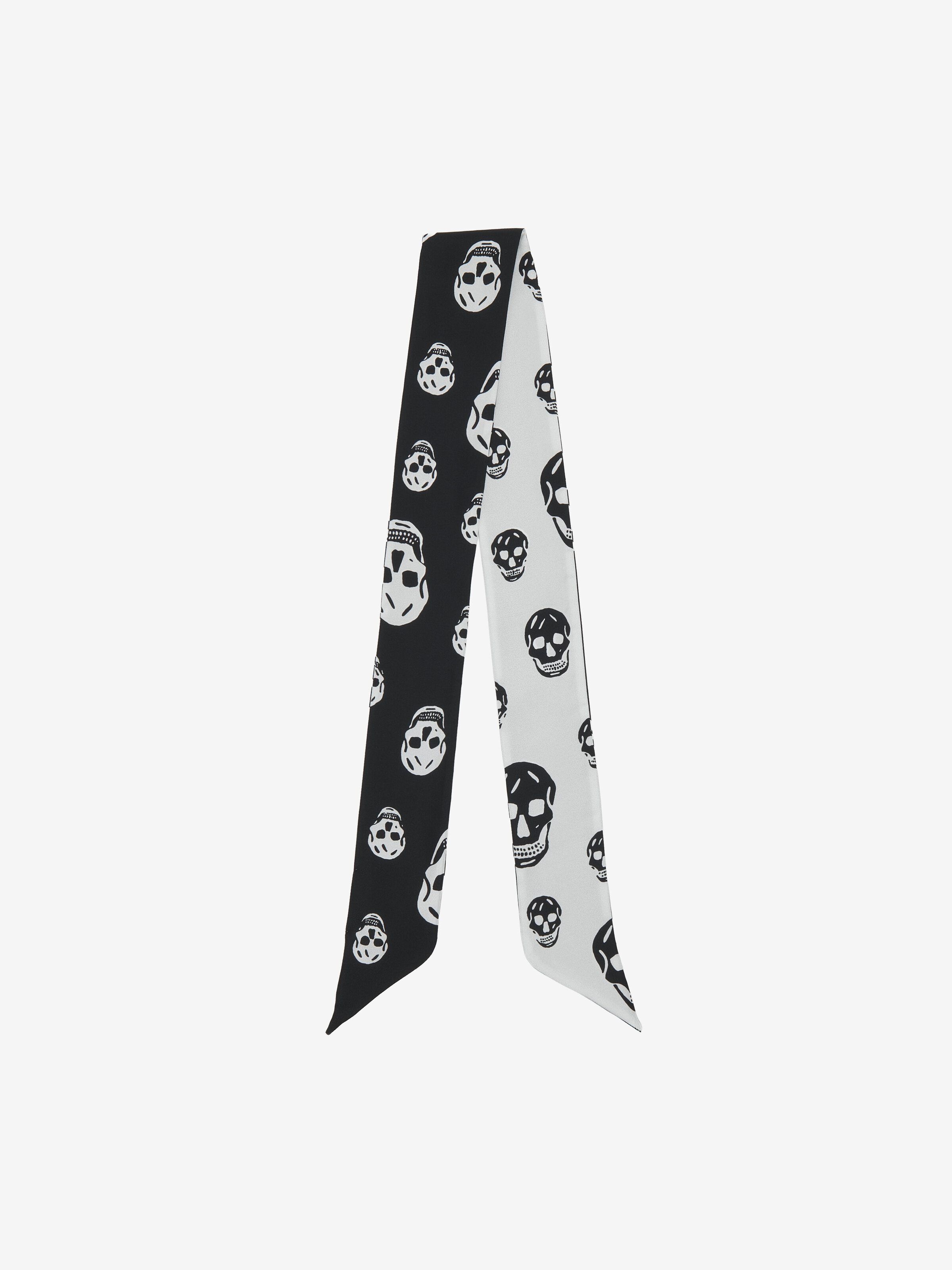
The runway shows still draw press. The tailoring still references Savile Row. The skull motif still appears, though now it is as likely to be embossed on a cardholder as it is to be carved into a piece of jewellery. The house has not abandoned its codes. It has made them accessible.
Whether that constitutes evolution or dilution depends on what you believe a fashion house is meant to do. If the answer is survive, then Alexander McQueen is succeeding. If the answer is provoke, the jury is still out.
A final image
There is a photograph from McQueen's spring 1995 show, The Birds. A model stands in a fencing mask, her torso wrapped in film, her arms bound. She is not moving. The image is difficult to look at, and it was meant to be.
That photograph does not appear in current Alexander McQueen campaigns. The campaigns now feature clean tailoring, romantic eveningwear, close-ups of the Oversized Sneaker against white backgrounds. The house has not disowned its past, but it has chosen which parts to foreground.
The archive room still holds the ribcage dress. It will likely never leave that room. But it remains, and its existence shapes what the house can claim about itself. Whether that claim still holds weight is a question McGirr is now tasked with answering. The clothes will tell us before the press releases do.