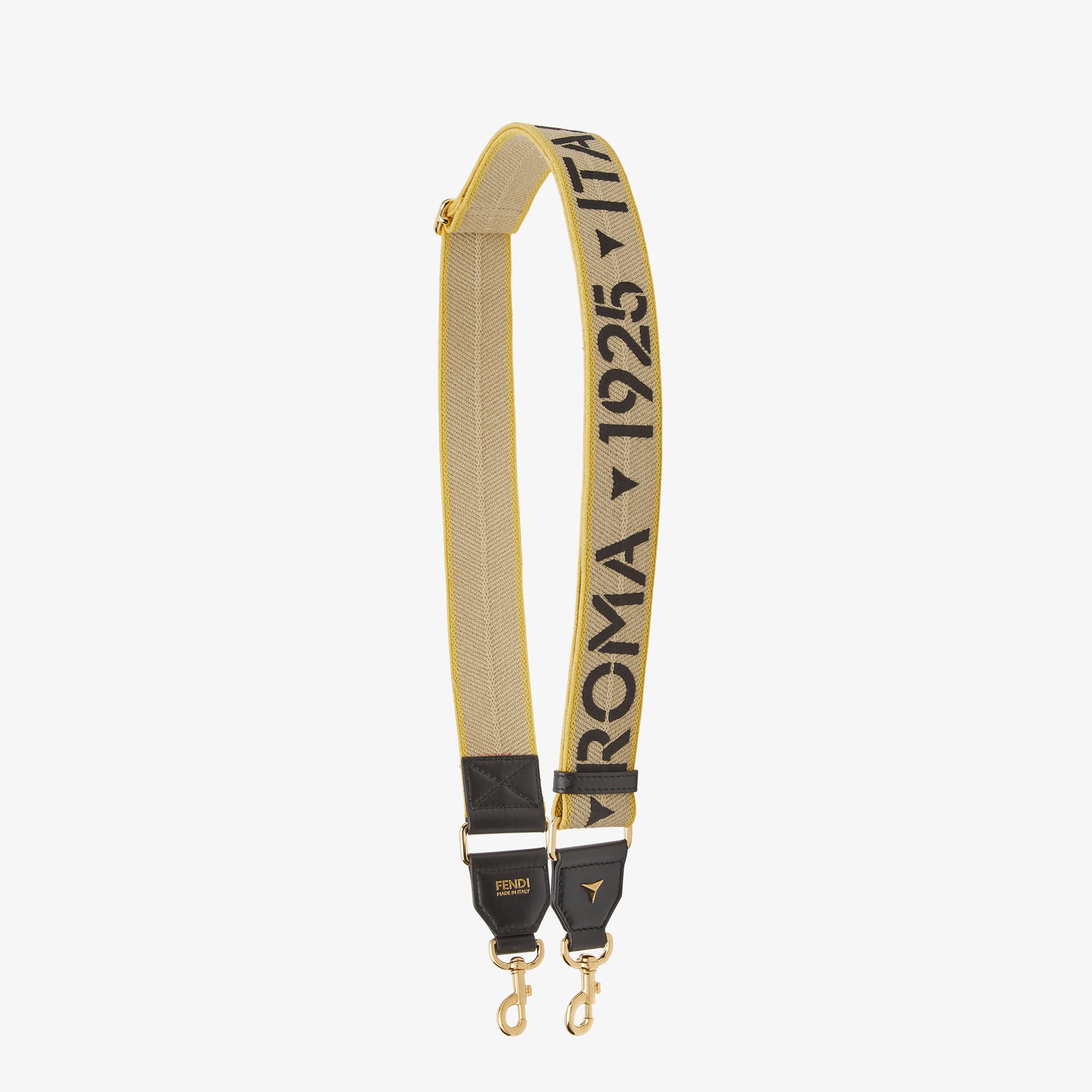
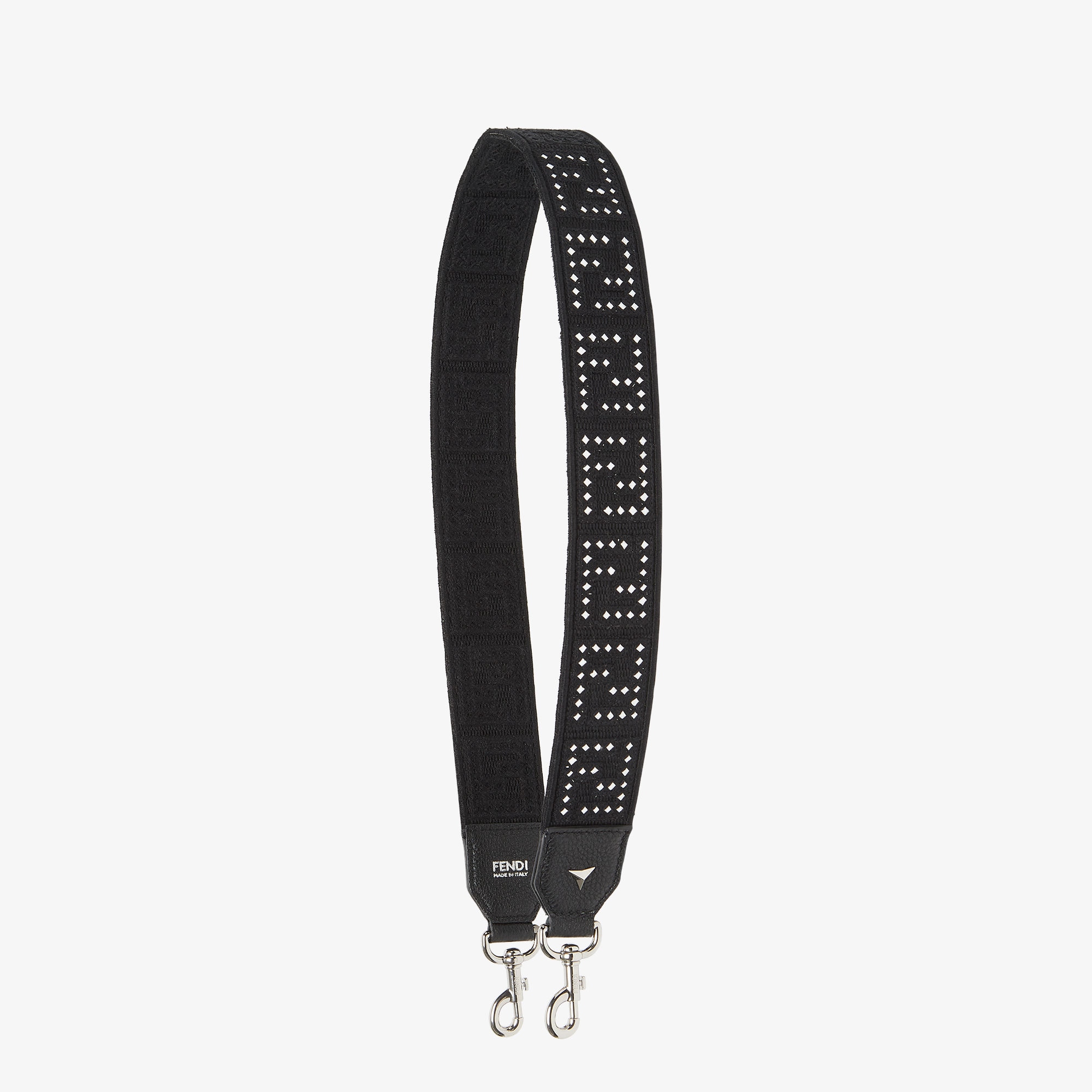
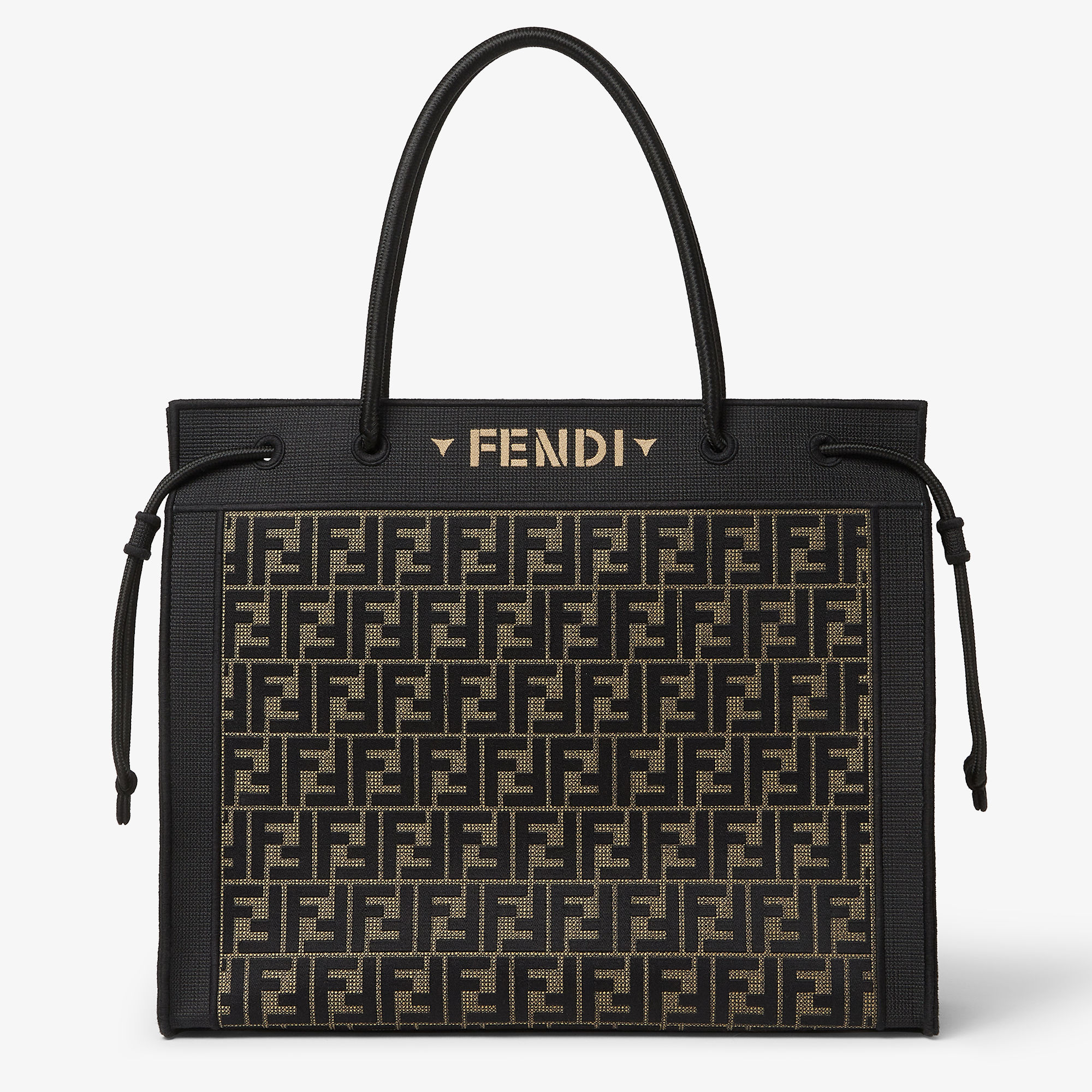
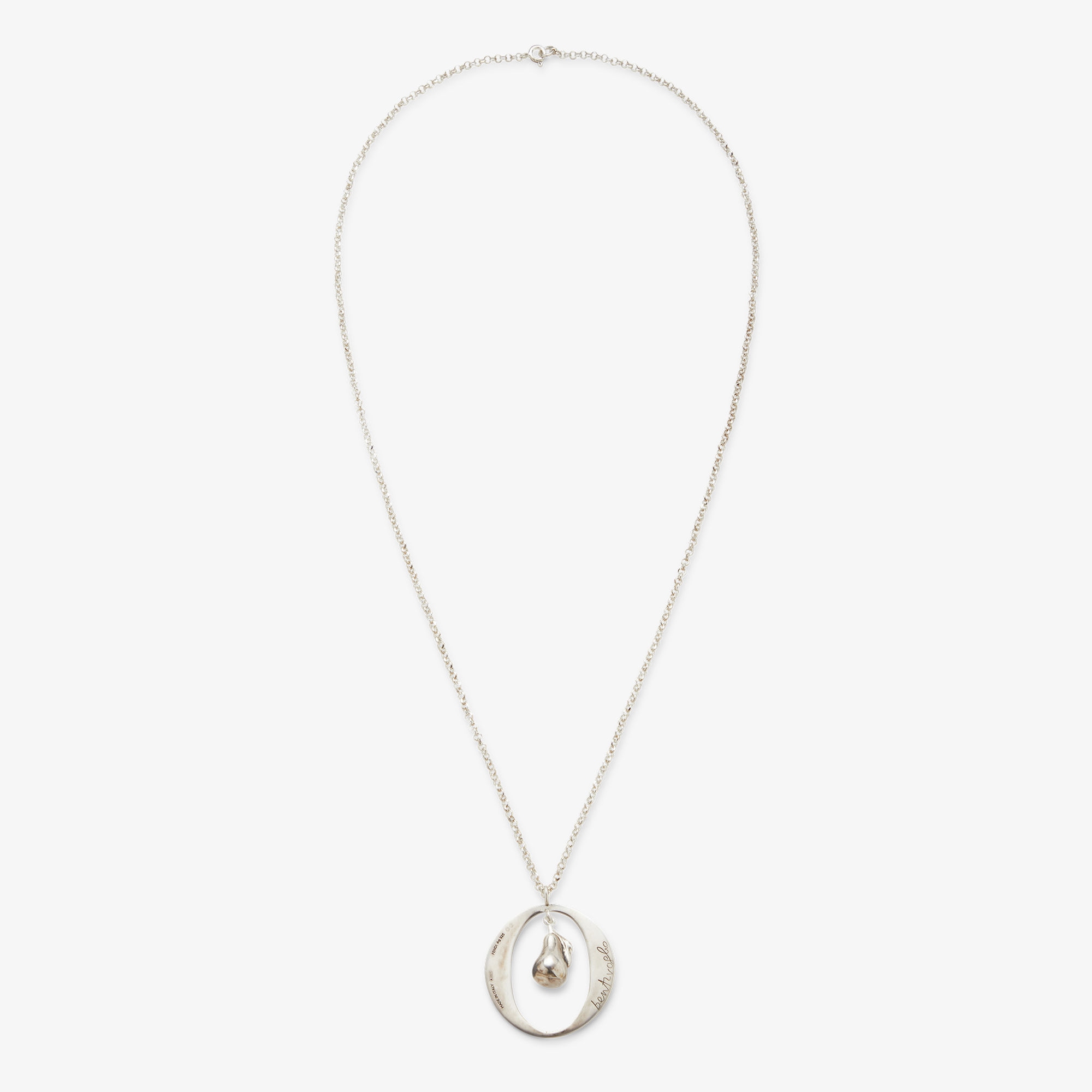
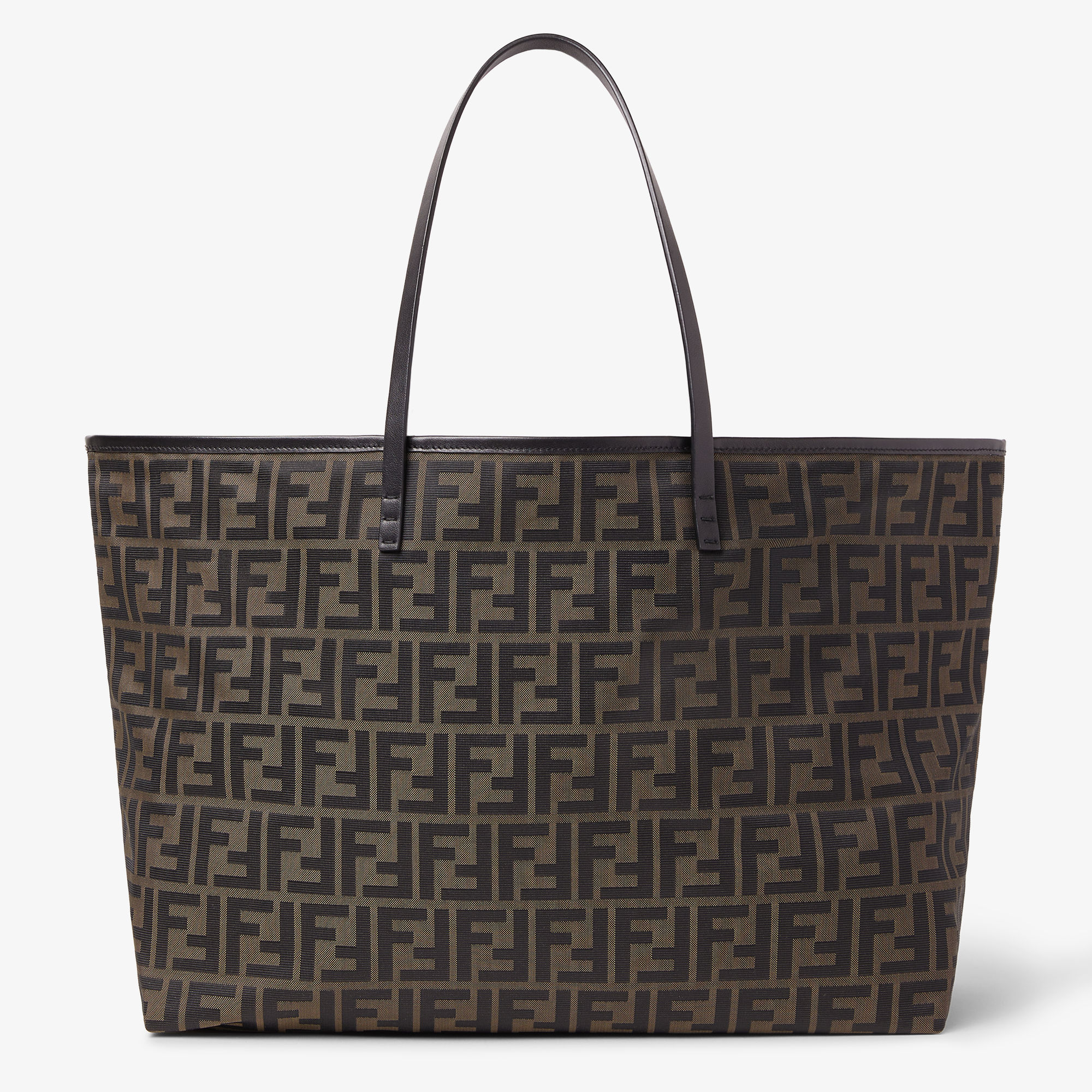
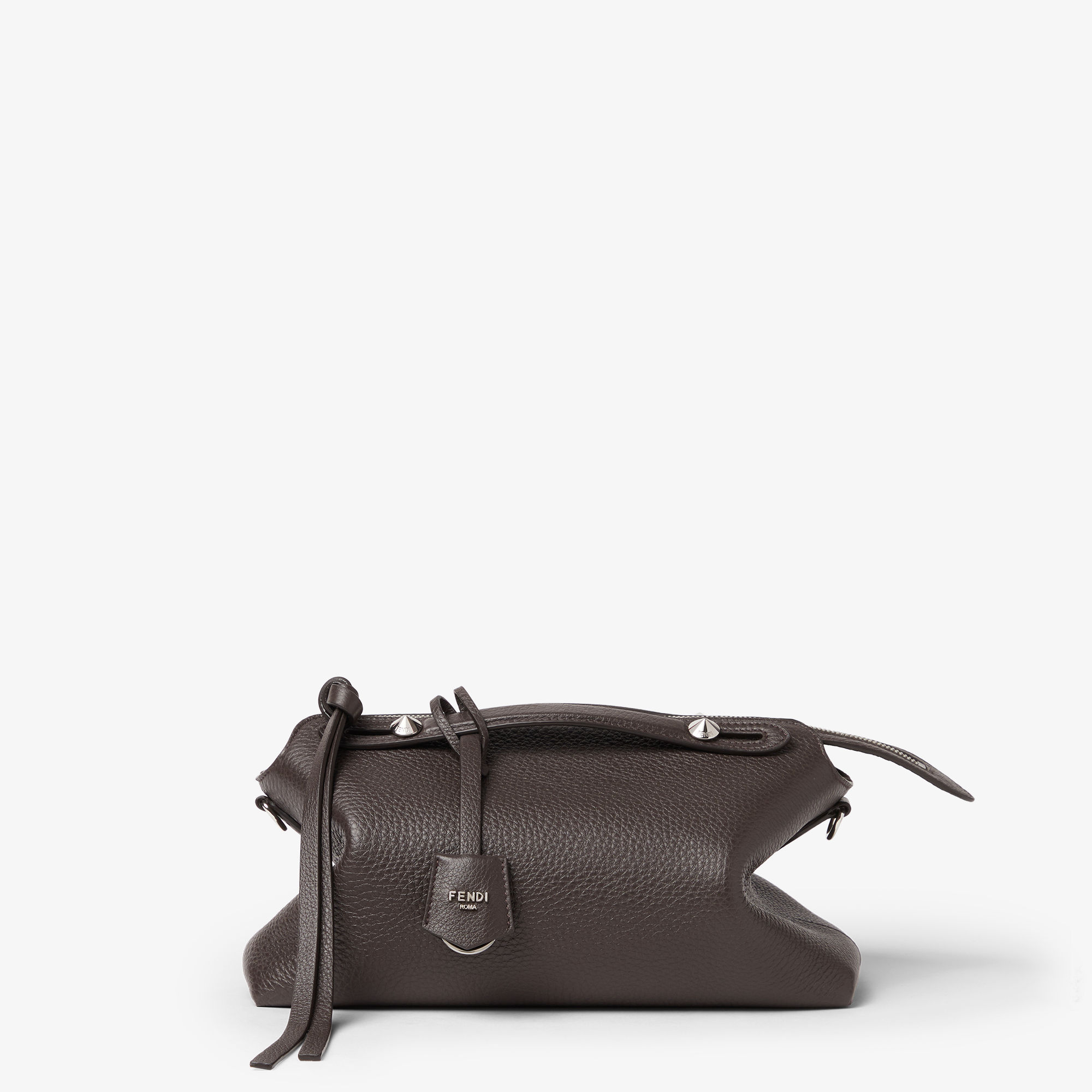
The Baguette has been photographed on approximately 1.2 million shoulders since its debut in 1997
The Baguette has been photographed on approximately 1.2 million shoulders since its debut in 1997. One still notices it — tucked under an arm on the Métro, slung across a chest at Bon Marché — because its proportions remain slightly off. Too small for a laptop, too structured for crumpling into a tote, it makes no practical argument. That is, arguably, the point. Fendi has spent the better part of a century making things that answer to craft first, utility second, and the result is a house where entry-level pieces still carry the faint scent of the atelier.
For those beginning with Fendi, the question is not whether to start — the house offers enough range and enough history to justify the first purchase — but where. The answer depends partly on budget, partly on how one feels about visible branding, and partly on whether one is drawn to leather goods or ready-to-wear. What follows is a map, not a manifesto.
Fondation et facture
Fendi opened in 1925 as a fur and leather atelier on Via del Plebiscito in Rome. Adele and Edoardo Fendi ran the workshop; their five daughters — Paola, Anna, Franca, Carla, Alda — eventually took over and hired a young Karl Lagerfeld in 1965. Lagerfeld stayed for fifty-four years. That tenure matters because it means Fendi's visual language, particularly in accessories, was shaped by a single sensibility over five decades. The double-F logo, designed by Lagerfeld in the mid-sixties, became shorthand for the house long before monogramming turned ubiquitous elsewhere.
The craft foundation remains visible. Fendi still produces fur in-house — a contentious position in 2025, though the maison argues for transparency and traceability over outright abandonment. Leather goods are assembled in workshops outside Florence and Rome. Stitching is done by hand where it affects structure; hardware is plated, not painted. These are not romantic flourishes. They are production choices that show up in how a bag ages.
Ce qu'on achète d'abord
The Baguette, reissued annually in dozens of iterations, starts around €2,400 for a plain calfskin version. Vintage examples from the late nineties can be found for less, though condition varies and the turn-lock mechanism on older models sometimes needs adjustment. The bag's appeal is partly nostalgic — it was among the first accessories to be named and marketed as a character piece rather than a functional carryall — and partly structural. The single shoulder strap forces the bag against the body, which reads as either chic or annoying depending on how much one carries.
For those who find the Baguette too referential, the Peekaboo offers a quieter entry. Introduced in 2008, it is a doctor's-bag silhouette with an internal frame and a double-compartment design that allows the lining to show when the bag is opened. Prices begin near €3,800. The frame construction means it holds its shape, which matters if one dislikes the slouch that develops in unstructured leather. The Peekaboo also avoids overt branding — the FF logo, when present, is embossed rather than appliquéd — so it skews more discreet.
The least expensive point of entry is not a bag. It is a silk scarf, priced around €350, or a pair of the house's signature slides. The latter, often dismissed as poolside footwear, are in fact among the more considered pieces in Fendi's accessory line. The rubber sole is moulded in one piece, the logo strap is heat-embossed, and the footbed is contoured rather than flat. They last three summers if worn regularly, longer if rotated. Not an heirloom, but not disposable either.
Direction actuelle
Kim Jones took over Fendi's womenswear in 2020, following Lagerfeld's death and a brief interim under Silvia Venturini Fendi, who continues to oversee accessories and menswear. Jones brought a streetwear-inflected sensibility — see the Fendi x Versace swap in 2021, or the ongoing collaboration with Marc Jacobs — but he has not dismantled the house codes. The FF logo remains central. Fur, though reduced in volume, still appears on runways. The Baguette gets reinterpreted each season, sometimes in shearling, sometimes in beaded canvas, occasionally in a micro size that holds a phone and little else.
Venturini Fendi's influence, quieter but longer-standing, shows up in the accessories line. She designed the Baguette. She also designed the Peekaboo, and more recently the First, a top-handle style introduced in 2022 that borrows the Peekaboo's frame but simplifies the silhouette. The First has not yet reached Baguette-level recognition, but it represents a useful middle ground: structured enough to read as serious, soft enough to avoid the rigidity of a true Kelly-style bag.
What this means for a first-time buyer is that Fendi is not a house in flux. The creative direction shifts, but the foundational pieces — the bags that define the brand — remain in production and remain legible. One can buy a Peekaboo today and expect it to look current in five years, not because trends are static but because the bag was never designed to chase them.
Savoir ce qu'on paie
Fendi sits in the accessible-luxury tier, which is to say it is expensive but not Hermès-expensive. A Baguette costs half what a Birkin does, and unlike a Birkin, one can walk into a Fendi boutique and leave with the bag the same day. There is no waitlist, no purchase history requirement, no cultivating a relationship with a sales associate over eighteen months. The tradeoff is that Fendi bags do not appreciate. They hold value better than fast-fashion pieces, and certain vintage Baguettes have become collectible, but as a rule one should expect a Fendi purchase to depreciate by thirty to forty percent the moment it is carried out of the store.
This is not a criticism. It is a clarification. Fendi makes bags meant to be used, not archived. The leather develops patina. The hardware tarnishes slightly if worn in rain. The internal lining, especially in lighter colours, picks up pen marks and small stains. These are signs of wear, not defects, and they align with how the house positions itself: as a maker of luxury goods, not investment vehicles.
That said, quality control has become uneven. Some buyers report loose stitching on newer Peekaboos, or hardware that feels lighter than it did a decade ago. This is harder to verify without side-by-side comparison, but it is worth inspecting any piece carefully before purchase, particularly at the price point Fendi occupies. The margin for error is narrower than it used to be.
Où commence-t-on, alors
If the budget allows for one piece and the goal is longevity, the Peekaboo in black or tobacco calfskin is the safest choice. It works across contexts, it ages without looking worn, and it avoids the cultural baggage that now clings to the Baguette. If the goal is entry at lower cost, the scarves and slides offer a way in without the four-figure commitment, though neither carries the same weight as a leather good.
For those drawn to Fendi specifically for its history with fur and artisanal technique, the ready-to-wear line is worth examining, though it requires a larger budget and a willingness to engage with pieces that may not be broadly wearable. A shearling coat from the autumn 2024 collection, for instance, is a statement piece in the traditional sense: it announces expertise, it commands space, and it will not suit every wardrobe. But it is also the kind of garment that justifies the house's reputation for facture in a way a logo slide cannot.
The Baguette remains, on balance, the most Fendi of Fendi's offerings. It is the piece that defined an era of accessory-as-protagonist, and it is still produced with enough care to feel consequential. Whether that is enough to justify the price depends on how much one values that particular slice of fashion history. The bag itself — compact, structured, faintly impractical — will not make the argument for you. It simply sits there, under your arm, and waits.