The bumster sits two inches below the hip bone
The bumster sits two inches below the hip bone. You don't notice it until you stand. Then the whole silhouette shifts — the torso lengthens, the leg appears to start somewhere improbable, and the jacket, if you're wearing one, suddenly has nothing to do. Lee Alexander McQueen cut his first pair in 1993. The fashion press called them obscene. He called them anatomically correct.
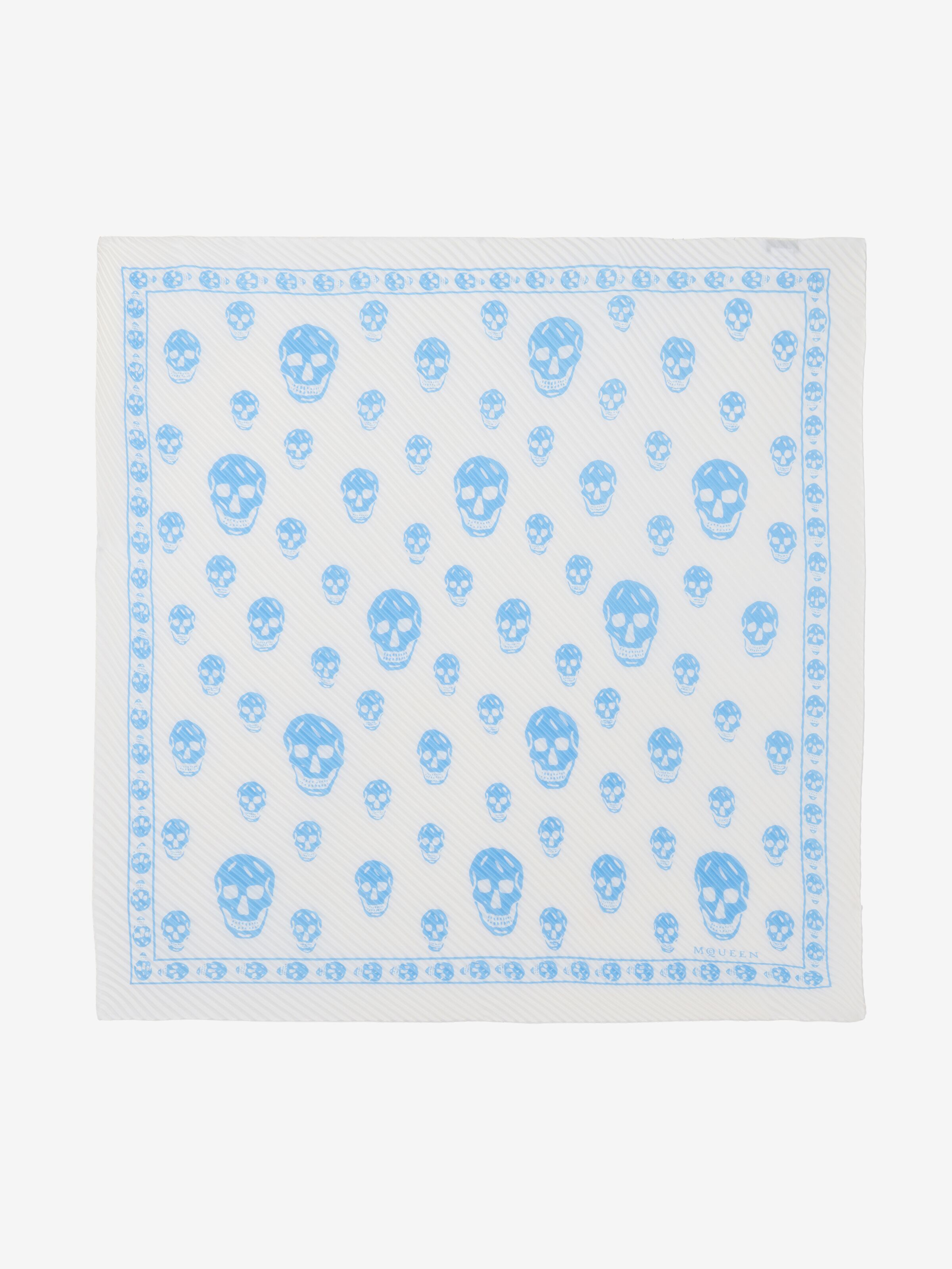
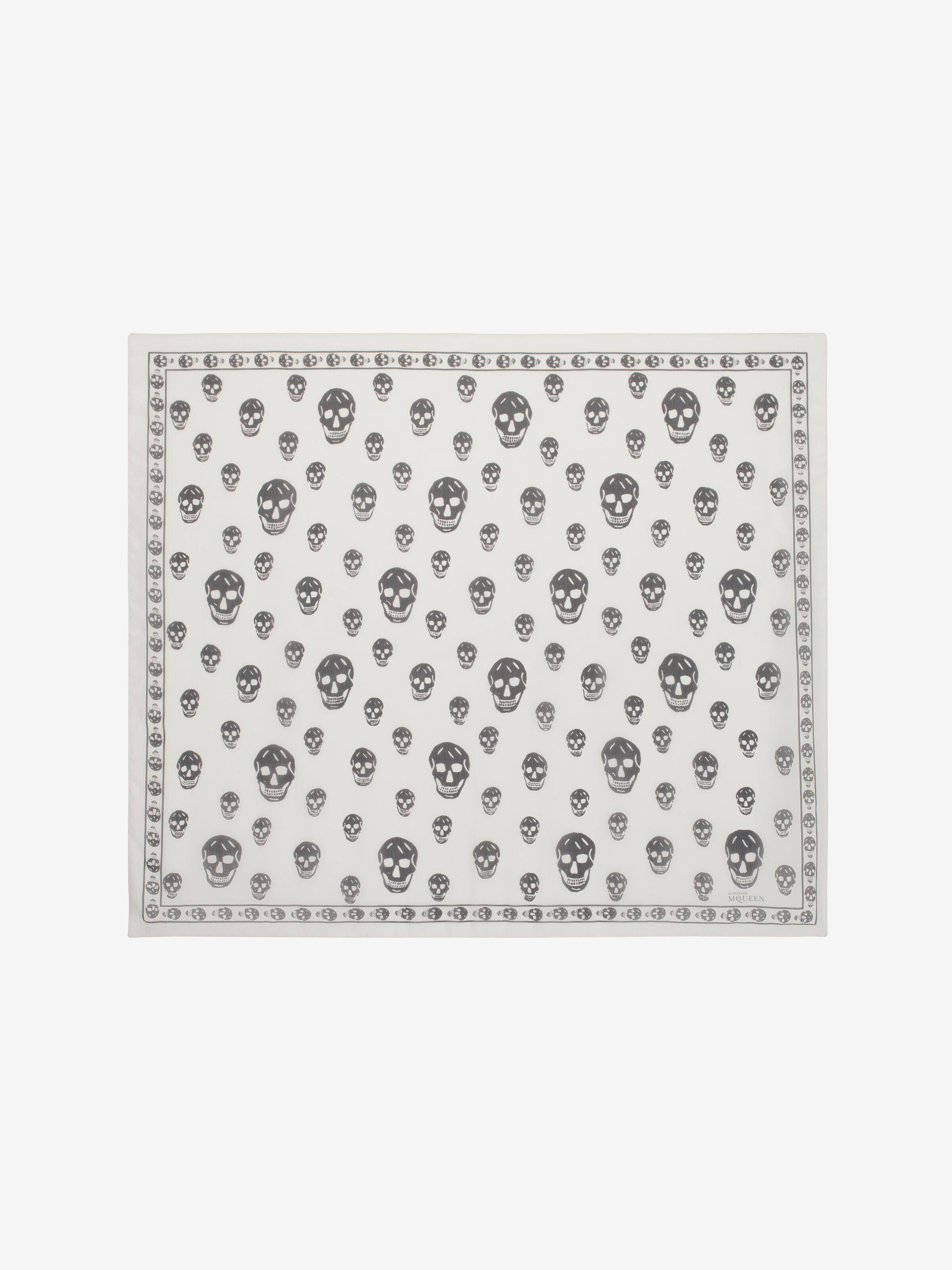
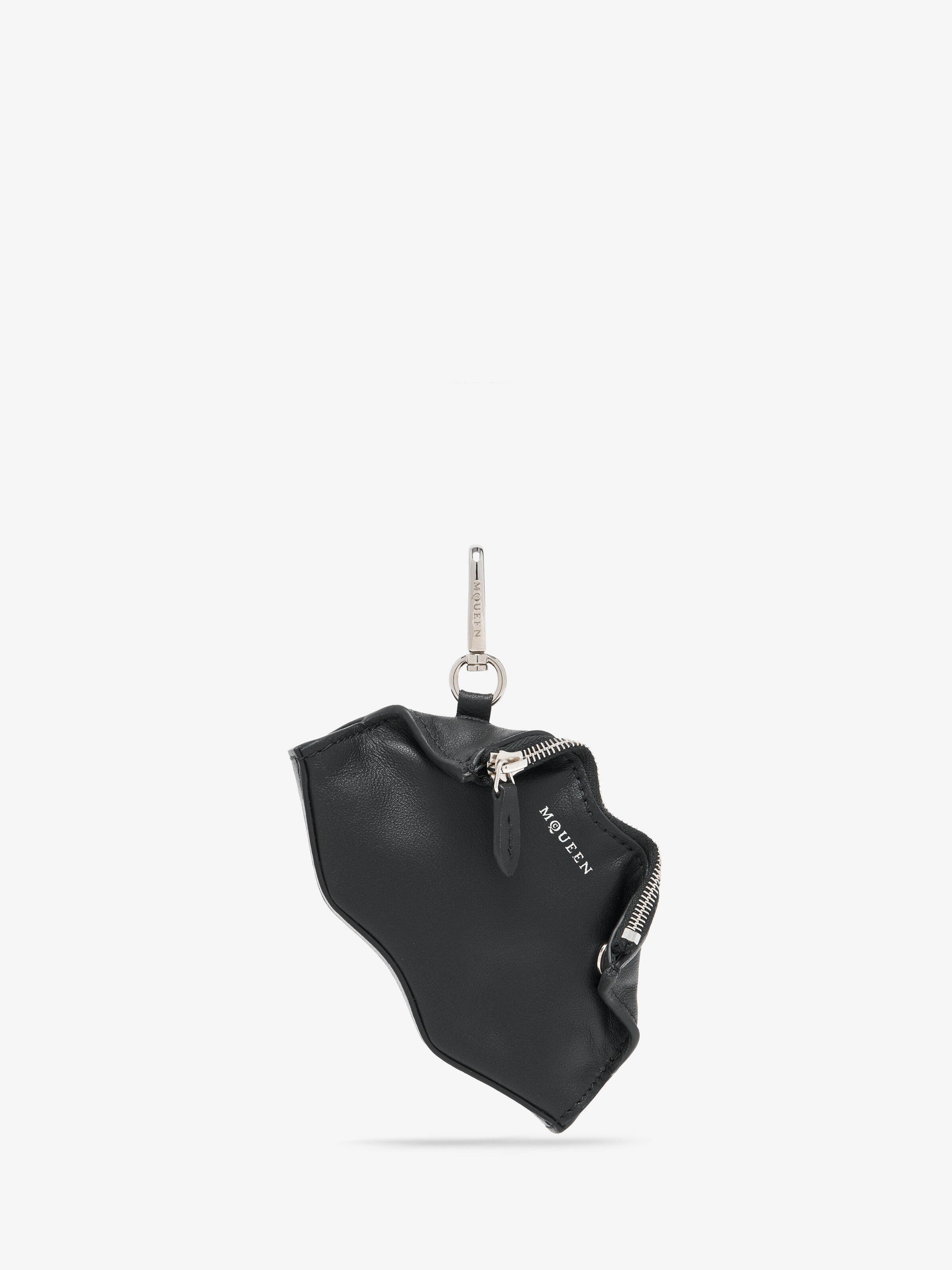
That's the Alexander McQueen most people forget. Not the skull scarf or the Knuckle clutch or the Curve bag that appears in every other street-style gallery. The house built its commercial foundation on those pieces, and rightly so — they work, they sell, they signal. But McQueen himself was never interested in signals. He was interested in structure, in where a seam could go if you stopped assuming it belonged where it had always been.
The tailoring no one mentions
McQueen trained on Savile Row. Anderson & Sheppard first, then Gieves & Hawkes. He learned to cut a two-piece in the traditional manner: chest forward, shoulder clean, suppression through the waist. Then he came off the Row and began moving seams to places that made his tutors uncomfortable. The armscye dropped half an inch. The waist nipped in past the point of comfort. The trousers, as mentioned, sat where trousers had no business sitting.
What he took from Savile Row wasn't the house style. It was the understanding that a body is a series of engineering problems. A sleeve has to move. A shoulder has to carry weight. A waistband has to sit somewhere, and that somewhere determines everything else. Once you know the rules that deeply, you can break them with intent.
His tailoring had a sharpness that didn't photograph well in the early years. The cuts were too precise, too dependent on movement. A McQueen jacket from 1997 looks like a normal jacket on a hanger. On a body in motion, it does something else — the back vent kicks open at a different angle, the lapel rolls without collapsing, the whole thing moves as though it's anticipating the next step. That's not design. That's pattern-cutting.
The bumster was the most obvious example, but it wasn't the only one. He raised waistlines on coats and dropped them on trousers in the same collection. He put a four-button front on a single-breasted jacket and made it work by adjusting the roll line. He treated the human body as though it were a technical drawing, which it is, and then he drafted accordingly.
None of this survives in the language people use when they talk about the house now. The conversation centres on drama, on theatricality, on the runway shows that ended with robots spray-painting a model or a hologram of Kate Moss. Those shows mattered. But so did the fact that McQueen could cut a sleeve pitch that made a shoulder look broader without padding.
The print archive that isn't floral
Sarah Burton has been at Alexander McQueen since 1996. She took over as creative director in 2010, after McQueen's death, and she has spent the past fourteen years steering the house toward a version of femininity that McQueen himself only occasionally explored. Burton does lace, does embroidery, does gowns that require three fittings and a structural engineer. It's beautiful work. It's also not the whole story.
McQueen's print archive is extensive, and most of it has nothing to do with flowers. He used X-rays, medical illustrations, satellite images of ice fields, photographs of dead birds. The 'Voss' collection in spring 2001 featured prints that looked like decay — organic matter breaking down, rendered in high resolution. 'Scanners' in autumn 2003 pulled imagery from airport security equipment. These weren't decorative choices. They were conceptual frameworks that happened to involve ink on cloth.
Burton has revived some of this language. The autumn 2022 collection included prints derived from mycelium networks, which is about as far from a rose as you can get while still remaining organic. But the house's commercial print strategy leans floral, leans romantic, leans into the version of McQueen that plays well in a department store concession. There's no criticism in that observation. A house has to sell clothes. But it does mean that an entire vocabulary — clinical, unsettling, borrowed from science rather than nature — has largely disappeared from the active repertoire.
McQueen used prints the way other designers use colour. They set a mood, established a reference point, gave you something to look at while the cut did its actual work. The prints were never the point. They were the distraction that let him get away with a sleeve that shouldn't have been possible.
The heel that changed proportion
McQueen worked with a shoemaker named Dai Rees. Later, he worked with the team at Puma, which sounds improbable until you remember that McQueen didn't care about pedigree — he cared about whether you could execute an idea. The idea, in this case, was the Armadillo boot.
Spring 2010, 'Plato's Atlantis'. The Armadillo is a twelve-inch curved heel that resembles a hoof, or a talon, or something not quite human. Model Magdalena Frackowiak walked the runway in a pair. The fashion press lost its mind. The boots were unwearable, unsellable, unbuyable. They were also beside the point.
The Armadillo was an exercise in proportion. McQueen was looking at how a shoe changes the relationship between the leg and the ground. A twelve-inch heel doesn't just add height — it alters the angle of the shin, shifts weight onto the ball of the foot, forces the pelvis forward. The model becomes a different shape. The clothes, cut for that shape, do things they wouldn't do on a flat shoe.
He had been playing with heel height since the mid-nineties. The bumster trousers only worked because he paired them with a stacked heel that added three inches and changed the leg line. The tailoring in 'The Overlook' in 1999 assumed a heel. Without it, the proportions collapsed. McQueen wasn't designing clothes for a static body. He was designing for a body in a specific pair of shoes, at a specific angle to the floor.
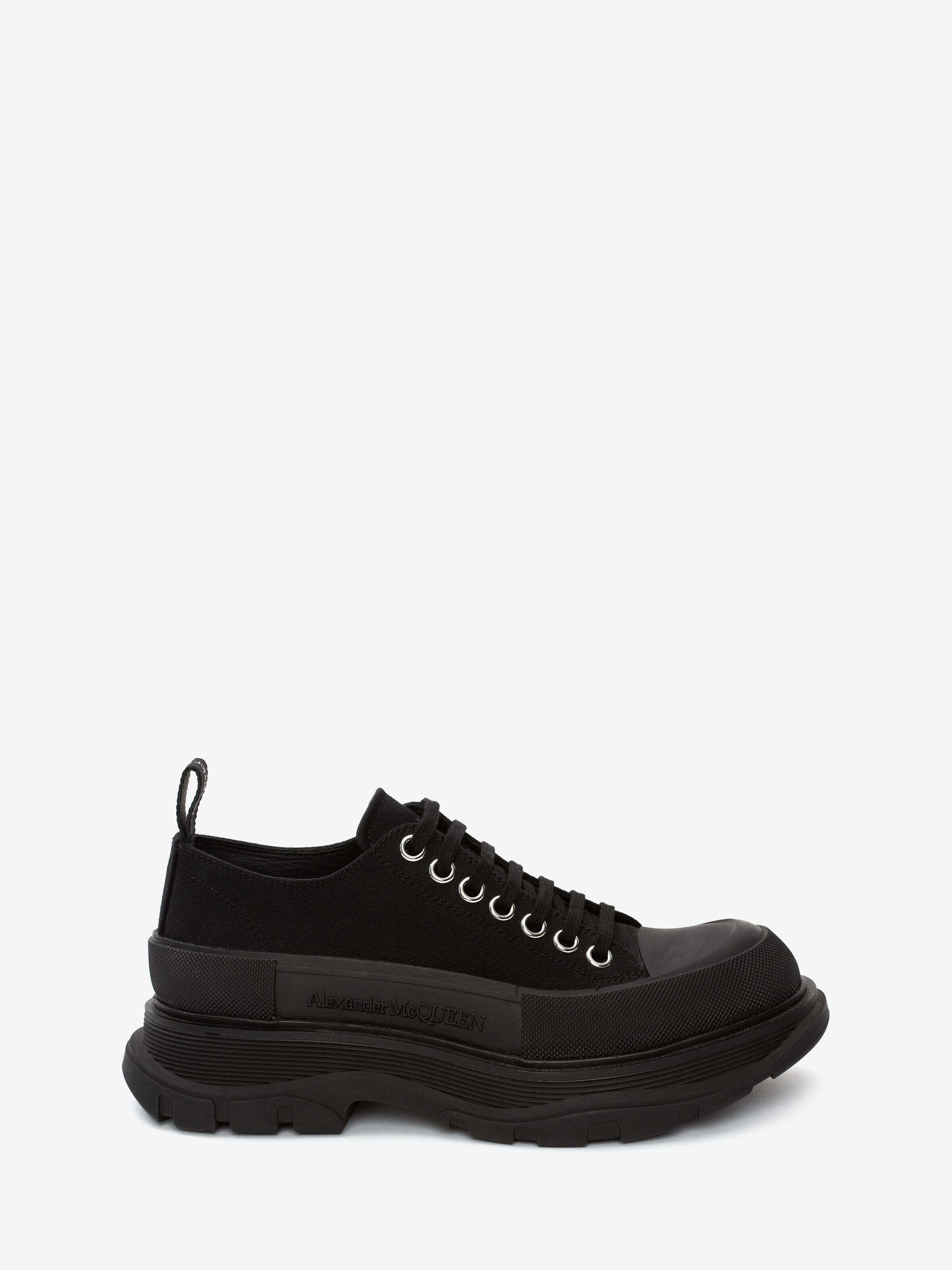
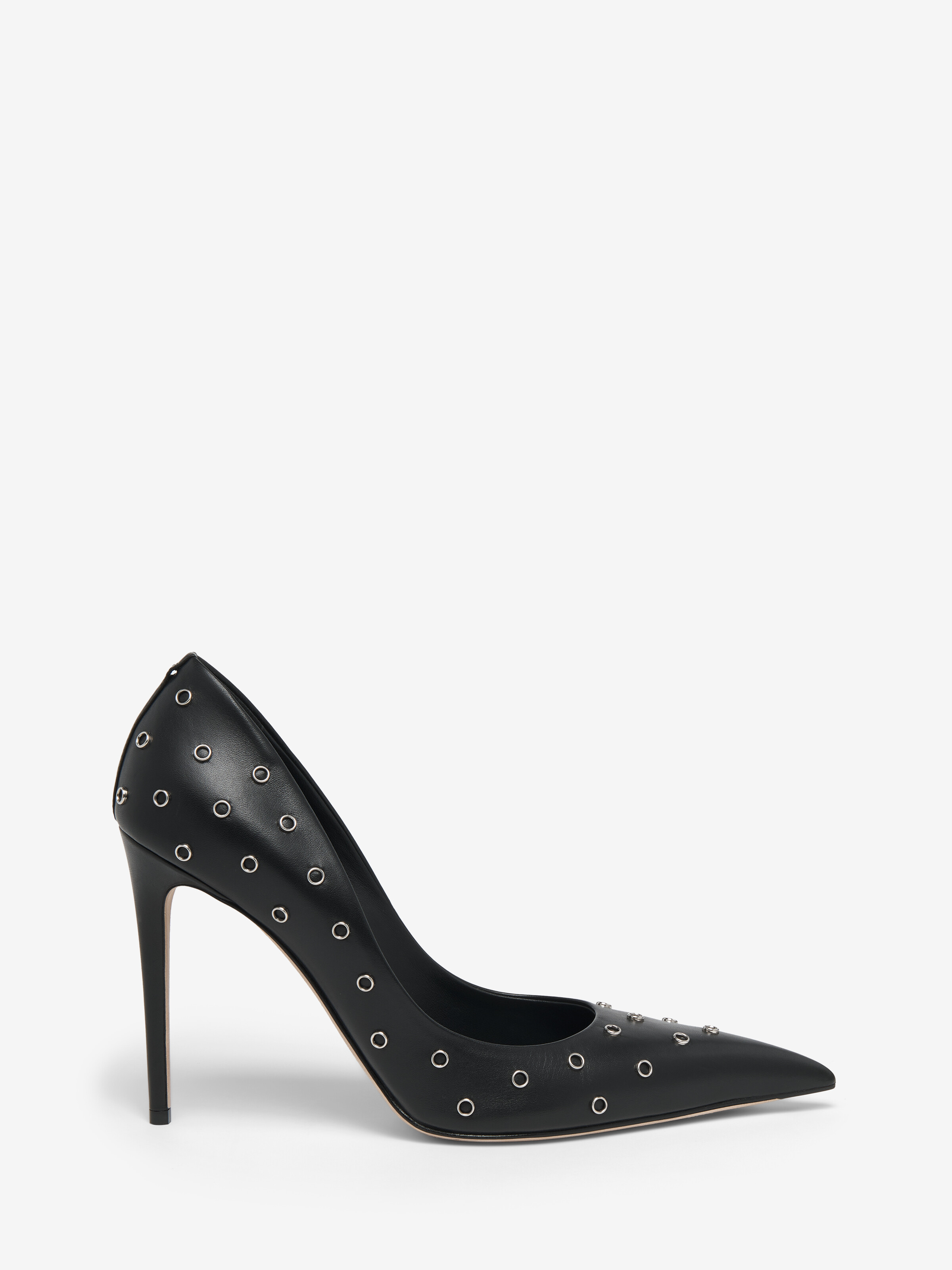
The house still makes a strong boot. The Tread Slick, the Wander, the various iterations of the lace-up combat style — all solid, all well-constructed, all selling. But they're boots in the conventional sense. They add height, they protect the ankle, they look good with tailoring or denim. They don't change the geometry of the body. McQueen's shoes did.
What remains
There's a version of Alexander McQueen that exists in the cultural memory, and it involves skulls and drama and the word 'dark' used as though it were a compliment. That version isn't wrong. But it's incomplete.
The house today is commercially successful, creatively confident, and capable of producing both runway spectacle and wearable clothing. Burton has built a language that honours McQueen's technical rigour while carving out space for her own interests. The tailoring is still sharp. The eveningwear is still ambitious. The brand codes — the skull, the Knuckle, the Curve — do their job.
But the bumster is gone. The print language has softened. The shoes no longer ask the body to reconfigure itself. What remains is a house that knows how to cut cloth, how to build a collection, how to sustain a brand in a market that doesn't reward risk the way it did in 1997. That's not a failure. It's a choice.
McQueen used to say he wanted to make clothes that challenged the idea of what a woman could be. Burton makes clothes that expand it. The difference is subtle. The tailoring, when you look closely, still knows what it's doing.