The first thing you notice in a Margiela jacket from 1991 is the lining
The first thing you notice in a Margiela jacket from 1991 is the lining. Not because it's beautiful — though it often is — but because it's been left deliberately raw at one seam, the edge unfinished, the threads still loose. This is not carelessness. It is a signature that predates the Tabi boot, the four-stitch logo, the painted white sneakers. It is also the signature most people have forgotten.
Maison Margiela built its reputation on anonymity and deconstruction, on white lab coats and numbered collections and a founder who refused to be photographed. But the house's real language was never that loud. It was in the details that required you to look twice: the exposed seams, the repurposed garments, the fabric tags stitched on the outside, blank except for a number. These were codes, not statements. They worked quietly, and they worked on you slowly.
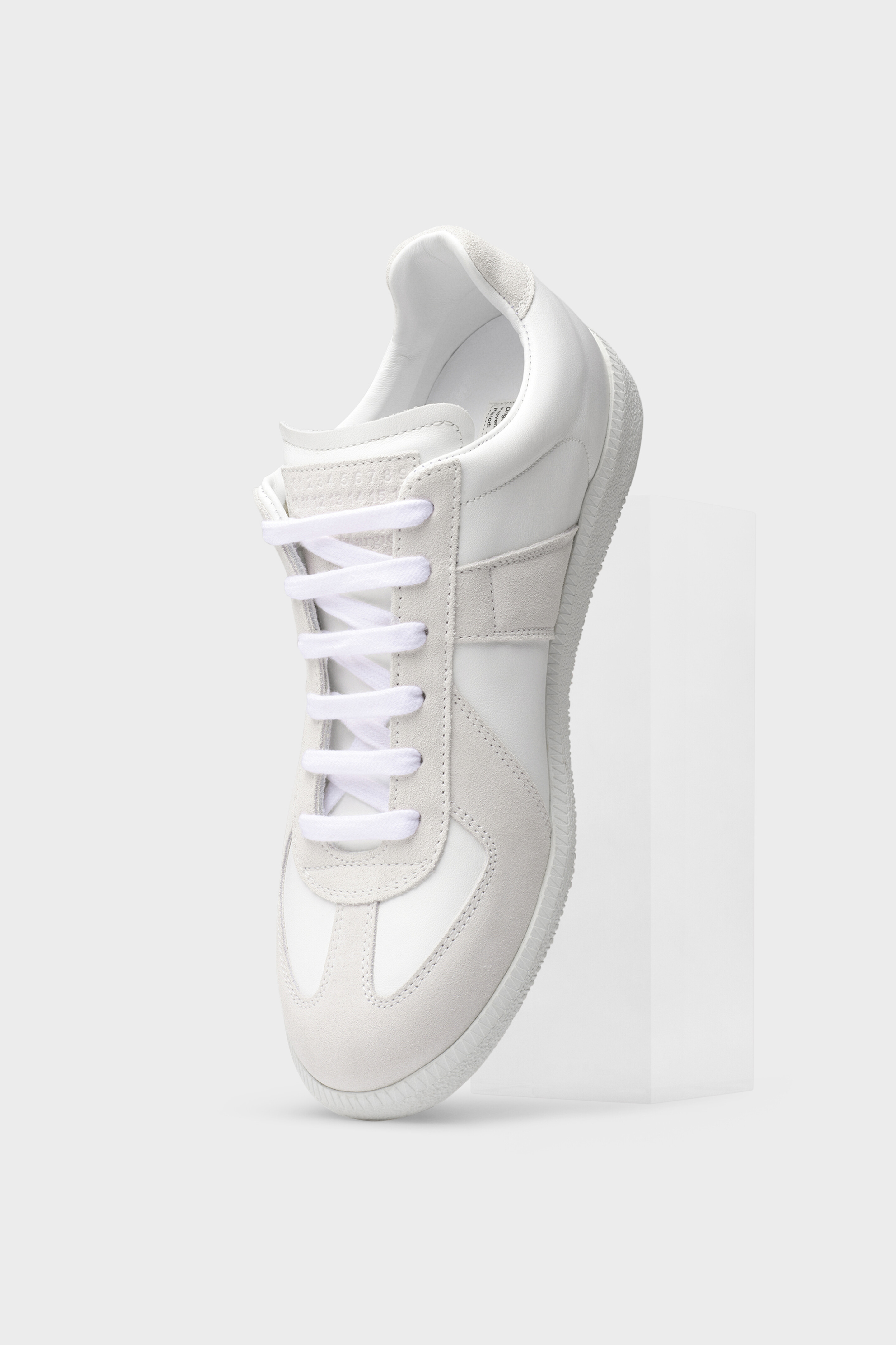
Most of what we remember now is what sold. The Tabi boot, split-toed and unmistakable. The Replica sneakers, pre-distressed and ubiquitous. The four white stitches on the back of a garment, a logo that isn't quite a logo. These are the signatures that moved product, that built hype, that allowed the house to survive its founder's departure in 2009. But they are not the whole story.
The founding codes
Martin Margiela opened his maison in 1988 with a spring collection shown in a derelict playground in the 20th arrondissement. The models walked on cracked asphalt. The clothes were deconstructed in the literal sense: seams exposed, linings visible, proportions deliberately off. A coat might have one sleeve longer than the other. A dress might be assembled from the sleeves of old cardigans. The point was not to shock but to reveal process, to show the bones of a garment the way an architect might leave ductwork exposed.
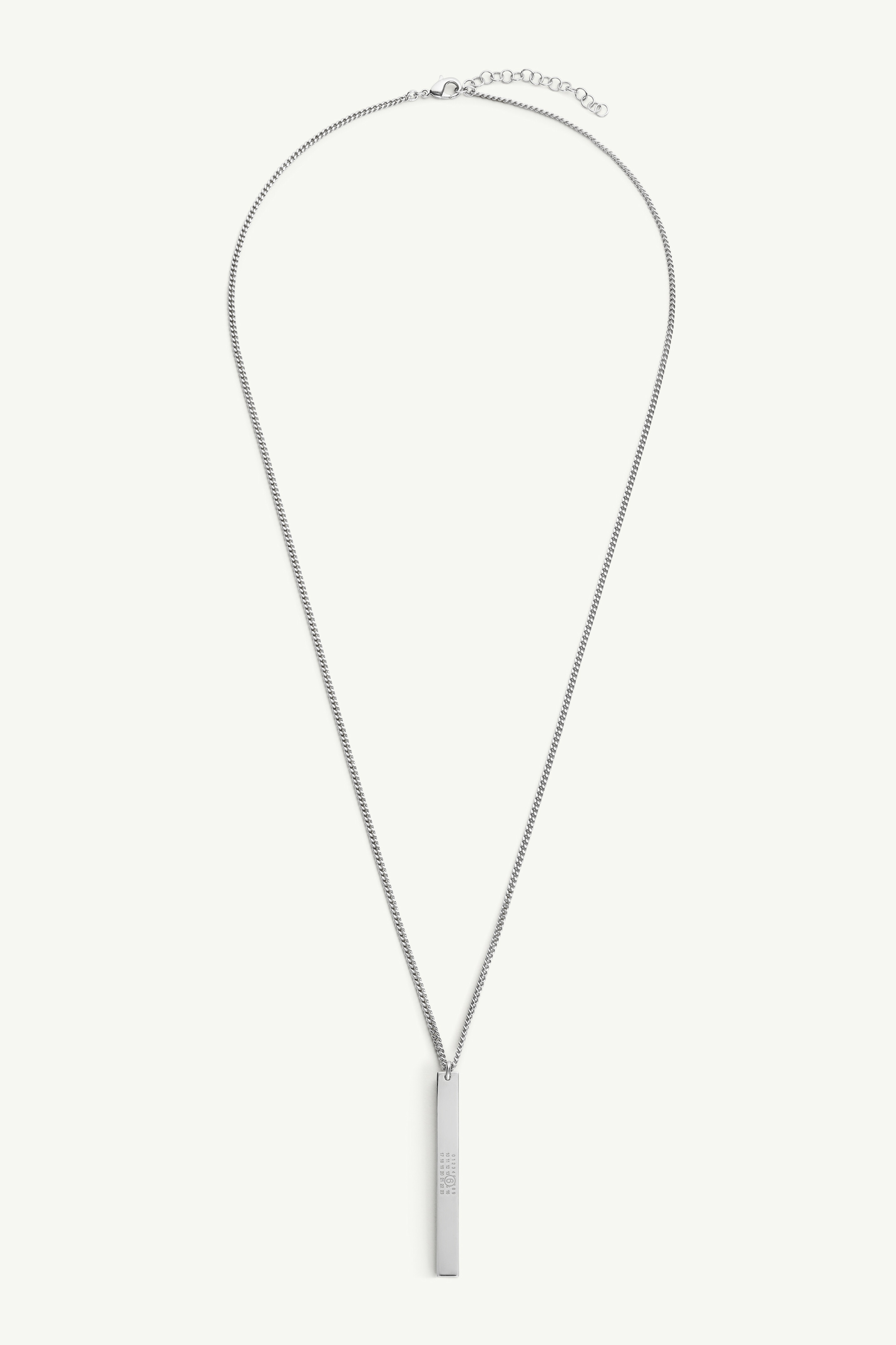
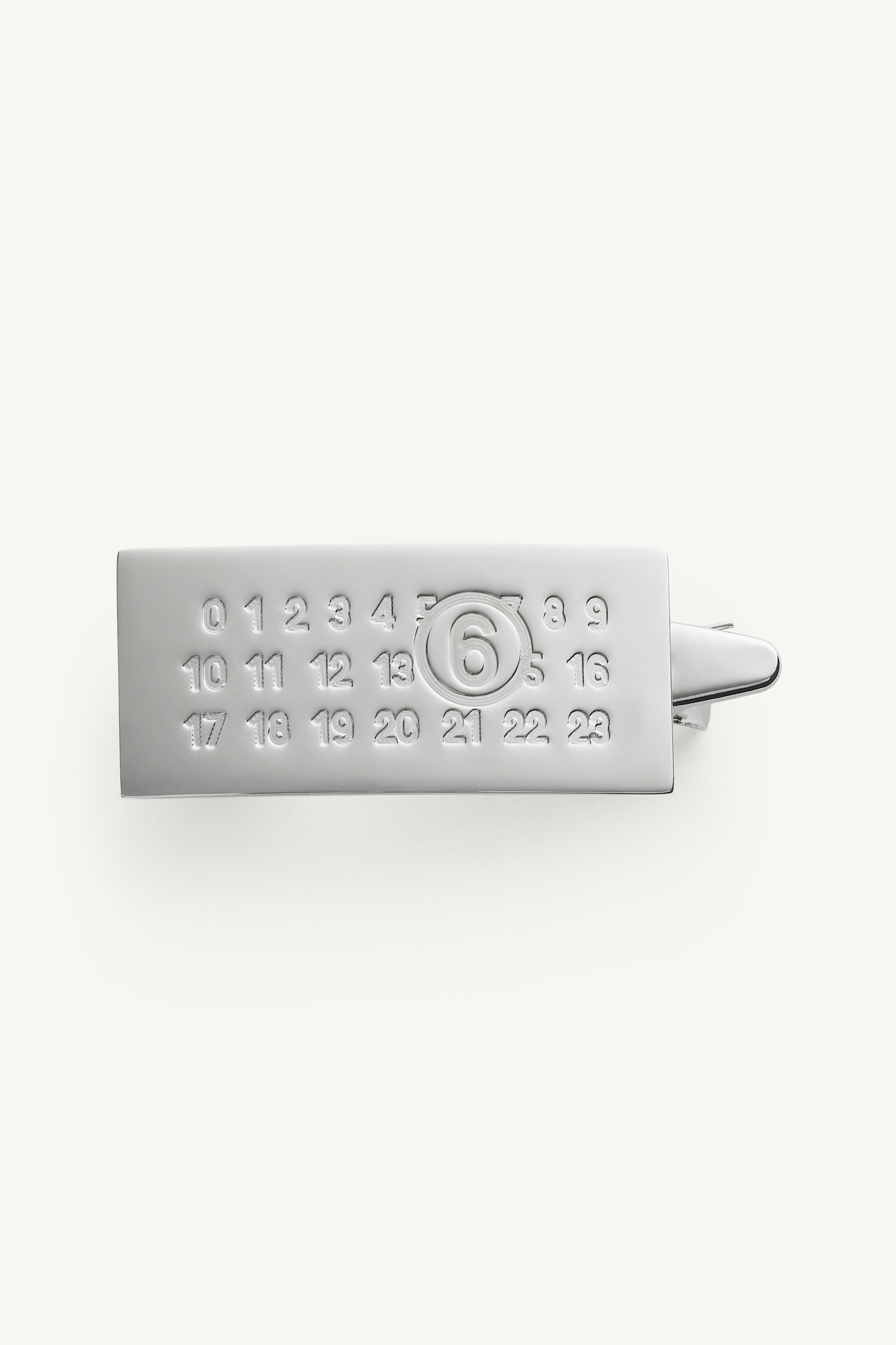
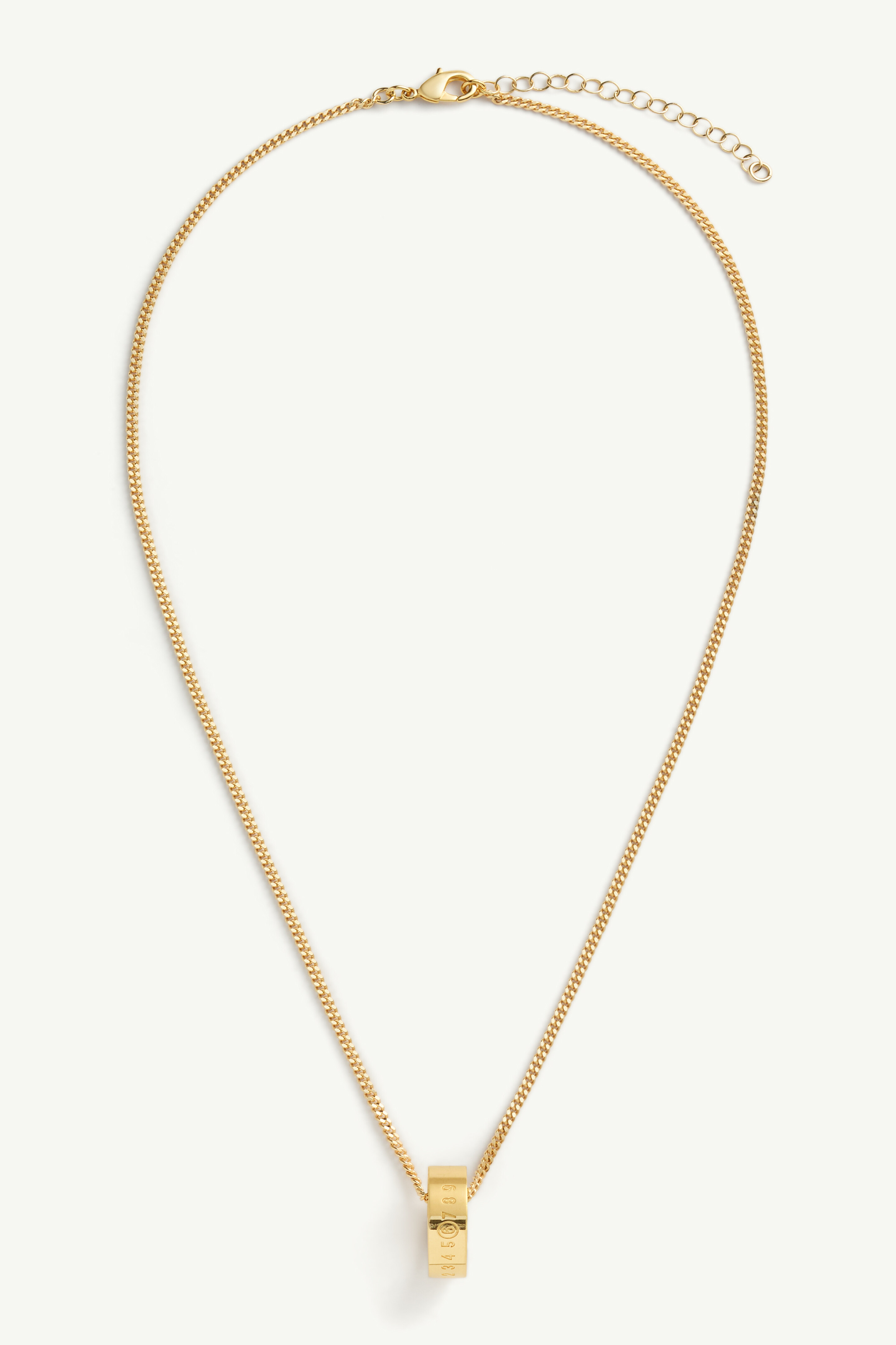
The numbered system came early. Collections were not named but assigned numbers: 1 for womenswear, 6 for basics, 10 for menswear, 14 for resale. Line 0 was bespoke. Line 13 was objects and publications. This was not branding in the traditional sense. It was taxonomy. It suggested that fashion could be organised like a library, that each piece belonged to a category, that the maison itself was a system of thought rather than a cult of personality.
The blank label was another founding code. Early Margiela garments carried no brand name, only a white cotton rectangle stitched to the outside of the garment, marked with a number corresponding to the collection line. Later, the four white stitches appeared on the back, sewn by hand, a mark of origin that could be removed if the wearer preferred. The implication was clear: the garment mattered more than the name.
Then there were the repurposed pieces. Margiela took old military socks and turned them into sweaters. He bought vintage gloves and stitched them into tops. He sourced deadstock fabrics and reconstructed them into new silhouettes. This was not sustainability in the contemporary sense — the word barely existed in fashion at the time — but it was a refusal of newness for its own sake. It suggested that value could be found in what already existed, that transformation was more interesting than invention.
The overlooked signatures
Some codes never made it to the runway but appeared consistently in the atelier's work. The use of trompe-l'œil, for instance. Margiela printed photographic images of jewellery onto fabric and turned them into necklaces. He screen-printed images of garments onto other garments, creating the illusion of layering where none existed. This was not deconstruction but reconstruction, a way of questioning what a garment could represent beyond its material form.
The flat shoe was another signature. While the fashion world was fixated on heels, Margiela showed collection after collection in Tabis with flat soles, or in simple leather flats, or barefoot. The Tabi boot itself — based on a 15th-century Japanese work shoe — was never about height. It was about proportion, about how a split toe changes the line of a leg, about function over ornament.
There was also the house's approach to colour, or rather, the absence of it. Early collections leaned heavily on white, grey, beige, black. When colour appeared, it was often through repurposed materials — a vintage scarf, a deadstock fabric — rather than through deliberate dyeing. The palette was not minimal by design but minimal by elimination, a refusal of the seasonal colour story that dictated most fashion houses' output.
The sizing system, too, was deliberate. Margiela garments were often cut oversized, with sleeves too long, shoulders too wide, hems that pooled. This was not poor tailoring. It was a rejection of the fitted silhouette, a suggestion that clothes could relate to the body without clinging to it. The effect was to make the wearer look smaller, more fragile, more human inside the garment.
The Galliano era
When John Galliano took over as creative director in 2014, the question was whether these codes could survive translation. Galliano is not a minimalist. His work at Dior was theatrical, maximalist, rooted in historical reference and narrative excess. The fear was that he would bury Margiela's language under his own.
What happened instead was stranger. Galliano kept the numbered system, the blank labels, the Tabi boots. He kept the atelier's approach to deconstruction. But he turned the volume up. Seams were not just exposed but exaggerated, pulled apart, reconstructed into new forms. Garments were not just oversized but architecturally distorted, ballooning at the hip or collapsing at the shoulder. The quiet codes became loud.
The Artisanal collection — Line 0, the bespoke line — became Galliano's primary vehicle. These were one-off pieces, shown on the haute couture calendar, made entirely in the atelier. They were also the most extreme expression of Margiela's founding principles: garments built from repurposed materials, deconstructed and reconstructed, each one a commentary on fashion's relationship to waste, to history, to the body.
But something was lost in the translation. The early Margiela codes were quiet because they trusted the viewer to notice. They did not explain themselves. Galliano's Margiela explains constantly. The deconstruction is so visible, so insistent, that it stops being a question and becomes a statement. The house's language is still there, but it is being shouted rather than whispered.
What remains
Walk into a Margiela boutique now and you will find the Tabi boots in a dozen iterations. You will find the Replica sneakers, the Glam Slam bag, the perfume line with its blank labels and hand-written batch numbers. You will find the four white stitches on the back of nearly everything. These are the codes that survived because they could be sold.
The codes that did not survive are harder to find. The blank label is still there, but it now shares space with visible branding. The repurposed garments still appear in the Artisanal line, but they are one-offs, collector's pieces, not part of the ready-to-wear offering. The flat shoe remains, but it is no longer the default. The house still deconstructs, but it does so in a way that announces itself, that demands to be seen.
This is not a failure. It is an evolution. Maison Margiela is not a museum. It is a commercial house, and commercial houses must sell. The question is not whether the founding codes have been abandoned but whether they still mean anything when they are no longer quiet.
There is a photograph from the spring 1997 collection. A model walks in a coat made entirely from vintage scarves, stitched together at the edges, the fringe left intact. The coat is beautiful, but it is also provisional. It looks like it might come apart at any moment. It looks like it was never meant to last. That was the point. Margiela's codes were not about permanence. They were about possibility, about what fashion could be if it stopped trying to be timeless and started trying to be honest.
The coat is in a museum now. The codes are still there, if you know where to look.