The first thing you notice is the skull
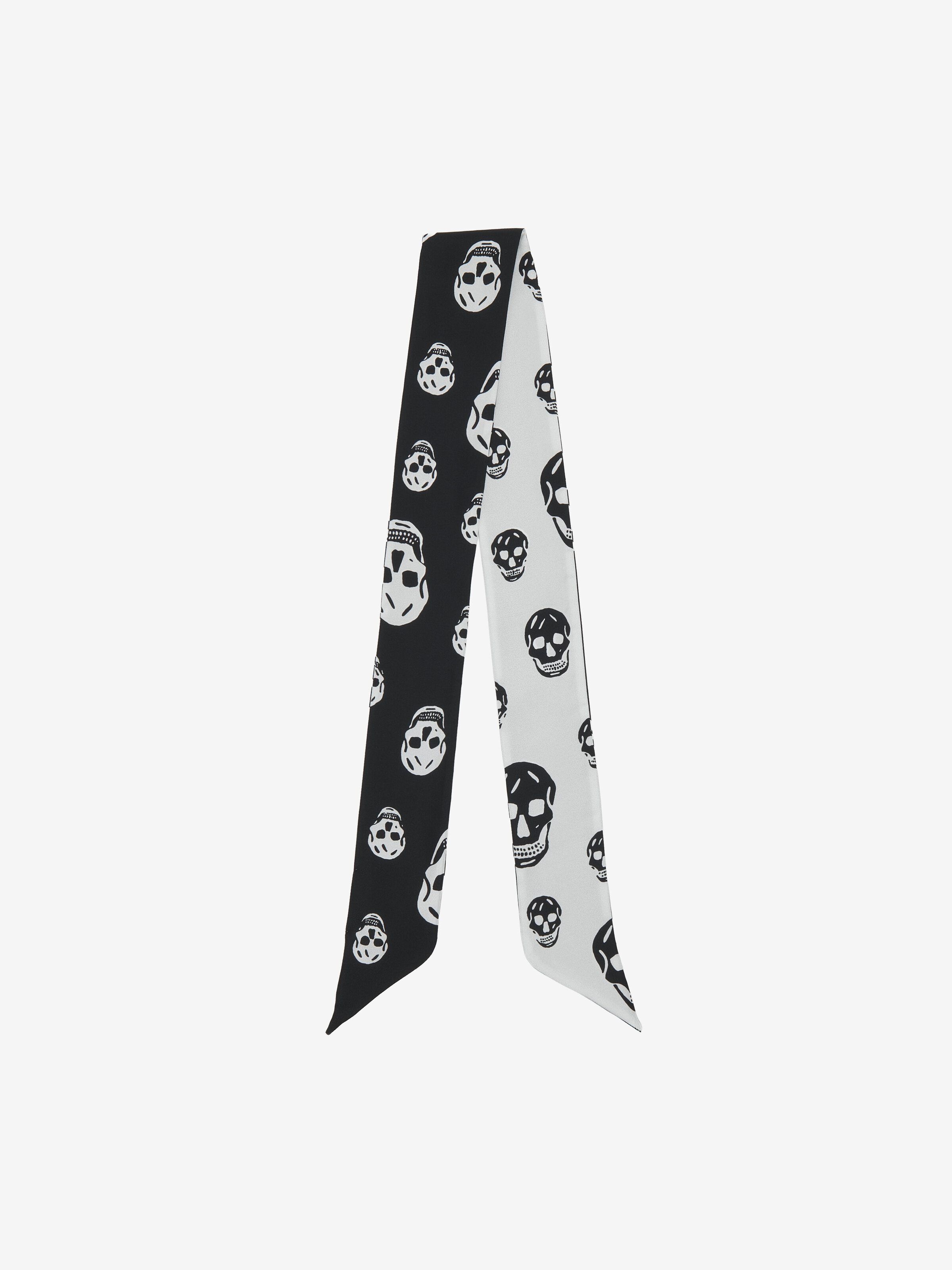
The first thing you notice is the skull. Not embroidered, not embossed — carved into the brass knuckles of a clutch, or grinning from the clasp of a belt, or reduced to a whisper in the jacquard of a scarf. It is the house signature, and it tells you what Alexander McQueen was about before you read a single press release. Beauty, yes. But beauty with teeth.
If you are starting here, you are starting with a house that never wanted to be easy. Lee Alexander McQueen, who founded the label in 1992 after a Savile Row apprenticeship and a stint with the theatrical tailors Angels & Bermans, built his reputation on shows that felt more like performance art than commerce. Models walked through fire. They wore antlers. They stood on turntables while robots spray-painted their white cotton dresses. The clothes themselves — razor-sharp tailoring, corsetry that could have come from a Victorian fever dream, prints pulled from nature at its most unsettling — were never about comfort. They were about power, provocation, the idea that fashion could make you feel something other than polite admiration.
McQueen took his own life in 2010. The house continued under Sarah Burton, his longtime collaborator, who spent thirteen years softening the edges without losing the spine. In 2023, Seán McGirr took over. He is younger, less known, and working in the long shadow of a founder who is still spoken about in the present tense by people who knew him.
What the house does now
McGirr's McQueen is not his predecessor's. The silhouettes are looser. The tailoring still carries the anatomical precision McQueen himself learned on the Row, but it sits differently — softer through the shoulder, wider through the leg. The evening pieces lean into fluidity rather than structure. You see more jersey, more draping, fewer of the bone-deep corsets that Burton favoured. The skull remains, but it shares space with florals, with abstracted natural forms, with a kind of romanticism that feels less gothic and more… open.
It is too early to say whether this works. McGirr has had two years. The reviews are mixed. What is clear is that he is not trying to recreate what came before, which is probably the only sensible approach when what came before was unrepeatable.
The handbags, however, are consistent. The Jewelled Satchel — a structured top-handle with that knuckleduster clasp — has been in the lineup since 2010 and remains the house's most recognisable piece. The Curve bag, a half-moon shape with a chain strap, is quieter but no less considered. Both are expensive. The Jewelled Satchel starts around €2,200 for the small version. The Curve sits closer to €1,800. These are not entry-level prices, but they are entry-level McQueen, which is a different calculation.
Where to begin
If you are buying your first piece, buy the thing you will wear most, not the thing that feels most McQueen. A black wool pencil skirt with a subtle kick pleat will serve you better than an embroidered leather biker jacket, even if the jacket is more dramatic. The house does excellent knitwear — ribbed, architectural, occasionally slashed or asymmetric — and the price point is more accessible than the tailoring. A crewneck in black or ivory runs around €650. A cardigan with the skull motif woven into the hem might push €900. These are pieces you can wear twice a week without thinking about it.
The tailoring is where the house still shows its roots. A single-breasted blazer in black wool, cut with a nipped waist and a strong shoulder, will cost you upwards of €2,000. It is expensive, but it is also the kind of jacket that makes a white t-shirt and jeans look like you meant it. McQueen tailoring is not forgiving. The fit is precise. The shoulders do not slouch. If you are between sizes, size up — the cut is unforgiving enough that you want ease, not tension.
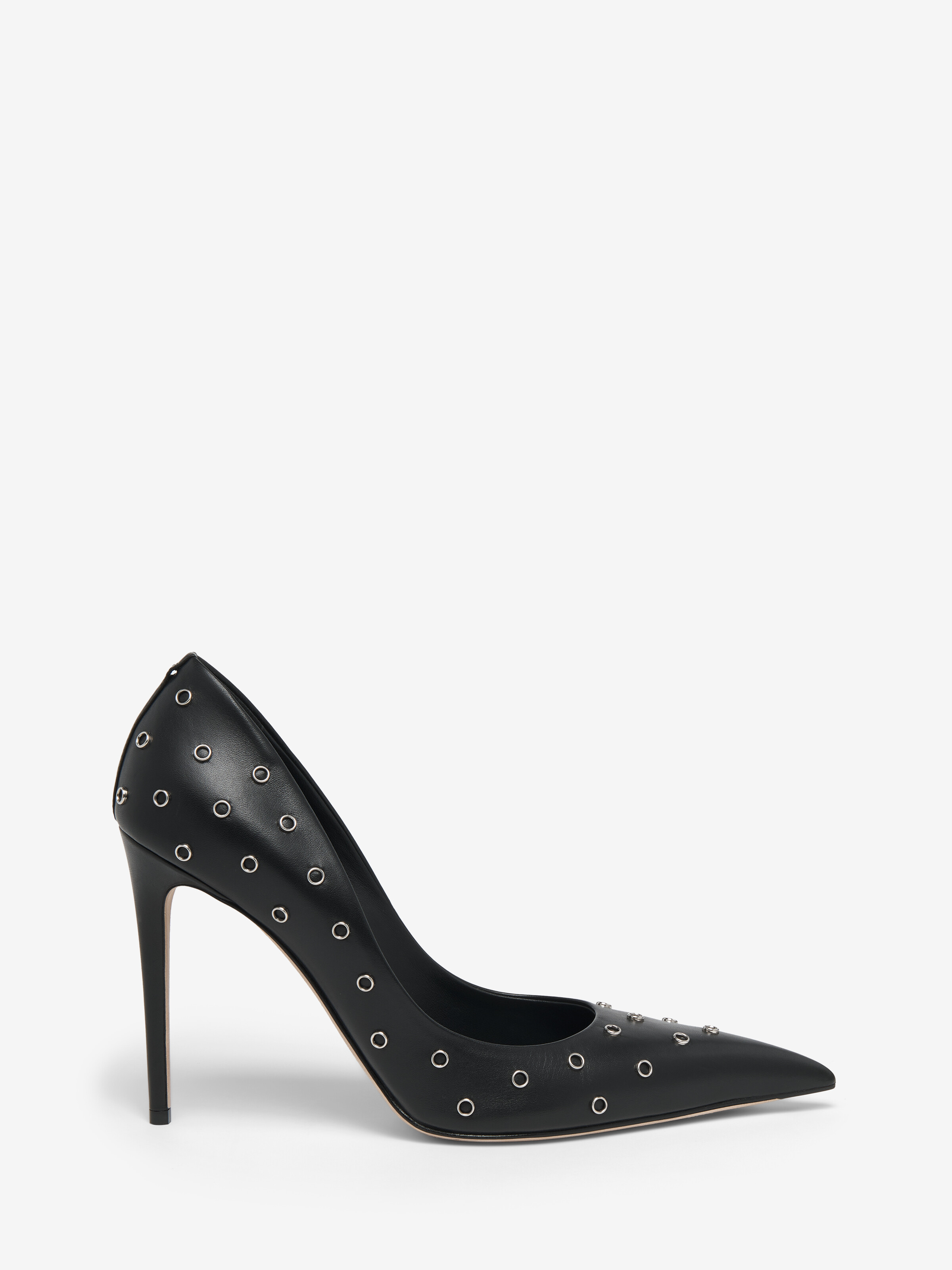
Footwear is another matter. The Tread Slick boot — a chunned lug-sole Chelsea — became a bestseller under Burton and has remained in rotation under McGirr. It is not subtle. The sole is exaggerated, the leather is thick, and the whole thing weighs more than you expect. But it works with everything from cropped trousers to midi skirts, and it lasts. Expect to pay around €750. The Oversized sneaker, a chunky low-top with an exaggerated sole, is slightly less but still north of €500. Both are statement pieces. If you want something quieter, the house also makes a pointed-toe ankle boot in smooth leather that reads more classic. It is still McQueen — the heel is architectural, the toe is sharp — but it does not announce itself the way the Tread does.
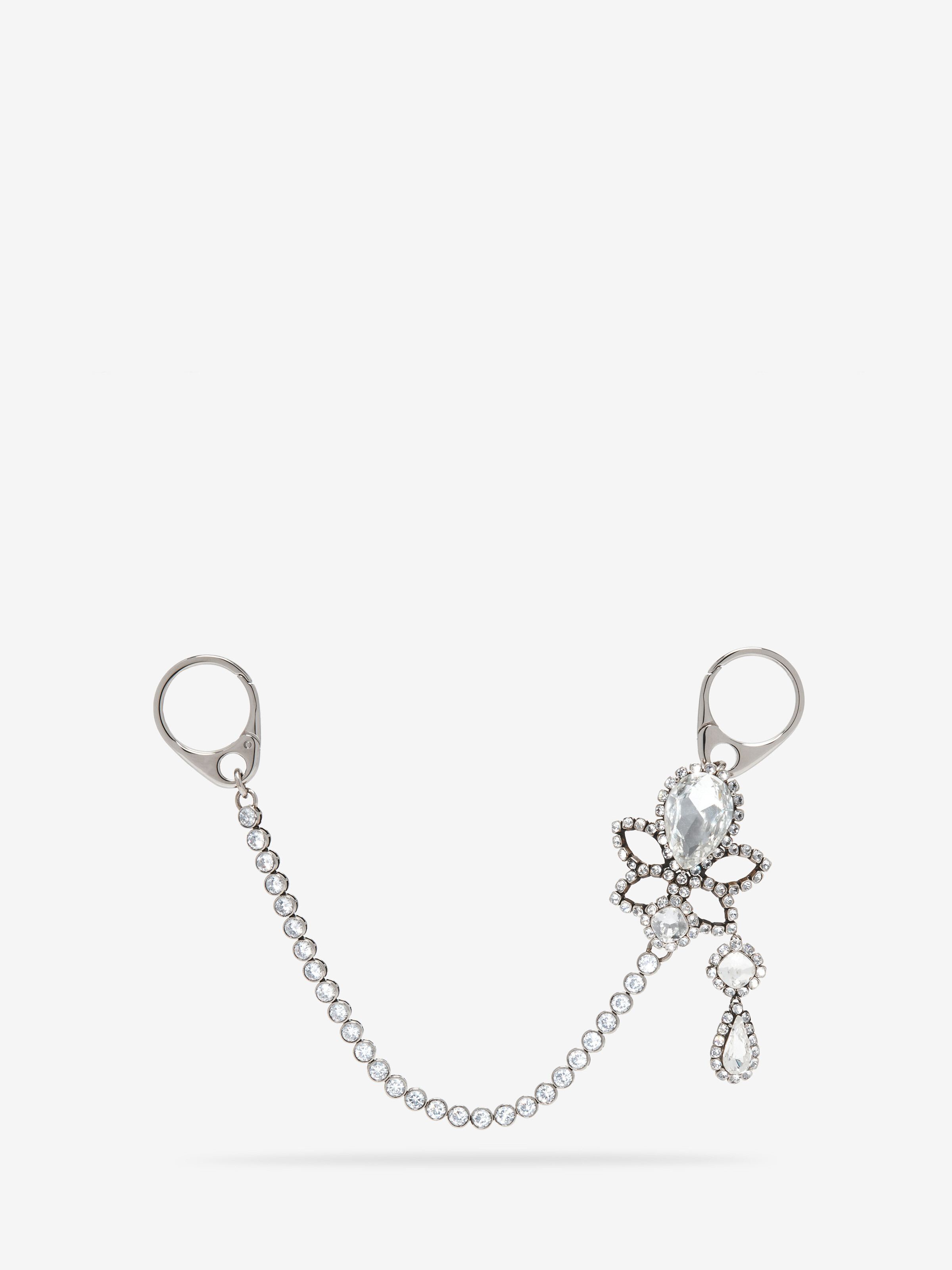
Scarves are the quiet entry point. A silk square with a skull or floral print runs around €350. It is a piece you can wear now and still wear in a decade, and it telegraphs the house's aesthetic without requiring you to commit to a four-figure handbag. The same logic applies to jewellery. A thin brass cuff with the skull motif is under €300. A chain bracelet with the same detail might be €400. These are not investment pieces in the traditional sense, but they are recognisable, wearable, and less prone to trend cycles than, say, a logo belt.
What you should know before you buy
Alexander McQueen is not a house that does quiet luxury. If you are looking for something understated, something that whispers wealth rather than stating it, you are in the wrong place. Even the simplest pieces — a black wool coat, a leather tote — carry a certain sharpness. The cuts are deliberate. The details are visible. A McQueen piece does not blend into a wardrobe; it anchors it.
The sizing runs true to UK standards, which means it can run small if you are used to American or Italian cuts. The tailoring especially is designed for a fitted silhouette. If you are buying online, check the size guide and err on the side of caution. Returns are straightforward through the house's own site, less so through third-party retailers.
Quality is consistent. The leather goods are made in Italy. The tailoring is constructed with the kind of internal finishing you expect at this price point — full canvas, bound seams, proper sleeve heads. The knitwear is dense and holds its shape. The hardware on bags and belts is solid brass, not plated zinc. You are paying for craft, not just brand equity.
The resale market is active but uneven. Iconic pieces from McQueen's own era — the Bumster trousers, the Armadillo boots — command serious prices when they surface. Burton-era pieces hold value if they are in good condition, particularly the Jewelled Satchel and the more theatrical evening wear. McGirr's work is too new to have established secondary market value, which means you are buying for use, not speculation.
The question of legacy
There is a tension in buying McQueen now. The house is named for a designer who is gone, run by a creative director who is still finding his footing, and beloved by people who remember the shows that happened before most of the current customer base was old enough to care. It is not a living archive, but it is not entirely free of its past either. The skull, the tailoring, the sense that fashion should be more than decoration — these remain.
What you are buying, then, is not continuity. It is a conversation. Between what McQueen built, what Burton preserved, and what McGirr is attempting. The clothes do not resolve that conversation. They sit inside it. A black blazer with a nipped waist and a strong shoulder is still a black blazer with a nipped waist and a strong shoulder, whether it was cut in 2009 or 2025. The skull on a scarf is still a skull. You wear it, and you carry the weight of what it meant, and what it might mean now. That is the point.