The first Tom Ford fragrance counter I saw in Milan was in La Rinascente, winter 2007
The first Tom Ford fragrance counter I saw in Milan was in La Rinascente, winter 2007. Black lacquer vitrines, gold lettering, a sales associate in a black suit sharp enough to cut cloth. The perfume bottles sat like chess pieces. You didn't sample casually. You asked permission.
That aesthetic control—the kind that makes a customer feel like they're interrupting—was already Tom Ford's signature years before he put his name on a label. He'd spent a decade and a half teaching the industry that desire could be designed with the precision of a mechanical watch. Gucci first, then Yves Saint Laurent. By the time he launched his own house in 2005, he wasn't building a brand. He was opening a private members' club and selling tickets at the door.
The Gucci years, or how to wake a house from the dead
Tom Ford didn't arrive at Gucci in 1990 with a plan to resurrect anything. He was hired as the women's ready-to-wear designer for a Florentine leather house that had spent the eighties selling logo'd canvas to tourists and watching its cachet drain into duty-free. The company was profitable in the way a decent handbag wholesaler is profitable. It was not relevant.
Ford became creative director in 1994. What he did next is still taught in business schools, though rarely with honesty about how much of it was about sex. The fall 1995 collection—velvet hipsters, satin shirts unbuttoned past the sternum, a model in a G-string and a fur coat—was so unapologetically louche that it short-circuited the critical apparatus. You couldn't dismiss it as vulgar when it was clearly referencing Helmut Newton, Halston, Studio 54. You couldn't call it retro when it looked like nothing else on a runway in 1995. Ford had found the narrow lane between tackiness and glamour, and he drove it at 140 kilometres an hour for the next decade.
The accessories followed. Gucci's bamboo-handle bag, dormant since the seventies, came back in patent leather and sold faster than the atelier could stitch them. The horsebit loafer went from country-club relic to editorial staple. Ford understood something most designers either don't grasp or refuse to admit: people don't want quiet luxury from a house with a double-G logo. They want permission to be obvious.
By 2004, when Ford and CEO Domenico De Sole left after the Pinault-Arnault wars, Gucci's revenue had grown from $230 million to over $3 billion. The math is almost obscene. So is the fact that Ford managed to do it again at Yves Saint Laurent, which he ran concurrently from 1999. Two houses, two near-death experiences, two resurrections. The man didn't so much have a Midas touch as a defibrillator.
Tom Ford the label, or control as product
When Ford announced he was launching his own house, the industry assumed menswear. He'd spent years dressing himself like a film star playing an architect—dark suits, white shirts, black knit ties, the uniform of a man who has already won. The first Tom Ford collection, shown in 2007, was exactly that: a men's line so specific in its point of view that it didn't need a runway. You went to a showroom. You sat on a leather banquette. A consultant helped you understand why you needed an eight-thousand-dollar suit.
The women's ready-to-wear came later, in 2010, and it looked like what Tom Ford thought a woman should wear to meet him for a drink. Which is to say: a dress cut to flatter in dim lighting, often in a jewel tone, sometimes with a metal zip up the side that made getting out of it part of the evening's agenda. The clothes were not subtle. Neither was the customer. Ford had built his entire business model on the premise that there are people who want to look like Tom Ford thinks they should look, and that those people have enough disposable income to make the entire enterprise worthwhile.
The beauty line—fragrance, cosmetics, skincare—became the engine. Private Blend launched in 2007 with scents like Tobacco Vanille and Oud Wood, each bottled in that now-ubiquitous fluted glass with the gold-stamped label. The prices were absurd. The margins were better. By 2022, Tom Ford Beauty was generating roughly 90 percent of the company's revenue, and the fashion had become what it probably always wanted to be: a very expensive advertisement for a way of life that included the fragrance.
Ford himself stepped back from design duties in 2023, right before Estée Lauder acquired the brand for $2.8 billion. He'd built a house where his own taste was the product, and then he sold it at the top of the market. The efficiency is almost moving.
The Haider Ackermann era, or what happens when the founder's name stays on the door
Haider Ackermann's appointment as creative director in 2023 was the kind of move that makes sense on paper and nowhere else. Ackermann is a superb tailor with a cult following among editors and a history of making clothes for people who think about drape the way oenophiles think about terroir. His work is intellectual, melancholic, beautiful in a way that photographs poorly and wears like a second skin. It is not Tom Ford.
The first collection, for fall 2024, tried to split the difference. Ackermann's signature fluid tailoring appeared in jewel tones that gestured toward Ford's eighties references. There were liquid jersey gowns, sharp-shouldered blazers, trousers with a break so perfect you wanted to applaud the fitter. The reviews were respectful. The commercial reaction was muted. The problem wasn't quality—Ackermann doesn't know how to make an ugly garment. The problem was that Tom Ford the brand had spent two decades training its customer to expect a very specific register of luxury, and Ackermann was offering them something quieter, more European, less explicitly seductive.
The spring 2025 collection leaned harder into Ackermann's own language: softer shoulders, longer hemlines, a colour palette that skewed toward sand, rust, deep plum. It looked like Haider Ackermann designing for a house called Haider Ackermann. Which raises the question no one at Estée Lauder seems interested in answering: what is Tom Ford without Tom Ford?
The beauty business doesn't care. Fragrance counters still move Fucking Fabulous and Bitter Peach at a pace that would make a Sephora buyer weep with envy. The handbags—structured top-handles, chain-strap shoulder styles in supple calf—sell because they look expensive in an iPhone photo, which is now the only product photography that matters. Ready-to-wear is a rounding error. Ackermann could show sleeping bags on the runway and the P&L wouldn't flinch.
What remains
There's a Tom Ford boutique on via Montenapoleone that I walk past most weeks. The windows change seasonally, but the aesthetic is fixed: black lacquer, gold hardware, a mannequin in a tuxedo jacket and nothing else. It looks the way it looked in 2007. It will look the way it looks in 2027.
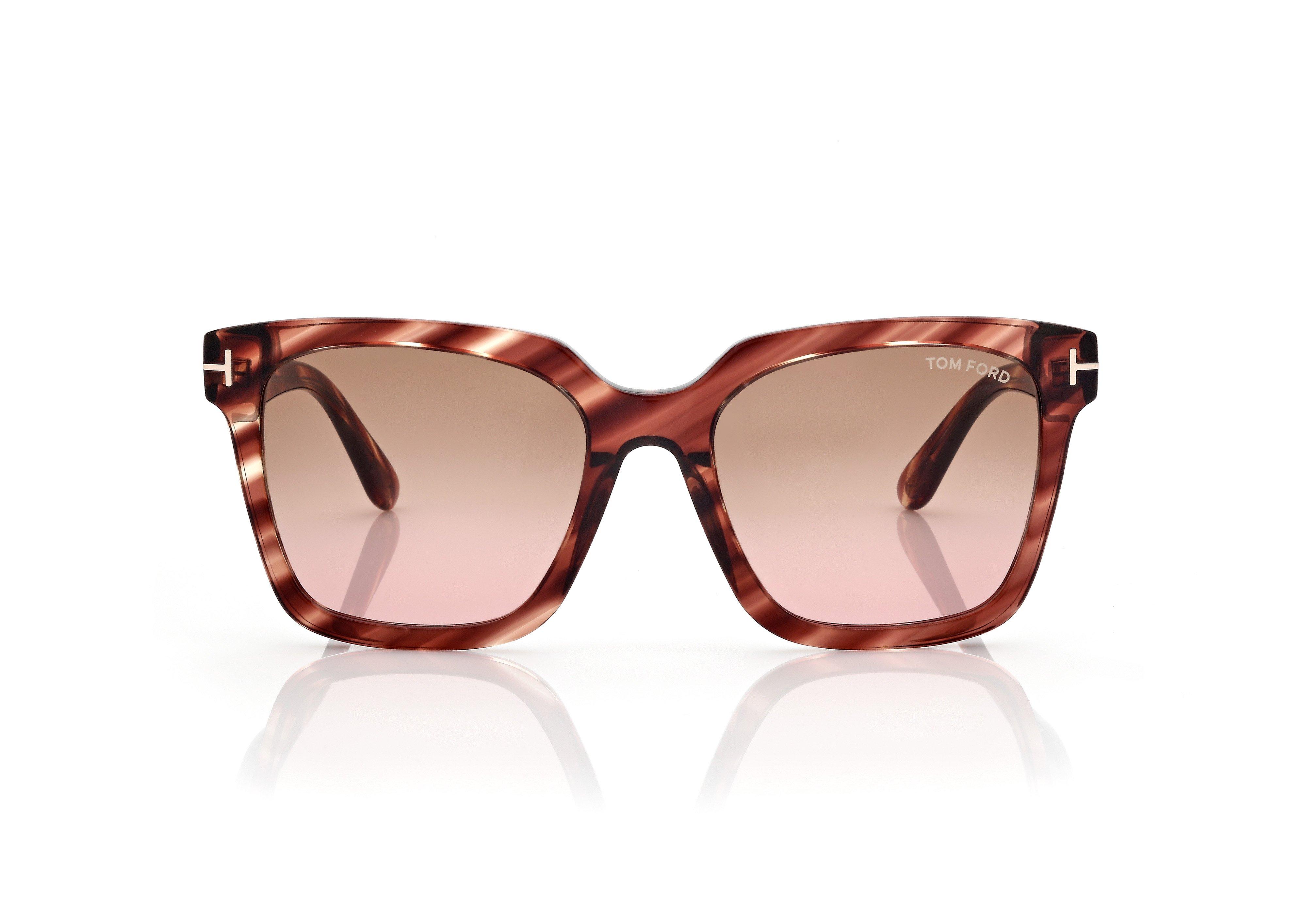
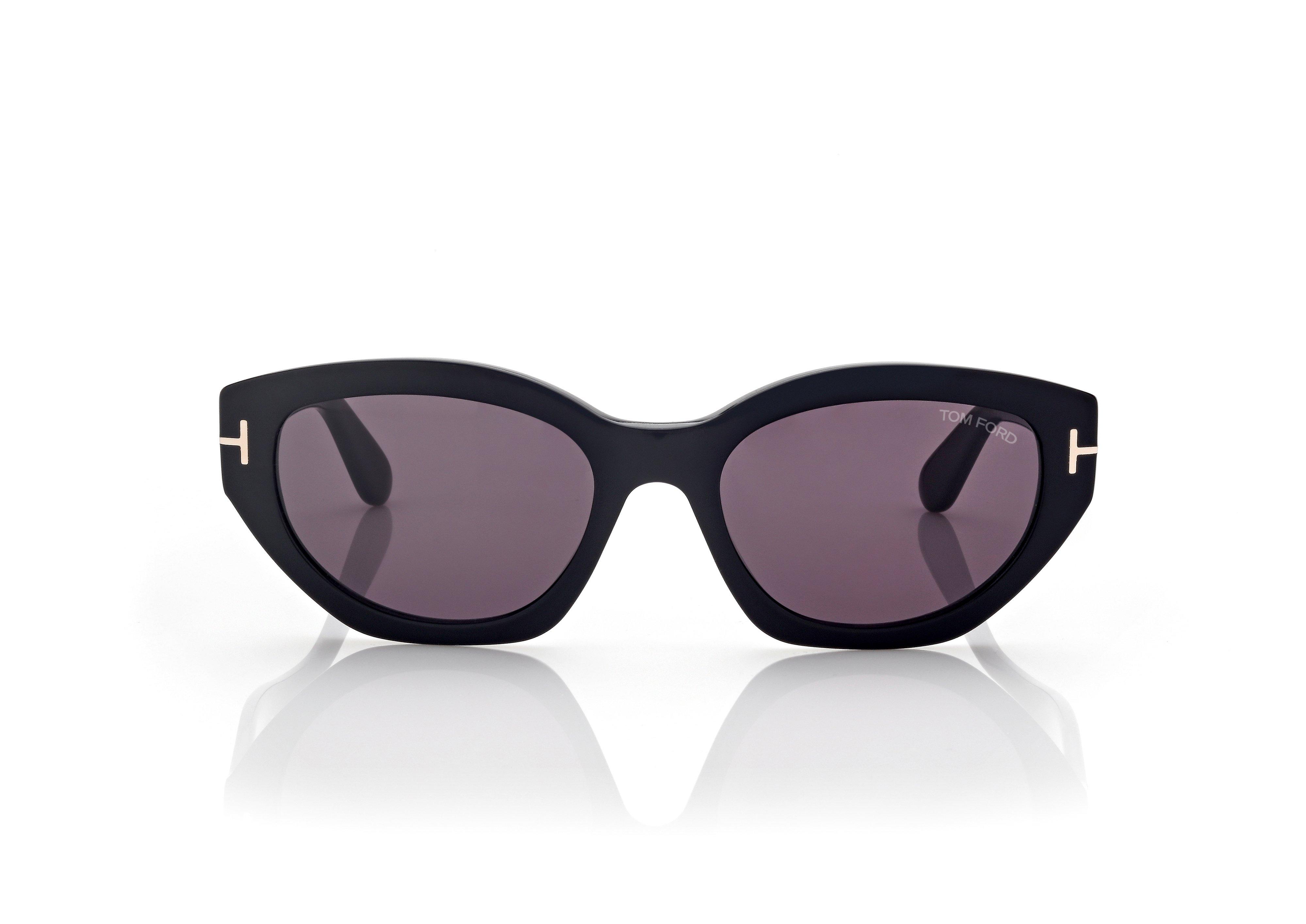
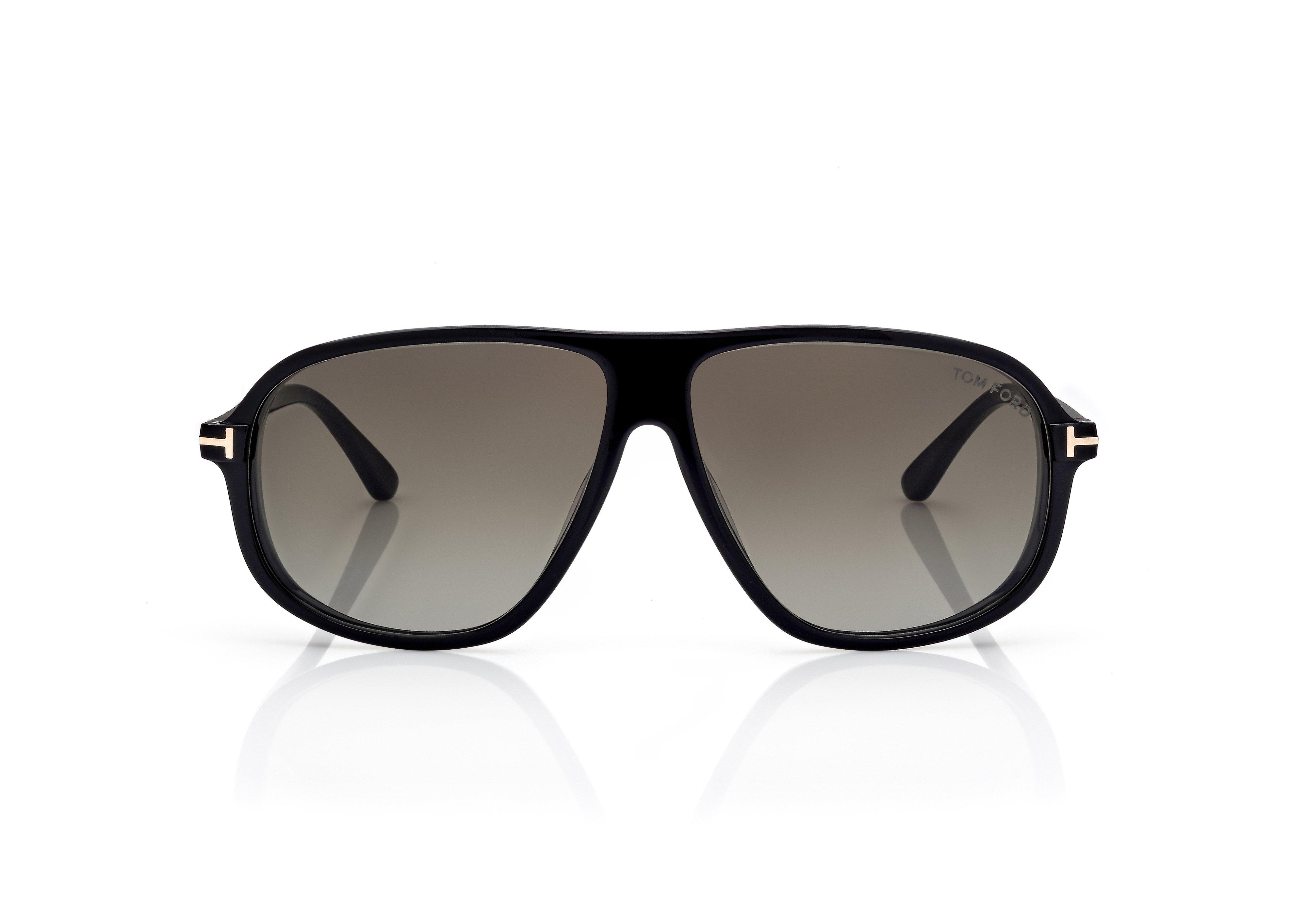
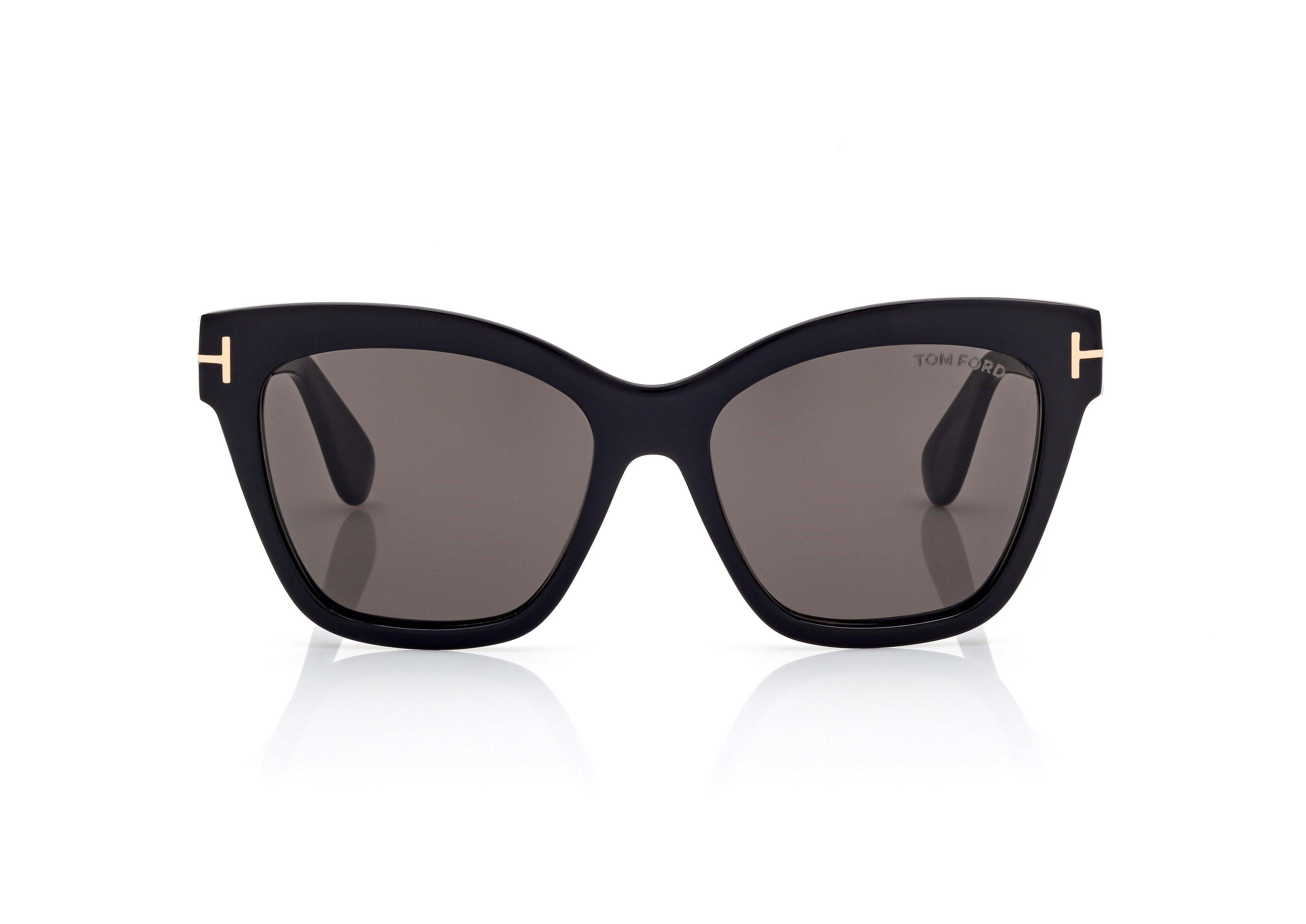
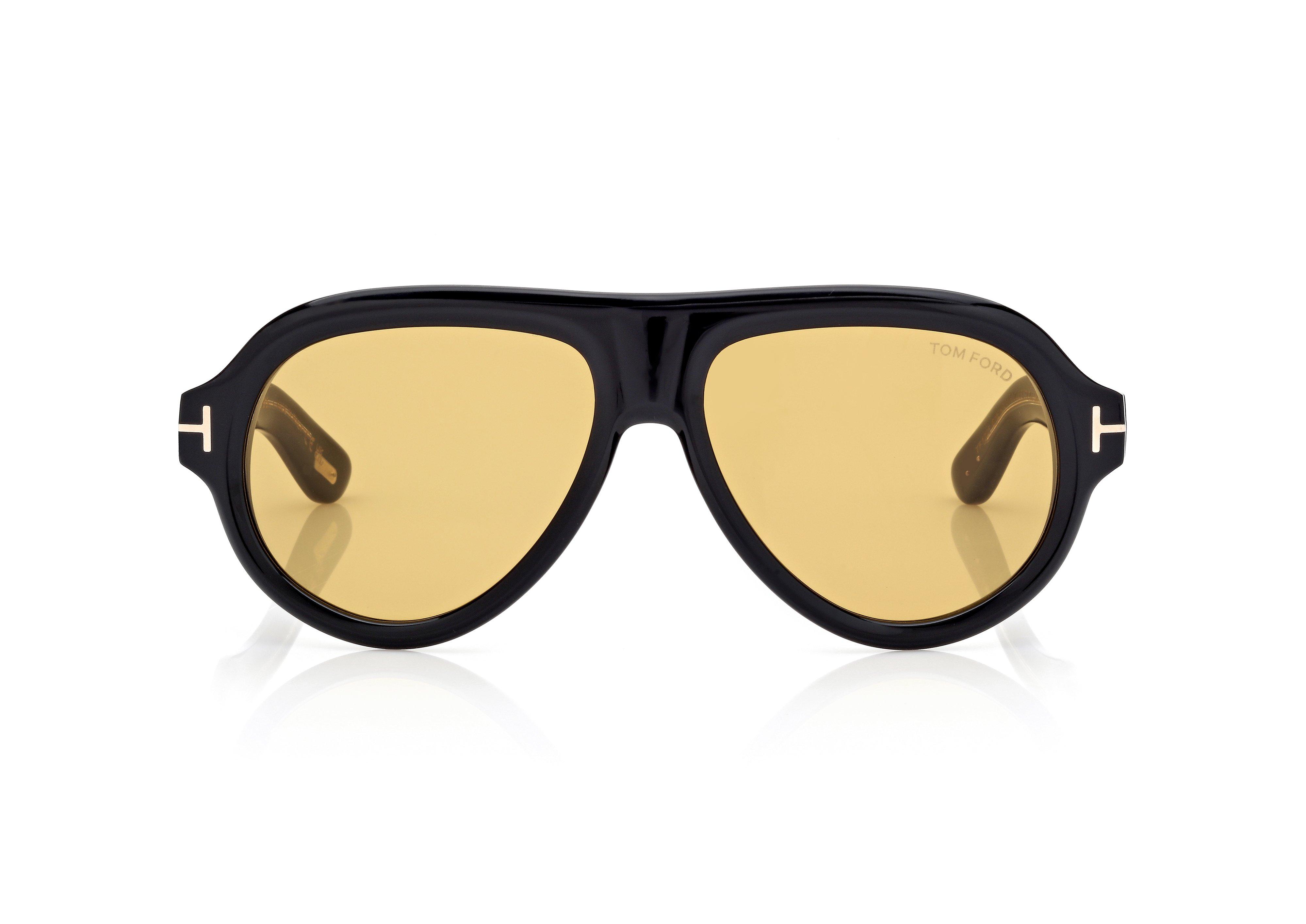
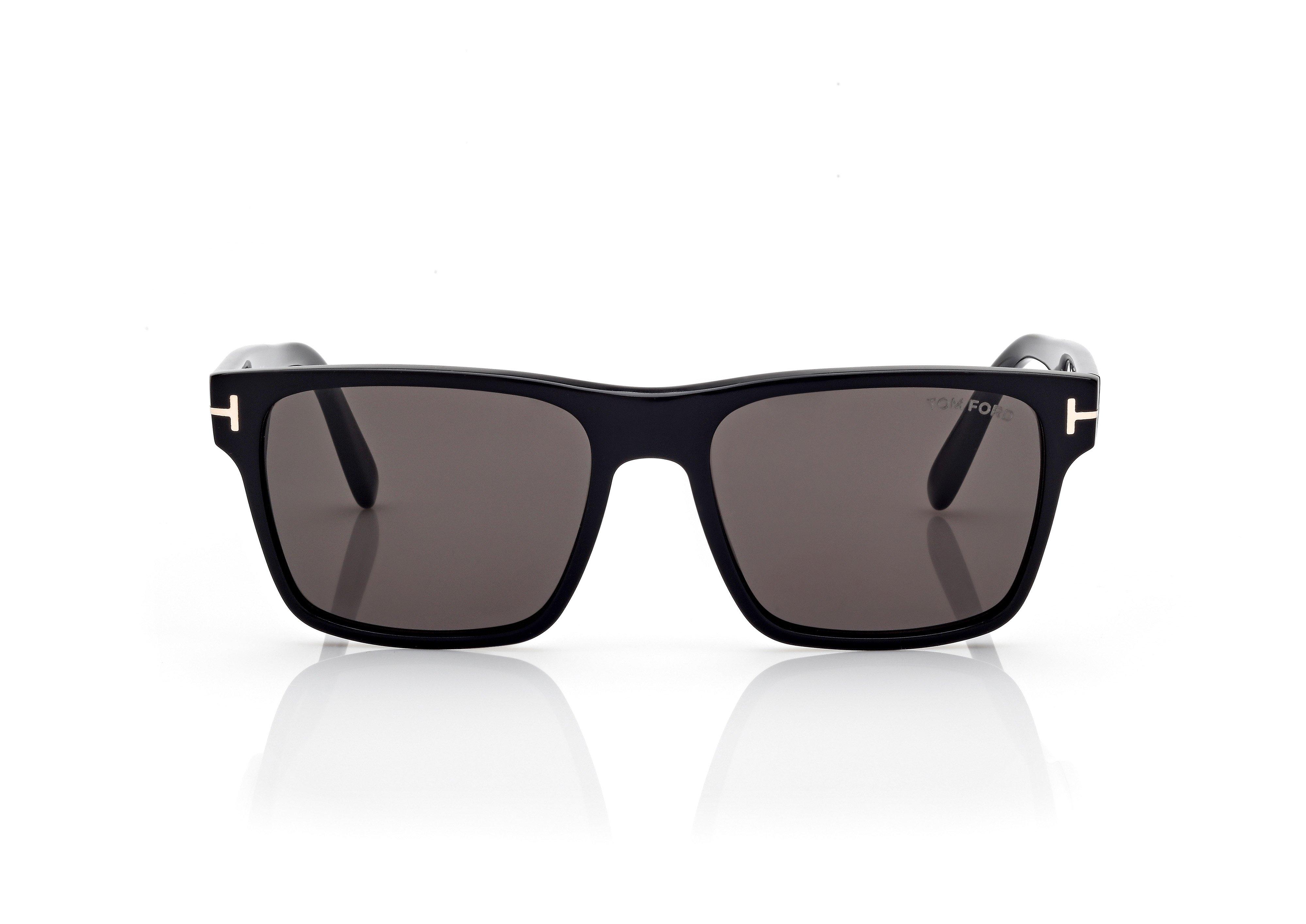
Inside, the ready-to-wear occupies maybe a third of the floor space. The rest is fragrance, cosmetics, small leather goods, sunglasses. A sales associate once told me that most customers come in asking for a lipstick shade they saw on someone's Instagram and leave with a candle. The average transaction is under three hundred euros. The house isn't selling a wardrobe. It's selling a sample of a life that Tom Ford staged two decades ago and then left running on autopilot.
Ackermann's task—if it even is a task and not just a decorative appointment—is to convince a customer who bought into one man's fantasy of adulthood that another man's version is worth paying attention to. It's possible he succeeds. It's more likely the question becomes irrelevant, and Tom Ford the house becomes what it's already halfway toward: a beauty conglomerate with a fashion division it keeps around for the same reason a luxury hotel keeps a Michelin-starred restaurant it knows will never turn a profit. Prestige is expensive. But so is looking like you don't care about it.