The fur coat that started it all wasn't meant to be revolutionary
The fur coat that started it all wasn't meant to be revolutionary. In 1925, Adele Casagrande opened a leather and fur workshop on Via del Plebiscito in Rome, stitching linings into coats for women who could afford them and repairing the ones that couldn't. Her daughter Paola married Edoardo Fendi a year later, and the workshop became a family name. The coats stayed practical. The revolution came forty years later, when five daughters inherited the business and hired a twenty-seven-year-old from Hamburg who thought fur could be light.
The Fendi Sisters and the Man from Hamburg
By 1965, Fendi had grown into a respected Roman furrier—solid, conservative, profitable in the way second-generation businesses tend to be. Paola, Anna, Franca, Carla, and Alda Fendi took over that year and immediately did what their mother wouldn't have: they called Karl Lagerfeld.
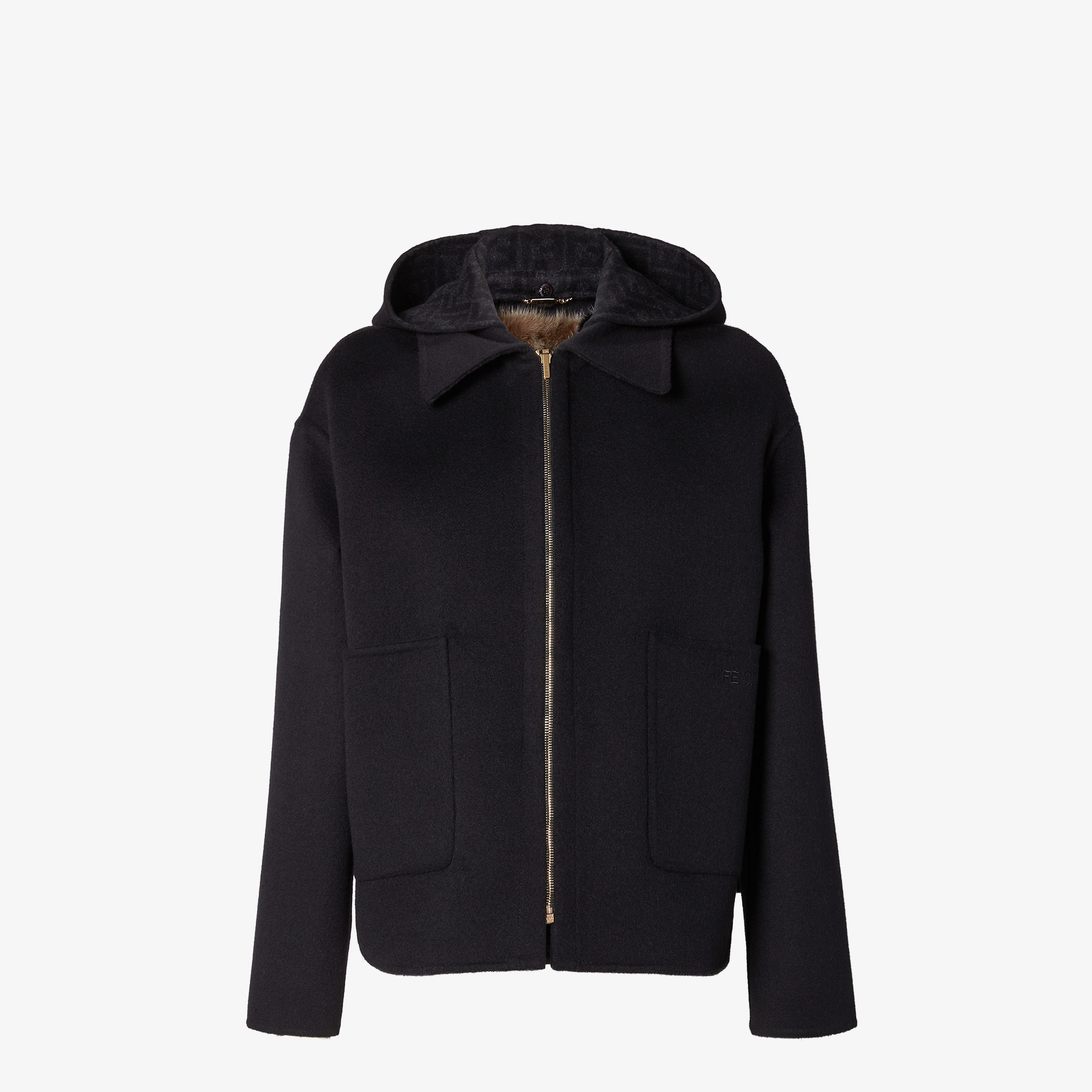
Lagerfeld arrived with no particular reverence for fur as a material. He treated mink like cotton, sheared it, woven it, punched holes through sable. He dyed chinchilla in colours that didn't exist in nature. The atelier on Via Borgognona had to learn new techniques because the ones they knew didn't apply anymore. Fur became something you could wear in April. It became, for the first time in the house's history, young.
The double F logo—Fun Fur—appeared in 1965, designed by Lagerfeld on a napkin or a tablecloth depending on which sister you ask. It didn't matter. What mattered was that Fendi stopped being a place where your mother bought a coat and became a place where you bought a bag.
The Baguette launched in 1997. Silvia Venturini Fendi, third generation, designed a small shoulder bag meant to tuck under your arm the way a Frenchwoman carries bread. The proportions were wrong for practicality—too narrow, too short, hardware too prominent—but the proportions were right for being seen. Carrie Bradshaw wore one on Sex and the City. Fendi made it in six hundred variations. The bag moved units in a way fur never could, and by the time LVMH took majority control in 2001, the house had pivoted entirely. Fur stayed in the collection, but leather paid the rent.
Lagerfeld stayed for fifty-four years. He died in February 2019, three weeks before his final Fendi show. The runway that season had no finale walk. The models kept circling.
Silvia Venturini Fendi and the Architecture of Leather
Silvia Venturini Fendi is the only designer at a major European house who has never worked anywhere else. She started in the Fendi accessories atelier in 1994, took over menswear in 1998, and has been accessories creative director since the beginning. When people talk about Fendi's design continuity, they mean her.
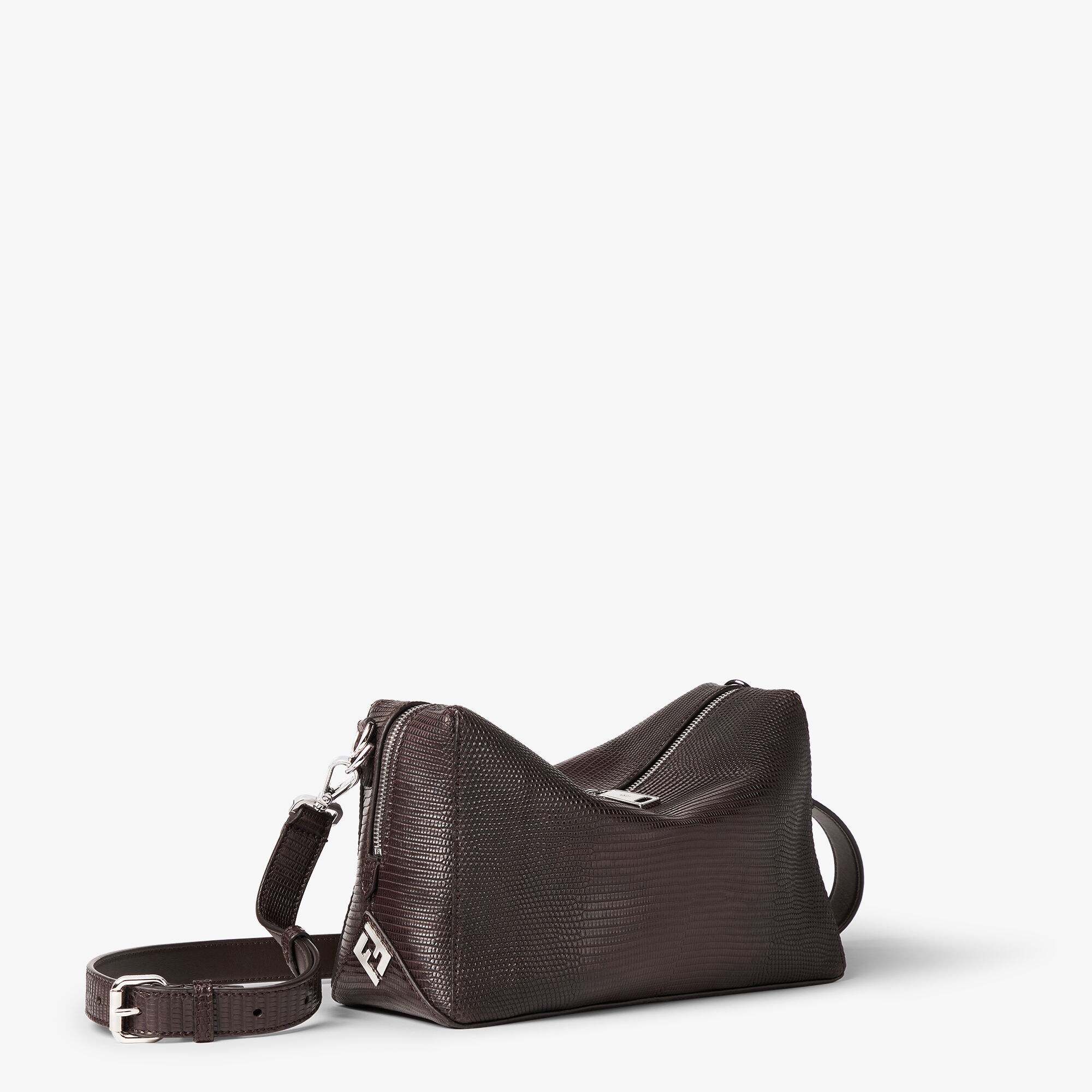
Her work doesn't look like Lagerfeld's, but it operates on the same principle: materials should do things they're not supposed to. The Peekaboo, introduced in 2008, is structured like a doctor's bag but flexes like soft leather shouldn't. The frame is rigid, the body gives. You can collapse it flat or let it bloom depending on how much you're carrying. It's the kind of engineering that only makes sense if you've spent twenty years inside a leather atelier learning what cowhide will tolerate.
She approaches menswear the same way—construction first, gesture second. The Fendi man wears a double-breasted coat in vacuum-sealed nylon or a suit with the proportions of a 1950s Roman tailor but made in technical jersey. It's not streetwear and it's not tailoring. It's the version of both that survives a Roman summer.
When Kim Jones arrived in 2020 to take over womenswear, Venturini Fendi stayed in her lane. That almost never happens. Most houses restructure when a new creative director walks in. Fendi didn't. Jones does the runway, Venturini Fendi does the accessories and the men's collections, and the two operate as separate practices under the same name. It works because neither one is trying to be Karl.
Kim Jones and the Craft Conversation
Jones came from Dior Men with a reputation for collaborations and a Rolodex that spans skate culture and Savile Row. His first Fendi collection, shown in September 2020, opened with a coat that referenced the house's 1960s archives but cut in bonded nylon. The proportions were Lagerfeld's, the textile wasn't. The collection sold.
What Jones understood immediately is that Fendi's strength has never been about a single silhouette. It's about material knowledge. The atelier can do things with leather and fur that other houses farm out to specialists. Jones uses that. His second season featured a shearling coat that had been laser-cut into a geometric pattern so fine it looked like lace. You can't do that anywhere else. You can only do that at Fendi.
His collaborations follow the same logic. The Fendi x Versace swap in 2021—Fendace—wasn't a streetwear drop. It was two Italian houses trading techniques. Donatella Versace designed a Fendi collection using Versace's print archive and body-con tailoring. Jones designed a Versace collection using Fendi's fur and leather atelier. The result looked like what it was: two design languages spoken by people who know how to cut.
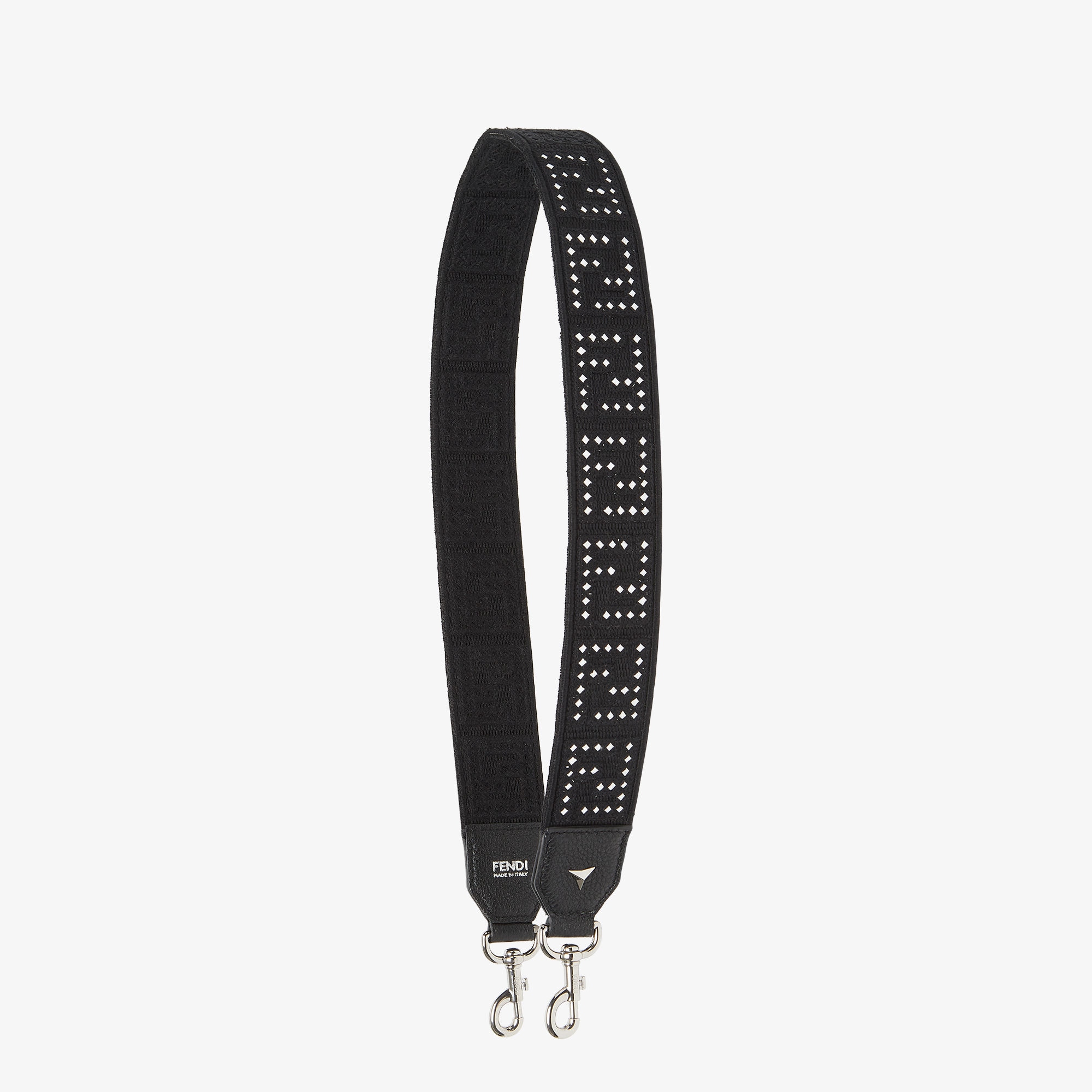
Jones also brought back the Baguette, which had gone quiet for most of the 2010s. He didn't reissue it, he kept designing it. New clasp, new strap length, new textile treatments every season. The bag works because it's small enough to stay visible and structured enough to hold its shape on a shoulder. It's been in production for twenty-six years, and it still looks current because Jones keeps moving the details.
Where the House Stands
Fendi occupies an unusual position now. It's not a heritage house trading on past glory, and it's not a disruptor trying to burn down the old system. It's a third-generation family business that became an LVMH subsidiary but kept the family involved. Silvia Venturini Fendi still works in the same building where her grandmother started the business. The Palazzo della Civiltà Italiana—Fendi's headquarters since 2015—sits in EUR, the Mussolini-era district south of Rome that nobody goes to unless they work there. It's not trying to be Milanese. It's not trying to be Parisian. It's Roman in the way that Roman fashion has always worked: craft first, show second.
The house's leather goods still sell harder than the runway. The Peekaboo and the Baguette move inventory every season. The First, introduced in 2021, is structured like a 1950s handbag but collapsible, which means it packs flat for travel but reads as formal when you need it to. It's the kind of problem-solving that only happens when a designer has been inside the same atelier for thirty years.
Fendi's shows are still in Milan, but the atelier is still in Rome. The furs are still hand-stitched on Via Borgognona. The leather comes from the same Tuscan tanneries Adele Casagrande used in 1925, though the finishes are different now. Most of the artisans in the atelier are second- or third-generation themselves. They learned from people who learned from people who worked with Lagerfeld in the 1970s.
That's the through line. Not a single designer, not a signature silhouette, but a way of approaching materials that hasn't changed in sixty years. Fur can be light. Leather can be structural. A bag can look like an object and function like a tool.
The Baguette still tucks under your arm the way Silvia Venturini Fendi designed it in 1997. The proportions are still wrong for practicality. The proportions are still right for being seen.