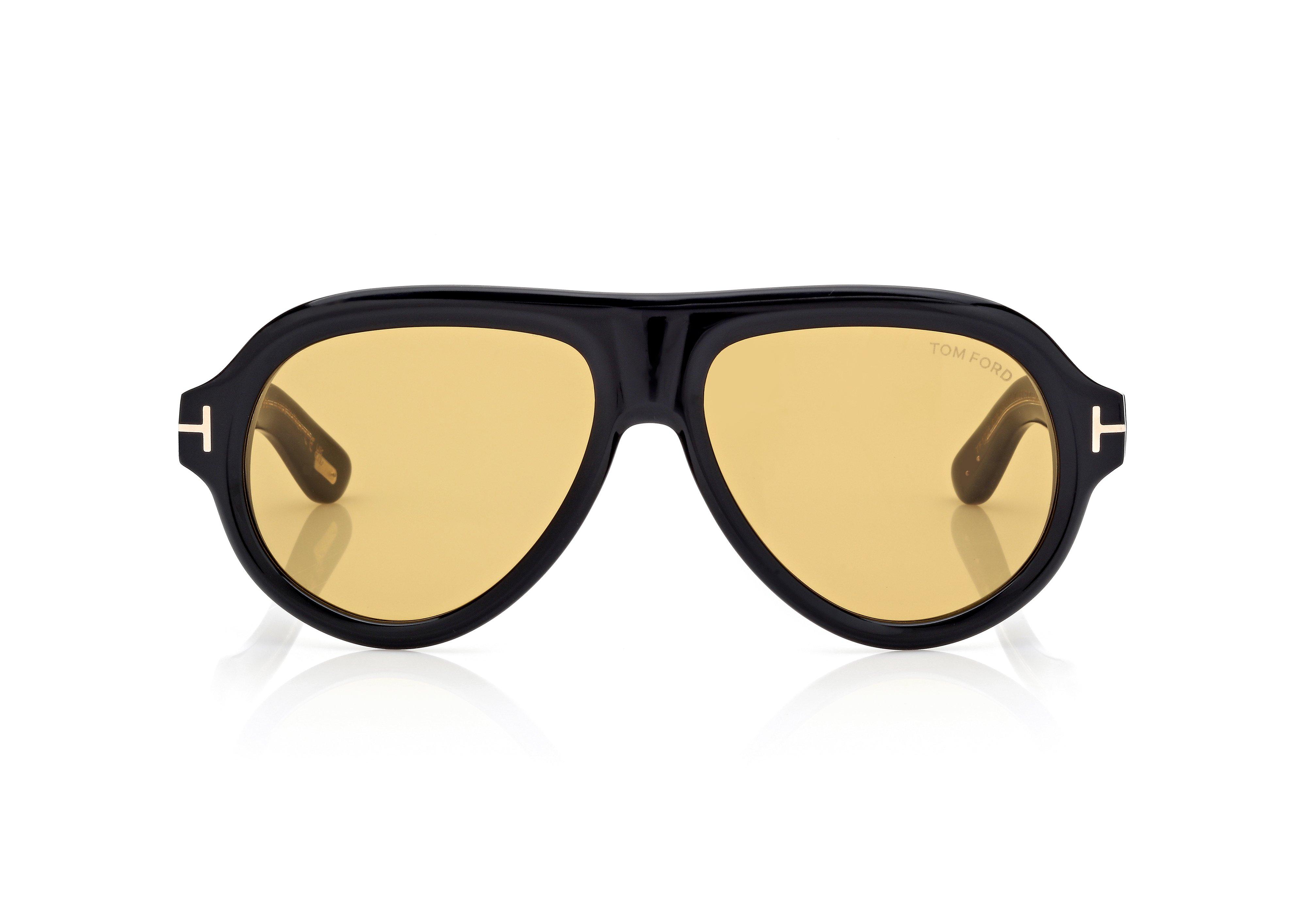
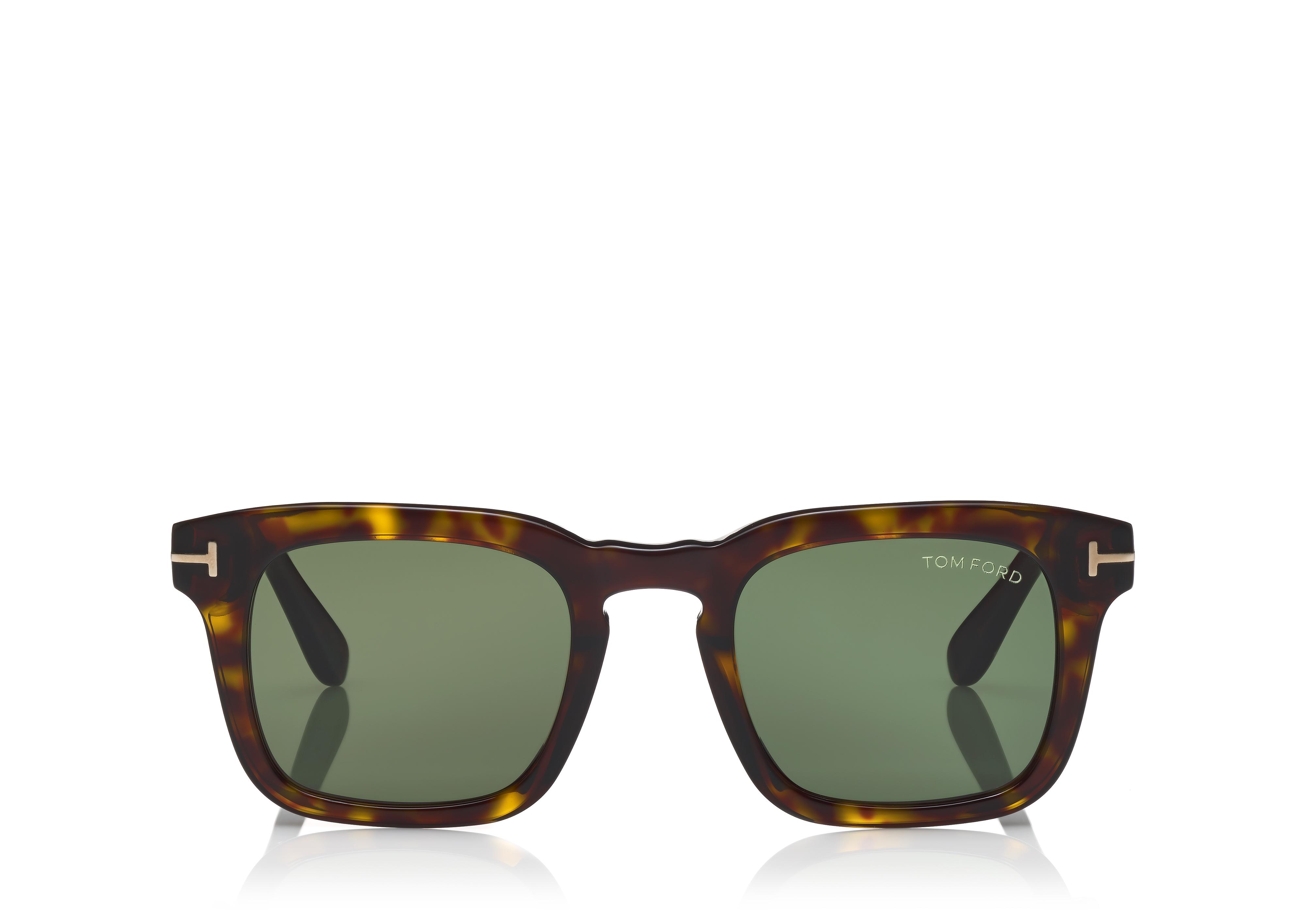
The Gucci loafer with the horsebit gets all the press
The Gucci loafer with the horsebit gets all the press. The Yves Saint Laurent Opium bottle is in museum vitrines. But if you want to understand Tom Ford — the designer, not the celebrity — look at the zipper pull. Specifically, the one he used on Gucci's autumn 1996 bamboo-handle evening bag. A flat rectangle of brushed nickel, no logo, just the weight and the soft click when it met the leather tab. It said: this closes. It did not ask to be photographed.
Ford arrived at Gucci in 1990 as chief womenswear designer, inherited a house that had spent the eighties licensing its double-G onto keychains and golf visors, and by 1994 was creative director of a company most analysts had written off. His first full collection, spring 1995, landed with the satin hipsters and the liquid jersey. The press called it sex. The balance sheet called it solvency. But the actual work — the part that aged into influence rather than nostalgia — was in the details no one thought to name.
The codes one didn't shout
Ford's Gucci, and later his Yves Saint Laurent, operated on a principle that feels alien now: the house codes were there for people who already knew. The bamboo handle, yes, but rendered in a new proportion — shorter, thicker, more sculptural. The horsebit, downsized and set into a pump's vamp rather than centered on a loafer. The interlocking YSL, which he kept off most of the bags entirely, preferring instead a discreet turn-lock in the shape of a rounded rectangle. One suspects he enjoyed the fact that you had to know to know.
The jersey he used — and he used oceans of it — was a specific weight. Around 180 grams per square metre, just heavy enough to skim rather than cling. It moved like liquid, which every editor noted, but the reason it moved that way was facture. The fabric was cut on the bias, the seams placed to distribute tension, the hems left raw because a turned edge would have broken the line. This is not abstraction. This is a man who understood that if you want a dress to pour over the body, you engineer it to pour.
The hardware palette was equally considered. Brushed nickel, dark gunmetal, occasionally a pale gold that read almost as brass. Never shiny. Never logo'd unless the logo was structural — the YSL on a Mombasa bag's clasp, for instance, which also happened to be the lock. He seemed to believe that if you had to announce the house on every surface, you had not done your job.
The evening shoe no one mentions
There is a sandal from Gucci spring 1999 that deserves more attention than it received. A slim stiletto, maybe 95 millimetres, with a single strap of black patent leather across the vamp and a second around the ankle. No embellishment. No contrast stitch. The only detail: the way the ankle strap tapered as it approached the buckle, so that the transition from leather to metal felt inevitable rather than applied. It was on the runway for forty seconds. It was in production for two seasons. It has since appeared in approximately four hundred editorials, almost always uncredited, because it reads as a Platonic evening sandal rather than a Tom Ford design.
That, one suspects, was the point. Ford's work at Gucci and YSL was not about inventing new shapes — the body does not change, the mechanics of a heel do not reinvent themselves every six months. It was about refining the existing vocabulary until it felt both obvious and unattainable. A white shirt, but with the collar's stand just a quarter-inch higher. A pencil skirt, but with the vent placed off-center so the leg revealed itself in motion rather than at rest. A clutch, but with the frame set a few millimetres deeper than standard, so it held a phone and keys without gaping.
This was not minimalism. Minimalism, as practiced in the nineties, often meant an absence of ideas. Ford's work was reductive in the sense that a good edit is reductive: you remove everything that does not serve the line, and what remains is more itself.
The Tom Ford era, after Tom Ford
When Ford left Gucci Group in 2004 — taking Domenico De Sole with him, burning the bridge thoroughly — he launched his own label the following year. The house that bears his name has, by now, been operating longer than his tenure at Gucci. And it has always been a different animal. The Tom Ford customer is not the Gucci customer, or was not, until Gucci started courting the Tom Ford customer around 2015. The feedback loop is real.
What carried over: the tailoring, still some of the sharpest in the trade. A Tom Ford tuxedo jacket has a chest piece that extends an inch further than most houses cut it, which means the roll of the lapel stays crisp even after a long dinner. The evening bags, often dismissed as too overt, are in fact quite specific — the frame shape, the clasp weight, the way the chain is engineered to sit flat against the body rather than twist. These are not accidents.
What did not carry over: the discretion. A Tom Ford bag in 2025 will almost certainly feature the name somewhere visible. The logo is the product. This is not a criticism, merely an observation. Ford himself has said, in several interviews, that his own label operates under different constraints than a heritage house. At Gucci, he was interpreting a vocabulary that predated him. At Tom Ford, he is the vocabulary.
What remains in the work
There is a photograph, not widely reproduced, from the Gucci autumn 1996 presentation. Backstage, after the finale. A model is seated, still in the show makeup — the severe brow, the nude lip — and she is holding one of the bamboo bags in her lap. The bag is open. Inside: a pair of sunglasses, a compact, a folded tissue. The photograph is incidental, a contact sheet image that was never meant for publication. But it shows the thing Ford understood and most of his successors have not: a bag is a container. It has a job. If it does the job beautifully, with materials that will outlast the trend cycle, using construction methods that cost more than the market expects, then the logo becomes optional.
Ford has not designed for Gucci in twenty years. Yves Saint Laurent became Saint Laurent, then became something else again under Anthony Vaccarello. The Tom Ford house was sold to Estée Lauder, and Ford himself stepped back from design in 2023. But the codes are still there, if you know where to look. Not in the advertising, which has always been about provocation. In the zipper pull. In the taper of a strap. In the quarter-inch adjustment that makes a collar sit just so.
One can buy a Tom Ford logo easily enough. The work — the actual work — requires a different kind of attention.