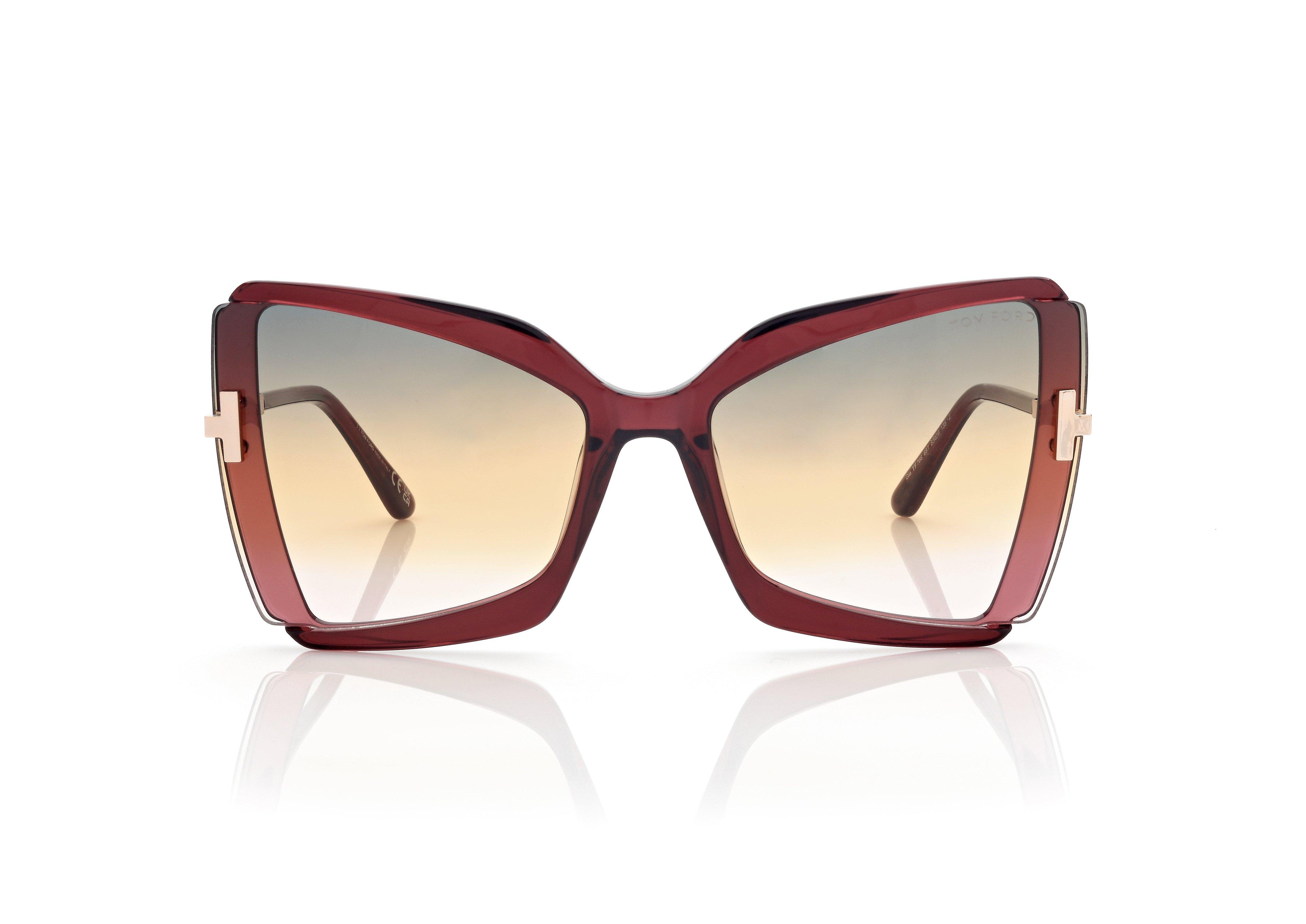
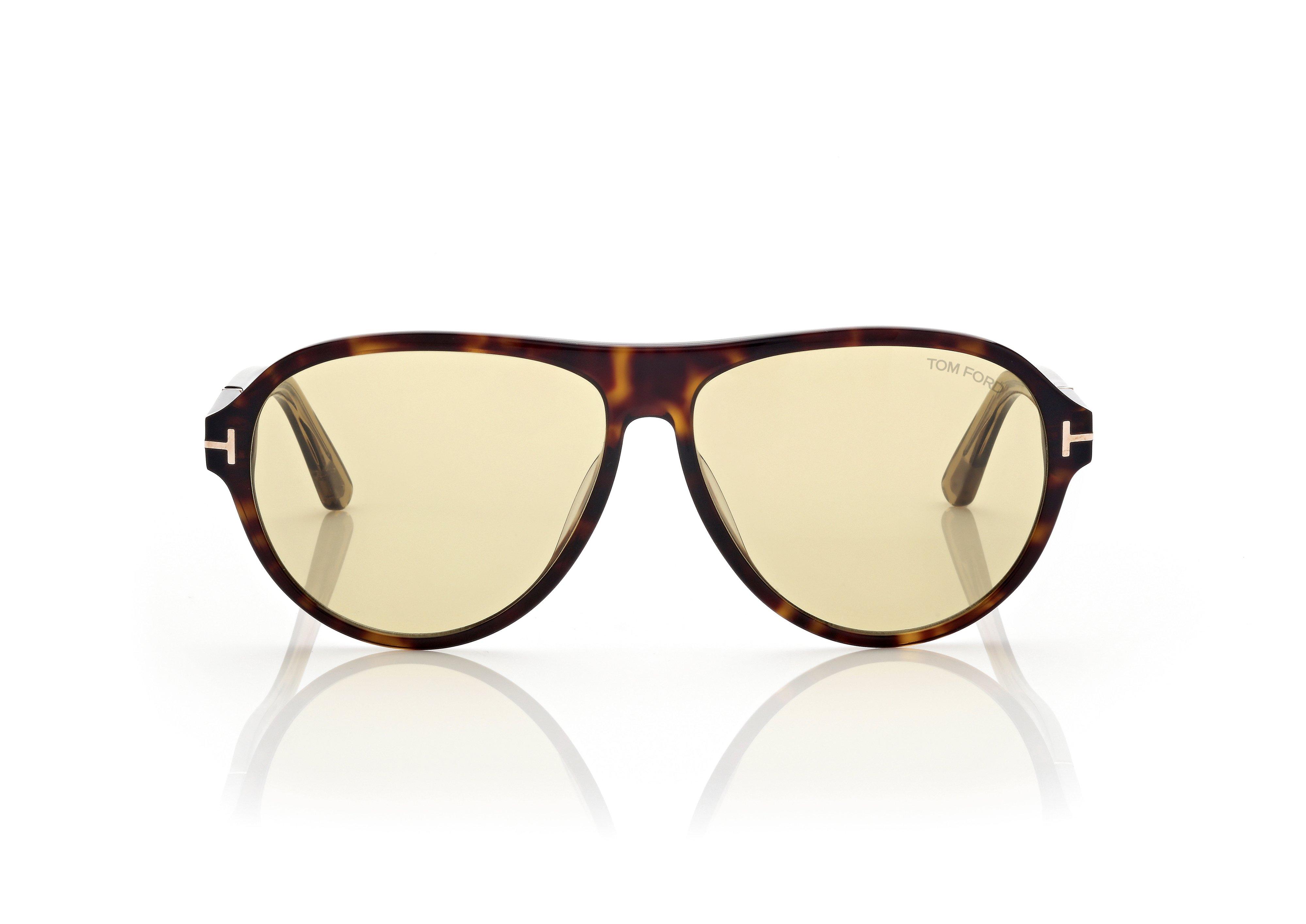
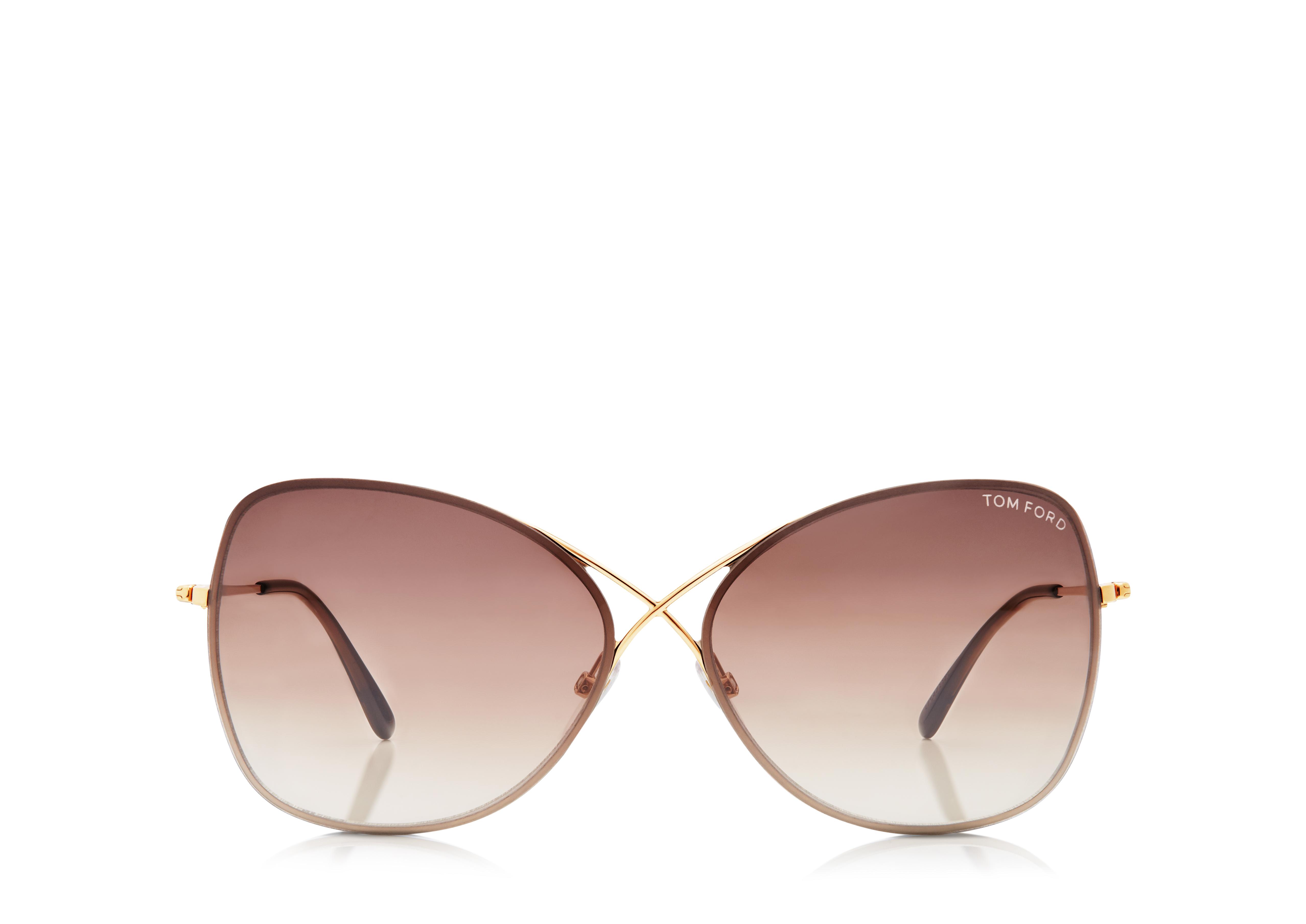
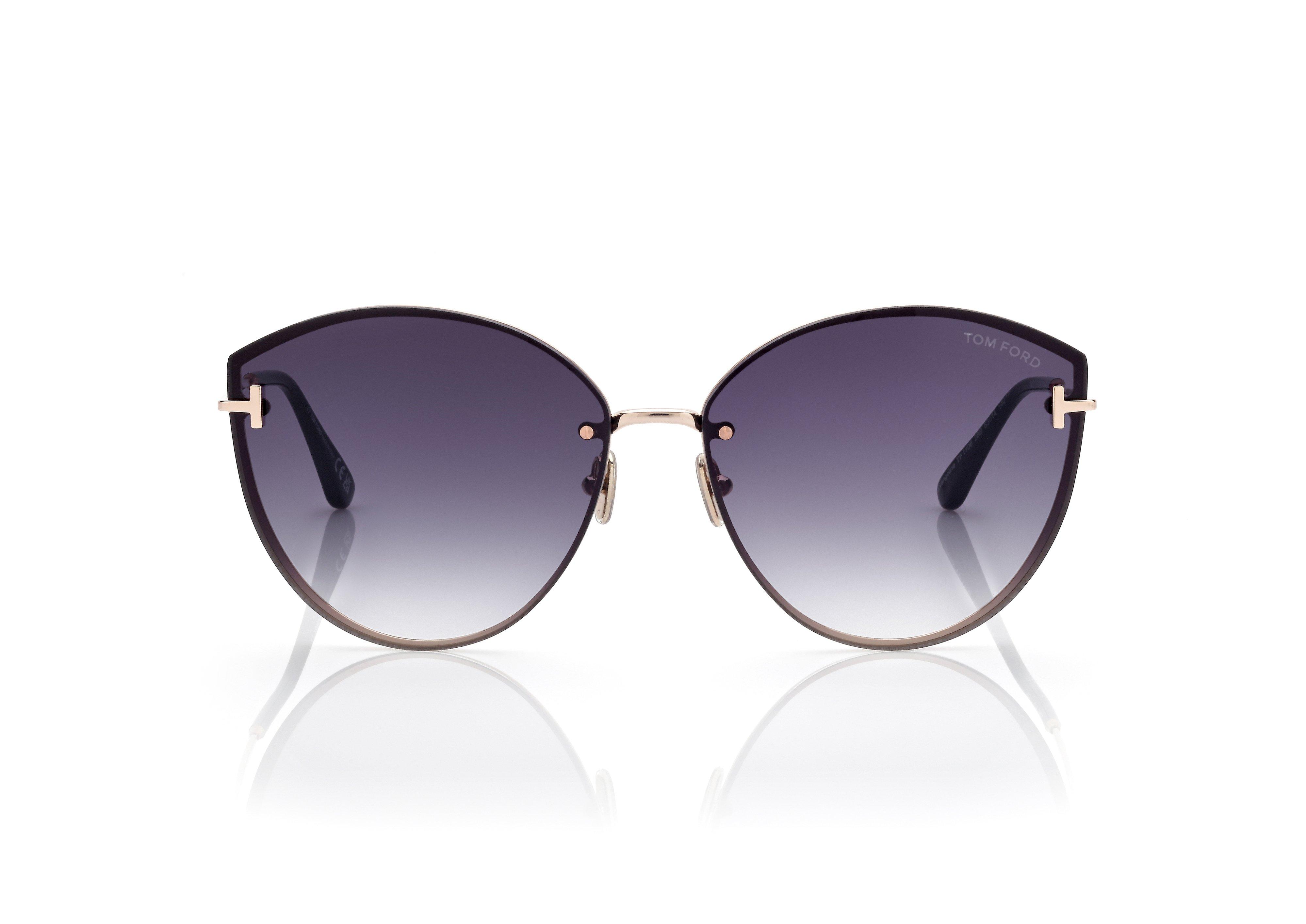
The Gucci loafers arrived at the office in September 1994, four months before Tom Ford was named creative director
The Gucci loafers arrived at the office in September 1994, four months before Tom Ford was named creative director. Black horsebit, narrow last, so polished they looked wet. Ford had sent them to Anna Wintour with a note that read: These are what I'm doing. Not a pitch. A declaration. By the time the spring 1996 collection hit the runway—velvet hip-huggers, satin shirts unbuttoned to the sternum, that white jersey dress with the cutouts—the industry had stopped asking if Ford could save Gucci and started asking if anyone else could keep up.
Tom Ford the brand wouldn't exist for another eleven years. But Tom Ford the sensibility, the one that turned restraint into a kink and luxury into something you wanted to sweat in, was already setting terms.
I. Gucci, or How to Make a Century-Old House Horny
Ford didn't arrive at Gucci with reverence. He arrived in 1990 as design director for womenswear at a house whose handbags still sold but whose ready-to-wear had the appeal of a cruise ship buffet. The leather goods moved because they always had. The clothes didn't move because no one under fifty wanted to be seen in them.
What Ford did between 1994 and 2004 has been written about enough that the specifics blur into legend: the ad campaigns shot by Mario Testino, the G-string with the metal logo, Gwyneth Paltrow in red velvet at the VMAs, the profit margins that swung from catastrophic to obscene in under thirty-six months. But the mechanism underneath was simpler than the mythology suggests. Ford looked at what Gucci had been—a Florentine leather house with equestrian roots and a customer base that skewed conservative—and he made it filthy. Not in a way that read as cheap. In a way that read as rich people behaving badly, which has always been more interesting than rich people behaving well.
The 1995 campaign with the model in the unbuttoned blazer, no shirt, jeans slung low enough to suggest intent—that wasn't shock for its own sake. It was Ford understanding that the fastest way to make something covetable is to make it feel like you're not supposed to have it. Gucci under Ford looked like the part of the party you weren't invited to. And then you bought the handbag anyway, because the handbag was your ticket in.
By the time Ford left in 2004—pushed out after a power struggle with François Pinault, the specifics of which involved equity stakes and contract renewals but really just came down to two men who both thought they owned the thing—Gucci's revenue had grown from $230 million to over $3 billion. Ford had also taken on Yves Saint Laurent in 1999, under the same corporate umbrella, with less transformative results. YSL was a tougher material. It had Yves's ghost in it, and ghosts don't take notes.
II. Tom Ford the Label, or What Happens When the Architect Becomes the House
Ford launched his own label in 2006 with Domenico De Sole, the former Gucci CEO who'd been his partner in the prior decade's dominance. The first collection didn't show until 2010—a menswear line that opened not with a runway but with a film, A Single Man, which Ford directed. The movie starred Colin Firth as a grieving literature professor in 1962 Los Angeles, every frame so controlled it felt like production design had been allowed to write the script. The clothes in the film were as much character as Firth was: narrow lapels, oxidised cotton, trousers with a break so exact they looked like they'd been set with a spirit level.
When the womenswear line debuted that same year, it carried the same logic. A Tom Ford dress wasn't trying to be anything other than a Tom Ford dress. No references to the archive, because there wasn't one yet. No storytelling about inspiration, because the inspiration was: this is what I think looks good. The silhouette was specific—shoulders defined, waist pulled, hemlines that landed just above or just below the knee, never at it. The colour palette leaned into jewel tones and neutrals that photographs read as black but in person were charcoal, bitter chocolate, navy so dark it needed direct light to register as blue.
Ford built the business model around control. No wholesale for the first few years. No runway shows after 2015—just private appointments during fashion week where editors and buyers came to a townhouse and saw the collection on models who walked through rooms like they lived there. It was the opposite of the Gucci strategy, which had been about scale and noise. This was about making thirty women feel like they were the only ones who mattered, and then selling them a sable-trimmed coat for $18,000.
The fragrance line, which launched in 2006 with Black Orchid, became the revenue engine. Perfume is where fashion houses make money if they make money at all, and Ford understood that a $200 bottle with his name on it carried the same charge as the $4,000 jacket without the production overhead. Tobacco Vanille, Oud Wood, Fucking Fabulous—the names did half the work. The juice did the rest. By 2022, Tom Ford Beauty was generating close to $1 billion annually, most of it through fragrance and cosmetics. The ready-to-wear was the billboard. The lipstick was the business.
III. Estée Lauder, Peter Hawkings, and What's Left When the Name Leaves
In November 2022, Estée Lauder acquired Tom Ford for $2.8 billion. Ford himself stayed on as creative advisor through the end of 2023, then stepped back entirely. The timing wasn't accidental—he'd been talking about retirement since 2020, and at sixty-two, with no children to pass the house to and no interest in playing the emeritus role, the sale made sense. Estée Lauder got the beauty business it had already been licensing since 2006, plus the ready-to-wear and accessories, which it immediately began positioning for broader distribution.
Peter Hawkings, who'd been at Ford's side since the Gucci years and had served as head of menswear since 2019, was named creative director in May 2023. The appointment was logical—Hawkings knew the tailoring codes, the fit standards, the way a Tom Ford shoulder should sit. But logic and momentum are different animals. The first full collection under Hawkings, shown in February 2024, was technically accomplished and aesthetically inert. The clothes looked like Tom Ford clothes. They didn't look like anything else, which is a problem when the reason people bought Tom Ford clothes was because they looked like what Tom Ford wanted.
Hawkings exited in June 2024, eight months into the job. The house hasn't named a successor. The autumn 2024 collection was designed by the internal studio—clean, commercial, and as memorable as a glass of water. The flagship on Madison Avenue still pulls traffic. The beauty counters still move product. But the ready-to-wear, which was never the profit centre but was always the reason the profit centre worked, is now in the position most designer brands find themselves in once the designer leaves: making expensive clothes for people who aren't sure why they're expensive anymore.
IV. The Horsebit Loafers, Again
There's a pair of Tom Ford loafers from the spring 2011 collection—black calf, gold chain detail across the vamp, last so narrow they look like they'd hurt until you put them on and realise they don't. They're still in production, more or less the same design, selling for $1,200 at the brand's e-commerce site and at a handful of department stores that still carry the shoes. The leather's good. The construction's solid. They look like Tom Ford loafers because Tom Ford decided what Tom Ford loafers should look like, and then the atelier executed it, and now the atelier still executes it even though Ford's in Los Angeles doing whatever men with $2 billion do when they stop making clothes.
The loafers work. They'll keep working. But they're not making an argument anymore. They're not arriving at Anna Wintour's office with a note that says this is what I'm doing. They're just shoes. Which is fine, until you remember they used to be a threat.