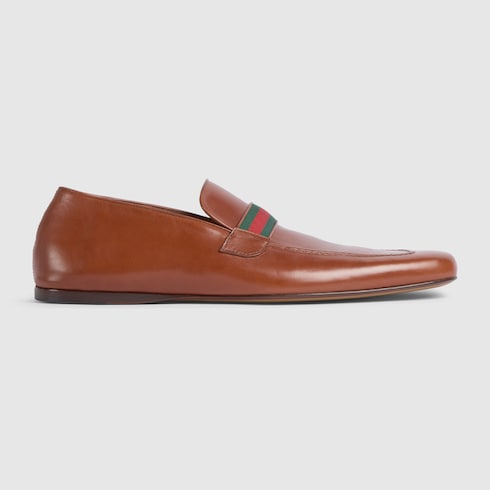
The horsebit loafer sits in the window at Via Montenapoleone, lit like a relic
The horsebit loafer sits in the window at Via Montenapoleone, lit like a relic. It's been there, in some form, since 1953. The leather has changed — vacchetta to box calf to something softer — but the silhouette hasn't. And that's the first thing to understand about Gucci: the house built its reputation on a handful of shapes, then spent seventy years watching other people try to make them irrelevant.
They haven't managed.
Gucci was founded in Florence in 1921 by Guccio Gucci, who'd worked as a porter at the Savoy in London and returned to Italy with a taste for the kind of luggage English aristocrats carried without thinking. He opened a leather goods workshop. The early pieces were saddlery-adjacent — equestrian hardware repurposed for travel. The horsebit, the stirrup web, the bamboo handle: all of it lifted from the stable and made chic by virtue of being well-made and expensive.
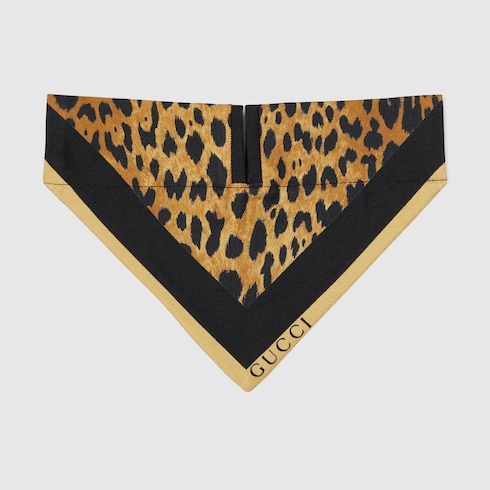
By the fifties, the Flora scarf and the Jackie bag had arrived. The house had cracked the code: take a functional object, make it in good materials, put it on someone famous, and let scarcity do the rest. Grace Kelly carried a bamboo-handle bag. Jacqueline Kennedy carried a shoulder hobo that the house later renamed for her. The GG monogram canvas appeared in 1964, and suddenly Gucci had a logo people could read from across a piazza.
Then came the eighties, and the logo became the point. Tom Ford didn't arrive until 1994, but by then the house had spent a decade licensing its name onto anything that would hold a print. The monogram had gone from shorthand for taste to shorthand for money, and money without taste is just noise.
The Ford era and what it did
Ford cleaned it up. He stripped back the logo, tightened the silhouettes, and put the clothes on bodies that moved like they knew where they were going. The velvet suits, the satin shirts, the hip-slung trousers — it was sexy in a way that Italian houses weren't supposed to be. Milanese polish was about restraint. Ford's Gucci was about eye contact.
He left in 2004. Frida Giannini took over and spent a decade trying to make the house feel like itself again, which is always harder than it sounds. She leaned into the archive — the horsebit, the Flora, the bamboo — but the market had moved on. By 2015, Gucci's sales were flat, and Kering needed a reset.
They hired Alessandro Michele.
Michele's first collection, shown in January 2015 with a week's notice, looked like nothing else on the calendar. Pussy-bow blouses, embroidered loafers, clashing prints, oversized glasses, fur-lined everything. It was baroque and nerdy and deeply, sincerely uncool in a way that made it feel urgent. The clothes referenced the seventies, but not the sleek parts — the cluttered, pattern-happy, secondhand parts. It was Gucci, but run through a lens that had spent more time in flea markets than fitting rooms.
The market responded. Revenue doubled in three years. The Marmont bag, the Princetown slipper, the Dionysus with its tiger-head closure — all of them became repeats. Michele had done what Ford did: he'd made Gucci feel like a choice again, not a default.
He left in November 2022. Sabato De Sarno, who'd spent time at Prada and Valentino, took over in January 2023. His first collection showed that September. The silhouettes were cleaner, the palette quieter, the embellishment dialled back. It wasn't a repudiation of Michele — you don't erase eight years in six months — but it was a recalibration. Less magpie, more Milan.
What you're walking into now
If you're starting with Gucci today, you're starting in the middle of a transition. De Sarno is still building his vocabulary, and the house is still selling a lot of Michele's greatest hits. That's not a bad thing — it just means you need to know which era you're buying into.
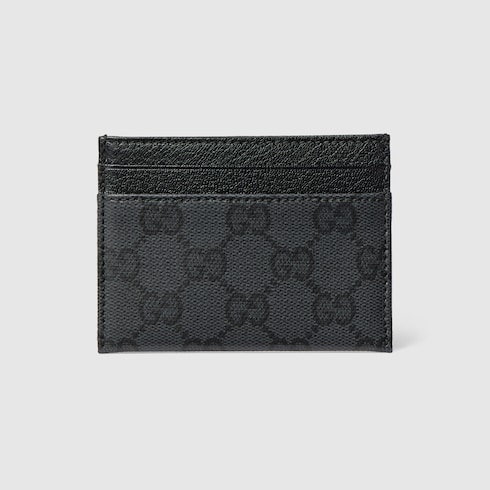
The entry-level pieces are still the small leather goods. A card case starts around €250. The zip-around wallet in GG Supreme canvas sits closer to €400. The Marmont card holder, quilted leather with the double-G hardware, lands at €350. These are the pieces that let you test the house without committing to a bag that costs what a decent used car does.
If you want a bag, start with the Marmont or the Horsebit 1955. The Marmont — quilted leather, chain strap, that double-G clasp — comes in a small size for around €1.600. It's been in the lineup since 2016, and it's held its resale value better than most of Michele's more ornate work. The Horsebit 1955, a top-handle shoulder bag that references a sixties original, starts closer to €2.200. It's quieter, more structured, and it codes older. Not in a bad way — in a way that suggests you've thought about this.
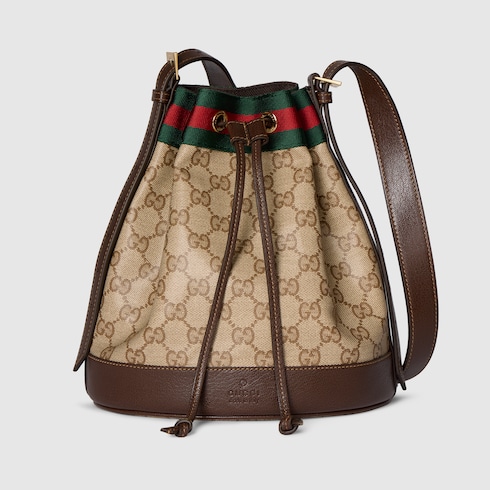
The Dionysus, with its tiger-head closure and embroidered GG Supreme canvas, sits around €2.000 for the small size. It's more Michele than De Sarno, which means it might feel dated in three years or it might feel like a marker of a specific moment. That's the risk with anything too tied to a single creative director.
Shoes are safer. The Princetown slipper — backless loafer, horsebit across the vamp, leather or velvet or fur-lined depending on season — starts at €730. The Ace sneaker, low-top leather with the green-and-red web stripe, sits around €650. Both have been in production long enough that they've moved past trend and into uniform. You see them on everyone from finance types in Brera to art students in Navigli, which is either reassuring or boring depending on how you feel about consensus.
What to avoid
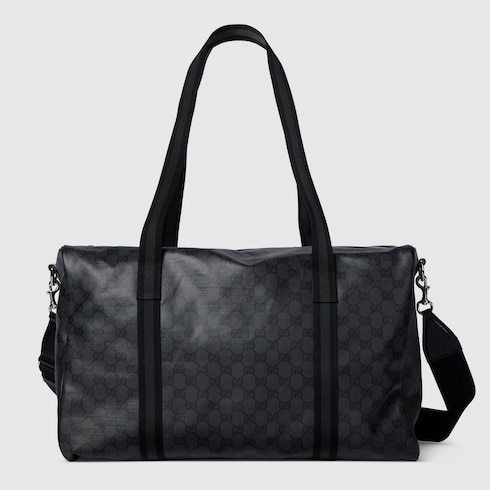
The logo pieces age badly. The GG Supreme canvas, especially in the brown-and-beige colourway, reads as entry-level even when it isn't. The monogram was designed to be recognisable, and it is — which means it also telegraphs exactly how much you spent and why. If you're going to buy canvas, buy it in a shape that's interesting enough to distract from the print. The Ophidia belt bag, for instance, works because the shape is clean and the hardware does enough visual work that the logo recedes.
Anything too embellished from the Michele era — the embroidered bees, the floral appliqués, the jewelled brooches — felt right in 2017 and feels like costume now. If you find it on resale and the price is low enough that you're buying it for fun, fine. But don't buy it new at full price and expect it to hold.
And don't buy the clothes unless you're sure. Gucci's ready-to-wear is expensive in a way that only makes sense if you're already committed to the house. A knit polo with the web stripe costs €850. A leather bomber starts at €4.500. You can get equivalent quality elsewhere for less, and unless you need the logo to do social work for you, there's no reason to pay the premium.
How to buy
Start in-store if you can. Gucci's e-commerce is fine, but the bags photograph differently than they feel. The Marmont's leather is softer than it looks online. The Horsebit 1955's structure only makes sense when you pick it up. And the staff, at least in the Milan flagships, will let you try things on without the hard sell. They're used to people coming in to look.
If you're buying resale, check the stitching on the interior logo stamp. Real Gucci uses tight, even stitches. Fakes rush it. The hardware should feel heavy. The leather should smell like leather, not like plastic pretending. And if the price is less than half of retail, it's probably not real.
The serial number moved to a microchip in 2021, which makes authentication harder for anyone without the right reader. Buy from platforms that authenticate in-house — Vestiaire, Rebag, The RealReal — or buy from the boutique and eat the cost.
Where the house is now
De Sarno's second collection, shown in February, leaned further into the restraint. Tailored trousers, slim-cut blazers, leather in burgundy and chocolate and navy. It felt more like Prada than like Gucci, which is either the point or the problem depending on who you ask. The reviews were mixed. The sales haven't caught up yet.
But Gucci's strength has never been in following a single thread. The house works because it's big enough to hold contradictions — Ford's sex appeal and Michele's clutter and now De Sarno's quiet tailoring. The horsebit loafer is still in the window, and it still sells, and that's because it was never about the designer. It was about the shape, and the leather, and the fact that it worked seventy years ago and it works now.
You don't need to know the full history to buy a card case. But it helps to know that the house you're buying into has survived worse transitions than this one, and the pieces that last are the ones that do one thing well. A loafer. A wallet. A bag with a clasp that closes cleanly and hardware that doesn't snag.
The rest is just décor.