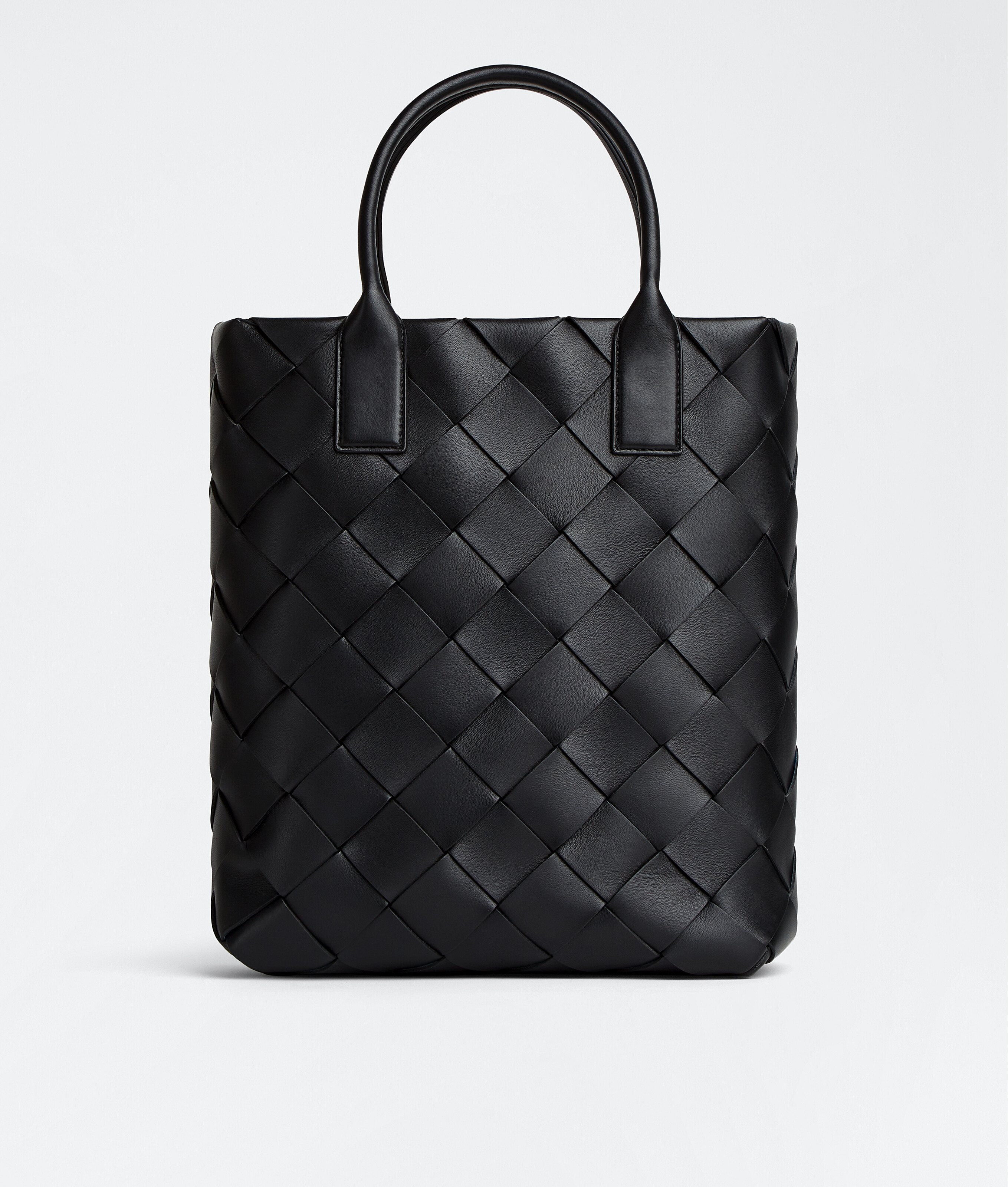
The Kalimero bag arrived in stores last autumn without a press release
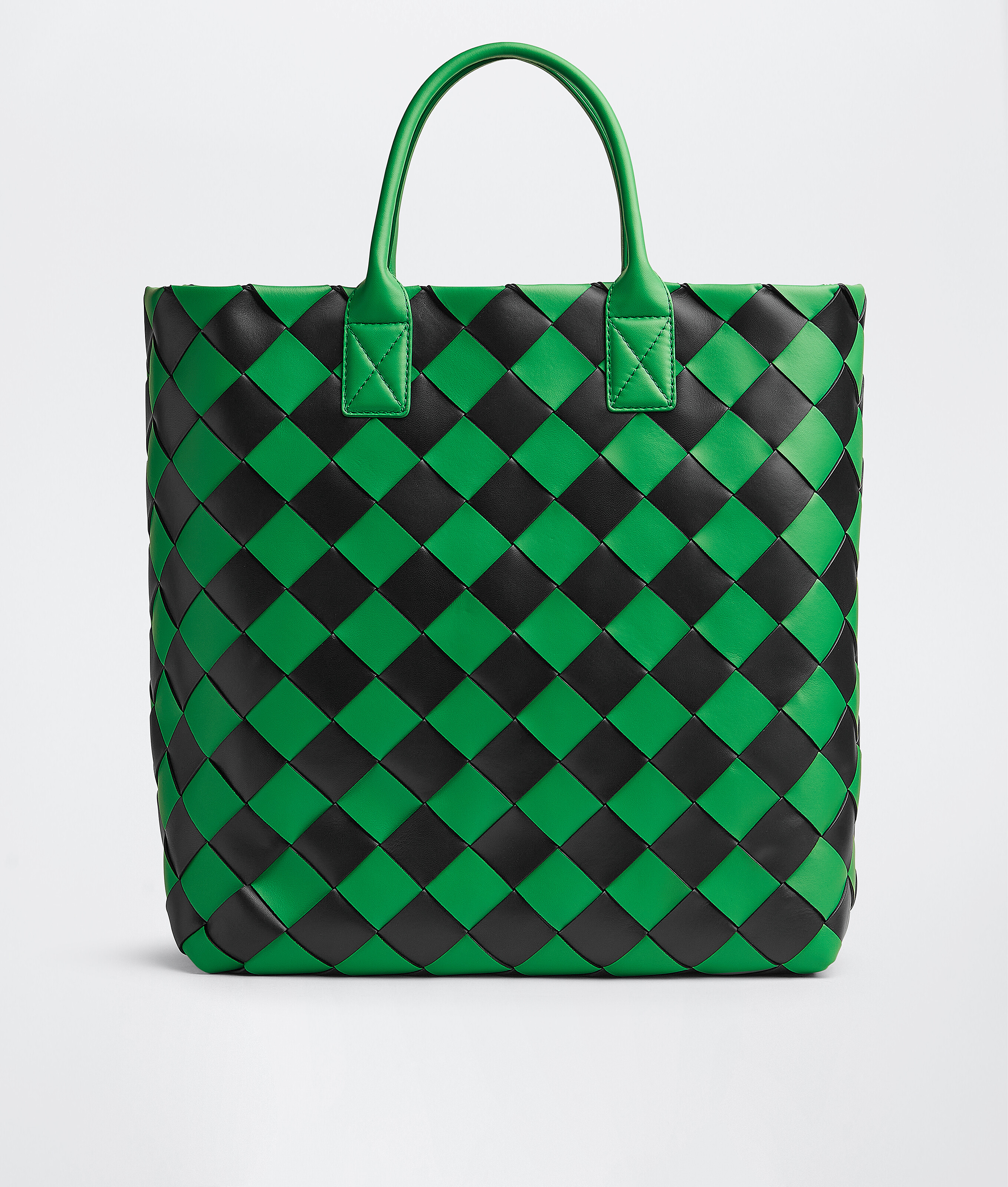
The Kalimero bag arrived in stores last autumn without a press release. No campaign teaser, no influencer seeding, no waiting list. It simply appeared in the windows on via Sant'Andrea, curved and quilted like something between a childhood memory and a design-school thesis. Within six weeks, it was sold out in three colourways. Bottega Veneta does not do drops. It does, however, understand that silence can be louder than a billboard.
The question people keep asking is whether the house has lost its way. The better question is whether anyone remembers where it started.
Craft without noise
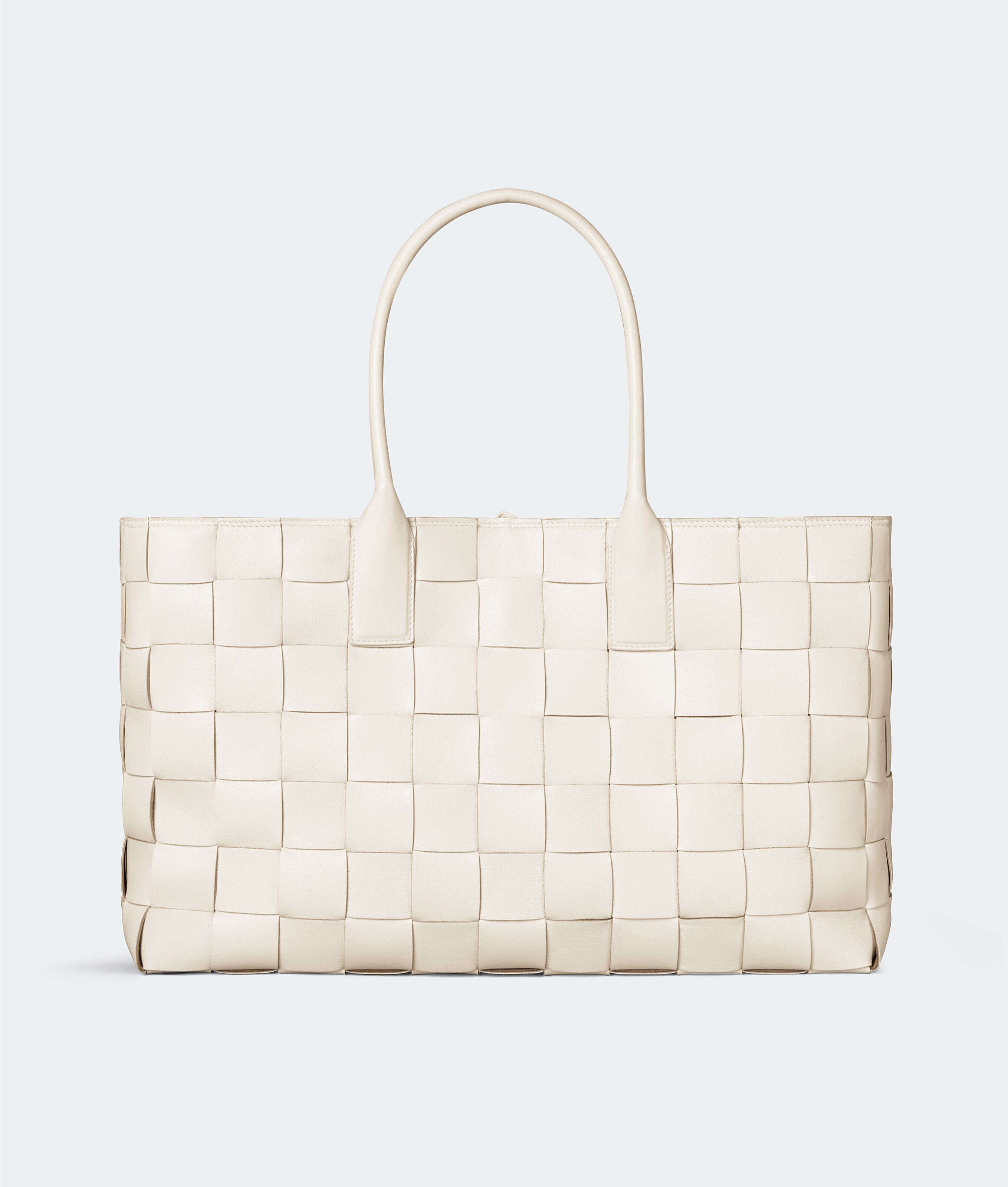
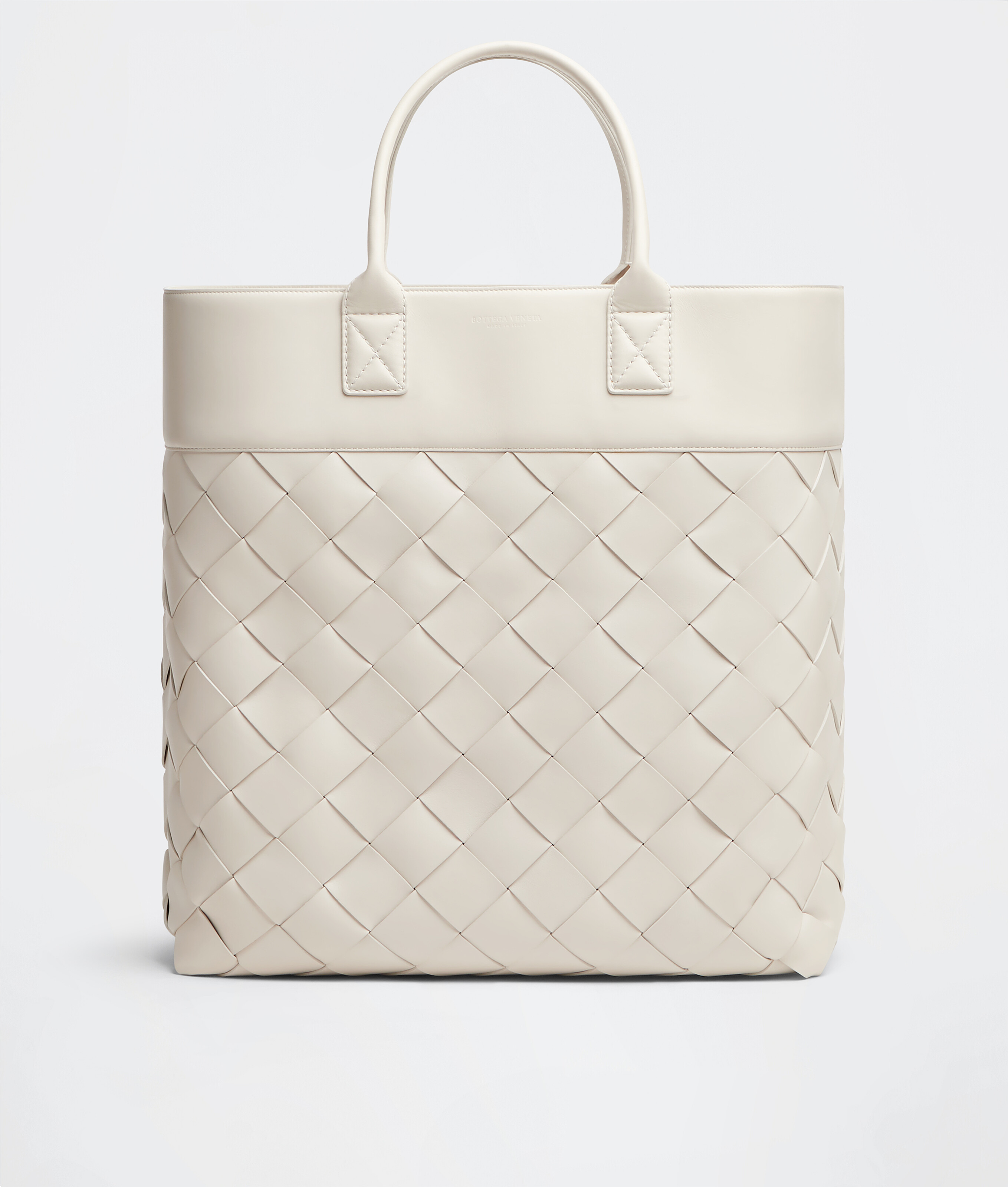
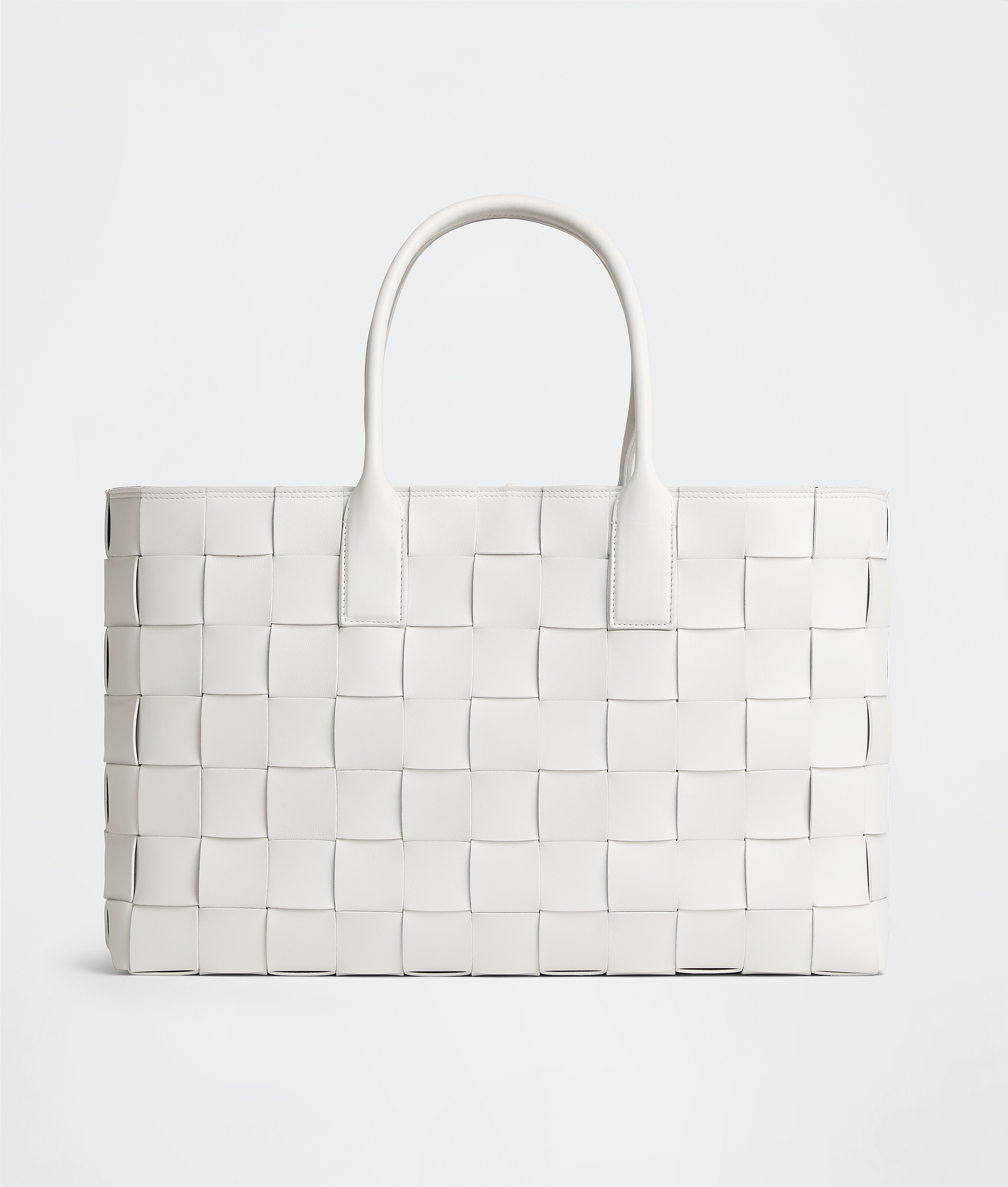
Bottega Veneta was founded in Vicenza in 1966 by Michele Taddei and Renzo Zengiaro, two leather artisans who believed a bag should announce nothing but its own construction. The intrecciato weave — eight strips over, eight under, tight enough to hold shape, loose enough to flex — became the house signature not because it photographed well but because it solved a problem. Soft leather structured without hardware. No logos, no contrast stitching, no need to tell you what you were holding.
For two decades, Bottega made bags for people who did not want to be seen carrying bags. European wealth, American editors, the occasional actress who understood that restraint photographs better than gold-plated buckles. The house grew quietly, opened a handful of stores, stayed small. When Gucci Group acquired it in 2001, Bottega Veneta had name recognition in three cities and annual revenue somewhere south of fifty million dollars.
Tom Ford hired Tomas Maier. German, trained in Paris under Guy Paulin and Sonia Rykiel, mid-forties, no interest in being famous. Maier spent his first year at Bottega not designing but archiving — pulling samples from the Seventies, studying construction techniques the house had abandoned in the Nineties when it tried and failed to compete with the monogram boom. His first collection, spring 2002, featured the Veneta hobo. Soft, unstructured, woven, expensive, completely unconcerned with what Dior and Vuitton were doing three streets over. It sold. Then it kept selling.
Maier's Bottega was never about innovation. It was about consistency. The intrecciato in new scales and textures. Cabat totes that required sixteen hours of weaving. Ready-to-wear in cashmere and cotton that felt like knitwear but cut like tailoring. Colours — a particular slate green, a rust that only worked in nappa, a brown so specific the house called it Edoardo — that returned season after season, never quite trending, never quite out. The stores, designed by Maier himself, looked like Milanese apartments: terrazzo floors, walnut shelves, no music. You walked in and lowered your voice.
By 2018, Bottega Veneta was generating over a billion euros annually. Maier had been there seventeen years. The intrecciato was on everything: shoes, belts, phone cases, keychains. The house had become what it set out not to be — predictable.
Matthieu Blazy and the question of authorship
Daniel Lee lasted three years. He arrived in 2018 with a Céline pedigree and an Instagram-native understanding of shape. The Pouch — oversized, pillow-soft, clutched under the arm like a sedative — became the bag of 2019. The Puddle boot, the square-toe sandal, the padded Cassette: each one photographed with the clean brutalism that makes algorithms happy. Lee's Bottega was louder, younger, more willing to be seen. Revenue climbed. So did visibility. When he left for Burberry in late 2021, the house was in a strange position — commercially successful, critically lauded, and somehow less like itself than it had been in two decades.
Matthieu Blazy was an internal promotion. French, forty-one, a decade at Maison Margiela, three years as Bottega's ready-to-wear director under Lee. His first collection, fall 2022, opened with a leather trench coat that looked like it had been upholstered. Not in the decorative sense — in the constructional one. The leather was worked like fabric, darted and eased and shaped without topstitching. It moved. The collection that followed felt less like a reset than a recalibration. Blazy kept Lee's sculptural silhouettes but stripped the obviousness. The bags were smaller, quieter, harder to photograph. The shoes returned to a narrower last. The colours — moss, clay, a grey that read almost violet in certain light — required better camera work.
What Blazy understood, and what Lee perhaps did not, is that Bottega's authority has always come from withholding. Not in the sense of scarcity marketing or artificial hype, but in the sense that the house has never needed to explain itself. The intrecciato is not a logo. It is a technique. You either recognise it or you do not, and Bottega has never particularly cared which.
His second collection leaned further into that logic. Leather treated like denim, denim treated like leather. A trench coat with no visible seams — the panels were glued, not stitched, then burnished smooth. A bag that looked woven but was actually strips of leather laid and fused under heat, a process that took four days per piece. This was not innovation for its own sake. It was craft looking for new problems to solve.
Where the house stands
Bottega Veneta's revenue in 2023 sat just under one-point-four billion euros, a seven-percent increase on the previous year. Not explosive, but steady. The Kalimero, the Andiamo, the Gemelli — Blazy's bags — are selling, though not with the frenzy that surrounded the Pouch. The ready-to-wear is critically respected, occasionally referenced by other designers, rarely seen outside fashion week. The house is in an odd position: commercially healthy, creatively confident, and almost invisible in the broader conversation.
Part of that is intentional. Bottega still refuses to engage with traditional advertising rhythms. No seasonal campaigns shot six months in advance. No celebrity front rows. No collaborations with streetwear brands or artists looking to access the luxury market. When the house does produce imagery, it is often months after the collection has shipped, and it tends to feature people you have not heard of wearing clothes in ways that do not immediately suggest purchase.
This is either admirable or commercially reckless, depending on whom you ask. Kering, Bottega's parent company, has been clear that it expects growth. The question is what kind. Blazy's Bottega is not interested in ubiquity. It is interested in specificity — bags that require explanation, techniques that do not scale, a customer base that skews older and more willing to wait.
The risk is that fashion, particularly at this price point, increasingly rewards clarity. Hermès succeeds because a Birkin is a Birkin. Loro Piana succeeds because everyone knows what baby cashmere costs. Bottega under Blazy is asking its customer to understand construction, to care about how a seam is finished, to notice that a bag has no lining because the leather was burnished smooth on both sides. That is a harder sell than a logo.
A brown leather tote
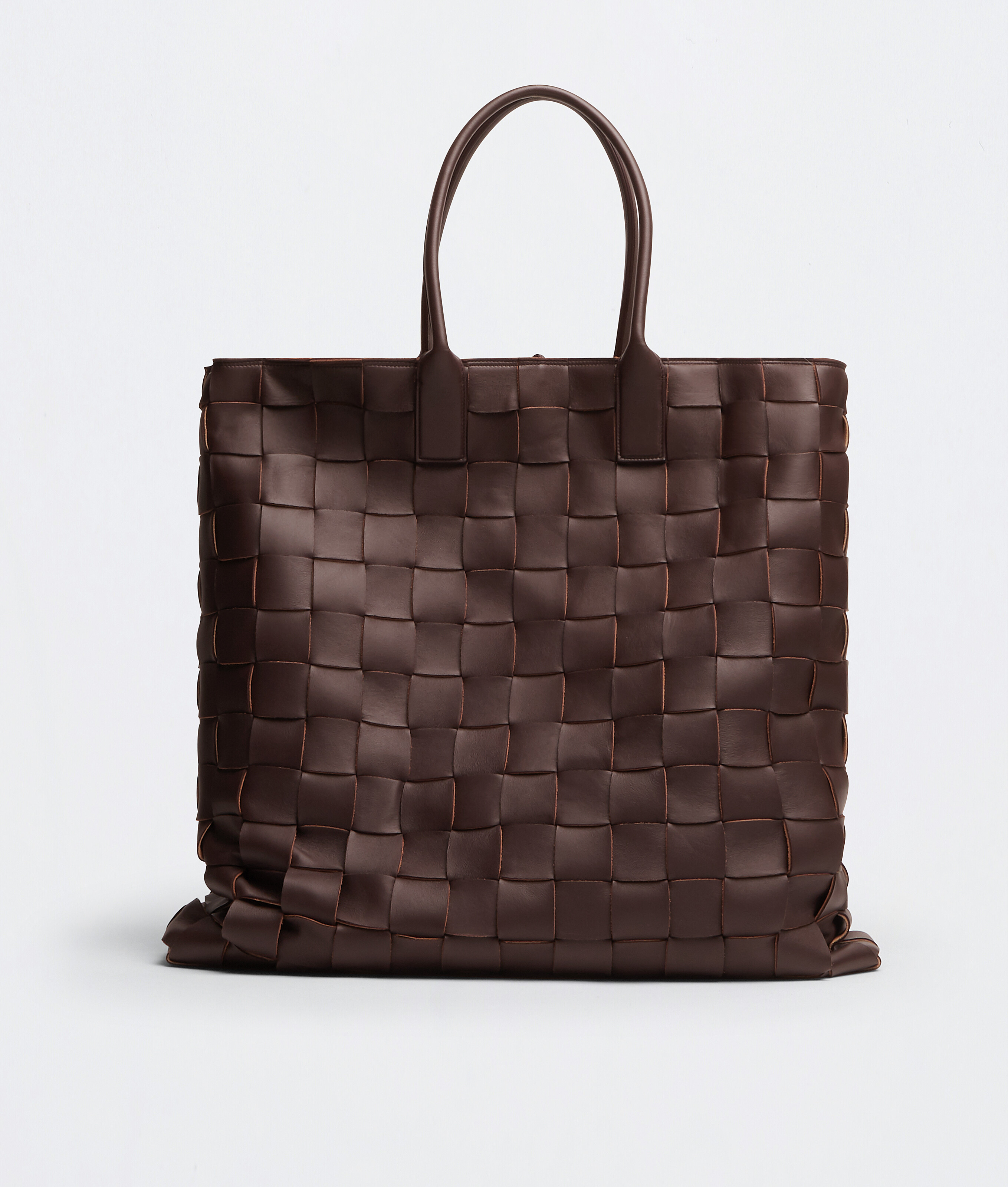
There is a tote in the current collection — no name, no press attention, just a style number — that is, functionally, a rectangle with handles. It is made from a single piece of leather, folded and stitched at the base, with no side seams. The handles are woven, but not in the intrecciato. They use a looser, wider plait that the atelier developed specifically for this bag because the standard weave created too much tension on the shoulder. It costs two-thousand-three-hundred euros. It will not photograph well. It will last thirty years.
That bag is where Bottega Veneta is right now. Not chasing trends, not courting attention, not particularly interested in being understood by anyone who does not already speak the language. Whether that is sustainable in a market that increasingly values noise over nuance is the question Kering will have to answer. Whether it matters to the house is another question entirely.