The padlock hangs heavier than you'd expect
The padlock hangs heavier than you'd expect. Not ostentatious — the hardware on a Tom Ford Padlock shoulder bag rarely announces itself from across a room — but substantial in the hand, cool against the palm, engineered with the sort of heft that suggests permanence. It's a telling detail. Tom Ford built an empire on details like this: the ones that register only when you're close enough to touch.
For those approaching the house now, some thirty years after its founder remade Gucci and two decades past the launch of his own label, the question isn't whether Tom Ford merits attention. It's where to begin.
The short version
Tom Ford the man stepped back from Tom Ford the brand in 2022, selling his stake to Estée Lauder. Peter Hawkings, his right hand for nearly fifteen years, assumed creative direction. The aesthetic through-line remains unbroken: sharply tailored suiting, liquid jersey eveningwear, handbags that favour structure over whimsy, and a palette that leans hard into black, cream, chocolate, and the occasional flash of jewel tone. This is not a house chasing street credibility or deconstructing its own codes. It makes grown-up clothes for people who can afford them.
The entry point, then, depends less on budget than on appetite. If you want the distilled essence — the thing that says Tom Ford without requiring a primer — you're looking at one of three categories: a tailored blazer, a top-handle bag, or a pair of sunglasses. Everything else builds outward from there.
What the house does best
Tailoring first. The Tom Ford blazer, whether in wool grain or stretch viscose, cuts closer to the body than most of what you'll find at comparable price points. Shoulders sit natural or lightly padded, never boxy. The button stance runs high. Sleeves taper. If you've spent years swimming in the oversized silhouettes that dominated the past half-decade, this will feel like a correction — or, depending on your view, a return. Expect to pay north of $3,000 for a wool jacket, closer to $5,000 if you venture into silk-lined eveningwear styles. Sizing runs true but unforgiving; there's little ease built in.
Handbags occupy a middle tier in the luxury landscape, priced below Hermès and Chanel but above most contemporary labels. The Padlock, introduced in 2017, remains the house's most recognisable style: a structured shoulder bag in grained or smooth calfskin, defined by its signature lock hardware and a silhouette that nods to 1960s top-handles without mimicking them outright. It starts around $2,500 for the small size, climbing past $3,500 for exotic skins. The 001, a boxy top-handle that launched more recently, runs slightly higher. Both sit in that narrow band where the bag reads as serious — you've committed to something — without the six-figure theatre of a quota piece.
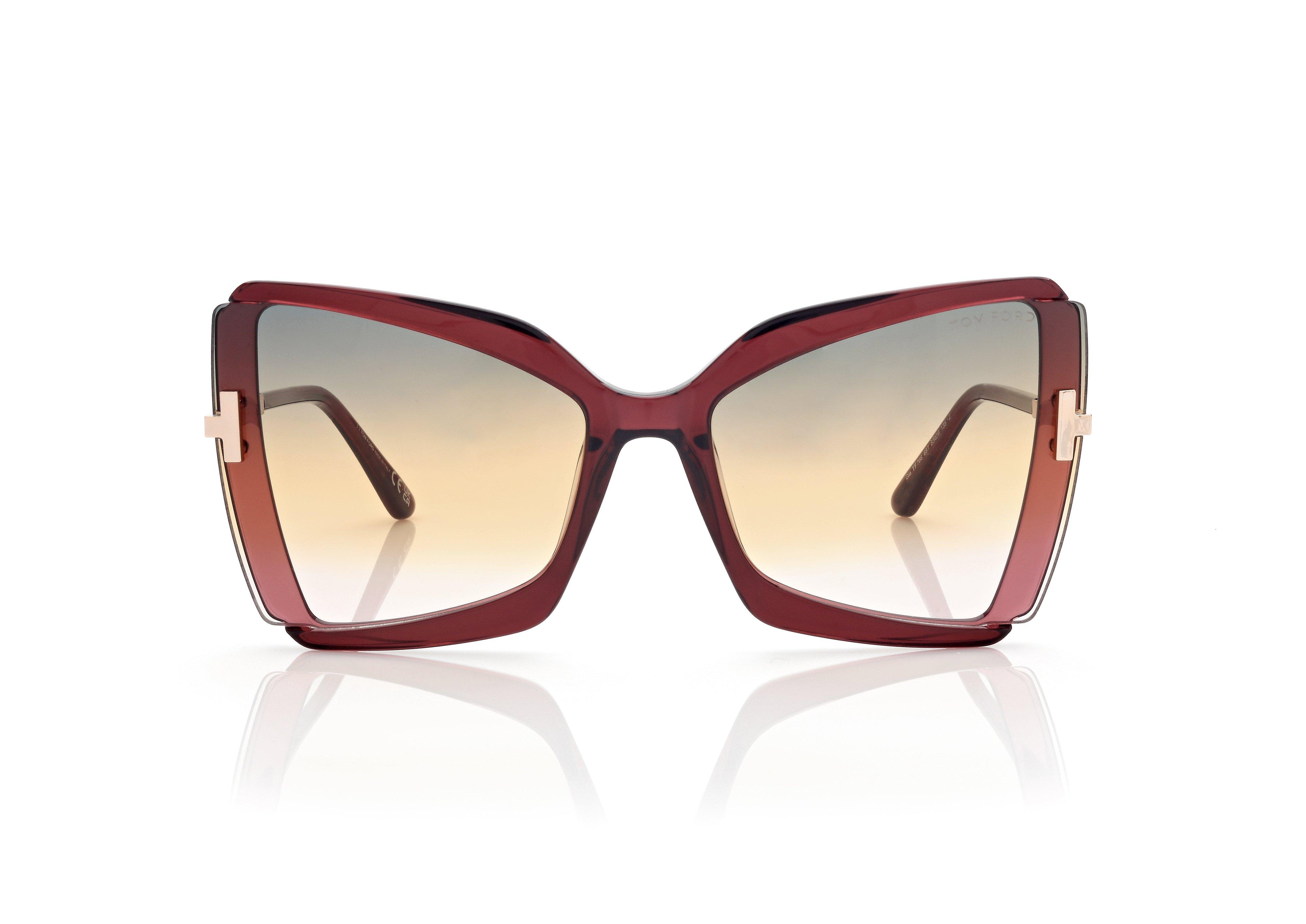
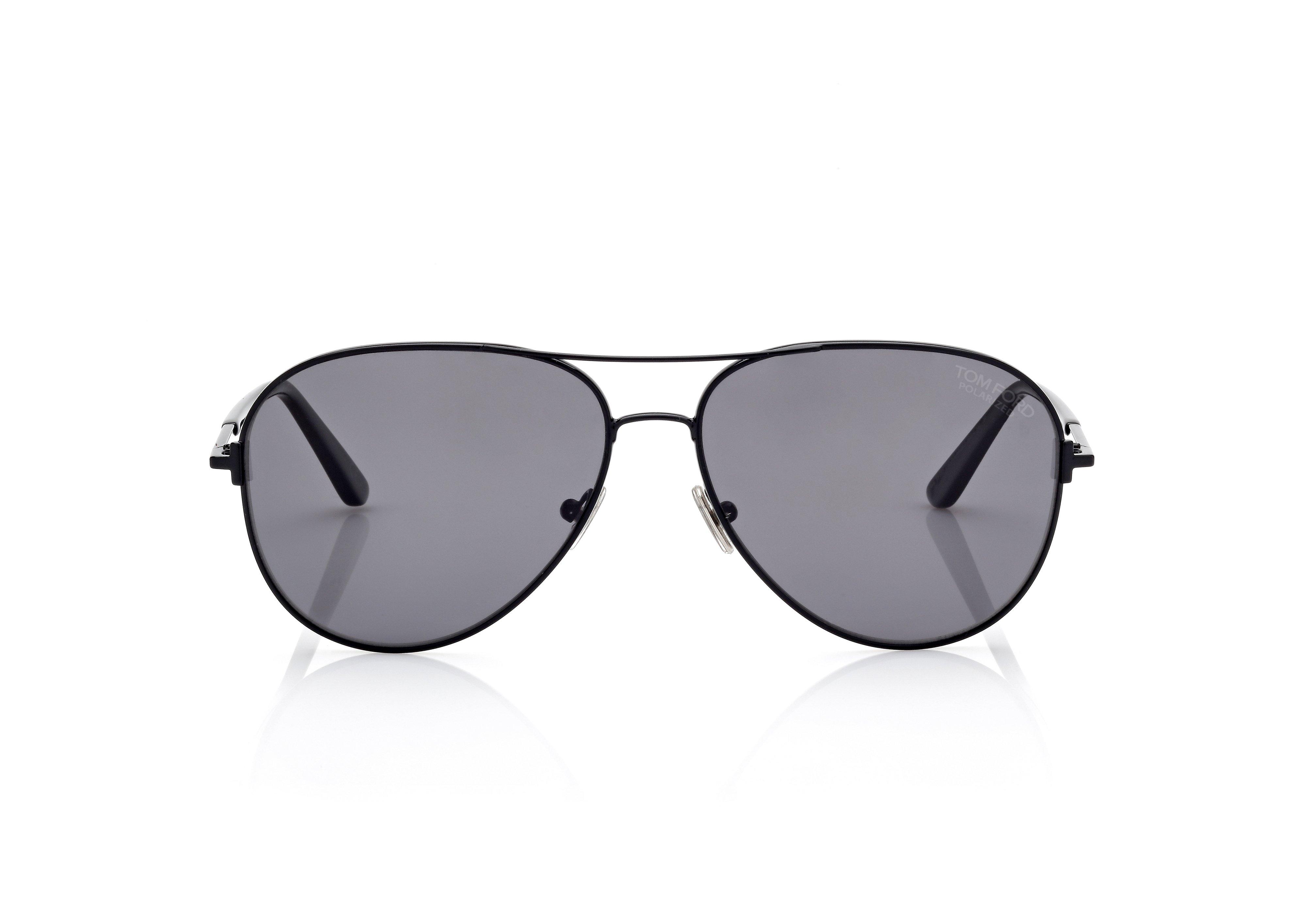
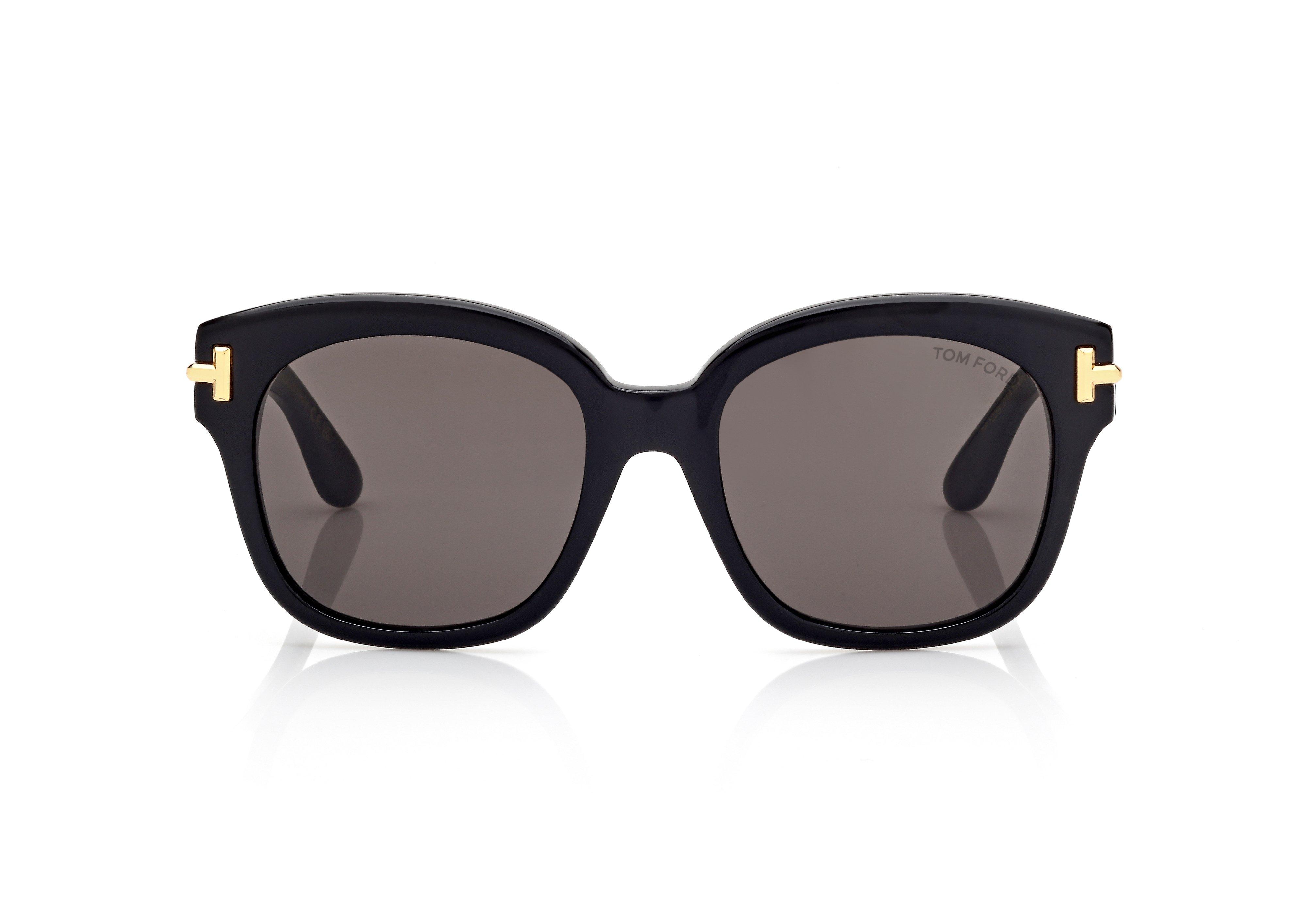
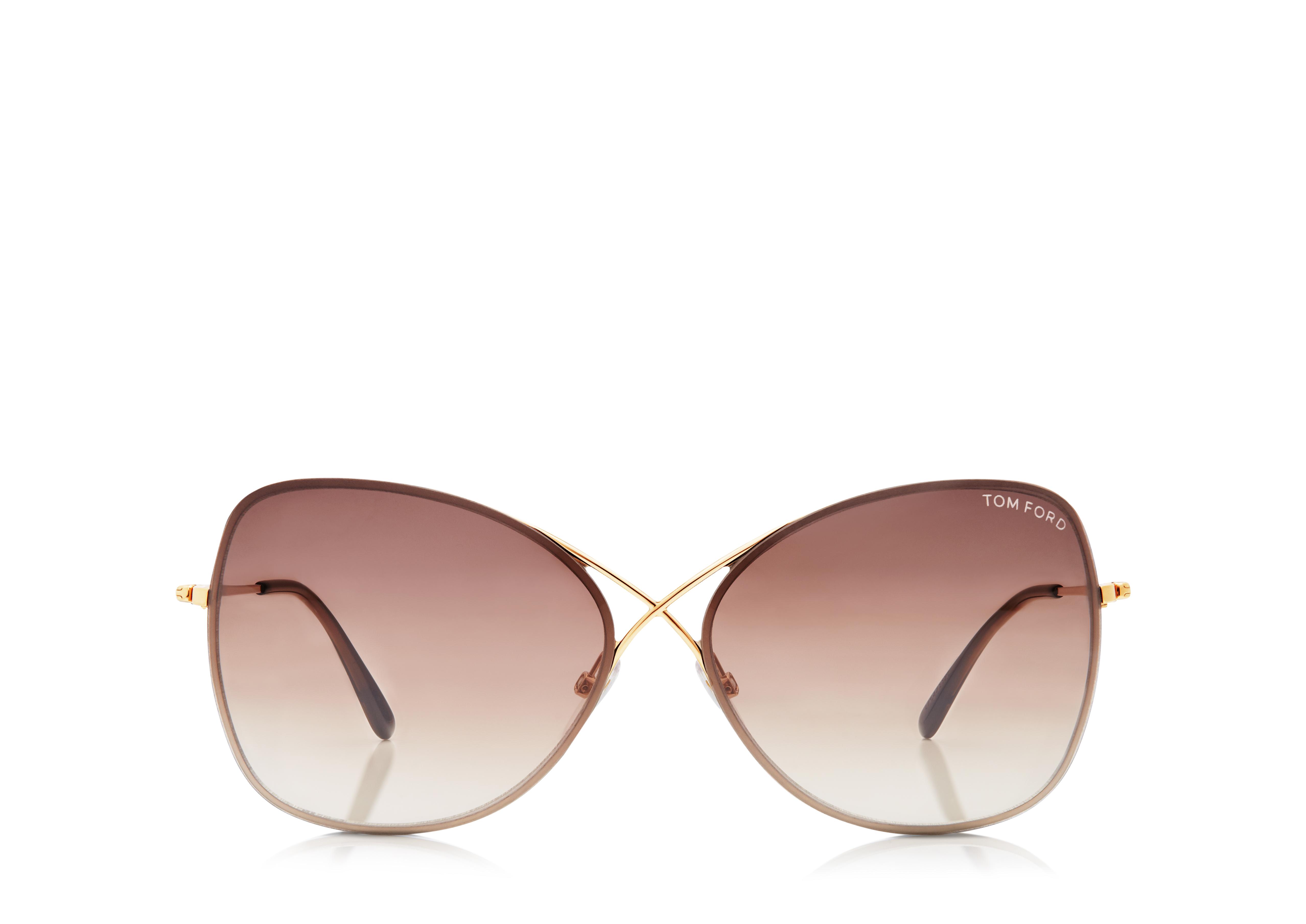
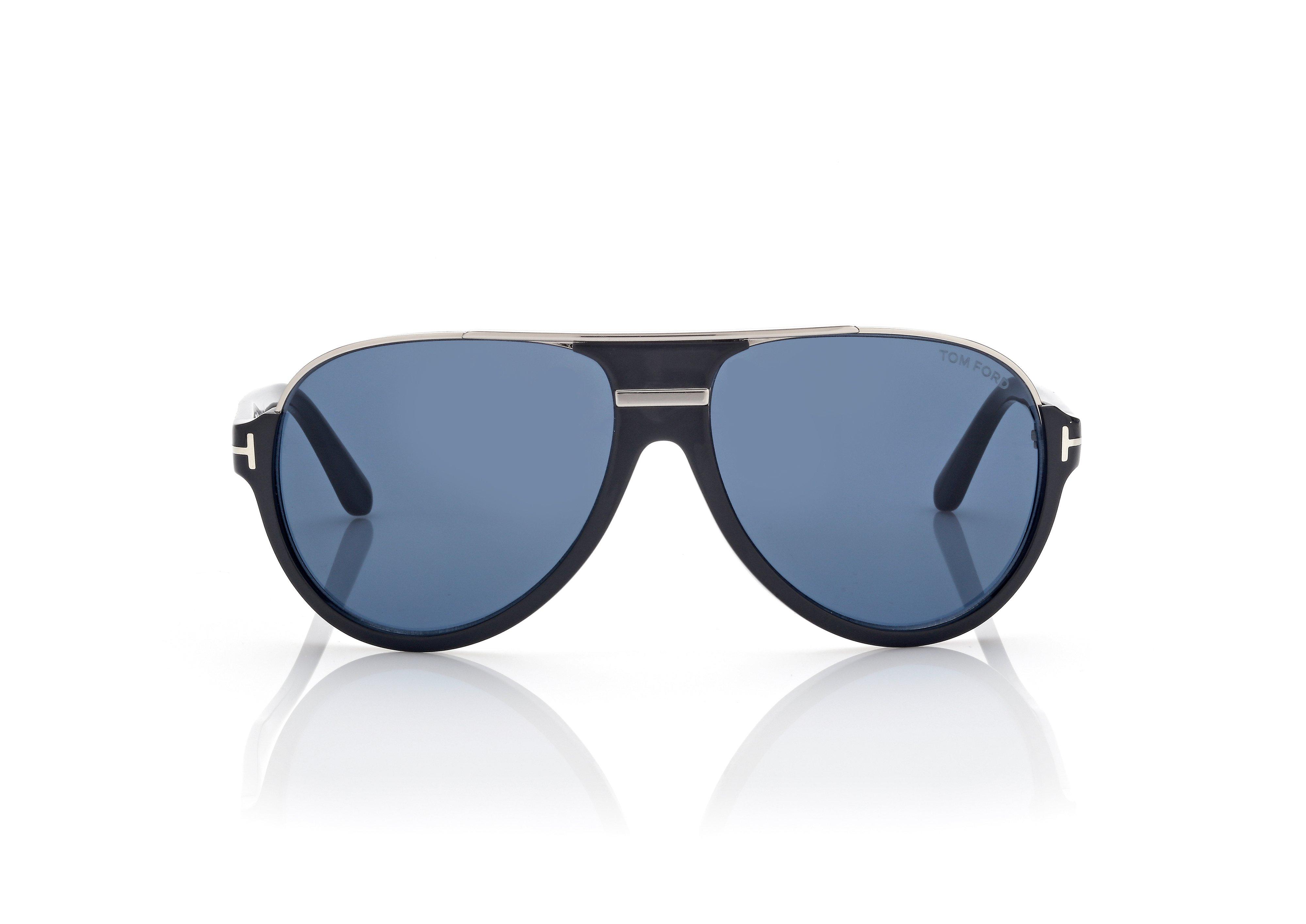
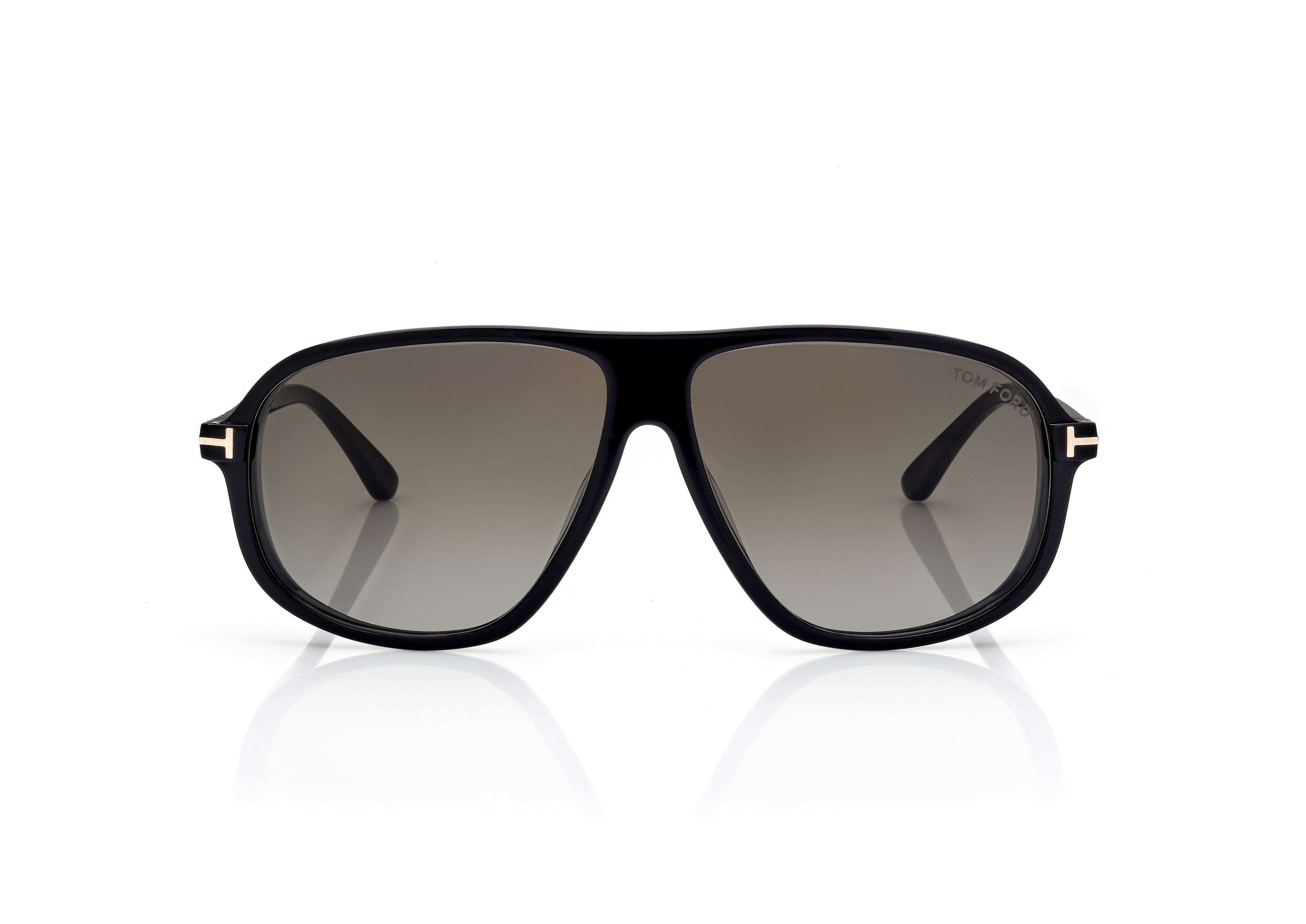
Then there are the sunglasses. If you've seen a pair of oversized, gold-barred frames in the past twenty years, you've seen Tom Ford's influence, whether or not the frames themselves bore his name. The house produces dozens of styles each season, but a handful have lodged in the collective memory: the Whitney, the Anouk, the Cary Grant-inspired FT0248. Prices hover between $400 and $600, which places them squarely in luxury territory but well below handbag or ready-to-wear commitments. For many, this is the gateway.
The things they don't mention in the press release
Tom Ford runs large in eveningwear, close in tailoring, and inconsistent in knitwear. If you're buying online, know that jersey pieces — the draped gowns, the second-skin tops — tend to cling exactly where the lookbook suggests they will. There's no forgiving ease. Leather goods, by contrast, soften considerably with wear. A Padlock that feels rigid in-store will develop a pleasant slouch over the first year, particularly in the grained finishes.
The house doesn't do seasonal discounts in its own boutiques, but stock does filter to multi-brand retailers and eventually to outlets. Patient buyers can find previous-season tailoring at 40 percent off, sometimes more. Handbags rarely see that kind of reduction; when they do, it's usually a colour or finish that didn't move. Sunglasses discount reliably, though the core styles — the ones you actually want — tend to hold closer to retail.
One other note: Tom Ford's beauty line, while lucrative and widely distributed, operates on a separate logic from the fashion house. The lipsticks and Private Blend fragrances share an aesthetic sensibility, but they're not a stepping stone to the clothing. If anything, the reverse is true. The fragrance customer may never set foot in a Tom Ford boutique; the ready-to-wear customer almost certainly owns a tube of Bitter Peach or a bottle of Tobacco Vanille.
Where the house stands now
Peter Hawkings's first collections under his own name have been, in a word, steady. He worked alongside Tom Ford long enough to internalise the grammar — the high-shine satin blouses, the plunging necklines, the trousers cut to break just so over a heel — and his work since taking over has refined rather than rewritten. There's been no dramatic pivot, no attempt to court a younger demographic or soften the house's unapologetically sensual edge.
Whether that constitutes vision or caution is a question the industry hasn't settled. On one hand, continuity has value; customers who've spent years building a Tom Ford wardrobe don't want to wake up and find the codes scrambled. On the other, fashion rewards disruption, and Hawkings hasn't offered much. His autumn 2024 collection leaned into bordeaux and forest green, swapped a few hemlines, introduced some new hardware on the bags. The tailoring remained impeccable. The reaction was polite.
For someone entering the house now, this stability is arguably an asset. You're not gambling on a creative director's first season or trying to decode a manifesto. You're buying into a known quantity, a house that's been making the same essential things — well-cut jackets, structured bags, seductive eveningwear — for two decades. The risk is boredom, not confusion.
The last thing
There's a Tom Ford boutique on Avenue Montaigne, just past the Dior flagship. The interior runs to dark wood, low lighting, and sales staff who've mastered the art of the unhurried greeting. Last spring, a woman in her sixties stood at the handbag counter, turning a Padlock over in her hands, testing the weight of the lock, running a thumb along the stitching. She didn't ask about price or availability. She simply held it, silent, for a long moment. Then she set it down, nodded to the associate, and left.
I thought about that later. Not every object demands to be owned. Some simply ask to be considered.